

 अद्यापि तन्मणि-गृहान्तर-दीप्ति-दानम्
The Kanakdhara Yantra, born of the legend of Adi Shankaracharya's famous stotram, is worshipped to invoke a sudden, generous shower of Mahalakshmi's wealth and grace upon a struggling household.
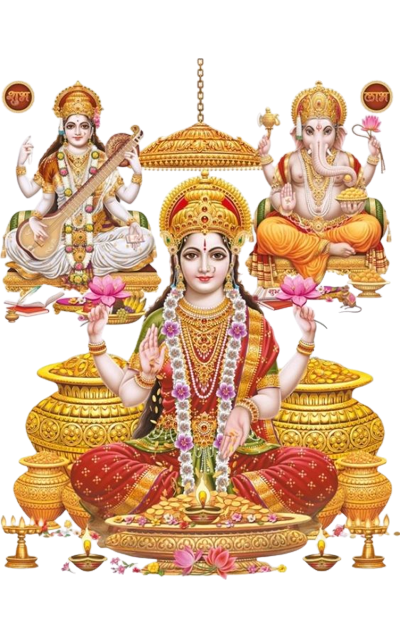
Few stories in Sanatan Dharma illustrate the compassion of Mahalakshmi as beautifully as the legend behind the Kanakdhara Yantra. It is said that the great Adi Shankaracharya, while wandering as a young sannyasi seeking alms, once knocked at the door of an extremely poor Brahmin household. The lady of the house had nothing to offer him except a single dried amla (gooseberry) — the only item of food in her home. Overwhelmed by her humility and generosity even in poverty, and moved to compassion, Shankaracharya composed on the spot the Kanakdhara Stotram, a hymn in praise of Mahalakshmi, and recited it before her home.
Tradition holds that as he chanted, Goddess Lakshmi herself appeared and showered golden amla fruits (in some versions, gold coins) upon the household — a downpour so abundant that the family's poverty was instantly transformed into prosperity. This "kanaka-dhara" — literally "stream of gold" — gives the stotram, and the yantra later derived from its energy, their name.
What Is the Kanakdhara Yantra
The Kanakdhara Yantra is a specialised Lakshmi yantra whose geometry is designed specifically to invoke this "shower" aspect of the goddess's grace — sudden, generous, unexpected abundance, rather than only slow and steady accumulation. Structurally, it shares the lotus and triangle motifs common to Lakshmi yantras, framed within the bhupura square, with the central bindu representing the goddess's living presence. Some traditional versions are engraved with lines from the Kanakdhara Stotram itself along the border.
It is particularly sought after by those facing financial hardship, unexpected debt, stalled income, or a long dry spell in business — situations that call not just for management of what exists, but for a fresh, generous influx of resources.
Why Devotees Worship the Kanakdhara Yantra
Relief from financial hardship: This yantra is especially associated with turning around situations of genuine financial struggle — much like the poor Brahmin household in the founding legend.
Removal of obstacles to income: For those whose earnings have stagnated despite honest effort, the Kanakdhara Yantra is worshipped to reopen blocked channels of income and opportunity.
Blessings for honest effort and humility: The legend itself teaches that Lakshmi's grace responds not to wealth already possessed, but to sincerity, humility and generosity even in scarcity — worship of this yantra is traditionally paired with cultivating these very qualities.
Sudden, unexpected gains: Many devotees specifically invoke Kanakdhara energy before an important financial decision, a new job interview, a business proposal, or when awaiting the resolution of a pending payment or settlement.
Family prosperity and stability: Beyond sudden gains, sustained worship is believed to stabilise a household's overall financial foundation, protecting against future hardship.
Devotional connection to Adi Shankaracharya's legacy: For many devotees, reciting the Kanakdhara Stotram before this yantra also connects them to the living tradition and blessing of one of Sanatan Dharma's greatest acharyas.
How to Install and Worship the Kanakdhara Yantra
Direction and placement: Place the yantra in the north zone of the home or shop — the direction associated with Kubera, the treasurer of the gods, and closely linked with Lakshmi's flow of wealth — facing east.
Best day to begin: Friday is the most recommended day, and worship begun on a Friday that falls during Shukla Paksha, or especially during Diwali, Akshaya Tritiya or the eight-day Dhanu period, is considered especially powerful.
Simple daily vidhi: 1. Clean the yantra each morning with a soft cloth after your own bath. 2. Light a ghee diya before it and offer incense. 3. Offer a fresh yellow or red flower, and if possible, a small amla fruit or its powder, along with jaggery or a sweet, as naivedya — honouring the fruit that features in the founding legend. 4. Recite the Kanakdhara Stotram if you know it, or chant the short mantra below 11, 21 or 108 times. 5. Close the puja with sincere gratitude and a prayer for the removal of financial hardship for yourself and for others who may be struggling — generosity in prayer mirrors the generosity Lakshmi herself showers.
Kanakdhara Mantra
ॐ ह्रीं श्रीं क्लीं ऐं कमले कमलालये प्रसीद प्रसीद श्रीं ह्रीं ॐ महालक्ष्म्यै नमः
A simpler daily alternative, for those who find the longer mantra difficult, is:
ॐ श्रीं ह्रीं क्लीं महालक्ष्म्यै नमः
Advanced devotees may undertake a dedicated path of reciting the full Kanakdhara Stotram (21 verses composed by Adi Shankaracharya) once or several times daily before the yantra, especially during a 11 or 21-day sadhana period.
Dos and Don'ts
Do maintain absolute cleanliness in the space around the yantra, since Lakshmi is said to dwell only where cleanliness and order are honoured. Do practise humility and generosity as you worship — give in charity, even a small amount, as part of the practice, echoing the poor woman's own generosity in the founding story. Do combine the yantra's worship with honest, diligent effort in your work or business — Lakshmi's grace is understood to bless right effort, not idleness.
Do not approach this practice from a place of greed or entitlement; the legend itself centres on humility, not demand. Do not neglect the yantra once installed — irregular or careless worship is considered to dilute its benefit. Do not place it in the kitchen, bathroom or near footwear.
A Gentle Note
The Kanakdhara Yantra and its stotram are treasured expressions of faith in Mahalakshmi's compassion for the sincere and the humble. They are not a substitute for prudent financial planning, hard work, or professional advice, and should be approached as a source of hope, devotion and inner steadiness alongside — never instead of — practical effort.
Frequently Asked Questions
The answers below address common questions devotees ask about the Kanakdhara Yantra.
Quick guide
Before you begin
Mantra
Lakshmi mantra
Om Shreem Mahalakshmyai Namah
Chant on Friday or during Lakshmi puja for prosperity, grace, and sattvic abundance.
Bhav
Benefits devotees pray for
FAQ
Common questions
What is the story behind the Kanakdhara Yantra?
It stems from Adi Shankaracharya composing the Kanakdhara Stotram for a poor woman who offered him her only amla fruit, after which Lakshmi is said to have showered golden fruits upon her home.
Is the Kanakdhara Yantra different from a regular Lakshmi Yantra?
Yes, its geometry and mantra are specifically tuned to invoke Lakshmi's sudden, generous 'shower' aspect, complementing the steady, sustained blessings of a regular Lakshmi Yantra.
Can I recite the Kanakdhara Stotram without the yantra?
Yes, the stotram itself is a complete devotional practice; the yantra is an additional focal point many devotees use to deepen the practice.
How long should I worship before expecting results?
Traditional guidance suggests sincere, uninterrupted worship for at least 21 to 41 days, though the timing of grace ultimately rests with the goddess.
Invoke Lakshmi's Golden Grace
Let our pandits perform a dedicated Lakshmi puja and Kanakdhara Stotram path to help ease financial hardship and open new avenues of prosperity for your family.