



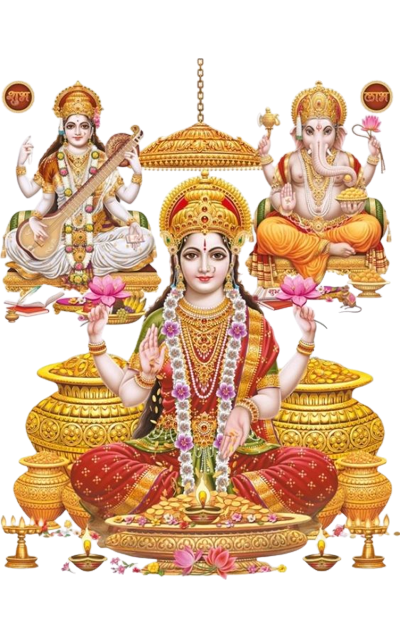
 मांगल्यदास्तु मम मंगलदेवतायाः
Kanakadhara Stotram is Adi Shankaracharya's twenty-one verse hymn to Goddess Lakshmi, born from his compassion for a poor Brahmin woman, and revered as one of the most powerful stotras for removing poverty.
Kanakadhara Stotram, meaning "the shower of gold", is one of the most cherished hymns to Goddess Lakshmi, composed by the great Adi Shankaracharya. It is said that during his travels, Shankaracharya once came to the door of a desperately poor Brahmin household seeking alms. The lady of the house, having nothing else to offer, gave him a single dried amla (gooseberry) fruit - the only food in her home - with heartfelt devotion. Moved deeply by her selfless generosity despite her poverty, Shankaracharya composed this stotra on the spot in praise of Goddess Lakshmi. It is said that as he recited it, a shower of golden amla fruits rained down from the heavens into her courtyard, transforming her family's fortune instantly.
This story is central to why Kanakadhara Stotram is chanted even today by devotees seeking relief from financial hardship, business growth, and the removal of obstacles to prosperity. Unlike many wealth-focused prayers, it is deeply poetic, describing Lakshmi's beauty, her relationship with Lord Vishnu (Mukunda, Hari, Narayana), and her role as the mother of the three worlds, rather than being a mere request for riches.
Complete Kanakadhara Stotram (Devanagari)
अंगं हरेः पुलकभूषणमाश्रयन्ती भृंगांगनेव मुकुलाभरणं तमालम्। अंगीकृताखिलविभूतिरपांगलीला मांगल्यदास्तु मम मंगलदेवतायाः॥१॥
मुग्धा मुहुर्विदधती वदने मुरारेः प्रेमत्रपाप्रणिहितानि गतागतानि। माला दृशोर्मधुकरीव महोत्पले या सा मे श्रियं दिशतु सागरसंभवायाः॥२॥
आमीलिताक्षमधिगम्य मुदा मुकुन्दं आनन्दकन्दमनिमेषमनंगतंत्रम्। आकेकरस्थितकनीनिकपक्ष्मनेत्रं भूत्यै भवेन्मम भुजंगशयांगनायाः॥३॥
बाह्वन्तरे मधुजितः श्रितकौस्तुभे या हारावलीव हरिनीलमयी विभाति। कामप्रदा भगवतोऽपि कटाक्षमाला कल्याणमावहतु मे कमलालयायाः॥४॥
कालाम्बुदालिललितोरसि कैटभारेः धाराधरे स्फुरति या तडिदंगनेव। मातुस्समस्तजगतां महनीयमूर्तिः भद्राणि मे दिशतु भार्गवनन्दनायाः॥५॥
प्राप्तं पदं प्रथमतः खलु यत्प्रभावात् मांगल्यभाजि मधुमाथिनि मन्मथेन। मय्यापतेत्तदिह मंथरमीक्षणार्धं मन्दालसं च मकरालयकन्यकायाः॥६॥
विश्वामरेन्द्रपदविभ्रमदानदक्षम् आनन्दहेतुरधिकं मुरविद्विषोऽपि। ईषन्निषीदतु मयि क्षणमीक्षणार्धं इन्दीवरोदरसहोदरमिन्दिरायाः॥७॥
इष्टा विशिष्टमतयोऽपि यया दयार्द्र- दृष्ट्या त्रिविष्टपपदं सुलभं लभन्ते। दृष्टिः प्रहृष्टकमलोदरदीप्तिरिष्टां पुष्टिं कृषीष्ट मम पुष्करविष्टरायाः॥८॥
दद्याद्दयानुपवनो द्रविणाम्बुधाराम् अस्मिन्नकिञ्चनविहंगशिशौ विषण्णे। दुष्कर्मघर्ममपनीय चिराय दूरं नारायणप्रणयिनीनयनाम्बुवाहः॥९॥
गीर्देवतेति गरुडध्वजसुन्दरीति शाकम्भरीति शशिशेखरवल्लभेति। सृष्टिस्थितिप्रलयकेलिषु संस्थितायै तस्यै नमस्त्रिभुवनैकगुरोस्तरुण्यै॥१०॥
श्रुत्यै नमोऽस्तु शुभकर्मफलप्रसूत्यै रत्यै नमोऽस्तु रमणीयगुणार्णवायै। शक्त्यै नमोऽस्तु शतपत्रनिकेतनायै पुष्ट्यै नमोऽस्तु पुरुषोत्तमवल्लभायै॥११॥
नमोऽस्तु नालीकनिभाननायै नमोऽस्तु दुग्धोदधिजन्मभूम्यै। नमोऽस्तु सोमामृतसोदरायै नमोऽस्तु नारायणवल्लभायै॥१२॥
नमोऽस्तु हेमाम्बुजपीठिकायै नमोऽस्तु भूमण्डलनायिकायै। नमोऽस्तु देवादिदयापरायै नमोऽस्तु शार्ङ्गायुधवल्लभायै॥१३॥
नमोऽस्तु देव्यै भृगुनन्दनायै नमोऽस्तु विष्णोरुरसि स्थितायै। नमोऽस्तु लक्ष्म्यै कमलालयायै नमोऽस्तु दामोदरवल्लभायै॥१४॥
नमोऽस्तु कान्त्यै कमलेक्षणायै नमोऽस्तु भूत्यै भुवनप्रसूत्यै। नमोऽस्तु देवादिभिरर्चितायै नमोऽस्तु नन्दात्मजवल्लभायै॥१५॥
सम्पत्कराणि सकलेन्द्रियनन्दनानि साम्राज्यदानविभवानि सरोरुहाक्षि। त्वद्वन्दनानि दुरिताहरणोद्यतानि मामेव मातरनिशं कलयन्तु मान्ये॥१६॥
यत्कटाक्षसमुपासनाविधिः सेवकस्य सकलार्थसम्पदः। संतनोति वचनांगमानसैः त्वां मुरारिहृदयेश्वरीं भजे॥१७॥
सरसिजनिलये सरोजहस्ते धवलतमांशुकगन्धमाल्यशोभे। भगवति हरिवल्लभे मनोज्ञे त्रिभुवनभूतिकरि प्रसीद मह्यम्॥१८॥
दिग्घस्तिभिः कनककुम्भमुखावसृष्ट- स्वर्वाहिनीविमलचारुजलप्लुताङ्गीम्। प्रातर्नमामि जगतां जननीमशेष- लोकाधिनाथगृहिणीममृताब्धिपुत्रीम्॥१९॥
कमले कमलाक्षवल्लभे त्वं करुणापूरतरंगितैरपांगैः। अवलोकय मामकिञ्चनानां प्रथमं पात्रमकृत्रिमं दयायाः॥२०॥
स्तुवन्ति ये स्तुतिभिरमूभिरन्वहं त्रयीमयीं त्रिभुवनमातरं रमाम्। गुणाधिका गुरुतरभाग्यभागिनो भवन्ति ते भुवि बुधभाविताशयाः॥२१॥
सुवर्णधारास्तोत्रं यच्छंकराचार्यनिर्मितम्। त्रिसन्ध्यं यः पठेन्नित्यं स कुबेरसमो भवेत्॥
Meaning
Verses 1-5 describe the divine beauty of Goddess Lakshmi - her form resting upon Lord Hari's chest like a bee clinging to a blossoming tamala tree, her glances that flit shyly toward Mukunda's face out of love, her half-closed eyes gazing joyfully at Mukunda, the garland-like radiance she bestows upon Vishnu's chest, and her form shining like lightning against a dark monsoon cloud upon the chest of Kaitabharo (Vishnu). In each verse, Shankaracharya prays that this divine Mother, born of the ocean, bestows auspiciousness and grace upon him.
Verses 6-9 continue this loving description, praying that even a fleeting, half-closed glance of the Goddess - the very glance that once granted Indra's throne to the worthy - may fall upon the poet, a helpless bird-child in distress, and wash away the heat of his misdeeds through her compassion, likened to a cloud of Narayana's beloved.
Verses 10-15 form a series of salutations, naming the Goddess by her many forms and epithets - as Vagdevata (goddess of speech), as the beloved of Garuda-bannered Vishnu, as Shakambhari, as the beloved of the moon-crested Shiva's kin, as Shruti (the Vedas themselves), as Rati, as Shakti dwelling in the lotus, as Pushti (nourishment), as the one born from the ocean of milk, as the sister of nectar and the moon, as seated on a golden lotus throne, as the mistress of the whole earth, as the beloved of the Sharnga-bow-wielding Vishnu, as the daughter of sage Bhrigu, as she who resides on Vishnu's chest, and as the beloved of Damodara and of Nanda's son Krishna.
The Story Behind Kanakadhara Stotram
The story of Kanakadhara Stotram is one of the most moving tales in Adi Shankaracharya's life. While begging for alms as a young sannyasi, he stopped at the humble hut of an extremely poor Brahmin lady. Ashamed that she had nothing to offer, she searched her home and found only a single dried amla fruit, which she offered with tears of devotion and embarrassment. Touched by her purity of heart despite her poverty, Shankaracharya immediately composed this stotra in praise of Goddess Lakshmi, invoking her grace on the woman's behalf. As he chanted, it is said that golden amlas rained from the sky, filling her courtyard and lifting her family out of poverty forever - hence the name Kanakadhara, "the shower of gold".
How and When to Chant
Kanakadhara Stotram is best recited on Fridays (sacred to Lakshmi), during Diwali and Sharad Purnima, and at the three sandhyas as mentioned in the phalashruti - dawn, noon and dusk. It is traditionally chanted before a lit ghee lamp and an image of Lakshmi, ideally after bathing and in a clean, quiet space. Many devotees recite it for 21, 41 or 108 days continuously when seeking relief from financial difficulty or blessings for a new business or venture.
Dos and Don'ts
Recite with sincerity and humility rather than as a mechanical request for money - the stotra's power lies in genuine devotion, much like the poor Brahmin woman's selfless offering. Keep the space of worship clean, and avoid reciting immediately after eating or in an unclean state. This stotra should never be used with greed or ill intent toward others; it is meant to invite abundance through grace, not to harm or deprive anyone else.
FAQ
Question: What is Kanakadhara Stotram used for? Answer: It is chanted to invoke Goddess Lakshmi's blessings for the removal of poverty, financial stability, and prosperity, following the story of the poor Brahmin woman whose devotion caused a shower of gold.
Question: Who composed Kanakadhara Stotram? Answer: It was composed by the great philosopher-saint Adi Shankaracharya, moved by the pure devotion of an impoverished Brahmin woman he encountered while seeking alms.
Question: How many times should Kanakadhara Stotram be recited for best results? Answer: While even a single sincere recitation is meaningful, many devotees chant it daily for 21, 41 or 108 days, or at the three sandhyas as mentioned in the phalashruti, especially on Fridays.
Question: Is Kanakadhara Stotram only for the poor or in financial difficulty? Answer: No, anyone seeking Lakshmi's grace - for business growth, stability, or gratitude for existing prosperity - may recite it with devotion; it is not limited to those facing hardship.
Quick guide
Before you begin
Mantra
Ram mantra
Shri Ram Jai Ram Jai Jai Ram
Chant slowly with devotion for courage, truth, protection, and mental peace.
Bhav
Benefits devotees pray for
FAQ
Common questions
What is Kanakadhara Stotram used for?
It is chanted to invoke Goddess Lakshmi's blessings for the removal of poverty, financial stability, and prosperity, following the story of the poor Brahmin woman whose devotion caused a shower of gold.
Who composed Kanakadhara Stotram?
It was composed by the great philosopher-saint Adi Shankaracharya, moved by the pure devotion of an impoverished Brahmin woman he encountered while seeking alms.
How many times should Kanakadhara Stotram be recited for best results?
While even a single sincere recitation is meaningful, many devotees chant it daily for 21, 41 or 108 days, or at the three sandhyas as mentioned in the phalashruti, especially on Fridays.
Is Kanakadhara Stotram only for the poor or in financial difficulty?
No, anyone seeking Lakshmi's grace - for business growth, stability, or gratitude for existing prosperity - may recite it with devotion; it is not limited to those facing hardship.
Invite Lakshmi's Grace with a Dedicated Puja
Let our pandits perform a Lakshmi puja on your behalf to invoke prosperity, stability and abundance for your home and family.