
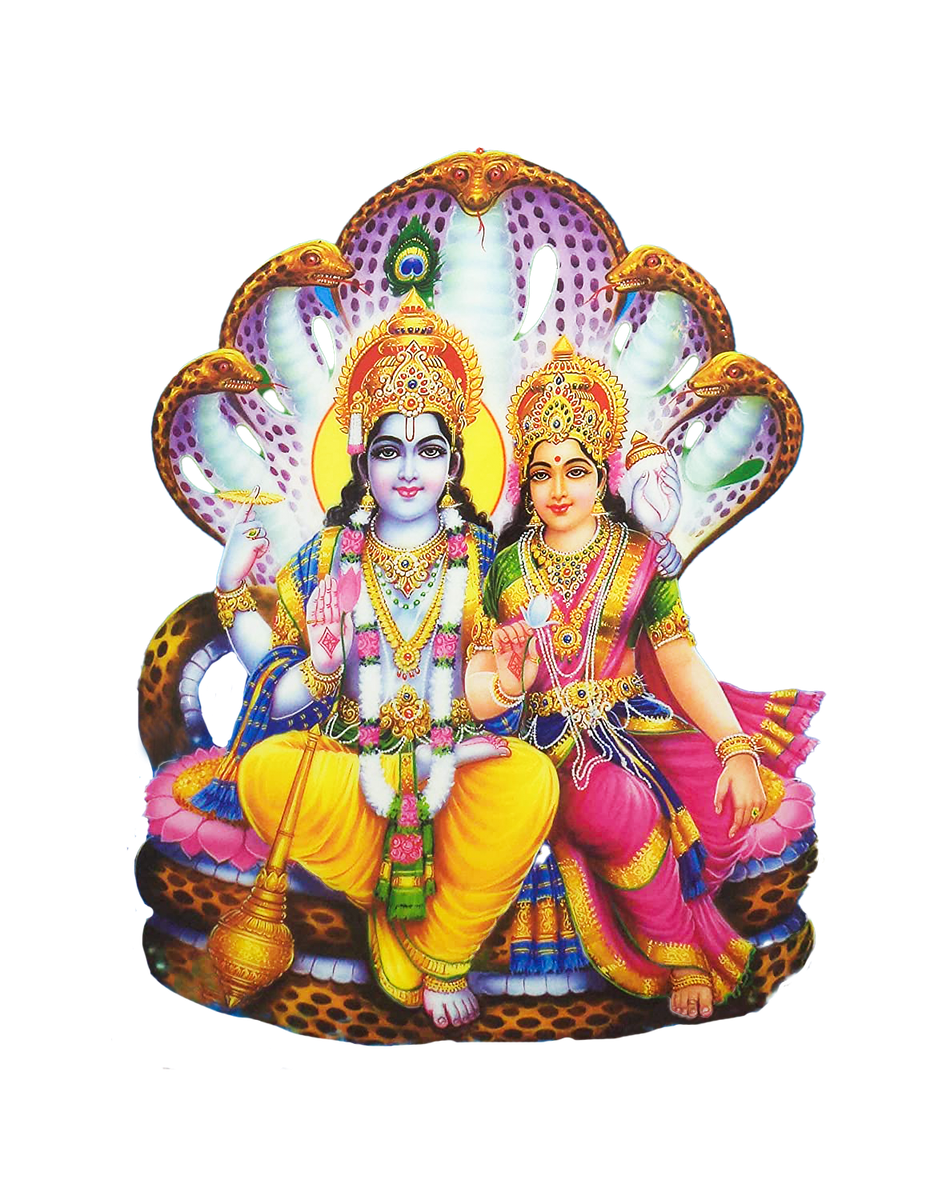
 जय श्री हरि विष्णु
The full story, meaning and vrat vidhi of Kamika Ekadashi, the Sawan month fast believed to dissolve even the gravest sins.
About Kamika Ekadashi
Kamika Ekadashi falls in the Krishna Paksha of the Shravan (Sawan) month - the holy month of Lord Shiva's worship - and is regarded as one of the most powerful Ekadashis for removing even the gravest sins, including brahma-hatya, the sin of killing a Brahmin. It is dedicated to Lord Vishnu, worshipped here as Damodar.
The Story of Kamika Ekadashi
This katha is found in the Brahmanda Purana, narrated by Lord Krishna to Yudhishthira in answer to his question about the Ekadashi of Shravan Krishna Paksha.
In ancient times, there lived a proud and powerful Kshatriya king who ruled with courage but also with a quick temper. One day, a dispute arose between the king and a Brahmin over a matter of dharma and conduct. In the heat of anger, the king struck the Brahmin, and in the struggle that followed, the Brahmin lost his life.
The moment the Brahmin died, the king was struck with the terrible realisation that he had committed brahma-hatya, one of the five gravest sins described in the shastras. Overwhelmed with guilt, he could find no peace. Wherever he went, he felt the presence of the Brahmin's spirit accusing him, and no ritual, penance or pilgrimage seemed to lift the burden from his soul.
In deep despair, the king went from sage to sage seeking a way to atone, but each one told him the sin was too great for ordinary remedies. Finally he arrived at the ashram of a wise and compassionate rishi and, falling at his feet, confessed his crime and begged to be shown any path, however difficult, to free himself from the sin.
The sage, seeing his genuine remorse, told him of a fast powerful enough to dissolve even the sin of brahma-hatya: Kamika Ekadashi, observed in the Krishna Paksha of Shravan month. He explained that this Ekadashi is so meritorious that worshipping Lord Vishnu on this day with a sincere heart carries the combined merit of bathing in all the sacred tirthas, donating gold and land, and performing a thousand Ashvamedha yagnas.
The sage instructed the king to observe the Kamika Ekadashi vrat with full faith - fasting, keeping vigil through the night with lamps lit before Lord Vishnu, and listening to the glory of this Ekadashi. The king did exactly as instructed, surrendering his pride and guilt at Vishnu's feet.
As the vrat was completed, the king felt the unbearable weight of his sin lift from his heart. The torment of the Brahmin's spirit ceased, and he understood he had been forgiven. He returned to ruling his kingdom with humility and justice, and from then on his kingdom prospered under Vishnu's grace.
Lord Krishna told Yudhishthira that anyone who observes the Kamika Ekadashi vrat, or even hears this katha with devotion, is freed from sins as grave as brahma-hatya and attains the highest abode of Lord Vishnu after death.
Vrat Vidhi
On Dashami, eat a light satvik meal in the evening and avoid grains. On Ekadashi morning, bathe early, wear clean clothes, and take a sankalp before Lord Vishnu to keep the fast. Worship Vishnu (and, since this falls in Sawan, many devotees also offer prayers to Lord Shiva the same day) with tulsi leaves, flowers, a ghee lamp and incense, and read or listen to this katha. Keep a fruit-only or water fast according to health and capacity, avoiding rice and grains entirely. If possible, keep a night vigil with bhajans or the Vishnu Sahasranama. On Dwadashi, complete the worship, offer food or dakshina to a Brahmin or someone in need, and then break the fast.
Benefits of Kamika Ekadashi Vrat
This vrat is believed to remove even deeply rooted sins and guilt of the past, bring peace of mind to those burdened by remorse over past actions, grant the combined merit of pilgrimage and charity to a sincere devotee, and deepen devotion to Lord Vishnu during the sacred month of Sawan.
A Gentle Note
This katha teaches the power of sincere remorse and surrender, and belongs to devotional tradition and faith. It is not a substitute for legal, medical or professional guidance, and anyone with health concerns should adapt the fast to fruits and liquids, or avoid it altogether, after consulting a doctor.
Quick guide
Before you begin
Mantra
Vishnu mantra
Om Namo Bhagavate Vasudevaya
Chant before katha or aarti while praying for protection, dharma, and peace.
Bhav
Benefits devotees pray for
FAQ
Common questions
When does Kamika Ekadashi fall?
It falls on the Ekadashi tithi of the Krishna Paksha of the Shravan (Sawan) month.
What sin does this vrat's story revolve around?
The katha centres on a king who accidentally caused a Brahmin's death and was freed from the resulting sin of brahma-hatya by observing this vrat.
Why is Kamika Ekadashi especially significant in Sawan?
Since Sawan is dedicated to Lord Shiva, many devotees combine reverence for both Shiva and Vishnu on this day, making it a doubly auspicious occasion.
Does observing this vrat require a nirjala fast?
No, a phalahar or water-based fast according to one's health is acceptable; sincerity and faith matter more than strictness.
Observe Kamika Ekadashi with a Sankalp Puja
Book a Vishnu puja with naam-gotra sankalp for peace of mind and freedom from guilt.