
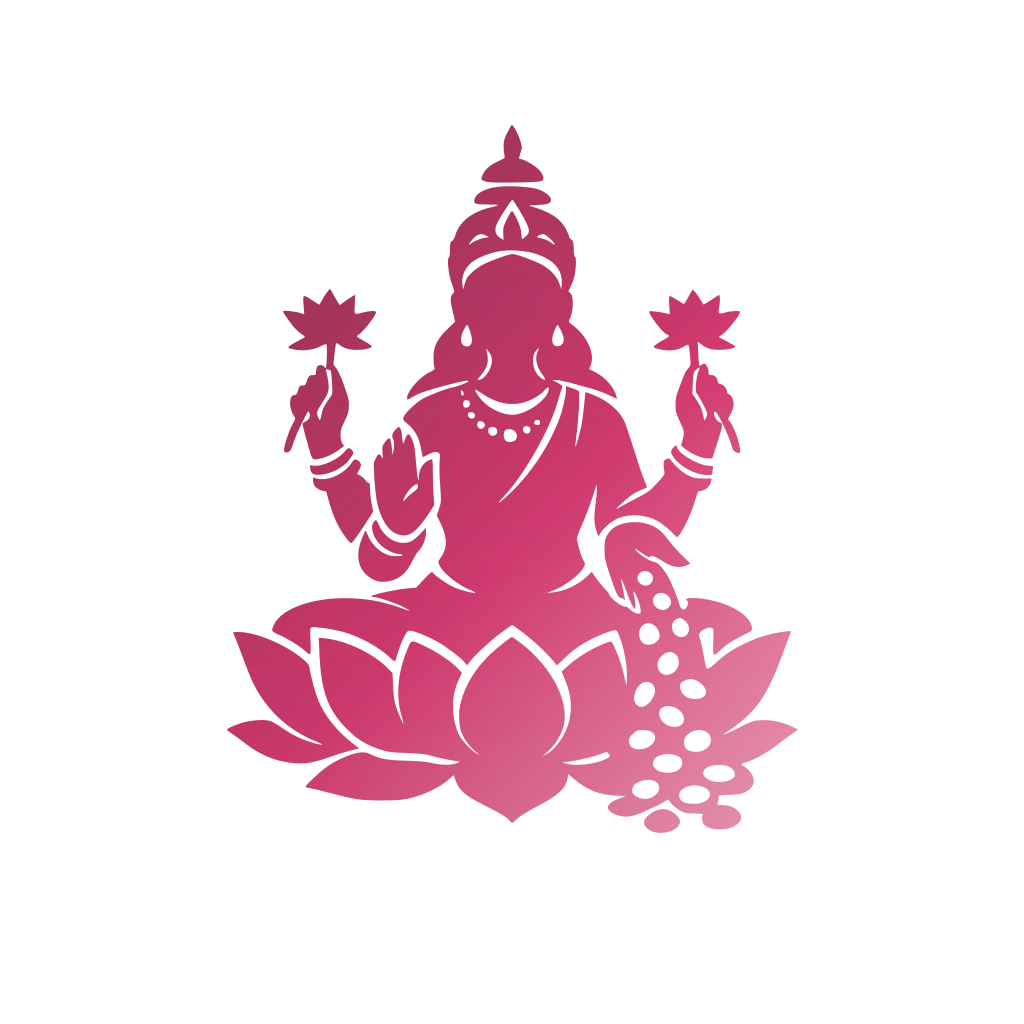
 ॐ श्रीं ह्रीं क्लीं कमलात्मिकायै नमः
The Kamala Yantra invokes Kamala Devi, the tenth Mahavidya and lotus form of Mahalakshmi, to bring abundance, purity and quiet grace into a devotee's home and heart.
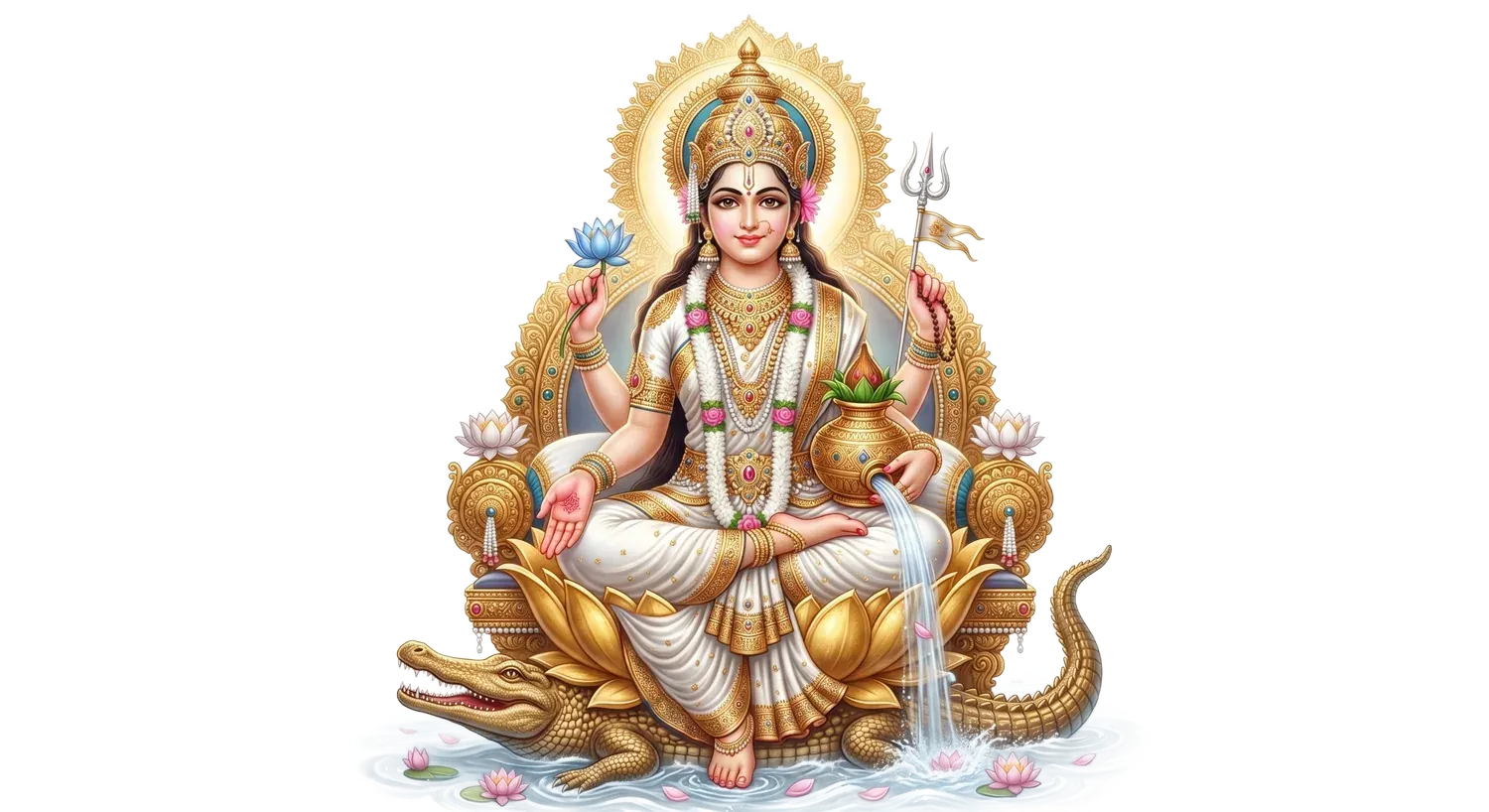
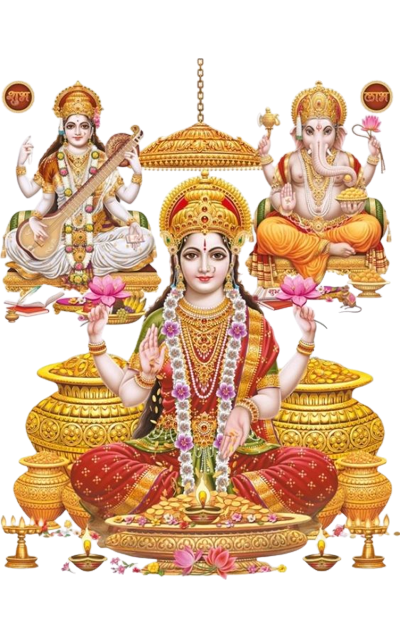
Among the ten Mahavidyas of Shakta tradition, Kamala Devi stands as the final and most gentle expression of the Divine Mother's power. Where Kali, Tara and Chhinnamasta represent the fierce, transformative faces of Shakti, Kamala is her serene, radiant, lotus-seated form — closely identified with Mahalakshmi, the goddess of wealth, beauty, purity and auspiciousness. The Kamala Yantra is the sacred geometric form through which devotees invite this gentle, abundant energy into their homes.
The name Kamala itself means "lotus" — a flower that grows from muddy waters yet remains untouched by the mud, opening each day toward the sun in perfect purity. This is precisely the quality Kamala Devi bestows upon her devotees: the ability to live amid the difficulties of worldly life while remaining inwardly pure, graceful and unshaken, and to draw abundance to oneself the way the lotus draws sunlight — naturally, without struggle.
What Is the Kamala Yantra
The Kamala Yantra is typically structured around a central lotus motif (padma) — often an eight-petalled or sixteen-petalled lotus — enclosed within triangles and circles, and framed by the outer bhupura square with its four gateways. The petals represent the many directions from which abundance, prosperity and grace flow toward the devotee who worships sincerely.
At the centre sits the bindu representing Kamala Devi herself, often inscribed with her beej mantras — Shreem (श्रीं), the seed sound of Lakshmi and material-spiritual abundance, along with Hreem (ह्रीं) and Kleem (क्लीं), sounds associated with maya, attraction and fulfilment of desires in a dharmic way.
Why Devotees Worship the Kamala Yantra
Wealth and prosperity: As a direct form of Mahalakshmi, Kamala Devi is invoked for steady financial growth, removal of debt, and the arrival of new opportunities for income and business.
Purity and grace under pressure: Because of her lotus symbolism, Kamala's worship is particularly sought by those who feel overwhelmed by worldly pressures, office politics or family conflict — her energy is said to help the devotee stay centred, graceful and untouched by the surrounding negativity, much as the lotus stays clean above muddy water.
Good fortune in new beginnings: Many devotees install the Kamala Yantra when starting a new business, moving into a new home, or beginning an important venture, seeking her blessing for a smooth and prosperous start.
Marital and domestic harmony: Kamala Devi's gentle, harmonising energy is also invoked for peace and sweetness within the household, especially where relationships have grown strained.
Beauty and inner radiance: Traditional belief holds that sincere worship of Kamala Devi enhances not just outer beauty but an inner glow of contentment and serenity that is felt by those around the devotee.
Spiritual completion: As the final Mahavidya, Kamala represents the fruit of the entire tantric path — the state in which the sadhak, having passed through all the fierce transformations of the earlier Mahavidyas, arrives at pure, unclouded grace. For serious sadhaks, her yantra represents the culmination of Shakti sadhana.
How to Install and Worship the Kamala Yantra
Direction and placement: Place the Kamala Yantra in the north or north-east corner of the home or shop, ideally near where money, valuables or account books are kept, facing east.
Best day to begin: Friday, the day sacred to the Divine Mother in her Lakshmi aspect, is considered the most auspicious day to begin worship — especially a Friday falling during Shukla Paksha (the waxing moon fortnight), or on Diwali, Sharad Purnima or Akshaya Tritiya.
Simple daily vidhi: 1. Wipe the yantra gently with a clean, soft cloth each morning after bathing. 2. Light a ghee diya and offer incense, ideally with a fragrance like rose or lotus attar. 3. Offer a fresh red or pink lotus, or any fresh flower, along with a little raw sugar, kheer or fruit as naivedya. 4. Chant the mantra below 11, 21 or 108 times using a lotus-seed or crystal mala, seated calmly and facing the yantra. 5. Conclude by expressing gratitude for existing blessings before asking for continued abundance and grace — gratitude is considered central to keeping Lakshmi's energy flowing.
Kamala Mantra
ॐ श्रीं ह्रीं क्लीं कमलात्मिकायै नमः
This can be chanted as the primary mantra during daily worship. Devotees may also recite the Kamala Mahavidya Stotra or listen to the Sri Suktam and Kanakadhara Stotram as complementary practices, since both invoke the same Mahalakshmi energy that Kamala Devi embodies.
Dos and Don'ts
Do keep the space around the yantra spotlessly clean, since Lakshmi's energy is deeply linked to cleanliness and order. Do keep a small oil lamp lit near the yantra regularly, especially on Fridays. Do practise gratitude and generosity — sharing a portion of one's earnings in charity is considered essential to sustaining Kamala Devi's grace.
Do not keep the yantra in a cluttered or dirty space, or allow dust to gather on it. Do not worship with a greedy or anxious mind; Lakshmi's energy is said to withdraw from spaces filled with excessive craving or negativity. Do not place it directly on the floor — always on a clean cloth, preferably red or yellow, at an elevated height.
A Gentle Note
The grace of Kamala Devi flowers through patient, sincere and grateful worship rather than urgency or demand. This practice is offered as a matter of faith and devotion, and is not a substitute for sound financial planning or professional advice in matters of money and business.
Frequently Asked Questions
The answers below address common questions devotees ask about the Kamala Yantra.
Quick guide
Before you begin
Mantra
Lakshmi mantra
Om Shreem Mahalakshmyai Namah
Chant on Friday or during Lakshmi puja for prosperity, grace, and sattvic abundance.
Bhav
Benefits devotees pray for
FAQ
Common questions
How is Kamala Devi different from Mahalakshmi?
Kamala Devi is the tenth Mahavidya and is considered a direct tantric form of Mahalakshmi herself — the two are worshipped with the same underlying reverence for abundance and grace.
Where exactly should the Kamala Yantra be kept?
The north or north-east zone of the home or business, near where money or valuables are kept, facing east, is traditionally recommended.
Can the Kamala Yantra be worshipped alongside a Sri Yantra?
Yes, many households keep both, as they invoke closely related aspects of the same Mahalakshmi energy; simply maintain clean, separate space for each.
Is a special initiation needed to worship this yantra?
No formal initiation is required for basic daily worship with a diya, flower and mantra; deeper tantric sadhana is best guided by a qualified guru.
Invite Kamala Devi's Abundance Home
Let our pandits perform a dedicated Lakshmi puja to invoke Kamala Devi's grace of prosperity, purity and harmony for your family.