
 ॐ ह्रीं गोपाल कृष्णाय नमः
A complete guide to the Gopal Mantra dedicated to Bal Gopal Krishna, chanted by parents for the health, protection and good conduct of their children.
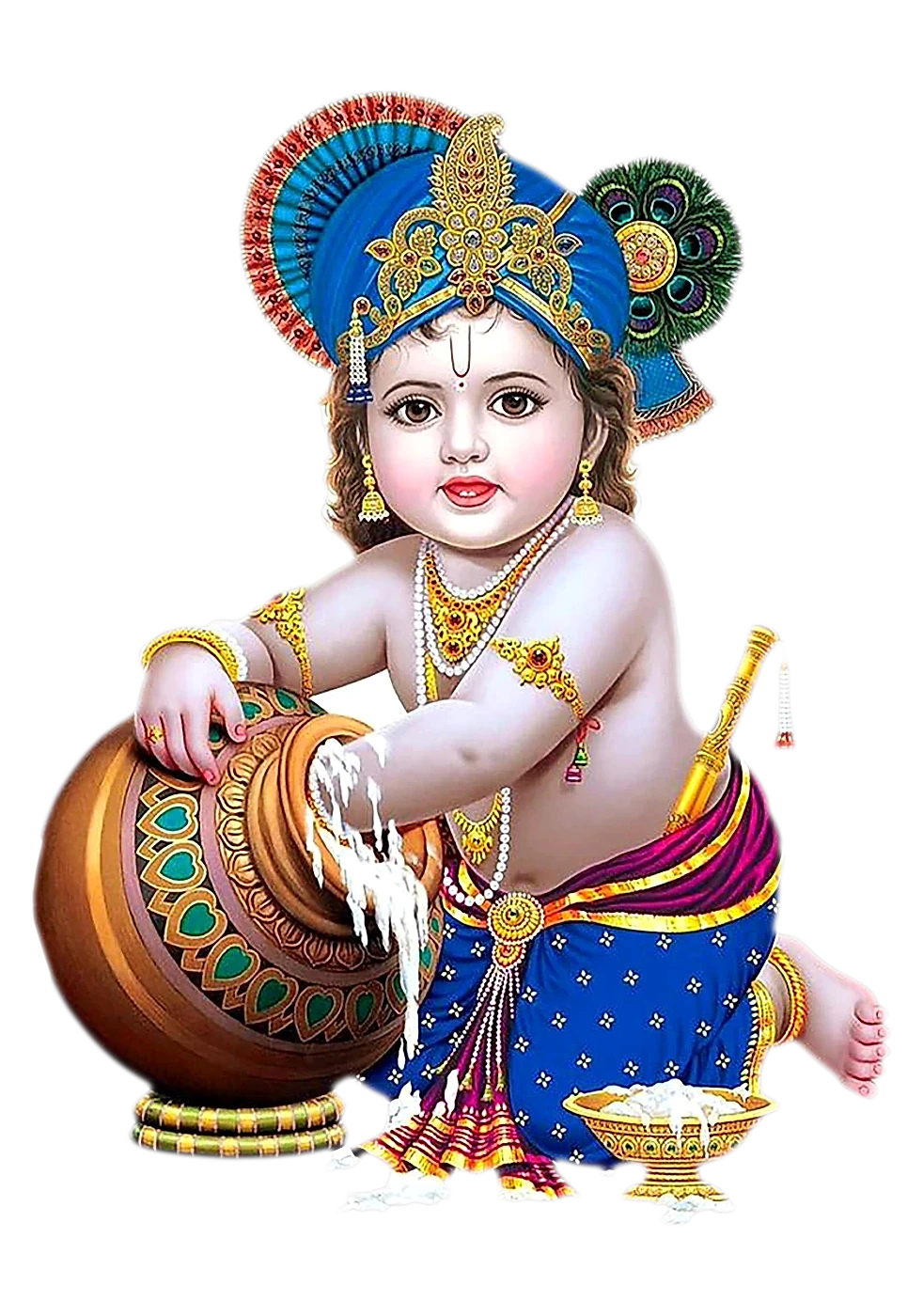
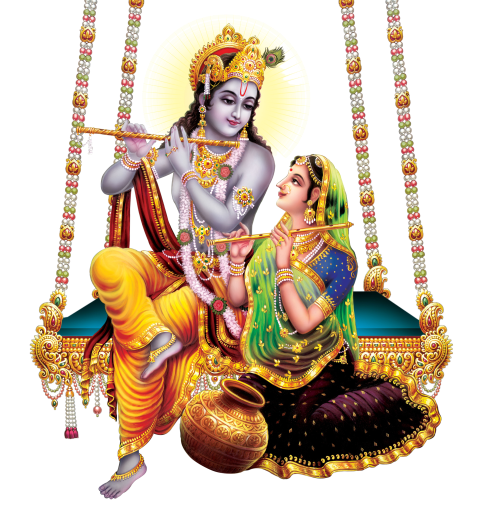
Bal Gopal, the infant and child form of Shri Krishna, is worshipped across India as the embodiment of innocence, joy and divine protection over childhood. The Gopal Mantra is chanted primarily by parents and grandparents, on behalf of a child, invoking Krishna's own childlike, protective nature to watch over the little one — for good health, sound intellect, safety from mishap, and the growth of good sanskaras (values) as the child matures.
Complete Gopal Mantra (Devanagari)
मूल मंत्र:
ॐ ह्रीं गोपाल कृष्णाय नमः।
विस्तृत ध्यान मंत्र:
क्लीं कृष्णाय गोविन्दाय गोपीजनवल्लभाय स्वाहा।
बाल रक्षा मंत्र:
ॐ नमो भगवते बालकृष्णाय सर्वबाधाविनाशाय सर्वारिष्टप्रशमनाय दीर्घायुष्यकराय स्वाहा।
Transliteration
Om hreem Gopal Krishnaya namah.
Kleem Krishnaya Govindaya Gopijanavallabhaya svaha.
Om namo bhagavate Bala-Krishnaya sarva-badha-vinashaya sarva-arishta-prashamanaya deerghaayushya-karaaya svaha.
Meaning
The root mantra, Om Hreem Gopal Krishnaya Namah, is a salutation to Lord Krishna in his Gopal (cowherd, nurturing, protective) form, invoking the maya-bija Hreem which represents divine grace and shelter.
The expanded meditative mantra, drawn from the Kama Gayatri tradition, salutes Krishna as Govinda (protector of cows and the earth) and as the beloved of the Gopis, offering the chant as a complete oblation (svaha) to him.
The child-protection mantra explicitly asks Bhagwan Bala-Krishna to destroy all obstacles (sarva-badha-vinashaya), pacify all misfortunes (sarva-arishta-prashamanaya), and grant a long life (deerghaayushya-karaaya) to the child on whose behalf it is chanted.
How and When to Chant
Who chants: Traditionally the parents (especially the mother) or grandparents chant this mantra on behalf of the child; older children may also be taught to chant the simple root mantra themselves once they are able to.
Best day: Wednesday (Krishna's day in many traditions) or on the child's own birthday (janmadin); also especially powerful on Janmashtami.
Best time: Early morning after bathing, or at dusk during the lighting of the evening lamp, in front of an image of Bal Gopal.
Method: Sit facing east or north, light a ghee lamp, offer a little makhan-mishri (butter and sugar candy, Krishna's favourite) or a tulsi leaf, and chant with the child's name held gently in mind — for example, mentally saying the child's name before beginning the mala.
Count: 11 or 21 repetitions daily is sufficient for most households; those observing it as a fuller sadhana may do one mala (108 repetitions) using a tulsi mala.
Duration: A minimum of 40 days (mandala) is traditionally observed for a specific concern such as recurring illness, night terrors, or difficulty in studies; otherwise it may simply be continued as a lifelong daily practice for the child's wellbeing.
Benefits Associated with Regular Chanting
A sense of protection and calm for anxious parents, and traditionally believed to shield the child from the evil eye (nazar) and minor mishaps.
Support for the child's physical health and vitality, especially during illness or a difficult phase of growth.
Cultivation of good sanskaras — gentleness, honesty and devotion — as the child grows, since the mantra is often chanted in the child's hearing as well.
A sense of Krishna's playful, forgiving nature entering the household, easing the ordinary stresses of parenting.
Do's and Don'ts
Chant with tenderness, the way one would speak to Bal Gopal as a beloved child, rather than as a formal ritual alone.
Do not use this mantra with any expectation contrary to the child's wellbeing — it is purely protective and blessing in nature.
Avoid chanting in a distracted or hurried state; even a short, attentive chant is more meaningful than a long, mechanical one.
If the child is unwell, this mantra supports but never replaces proper medical care — please continue medical treatment alongside the chant.
A Gentle Note
This mantra is an expression of faith and parental love, not a guaranteed cure or substitute for a doctor's advice. For any health concern of the child, please consult a qualified physician; the mantra may be chanted alongside, as a source of comfort and spiritual support for the family.
Quick guide
Before you begin
Mantra
Khatu Shyam mantra
Om Shri Shyam Devaya Namah
Chant with love and surrender, especially before Shyam Baba katha, aarti, or bhog.
Bhav
Benefits devotees pray for
FAQ
Common questions
Can this mantra be chanted for a child who is unwell?
Yes, it may be chanted for comfort and spiritual support, but it must always accompany, never replace, proper medical treatment from a qualified doctor.
At what age can a child chant it themselves?
Most families wait until the child is old enough to pronounce the mantra clearly and understand it as a prayer, often around 5–7 years, guided by an elder.
How many times should a parent chant it daily?
11 or 21 repetitions daily is common; for a specific worry, a 40-day practice of one mala (108 repetitions) is traditionally observed.
Is Wednesday the only good day to start?
Wednesday and Janmashtami are considered especially auspicious, but the mantra may be started on any day the parent feels ready, with sincerity being most important.
Seek Bal Gopal's Blessings for Your Child
For a dedicated Bal Gopal puja with sankalp in your child's name, our pandits can perform it with complete vidhi on your behalf.