
 ॐ भूर्भुवः स्वः
The complete Gayatri Mantra in Sanskrit with full word meaning, correct pronunciation guidance, benefits, and the right time and method to chant it.
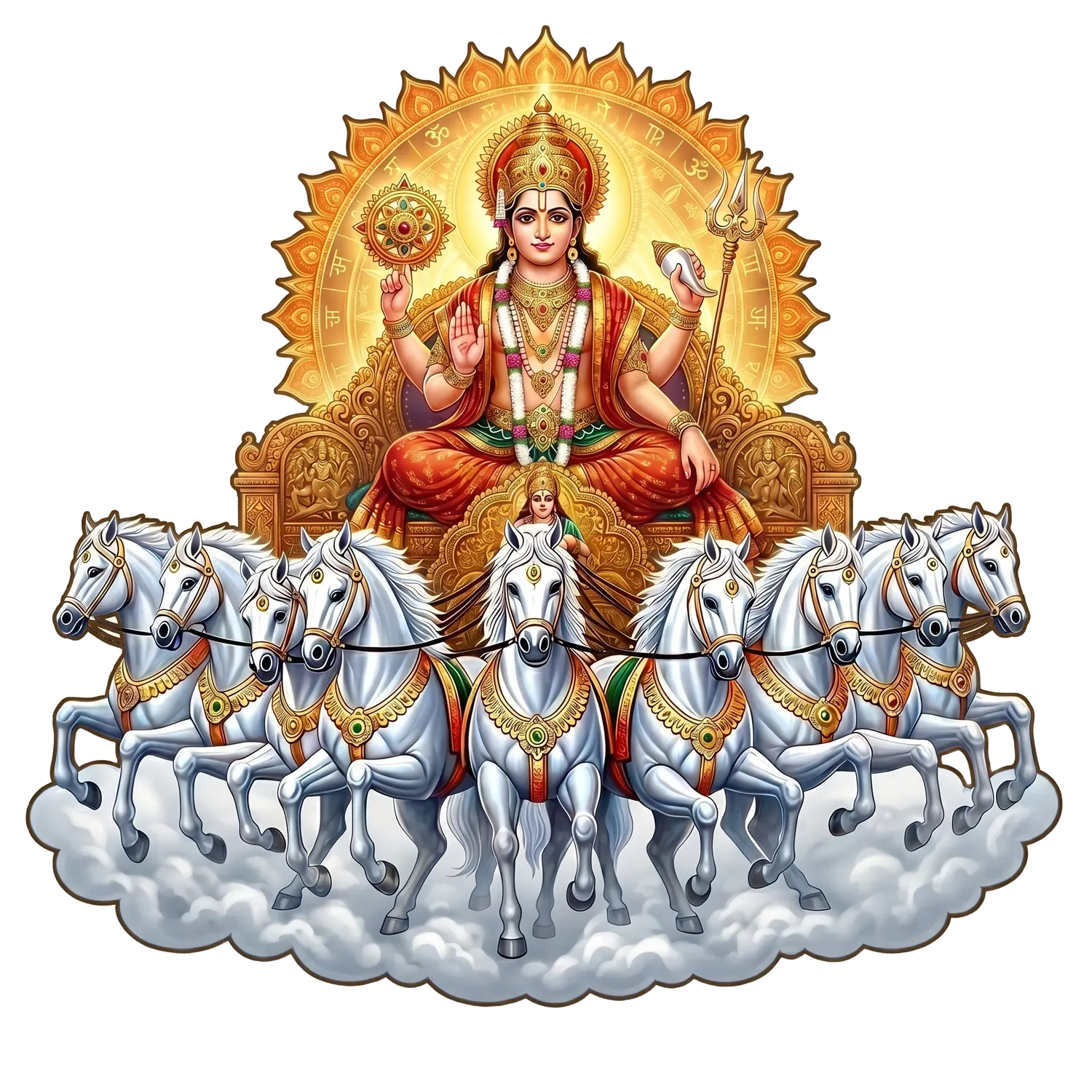
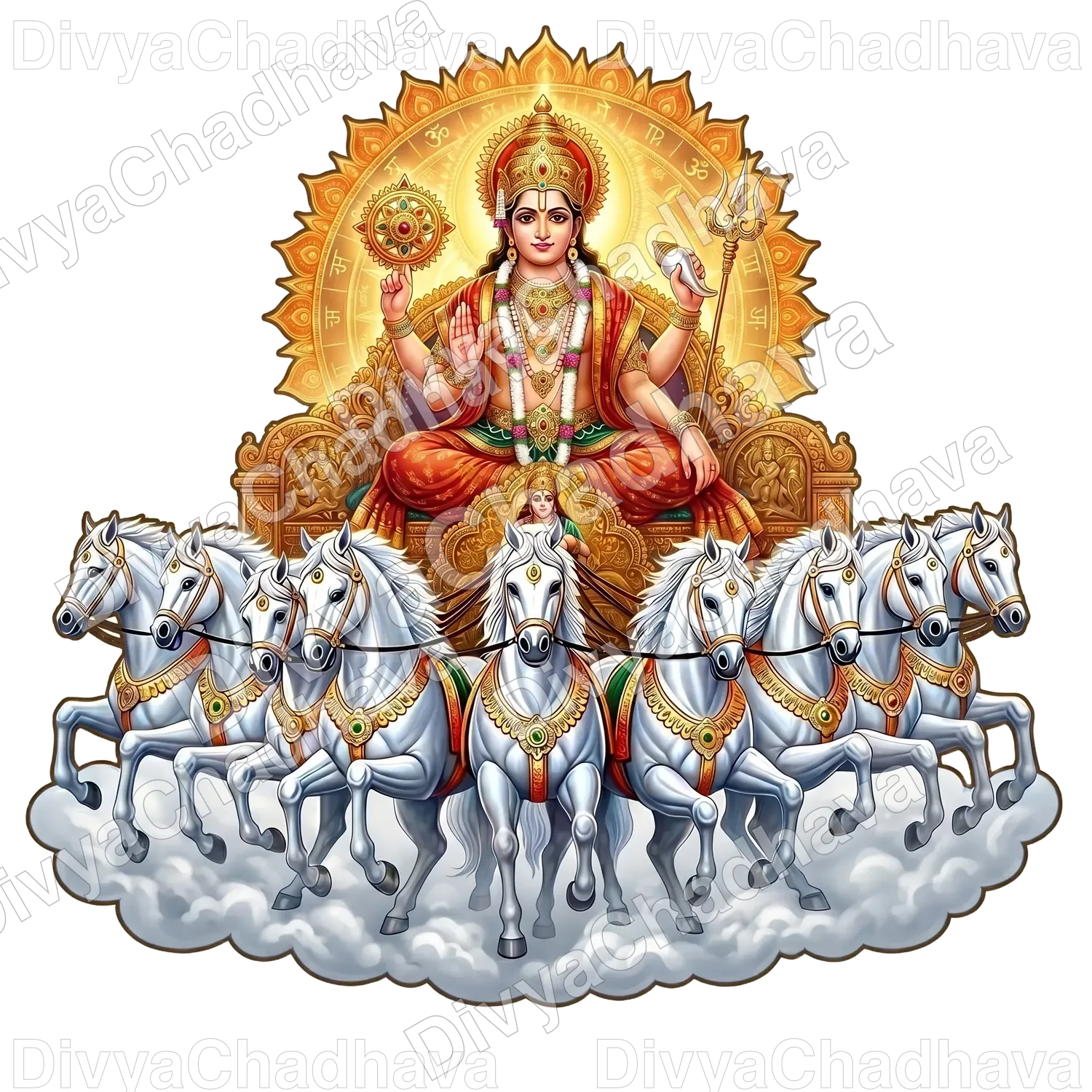
The Gayatri Mantra is considered the most sacred mantra in all of Sanatan Dharma — a prayer not to a specific form or image, but to the Supreme Divine Light (Savitri, the illuminating power of the sun) that awakens wisdom, intellect and righteous understanding in every being. It appears in the Rigveda (3.62.10) and is composed in the Gayatri chhanda (a 24-syllable meter), from which it takes its name. It is revered as the mother of the Vedas and is chanted daily by millions of devotees across the world.
Complete Gayatri Mantra (Devanagari)
ॐ भूर्भुवः स्वः तत्सवितुर्वरेण्यं भर्गो देवस्य धीमहि धियो यो नः प्रचोदयात्॥
Word-by-Word Meaning
Om — the primordial sound, the name of Brahman, the Supreme Reality. Bhur Bhuvah Svah — the three worlds: the physical realm (earth), the subtle/mental realm (atmosphere), and the celestial/causal realm (heaven); together representing the entirety of creation. Tat — that (the Supreme, the Divine). Savitur — of Savitr, the divine light-giver, the radiant power behind the sun that gives life to all. Varenyam — worthy of worship, most excellent, supremely adorable. Bhargo — the radiance, the divine light that burns away sin, ignorance and impurity. Devasya — of that shining, divine one. Dhimahi — we meditate upon, we contemplate, we hold in our awareness. Dhiyo — our intellect, our understanding, our thoughts. Yo — who (that divine light). Nah — our. Prachodayat — may inspire, may awaken, may guide and direct rightly.
Taken as a complete prayer: "We meditate upon the glory of that radiant, adorable divine light (Savitr) who pervades the earth, the atmosphere, and the heavens. May that divine light illumine and guide our intellect toward righteousness and truth." It is fundamentally a prayer for wisdom, clarity and right guidance — not for any specific material outcome, but for the inner light that leads a person naturally toward truth, dharma and liberation.
Why Chant the Gayatri Mantra
The Gayatri Mantra is chanted for the awakening and purification of the intellect (buddhi), for clarity of thought and decision-making, for removing ignorance and negative tendencies of the mind, for strengthening focus and memory, and for overall spiritual upliftment. Because it addresses the Supreme through the symbol of the sun's radiance rather than any single deity's form, it is considered universal and can be chanted by devotees of any sampradaya. It is traditionally taught to children at the sacred thread (Upanayana) ceremony as their first and most important mantra.
How and When to Chant (Jaap Vidhi)
The most auspicious times are the three sandhya periods: early morning before sunrise (Brahma Muhurta), midday, and evening at sunset — these are called the three sandhyas, when the mantra is traditionally chanted facing the sun (or facing east/north if the sun is not visible). Sit in a clean, quiet place after bathing, ideally in Padmasana or any comfortable meditative posture, with the spine straight. The mantra is chanted using a Rudraksha or Tulsi mala of 108 beads. A minimum of one round (108 times) daily is recommended for serious practitioners; even 11 or 21 repetitions with full attention and correct pronunciation are considered valuable for those beginning the practice. It can be chanted silently (manasika japa), in a whisper (upanshu japa), or aloud (vaikhari japa) — silent and whispered repetition are considered more powerful for personal practice.
Dos and Don'ts
Pronounce the mantra correctly and with understanding rather than rushing through it mechanically; if unsure of pronunciation, learn from a teacher or a reliable audio source before committing to daily practice. Maintain cleanliness of body and a calm state of mind before chanting. The Gayatri Mantra is open to sincere devotees of all backgrounds; historical restrictions around caste and gender have no place in genuine spiritual practice today, and the mantra's own purpose — awakening universal wisdom — makes it fundamentally inclusive. Avoid chanting immediately after meals or in an unclean state; a short gap after eating and a bath beforehand are traditionally preferred.
Mahatmya (Glory)
The Gayatri Mantra is called "Ved Mata," the mother of the Vedas, because it is believed to contain the essence of all Vedic knowledge in its twenty-four syllables. Sage Vishwamitra is credited with realizing and transmitting this mantra, which through the ages has been chanted by rishis, householders and seekers alike as the single most universal prayer for wisdom and inner light. It is said that regular, sincere chanting gradually purifies the mind of confusion, fear and negative patterns, revealing the natural clarity and peace that is every soul's true nature.
Frequently Asked Questions
Can anyone chant the Gayatri Mantra, or are there restrictions? Any sincere devotee can chant it with faith and respect. It is a universal prayer for wisdom addressed to the divine light, not restricted to any particular group.
What is the correct number of times to chant it daily? One full mala (108 times) is the traditional daily target, though beginning with 11 or 21 repetitions with correct pronunciation and full attention is perfectly acceptable and beneficial.
Is the Gayatri Mantra the same as the Savitri Mantra? Yes, it is often called the Gayatri-Savitri Mantra because it invokes Savitr, the solar deity of divine radiance, composed in the Gayatri poetic meter — the two names refer to the same sacred verse.
What are the best times to chant the Gayatri Mantra? The three sandhya periods — sunrise, midday, and sunset — are considered most auspicious, with early morning being the most commonly practised time by devotees.
Quick guide
Before you begin
Mantra
Surya mantra
Om Ghrinih Suryaya Namah
Chant at sunrise or during Surya arghya for energy, clarity, and discipline.
Bhav
Benefits devotees pray for
FAQ
Common questions
Can anyone chant the Gayatri Mantra, or are there restrictions?
Any sincere devotee can chant it with faith and respect; it is a universal prayer for wisdom, not restricted to any particular group.
What is the correct number of times to chant it daily?
One full mala (108 times) is the traditional target, though beginning with 11 or 21 repetitions is perfectly acceptable.
Is the Gayatri Mantra the same as the Savitri Mantra?
Yes, both names refer to the same sacred verse invoking Savitr, the solar deity of divine radiance.
What are the best times to chant the Gayatri Mantra?
The three sandhya periods — sunrise, midday and sunset — are considered most auspicious.
Deepen your daily sadhana with Gayatri upasana
Book a puja for wisdom, clarity and spiritual growth guided by Vedic tradition.