
 पक्षिराज गरुड़ नारायण वाहन
Garuda, the mighty eagle-bodied deity, serves as the divine vahana of Lord Vishnu and stands as a timeless symbol of devotion, strength and freedom from bondage.
In the vast pantheon of Sanatan Dharma, few divine beings capture the imagination as vividly as Garuda, the mighty eagle-bodied deity who serves as the vahana, or divine vehicle, of Lord Vishnu, the preserver of the universe. Depicted with the body of a powerful man, the wings, beak and talons of an eagle, and often a golden hue radiating like the sun, Garuda is far more than a mount. He is a deity in his own right, worshipped for strength, protection, victory over obstacles and freedom from all forms of bondage, especially the fear of snakes and poison.
Garuda's birth is described in detail in the Mahabharata, particularly in the Astika Parva of the Adi Parva. He was born to the sage Kashyapa and his wife Vinata, one of the daughters of Daksha Prajapati. Vinata was locked in a bitter rivalry with her co-wife Kadru, the mother of the Nagas or serpents, after losing a wager regarding the colour of the divine horse Uchchaishrava's tail. As a result of this lost wager, Vinata was condemned to servitude under Kadru and her thousand serpent sons. Garuda, upon hatching from his egg with tremendous radiance that at first frightened even the gods who mistook him for Agni, grew into a being of immense power, and vowed to free his mother from this bondage.
To win his mother's freedom, Garuda was tasked by the Nagas with bringing them Amrit, the nectar of immortality, guarded fiercely by Indra and the Devas in the heavens. In one of the most celebrated episodes of the epic, Garuda flew to Swarga, battled the Devas including Indra himself, overcame fire, spinning blades and other divine defences, and successfully seized the pot of Amrit. On his way back, he encountered Lord Vishnu, who was so impressed by Garuda's strength, devotion and righteous cleverness that he offered him a boon. Garuda, in turn, asked to become Vishnu's eternal vahana, positioned even higher than Vishnu himself as a mark of supreme honour, an offer Vishnu graciously granted, placing Garuda atop his own flag and seating him beneath his throne, forever bound in mutual devotion.
Garuda did deliver the Amrit to the Nagas and secured his mother's freedom, but in a final display of divine wit, he ensured the serpents could not truly benefit from the nectar. He placed the pot on a bed of sharp kusha grass and warned the Nagas that whoever drank first would gain the greatest merit. As the serpents rushed toward the pot, Indra swooped down and reclaimed the Amrit before it could be consumed. The serpents, in their haste, only managed to lick the kusha grass on which the pot had rested, which is said to explain why snake tongues remain forked to this day, and why kusha grass is considered sacred, used even now in Hindu rituals.
This mythological rivalry between Garuda and the serpent race explains why Garuda is invoked, to this day, as the great protector against snakebite and poison. Ancient Garuda mantras and Garuda Purana verses are chanted for protection from venomous creatures, and many rural communities across India still call upon Garuda's name in cases of snakebite, alongside seeking medical treatment, as an act of faith and courage. This dimension of Garuda as protector extends symbolically to protection from all forms of poison, whether literal or metaphorical, including the poison of falsehood, fear and negative influences in one's life.
Garuda occupies a prominent place in temple architecture and iconography. In nearly every major Vishnu temple across India, from Tirupati to Puri to countless smaller shrines, a separate shrine or a large image of Garuda, often in a posture of folded hands and deep devotion, faces the main sanctum, positioned as the eternal devotee gazing upon his Lord. This posture of Garuda, hands joined, head slightly bowed, is itself considered a model of ideal devotion, Bhakti so complete that even a being of immense cosmic power chooses humble service over independence.
Garuda is also central to the Garuda Purana, one of the eighteen Maha Puranas, which takes the form of a dialogue between Lord Vishnu and Garuda, covering cosmology, ethics, the afterlife, and the rites performed for departed souls, which is why the Garuda Purana is traditionally recited during the period of mourning following a death in Hindu families, believed to guide the soul on its journey and offer wisdom to the grieving.
Beyond mythology, Garuda carries deep symbolic meaning. His eagle form represents the swiftness of the mind and the soul's capacity to rise above worldly bondage, much as an eagle soars far above the earth. His unwavering devotion to Vishnu, despite his own formidable power, is held up as an example of how true strength finds its highest purpose in surrender to the divine. His victory over the Devas to free his mother speaks to the power of filial love and righteous determination, while his final trick upon the serpents reflects the Hindu ideal that dharma, when pursued with wisdom, ultimately prevails over raw ambition.
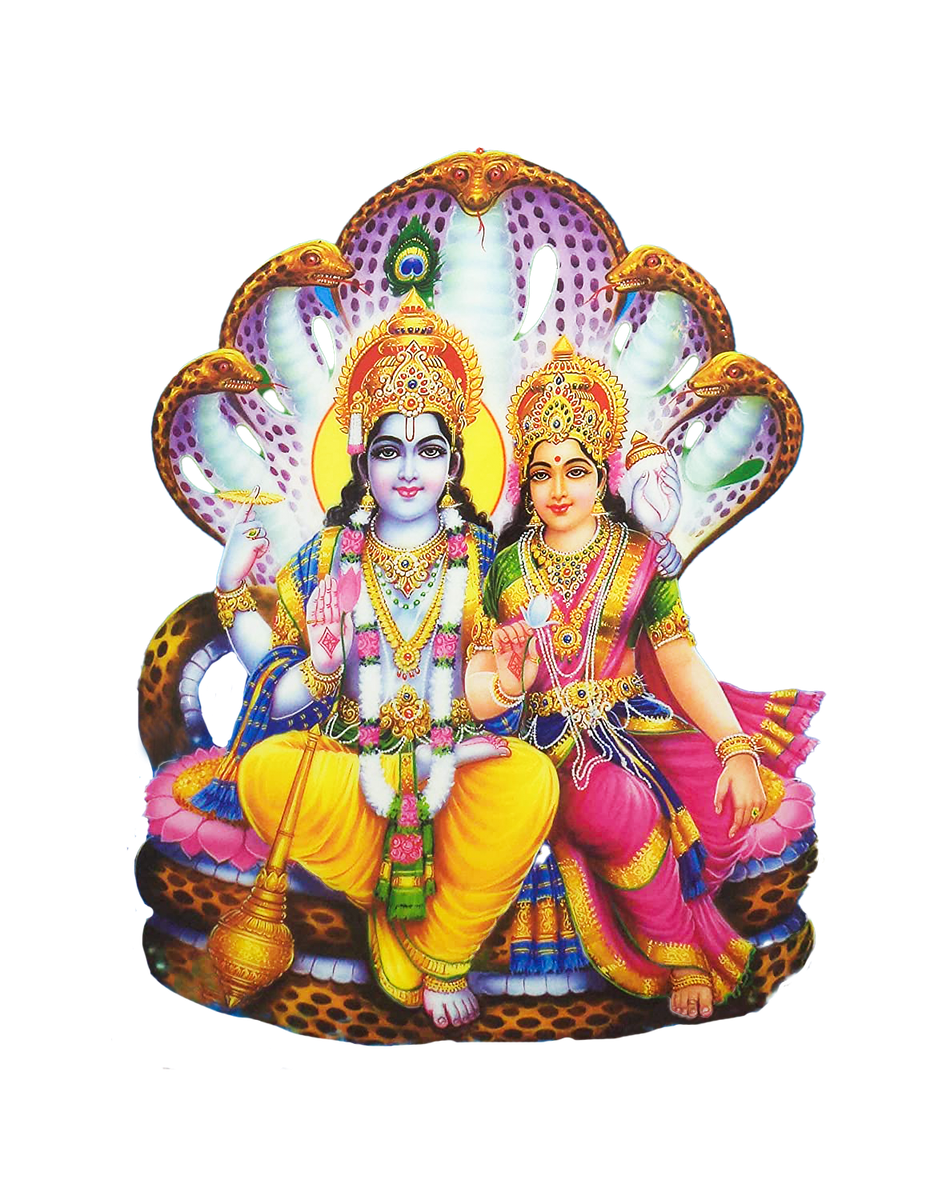
Worship of Garuda is often incorporated into Vishnu puja, with devotees offering prayers to him before approaching the main deity, seeking his blessing to remove obstacles on the path and to be carried, metaphorically, closer to the divine. Some devotees also chant the Garuda Gayatri Mantra or Garuda Stotra for protection, courage and the removal of fear, particularly fear connected to travel, snakes or unseen dangers. To understand Garuda is to understand a deity who, though a vahana in name, stands as one of the most beloved, powerful and devoutly worshipped beings in the entire tapestry of Sanatan Dharma.
Quick guide
Before you begin
Mantra
Vishnu mantra
Om Namo Bhagavate Vasudevaya
Chant before katha or aarti while praying for protection, dharma, and peace.
Bhav
Benefits devotees pray for
FAQ
Common questions
Who is Garuda and why does he carry Lord Vishnu?
Garuda is a divine eagle-bodied being, son of sage Kashyapa and Vinata. After winning Vishnu's admiration through his strength and devotion during his quest for Amrit, he asked to become Vishnu's eternal vahana as the highest honour he could receive.
Why is Garuda considered a protector against snakes?
Garuda's mother, Vinata, was enslaved by the serpent race, the Nagas, and their long rivalry, along with Garuda's victory in securing then reclaiming the Amrit, established him as the great foe and protector against snakes and poison in Hindu tradition.
What is the Garuda Purana?
The Garuda Purana is one of the eighteen Maha Puranas, presented as a dialogue between Lord Vishnu and Garuda. It covers cosmology, ethics and the journey of the soul after death, and is traditionally recited during periods of mourning.
Why is Garuda shown facing Vishnu temples with folded hands?
This posture represents ideal devotion, Bhakti. Despite possessing immense strength, Garuda chooses humble, devoted service to Vishnu, and his image facing the sanctum reminds devotees of the power of surrender to the divine.
Seek Vishnu's Protection and Grace
Book an authentic Vishnu puja to invite courage, protection and divine blessings into your life.