


 भगीरथ प्रयत्नेन गंगावतरणम्
The epic story of King Bhagiratha's relentless penance that brought the celestial river Ganga down to earth through Lord Shiva's matted locks to liberate his ancestors.
What Is Ganga Dussehra
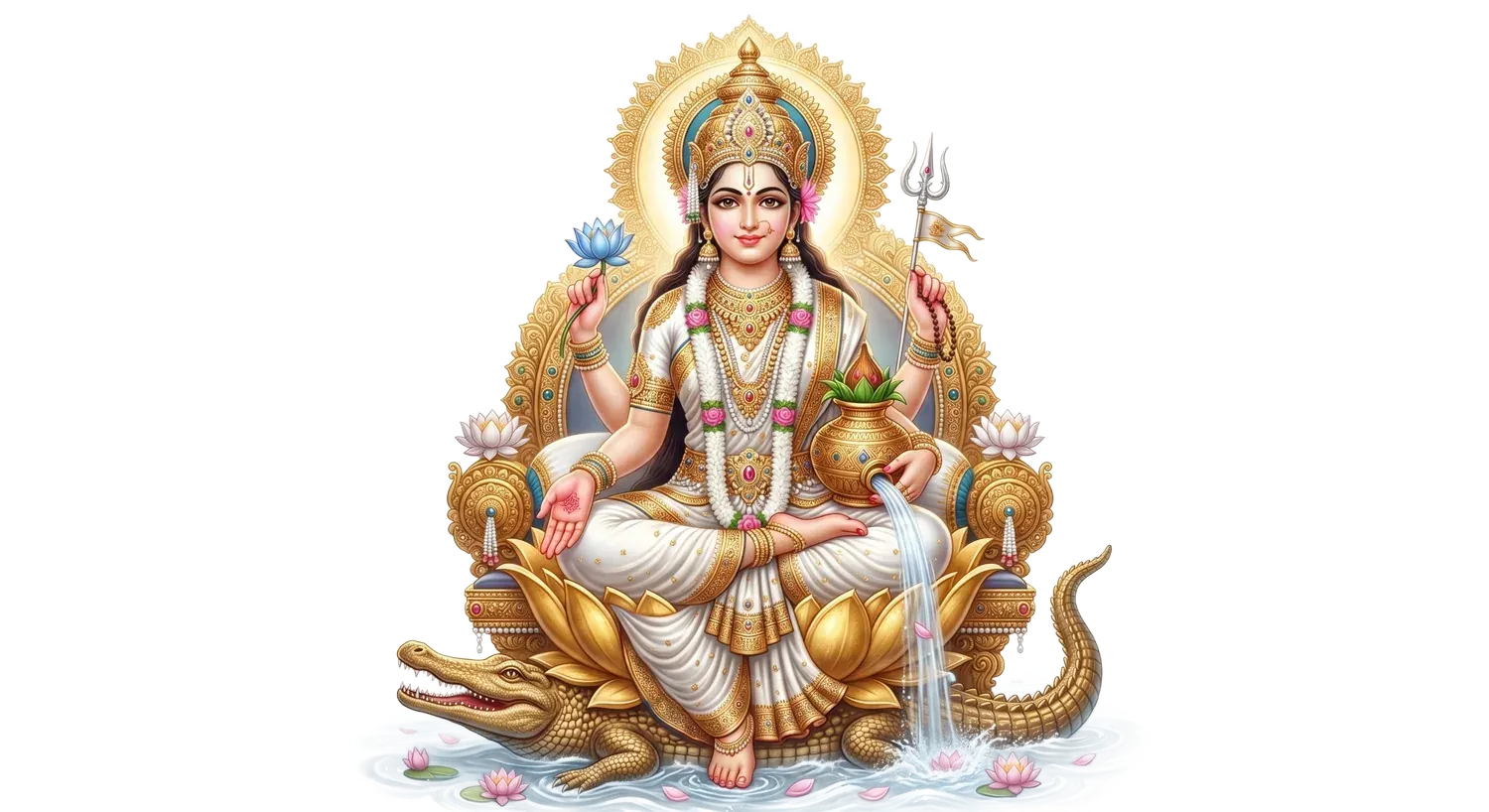
Ganga Dussehra is celebrated on the Dashami (tenth day) of the bright fortnight (Shukla Paksha) of the month of Jyeshtha, usually in May or June, marking the day the sacred river Ganga is believed to have descended from the heavens to the earth. The word Dussehra here comes from Dasha-hara, meaning the remover of ten sins - bathing in the Ganga on this day is believed to wash away ten types of sins of body, speech and mind. It is one of the most sacred days for devotees at Haridwar, Rishikesh, Varanasi, Prayagraj and along the entire course of the river.
The Katha - How Ganga Came to Earth
The story begins many generations before Lord Rama, with the illustrious king Sagara of the Ikshvaku dynasty, an ancestor of Rama. King Sagara performed a hundred Ashwamedha yagnas (horse sacrifices) to establish his supremacy, but each time, the sacrificial horse for his hundredth yagna was stolen by Indra, the king of the devas, who feared Sagara's growing power. Sagara sent his sixty thousand sons, born of his second queen, to search the entire earth for the horse.
The princes dug deep into the earth in their search and eventually reached the nether world (Patala), where they found the horse tied near the ashram of the great sage Kapila Muni, who was deep in meditation. Believing the sage to be the thief, the arrogant princes rushed at him with weapons and hurled insults. Disturbed from his deep meditation and angered by their disrespect, sage Kapila opened his eyes, and the fire of his gaze instantly reduced all sixty thousand princes to ashes, cursing that their souls would remain trapped, unable to attain liberation, until the celestial Ganga herself descended to earth and her sacred waters touched their ashes.
Generations passed. King Sagara's dynasty continued, but no descendant was able to fulfil the condition of the curse. Eventually, King Bhagiratha, a descendant several generations later, learned of his ancestors' fate and resolved to bring Ganga down from the heavens to liberate their souls. He renounced his throne and undertook the most severe penance (tapasya) for many years, standing on one leg, surviving only on air, entirely focused on Brahma, the creator, praying for the descent of Ganga.
Pleased with his unwavering devotion, Lord Brahma appeared before Bhagiratha and agreed to release Ganga from the heavens. But there arose a great problem: the sheer force of Ganga's descent from the celestial realms was so immense that the earth would be unable to bear it and would be shattered upon her fall. Brahma advised Bhagiratha that only Lord Shiva possessed the power to safely receive Ganga's descent.
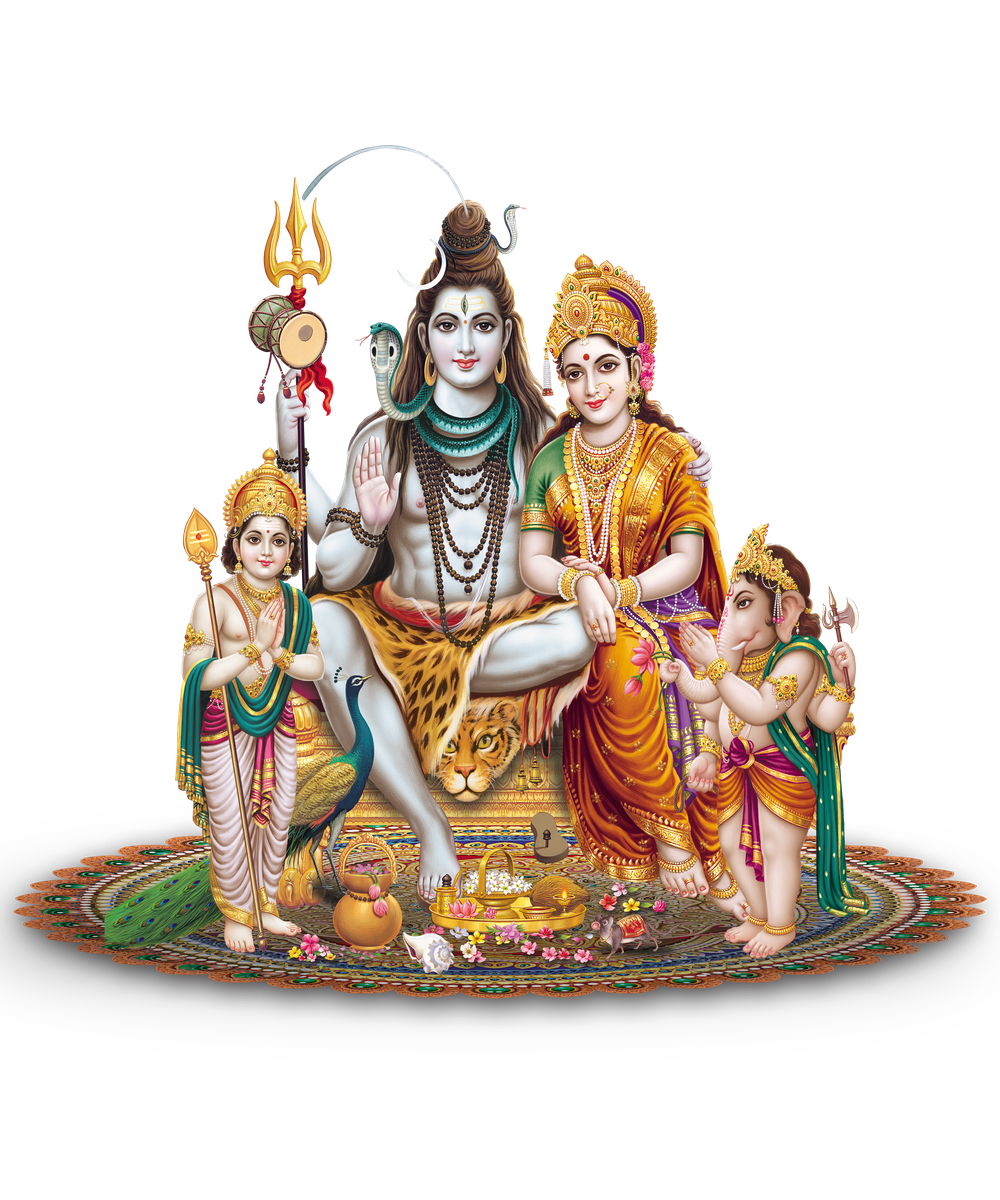
Undeterred, Bhagiratha then turned his penance towards Lord Shiva, praying with equal intensity for many more years. Moved by his devotion, Shiva agreed to receive the mighty river in his matted locks (jata) to break the force of her fall. When Ganga descended from the heavens in her full celestial glory and might, so proud and powerful was her flow that she meant to sweep away the very earth in her force. Lord Shiva, in his infinite compassion and to humble her pride, caught her entirely within the labyrinth of his jata, and Ganga wandered lost for what felt like years within the tangled locks of Shiva, unable to find her way out, her pride finally subdued.
Bhagiratha, seeing that Ganga had disappeared into Shiva's hair and had not reached the earth, resumed his penance yet again, praying to Shiva to release her. Pleased once more, Shiva released a single gentle stream of Ganga from his locks into the lake Bindu Sarovar, from where she divided into seven sacred streams. Bhagiratha then led Ganga across the earth, guiding her all the way to Patala, the nether world, where her waters finally touched the ashes of King Sagara's sixty thousand sons - and at that very instant, freed from Kapila's curse, their souls attained moksha, liberation, and ascended to the heavens.
Because it was Bhagiratha's relentless effort across three generations of his dynasty that finally brought Ganga to earth, the river came to be known also as Bhagirathi, and the term Bhagirath Prayatna is still used in Indian culture to describe an extraordinary, near-impossible effort undertaken with total dedication.
Significance of Ganga Dussehra
Ganga Dussehra is celebrated as the day Ganga's waters first touched the earth. It teaches that sustained, sincere effort - even across generations - can overcome the greatest obstacles, and that Ganga's descent was ultimately an act of divine grace responding to unwavering devotion and penance. The river Ganga is worshipped on this day as Mother Ganga, the purifier of all sin, and bathing in her waters, or symbolically in any sacred water source while remembering her, is believed to cleanse the ten sins of body (three), speech (four) and mind (three).
Vidhi - How to Observe Ganga Dussehra
Devotees ideally bathe in the Ganga itself, or in any river, or at home with water in which a few drops of Ganga jal have been mixed, while chanting Ganga mantras such as Om Namah Shivaya or Om Ganga Devyai Namah. Offerings of flowers, milk, sweets and diyas are made to the river, and ten specific items are often donated - such as fruits, umbrellas, footwear, fans and grains - symbolising the removal of the ten sins. Many devotees also recite the Ganga Stotra or Ganga Aarti and perform charity (daan) in honour of the day.
Frequently Asked Questions
When does Ganga Dussehra fall: On the Dashami of Jyeshtha Shukla Paksha, usually in May or June.
Who brought Ganga to earth: King Bhagiratha, through generations of penance, first to Lord Brahma and then to Lord Shiva, who broke her fall in his jata.
Why did Shiva catch Ganga in his hair: Because the force of her descent from the heavens would have shattered the earth; Shiva's jata absorbed and gentled her flow.
What does bathing in the Ganga on this day signify: It is believed to wash away ten types of sin of body, speech and mind, which is the origin of the name Dussehra (Dasha-hara).
Quick guide
Before you begin
Mantra
Ganga mantra
Om Gange Namah
Chant while praying for purity, forgiveness, and inner cleansing.
Bhav
Benefits devotees pray for
FAQ
Common questions
When does Ganga Dussehra fall?
On the Dashami of Jyeshtha Shukla Paksha, usually in May or June.
Who brought Ganga to earth?
King Bhagiratha, through generations of penance, first to Brahma and then to Shiva, who broke her descent in his jata.
Why did Shiva catch Ganga in his hair?
Because her descent from heaven would have shattered the earth; Shiva's jata absorbed and gentled her flow.
What does bathing in the Ganga signify on this day?
It washes away ten types of sin of body, speech and mind, the origin of the name Dussehra.
Offer a Ganga & Pitru Puja
Let our pandits perform a Ganga puja and pitru tarpan on your behalf on Ganga Dussehra, invoking Mother Ganga's grace for your family and ancestors.