 ॐ नमो भगवते वासुदेवाय
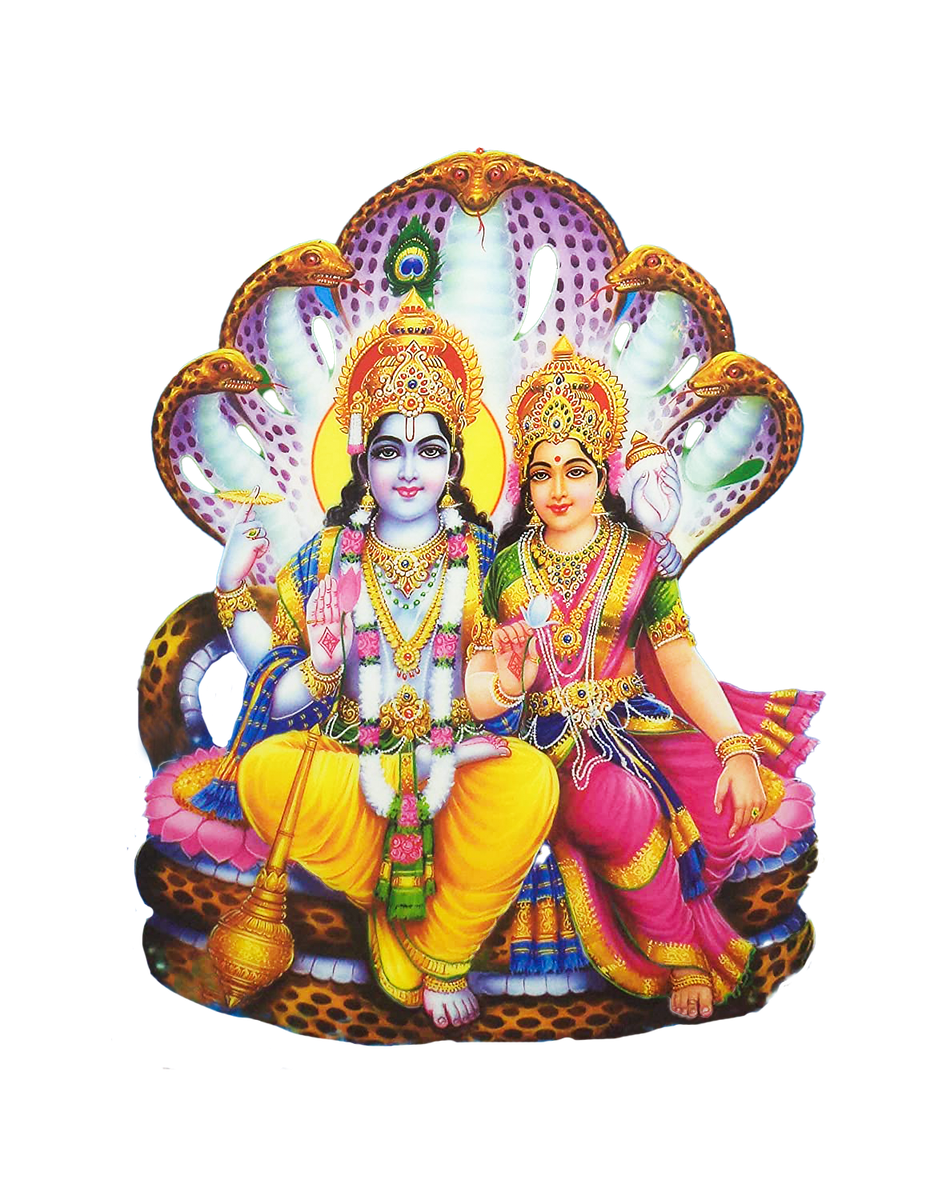
Devshayani Ekadashi, falling on Ashadh Shukla Ekadashi, marks the beginning of Chaturmas when Lord Vishnu goes into his four-month yoga nidra upon Sheshnag in the Kshirsagar.
What Is Devshayani Ekadashi
Devshayani Ekadashi, also called Hari Shayani Ekadashi or Padma Ekadashi, is observed on the eleventh day (Ekadashi) of the bright half (Shukla Paksha) of the Hindu month of Ashadh, usually falling in June or July. Deva means god, shayani means sleeping, and this Ekadashi marks the day on which Lord Vishnu, the preserver of the universe, withdraws into a four-month period of cosmic yoga nidra, divine sleep, upon the great serpent Sheshnag in the Kshirsagar, the ocean of milk.
This day begins the sacred period known as Chaturmas, the four holy months during which many auspicious ceremonies such as marriages, upanayan sanskars, and griha pravesh are traditionally paused until Lord Vishnu awakens on Devutthana Ekadashi in the month of Kartik. Chaturmas is instead observed as a season of intensified spiritual practice, fasting, pilgrimage, and study.
The Katha of Devshayani Ekadashi
The Padma Purana and Brahma Vaivarta Purana recount the story behind this sacred day through King Mandhata, a righteous and devout ruler of the Ikshvaku dynasty who governed his kingdom with complete dharma. Despite his good governance, his kingdom was struck by a severe famine that lasted three years, bringing terrible suffering to his people, drying up the rivers, and leaving the land barren.
Distressed at the plight of his subjects, King Mandhata went into the forest in search of a solution and came upon the ashram of the sage Angira. He bowed before the sage and asked how a kingdom ruled with such devotion to dharma could suffer such calamity, and how he might relieve his people's suffering. The sage Angira explained that in the Satya Yuga, only Brahmins were permitted to perform certain religious observances and rituals, but that in this king's realm, a Shudra had been performing tapasya and religious rites not sanctioned for his varna according to the rules of that age, and this transgression of dharma had brought divine displeasure upon the land in the form of the great famine.
Sage Angira then instructed the king that the remedy lay not in punishment but in devotion. He told Mandhata that if he and his subjects observed the vrat of Devshayani Ekadashi, falling on the eleventh day of the bright half of Ashadh, with full faith and sincerity, worshipping Lord Vishnu and keeping a complete fast, the drought would end and prosperity would return to the kingdom. King Mandhata returned to his kingdom, announced the observance of this Ekadashi to all his subjects, and together the entire kingdom kept the vrat with devotion.
As the sage had promised, the rains returned in abundance shortly after the vrat was observed, the famine ended, the rivers filled once more, and the kingdom flourished again under Lord Vishnu's grace. From that day, Devshayani Ekadashi became known as a vrat of immense power, capable of ending even the gravest calamities when observed with true devotion, and it was established as the day marking the beginning of Lord Vishnu's cosmic rest.
Why Lord Vishnu's Sleep Matters
The scriptures describe this period not as literal inactivity but as a symbolic and cosmic withdrawal, a time when Vishnu's direct governance of creation gives way to the responsibility of devotees themselves to uphold dharma through their own conduct and worship. During these four months, Lord Shiva is said to take on greater responsibility for the world's welfare, which is one reason Shravan month, dedicated to Shiva, falls within Chaturmas. It is also the monsoon season in India, when travel was traditionally difficult, so the tradition of pausing worldly ceremonies and turning toward spiritual practice, fasting, and scriptural study aligned naturally with agricultural and seasonal rhythms.
Puja Vidhi and Fasting Rules
Devotees who observe Devshayani Ekadashi begin preparations on Dashami, the day before, by eating a single simple meal and avoiding certain grains. On Ekadashi morning, they bathe early, wear clean clothes, and set up a puja for Lord Vishnu, often in his form as Padmanabha, offering yellow flowers, tulsi leaves, fruits, and a diya of ghee. The Vishnu Sahasranama, the Vishnu Chalisa, or the story of this Ekadashi is read or listened to during the day.
A complete fast, nirjala or phalahari according to one's capacity and health, is observed, avoiding rice and grains entirely and taking only fruits, milk, and water if a strict fast is not possible. The fast is broken the next day, Dwadashi, at the prescribed time after worship, following the general Ekadashi rule of never breaking the fast on Ekadashi itself. Many devotees also use this day to resolve their Chaturmas sankalp, a vow to observe some additional discipline, whether in diet, speech, or daily practice, for the following four months.
Benefits and Mahatmya
Devshayani Ekadashi vrat is described in the Puranas as removing sins accumulated over lifetimes, granting freedom from the cycle of birth and death, and bestowing prosperity, health, and family harmony upon sincere observers, as illustrated in the katha of King Mandhata whose kingdom was freed from famine through this very vrat. It is considered one of the most important of the twenty-four Ekadashis in the year, marking as it does both a fast of great personal merit and the beginning of the sacred Chaturmas season of collective spiritual discipline.
FAQ
Answered below are the questions devotees most often ask about Devshayani Ekadashi.
Quick guide
Before you begin
Mantra
Vishnu mantra
Om Namo Bhagavate Vasudevaya
Chant before katha or aarti while praying for protection, dharma, and peace.
Bhav
Benefits devotees pray for
FAQ
Common questions
What does Devshayani Ekadashi signify?
It marks the day Lord Vishnu enters his four-month cosmic yoga nidra upon Sheshnag in the Kshirsagar, beginning Chaturmas, during which auspicious ceremonies pause and spiritual practice intensifies.
Why does the katha involve King Mandhata and a famine?
The katha shows that a righteous king's kingdom suffered famine due to a dharma transgression by a subject, and observing Devshayani Ekadashi vrat with full devotion ended the drought, illustrating the vrat's power to remove even severe calamities.
Are marriages and other ceremonies stopped during Chaturmas?
Yes, traditionally, auspicious ceremonies like marriages, upanayan, and griha pravesh are paused during the four months of Chaturmas and resume after Devutthana Ekadashi in Kartik month.
What is the correct way to break the Devshayani Ekadashi fast?
The fast should never be broken on Ekadashi itself. It is broken the following day, Dwadashi, at the prescribed time after completing the morning puja.
Begin Chaturmas with a Vishnu Puja
Let our pandits perform a dedicated Vishnu puja in your name and gotra on Devshayani Ekadashi to invite prosperity and blessings for the season ahead.