
 जय भगवान
A complete guide to the Char Dham pilgrimage - Badrinath, Dwarka, Puri and Rameshwaram - their significance, stories, and how to prepare for the journey.
Char Dham, meaning the "Four Abodes", refers to four of the most sacred pilgrimage sites in Sanatan Dharma, established according to tradition by Adi Shankaracharya in the eighth century to unify Hindu spiritual geography across the four directions of India. The Char Dham are Badrinath in the north, Dwarka in the west, Puri in the east, and Rameshwaram in the south. Completing this yatra is considered one of the most sacred acts a devotee can undertake, believed to cleanse the soul and open the path toward moksha.
It is important to note that the Himalayan "Chota Char Dham" of Uttarakhand - Yamunotri, Gangotri, Kedarnath and Badrinath - is a separate, smaller circuit devotees often complete first, while the original Char Dham established by Adi Shankaracharya spans the entire subcontinent.
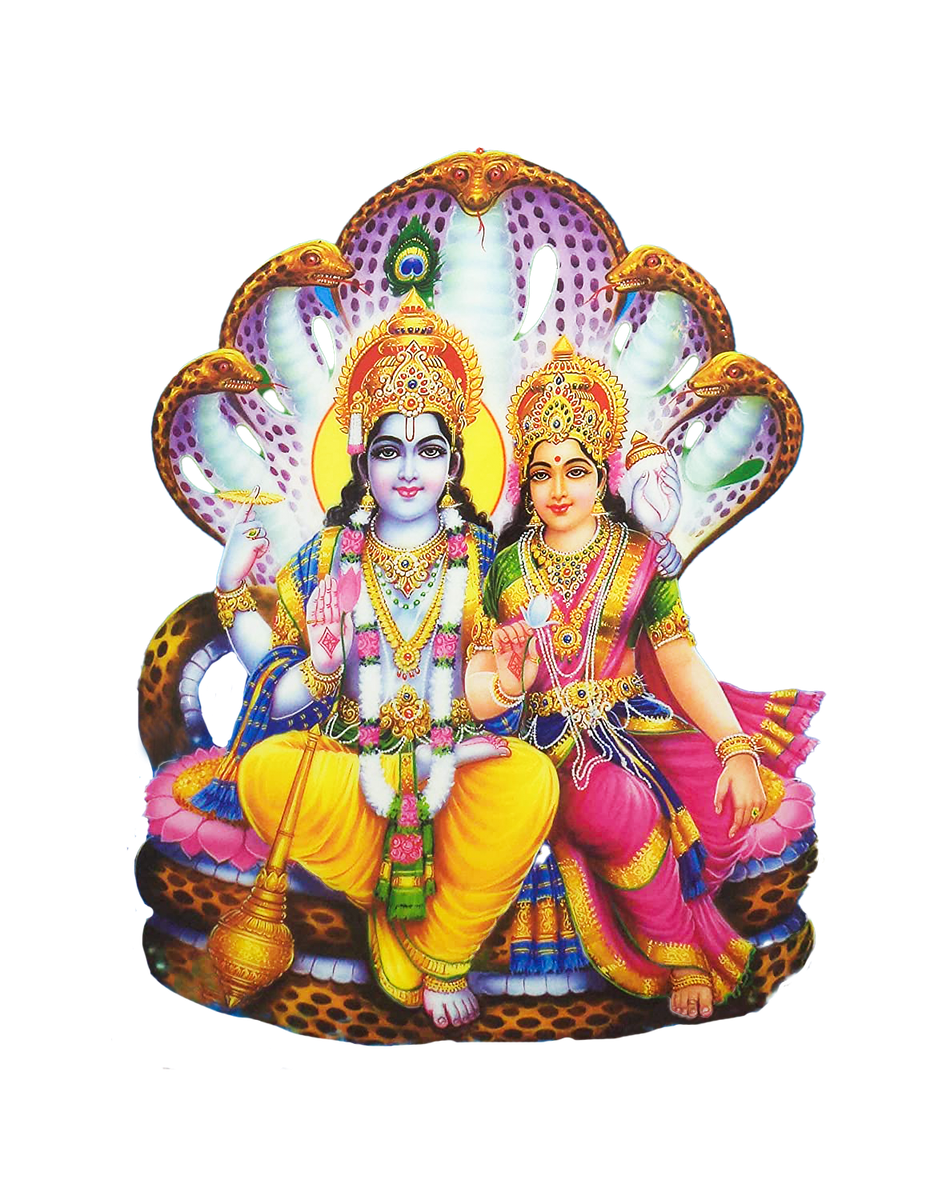
Badrinath, Uttarakhand Badrinath Dham, dedicated to Lord Vishnu in His form as Badrinarayan, sits in the Garhwal Himalayas beside the Alaknanda river. Legend holds that Vishnu performed penance here under a badri (berry) tree, with Goddess Lakshmi shielding Him from the harsh elements by taking the form of the tree itself - hence the name Badrinath. It is also one of the 108 Divya Desams sacred to Vaishnavites. The temple opens only for about six months a year, from around late April/May to November, as the region is snowbound in winter.
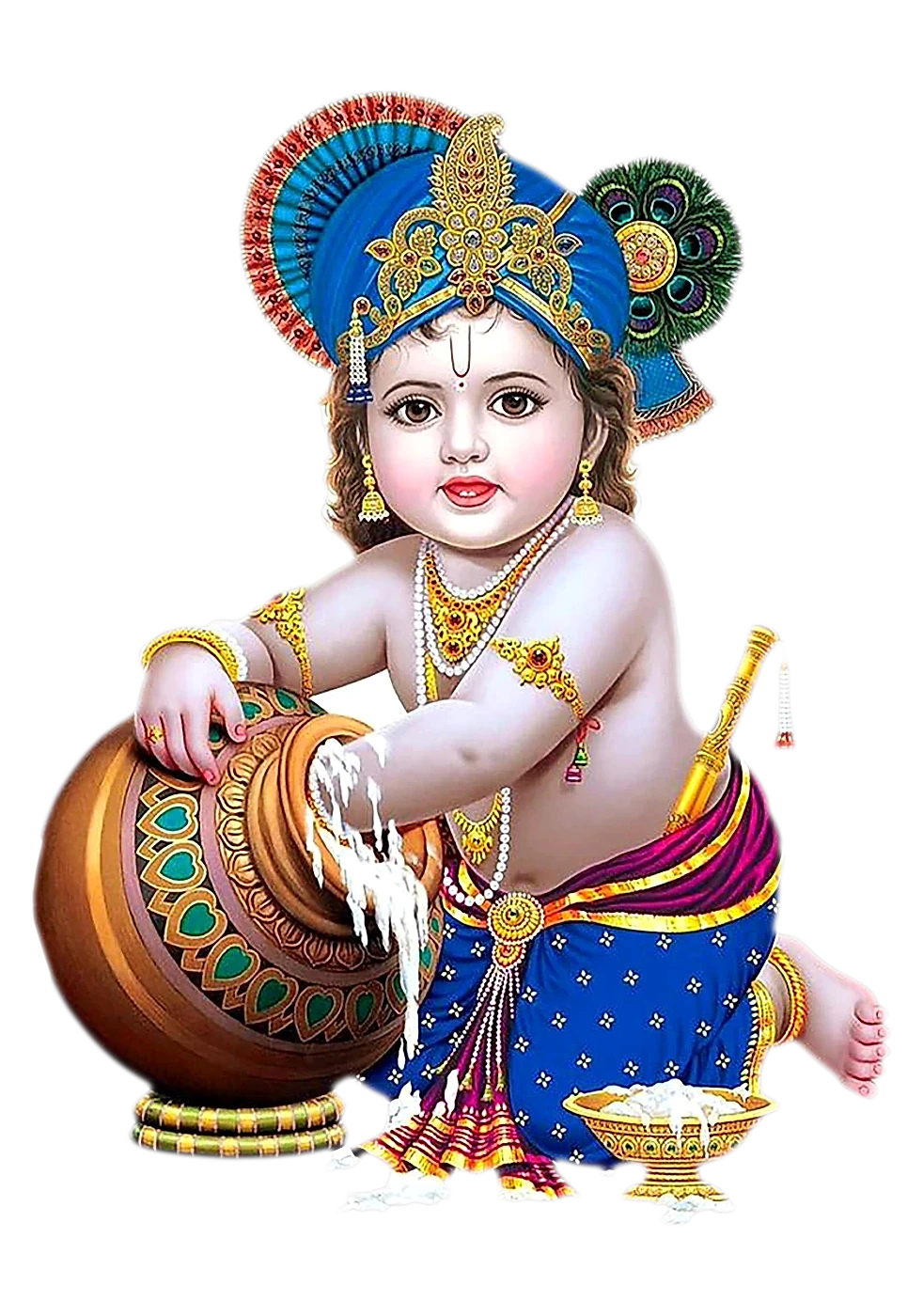
Dwarka, Gujarat Dwarka on the western coast of Gujarat was the kingdom that Lord Krishna built and ruled after leaving Mathura. It is described in scriptures as a magnificent city that later submerged into the sea. The present Dwarkadhish temple, dedicated to Krishna as the king of Dwarka, stands near the shore, and pilgrims also visit the site believed to be the original submerged city. Dwarka is deeply tied to the Bhagavata Purana and Krishna's later life as a righteous ruler and statesman.
Puri, Odisha Home to the Jagannath Temple, Puri in the east is where Lord Krishna is worshipped in His unique form as Jagannath, Lord of the Universe, alongside His siblings Balabhadra and Subhadra. The temple is famed worldwide for the annual Rath Yatra, when the deities are taken out in massive chariots through the streets, allowing every devotee, regardless of caste or status, direct darshan. Puri is also one of the Sapta Puri, the seven cities that grant moksha.
Rameshwaram, Tamil Nadu At the southern tip of India, Rameshwaram is where Lord Rama is believed to have built a bridge (Ram Setu) to cross into Lanka to rescue Sita Mata. Before crossing, Rama is said to have worshipped Lord Shiva here to seek His blessings and atone for the impending war, installing a Shiva linga with the help of Hanuman. Rameshwaram therefore uniquely connects both Vaishnav and Shaiva traditions, and is also one of the twelve Jyotirlingas.
Why the Four Directions Matter
Adi Shankaracharya's vision in establishing one dham in each cardinal direction was to weave the length and breadth of Bharat into a single thread of devotion, ensuring every region of the country had a direct connection to divine geography. Completing the yatra symbolically means encircling the entire sacred landmass of India in reverence.
Best Time to Undertake Char Dham Yatra
Badrinath is accessible only between late April/May and October/November due to Himalayan snow. Dwarka, Puri and Rameshwaram can be visited year-round, though the cooler months of October to March are generally more comfortable for travel, except during major festivals like Rath Yatra in Puri when the crowds are immense but the spiritual energy is unmatched.
How Devotees Prepare
Traditionally, devotees observe some form of simplicity before and during the yatra - avoiding non-vegetarian food and alcohol, maintaining cleanliness, and keeping the mind focused on bhakti rather than sightseeing alone. Many begin the journey with a sankalp (a vow of intention) stating the purpose of the pilgrimage, and perform puja or seek blessings at each dham with full devotion.
A Path for Those Who Cannot Travel Yet
For devotees whose life circumstances - health, finances, distance, or time - do not currently permit the physical Char Dham Yatra, tradition offers comfort: sincere devotion offered from home, remembering these four dhams with faith, chanting their names, or arranging puja and chadhava in their honour, is believed to still carry the devotee's prayers to the divine.
Frequently Asked Questions
What is the difference between Char Dham and Chota Char Dham? The original Char Dham (Badrinath, Dwarka, Puri, Rameshwaram) spans all of India and was established by Adi Shankaracharya. The Chota Char Dham (Yamunotri, Gangotri, Kedarnath, Badrinath) is a separate Himalayan circuit within Uttarakhand.
Which dham is dedicated to which deity? Badrinath and Dwarka are Vishnu/Krishna dedicated, Puri worships Krishna as Jagannath, and Rameshwaram, though a Shiva Jyotirlinga, is deeply connected to Lord Rama, a Vishnu avatar - making the circuit primarily Vaishnav with a unique Shaiva connection at Rameshwaram.
How long does the full Char Dham Yatra take? Covering all four dhams across India typically takes two to three weeks if done in one continuous journey, though many devotees complete it over multiple trips across years.
Is the yatra physically demanding? Badrinath involves high-altitude travel; the other three dhams are more accessible, though travel across India's length and breadth requires planning and stamina.
Quick guide
Before you begin
Mantra
Vishnu mantra
Om Namo Bhagavate Vasudevaya
Chant before katha or aarti while praying for protection, dharma, and peace.
Bhav
Benefits devotees pray for
FAQ
Common questions
What is the difference between Char Dham and Chota Char Dham?
The original Char Dham spans all of India (Badrinath, Dwarka, Puri, Rameshwaram) established by Adi Shankaracharya. The Chota Char Dham is a separate Himalayan circuit within Uttarakhand.
Which dham is dedicated to which deity?
Badrinath and Dwarka to Vishnu/Krishna, Puri to Krishna as Jagannath, and Rameshwaram, a Shiva Jyotirlinga, is deeply linked to Lord Rama.
How long does the full Char Dham Yatra take?
Typically two to three weeks in one continuous journey, though many devotees complete it over multiple trips.
Is the yatra physically demanding?
Badrinath involves high-altitude travel; the other three dhams are more accessible but require planning across India's length and breadth.
Can't Travel Right Now? Connect From Home
Offer heartfelt puja and chadhava in honour of the Char Dham deities, performed by qualified pandits with your personal sankalp.