
 बुद्धं शरणं गच्छामि
Buddha Purnima marks the birth, enlightenment and mahaparinirvana of Bhagwan Buddha, revered by Sanatanis as an avatar of Bhagwan Vishnu.
Buddha Purnima, also known as Buddha Jayanti or Vesak, is one of the most sacred days in the Hindu and Buddhist calendars. It falls on the full moon day (Purnima) of the Vaishakh month, and it is unique because it commemorates three of the most important events in the life of Bhagwan Buddha on a single day: his birth, his attainment of enlightenment (Bodhi) under the Bodhi tree at Bodh Gaya, and his final departure from the earthly body, known as Mahaparinirvana.
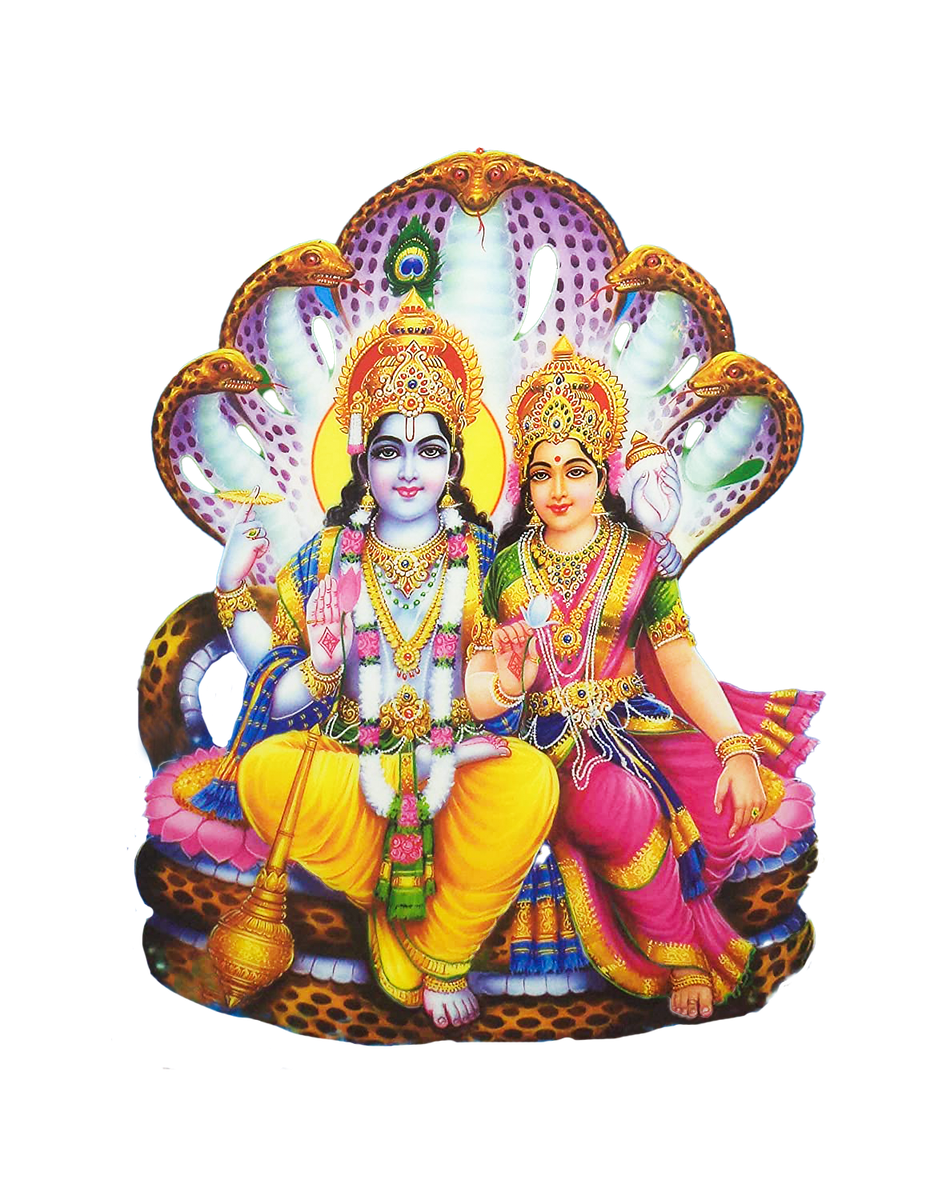
In Sanatan Dharma, Bhagwan Buddha is revered as the ninth avatar of Bhagwan Vishnu, born to guide humanity away from violence, excess ritualism and ignorance, and towards compassion, truth and inner peace. The Dashavatara stotras of many traditions include Buddha alongside Matsya, Kurma, Varaha, Narasimha, Vamana, Parashuram, Ram and Krishna, with Kalki yet to come. This is why Buddha Purnima is celebrated with great devotion not only by Buddhists but also by countless Hindu households across India.
Why Vaishakh Purnima
According to the Buddhist tradition itself, Siddhartha Gautam was born in 623 BCE (traditional dating varies) in Lumbini, in the Shakya clan, to King Shuddhodhana and Queen Mahamaya, on the full moon night of Vaishakh. Years later, after leaving his palace in search of the truth about suffering, he attained enlightenment under the peepal tree (Bodhi Vriksha) at Bodh Gaya, again on a Vaishakh Purnima. And at the age of eighty, he attained Mahaparinirvana at Kushinagar, once again on the same tithi. Because these three momentous events converge on one date, Vaishakh Purnima became eternally sacred, and is honoured as Buddha Purnima.
The Story of Siddhartha's Awakening
When Queen Mahamaya was pregnant, she dreamt of a white elephant entering her womb, a sign interpreted by sages as the coming of a great soul. Siddhartha was born in the Lumbini garden, and it is said that he took seven steps immediately after birth, declaring his purpose to end suffering in the world.
Raised in luxury within the palace, shielded from the sorrows of life, Siddhartha nonetheless grew restless. On four fateful outings from the palace, he witnessed an old man, a sick man, a corpse being carried for cremation, and finally a wandering ascetic at peace despite having nothing. These four sights, known as the Char Drishya, shook him deeply and convinced him that all worldly pleasure is temporary, and that suffering (dukkha) is universal.
At the age of twenty-nine, Siddhartha left his wife Yashodhara, his newborn son Rahul, and the comforts of the palace, in search of the truth. This act is remembered as the Mahabhinishkramana, the Great Renunciation. He wandered for years, practising extreme austerities under various teachers, even starving himself almost to death, before realising that neither indulgence nor extreme self-denial leads to liberation. He then chose the Madhyama Marga, the Middle Path.
Sitting beneath a peepal tree on the banks of the Niranjana river at Bodh Gaya, he vowed not to rise until he attained the truth. After many days of deep meditation, resisting the temptations and fears sent by Mara, he attained supreme enlightenment (Sambodhi) and became the Buddha, "the awakened one." From this moment, he began teaching the Four Noble Truths and the Eightfold Path to guide beings out of the cycle of suffering.
At the age of eighty, in Kushinagar, lying between two Sal trees, Buddha attained Mahaparinirvana, the final liberation beyond the cycle of birth and death, again on the full moon of Vaishakh.
Buddha as an Avatar of Vishnu
In several Puranas, including references found in the Bhagavata Purana and later Vaishnava tradition, Buddha is listed among the ten avatars of Bhagwan Vishnu. He is described as having taken birth to draw people away from the misuse of Vedic rituals for violent ends, particularly animal sacrifice performed without true understanding, and to re-establish compassion (ahimsa) and inner discipline as the highest dharma. In this way, Sanatan Dharma does not see Buddha as separate from its own spiritual current, but as a compassionate return of the Divine to correct the path of humanity, exactly as Vishnu is believed to descend in every age when dharma declines.
How Buddha Purnima is Observed
Devotees rise before sunrise and take a holy bath, often in a river, before offering prayers to the rising sun and to Bhagwan Buddha. Many observe a fast (vrat) through the day, taking only fruits or a simple satvik meal in the evening. Homes and temples are cleaned and decorated, and lamps are lit at dusk in memory of the light of wisdom that Buddha brought to the world.
Devotees visit Buddha temples and Vishnu temples, offer white flowers, milk and incense, and recite the Buddham Sharanam Gachhami, Dhammam Sharanam Gachhami, Sangham Sharanam Gachhami, the threefold refuge chant. Charity (daan) is considered especially meritorious on this day — feeding the poor, giving clothes, water and grains to those in need, and freeing caged birds are traditional acts of compassion performed in Buddha's memory.
At many places, especially Bodh Gaya, Sarnath, Kushinagar and Lumbini, large gatherings, processions and all-night prayers take place, with the reading of Buddhist scriptures and stories from Buddha's life.
Simple Puja Vidhi at Home
On the morning of Buddha Purnima, bathe and wear clean clothes. Place a picture or idol of Bhagwan Buddha, or of Bhagwan Vishnu, on a clean cloth. Light a diya and incense. Offer white or fragrant flowers, a little milk, and fruits. Meditate quietly for a few minutes, reflecting on compassion, non-violence and letting go of attachment. Chant "Om Namo Bhagavate Buddhaya" or the threefold refuge mantra a few times with a calm mind. In the evening, perform a small aarti with a diya, and conclude the day by donating food or essentials to someone in need.
The Teaching at the Heart of the Day
The essence of Buddha Purnima is not merely ritual but reflection. Buddha's core teachings — the Four Noble Truths (life involves suffering, suffering has a cause, suffering can end, and there is a path to end it) and the Eightfold Path (right view, right intention, right speech, right action, right livelihood, right effort, right mindfulness and right concentration) — align closely with the Sanatan ideals of dharma, self-control and inner peace. Observing this day with sincerity, kindness towards all beings, and a little charity is considered far more valuable than elaborate ritual alone.
Mahatmya (Glory) of the Day
It is believed that any good deed, dana, or spiritual practice performed on Buddha Purnima yields manifold merit, because the day itself carries the concentrated blessing of a soul who achieved the highest liberation. Fasting and worship on this day are said to purify the mind, dissolve accumulated negativity, and open the heart to compassion — the very quality Buddha embodied and taught to the world.
Quick guide
Before you begin
Mantra
Vishnu mantra
Om Namo Bhagavate Vasudevaya
Chant before katha or aarti while praying for protection, dharma, and peace.
Bhav
Benefits devotees pray for
FAQ
Common questions
Why is Buddha Purnima celebrated on the full moon of Vaishakh?
Because tradition holds that Buddha's birth, enlightenment and mahaparinirvana all occurred on the Vaishakh Purnima tithi, making this single date thrice sacred.
Is Buddha really considered an avatar of Vishnu in Hindu tradition?
Yes, in several Puranas and the widely known Dashavatara list, Buddha is honoured as the ninth avatar of Bhagwan Vishnu, who came to restore compassion and discourage misuse of ritual.
What should be done on Buddha Purnima at home?
A simple puja with flowers, a diya and quiet meditation, chanting the threefold refuge or Vishnu's name, keeping a satvik fast, and doing charity for the needy are the traditional practices.
Is fasting compulsory on Buddha Purnima?
Fasting is optional but considered meritorious. Even without a strict fast, sincere prayer, charity and non-violence on this day are considered deeply auspicious.
Seek Blessings This Buddha Purnima
Let our pandits perform a sankalp-based puja on your behalf for peace, wisdom and well-being.