



 जय जय जय भैरव भयहारी
The complete Bhairav Chalisa in Devanagari with meaning, chanting vidhi and the fear-removing, protective blessings of Kaal Bhairav.
Kaal Bhairav is the fierce protector form of Lord Shiva, worshipped as the guardian deity (kotwal) of Kashi and of every Shakti Peeth. He is the deity of dharmic justice — swift to remove fear, enemies, obstacles and the effects of black magic, yet deeply compassionate to sincere devotees. The Bhairav Chalisa, structured much like the Hanuman Chalisa, is chanted especially on Sundays and Bhairav Ashtami for protection, courage and the removal of unjust obstacles.
Complete Bhairav Chalisa (Devanagari)
दोहा
जयति जयति भैरव बर, त्रिपुरारी के तात। सिद्ध होंय सब काज मम, आशुतोष के जात॥
चौपाई
जय जय जय भैरव भयहारी। कृपा करहु अब मोहि उबारी॥ जय महाभीम विरूप विशाला। जय भैरव देवन दिनदयाला॥
जय अष्ट भैरव जय भैरव नाथा। शरणागत हूँ मैं तुम्हारे साथा॥ काल भैरव जय दिगम्बर रूपा। तुम बिन रक्षक कौन अनूपा॥
जय बटुक भैरव अति बलधारी। महाकाल के रूप तुम्हारी॥ शिव अवतार भैरव जग जाने। तीनों लोक तुम्हें पहचाने॥
काशी के कोतवाल कहाए। बिन तुम आज्ञा कोउ न आए॥ अष्ट सिद्धि नव निधि के दाता। भक्तन के तुम संकट हरता॥
चतुर्भुज तुम रूप विशाला। कर में त्रिशूल डमरू माला॥ कुत्ते पर असवार तुम्हारा। भक्तन को देते हो सहारा॥
रक्तवर्ण तुम रूप विराजो। नाग जनेऊ कंठ में साजो॥ भूत प्रेत सब भागत तेरे। जो भी आवत शरण तिहारे॥
शीश जटा शशि बिराजत सोहे। तुमको देखत त्रिभुवन मोहे॥ मद्य पान करते हो स्वामी। भक्तन के हो अंतर्यामी॥
काल के भी तुम काल कहाए। तीनों लोक तुम्हीं ठहराए॥ न्याय करत तुम काल समाना। पाप करत नहिं कोउ बच पाना॥
निर्भय होय जो शरण तुम्हारी। जाकर देत मुक्ति है भारी॥ जो नर ध्यान तुम्हारा धरई। सो नर सब बाधा से तरई॥
शत्रु नाश करो महाराजा। दुष्ट दलन करो जन काजा॥ भूत बाधा सब दूर भगावो। तंत्र मंत्र से रक्षा पावो॥
काल भैरव अष्टक जो गावे। बड़े बड़े संकट कट जावे॥ सुरा पान का भोग लगाओ। भक्तन के सब कष्ट मिटाओ॥
काशी में जो भैरव ध्यावे। बिना दर्शन काशी नहिं पावे॥ जो भैरव को शीश नवावे। सो शिव कृपा को पावे॥
रविवार को पूजा कीजै। भैरव अष्टमी विधि से कीजै॥ उड़द तेल का भोग लगाओ। काले कुत्ते को भोजन खिलाओ॥
निर्धन को धन देत सदाई। रोगी की सब पीर मिटाई॥ जो यह पाठ करे मन लाई। ताके सकल सिद्धि होय सहाई॥
राजा हो या हो रंक भिखारी। भैरव जपत सबकी हो यारी॥ जो नर भैरव चालीसा गावे। सो नर निश्चय सिद्धि पावे॥
जय जय जय भैरव भगवाना। कीजै भक्त पर कृपा निधाना॥ शरण पड़ा हूँ द्वार तुम्हारे। भव सागर से पार उतारे॥
दोहा
भैरव बाबा की जय हो, हरहु सकल संताप। शरण गहूं मैं आपकी, हरहु सकल परिताप॥
॥इति श्री भैरव चालीसा सम्पूर्णम्॥
Meaning
The opening doha salutes Bhairav as the son (kin) of Shiva Tripurari, capable of accomplishing every task of a sincere devotee. The chaupais describe his forms — Batuk Bhairav (the youthful, powerful form) and Kaal Bhairav (the fierce, digambar form beyond time), his identity as an avatar of Shiva recognised across the three worlds, and his role as the Kotwal (guardian-magistrate) of Kashi, without whose permission no soul may even pass through that sacred city.
The verses describe his iconography: four arms holding trishul and damaru, his vahana the dog, red complexion, serpent sacred-thread, and the crescent moon in his matted hair. He is described as one before whom ghosts and negative spirits flee, one who dispenses justice like time itself (kaal) so that no wrongdoing escapes consequence, and one who removes fear (bhay-hari) from any devotee who takes his shelter. The chalisa names his Sunday worship, Bhairav Ashtami vidhi, and his traditional offerings of urad dal, oil, and feeding black dogs (his vahana) as acts of devotion. It closes with the promise that whoever sings this chalisa with a focused mind attains complete siddhi (accomplishment) and crosses the ocean of worldly suffering.
Why Devotees Chant the Bhairav Chalisa
Kaal Bhairav is invoked whenever a devotee faces powerful, unjust obstacles — court cases, malicious enemies, black magic, chronic fear, or being trapped by circumstances that seem unfair. Because he represents dharmic justice rather than mere ferocity, devotees trust that his intervention punishes wrongdoing and protects the truthful. He is also the deity most closely associated with Kashi (Varanasi) — pilgrims are traditionally told their Kashi Vishwanath darshan is incomplete without first seeking Kaal Bhairav's permission and blessing.
How and When to Chant
Best day: Sunday, and especially Kaal Bhairav Ashtami (Margashirsha Krishna Ashtami, usually in November-December).
Time: Evening is traditionally favoured for Bhairav worship, though morning recitation is also acceptable for regular devotion.
Offering: Urad dal (black gram), mustard oil, jaggery, and — where local tradition permits — feeding a black dog, considered Bhairav's vahana and a living representative of his blessing. Sindoor and a black or blue cloth are also traditional offerings.
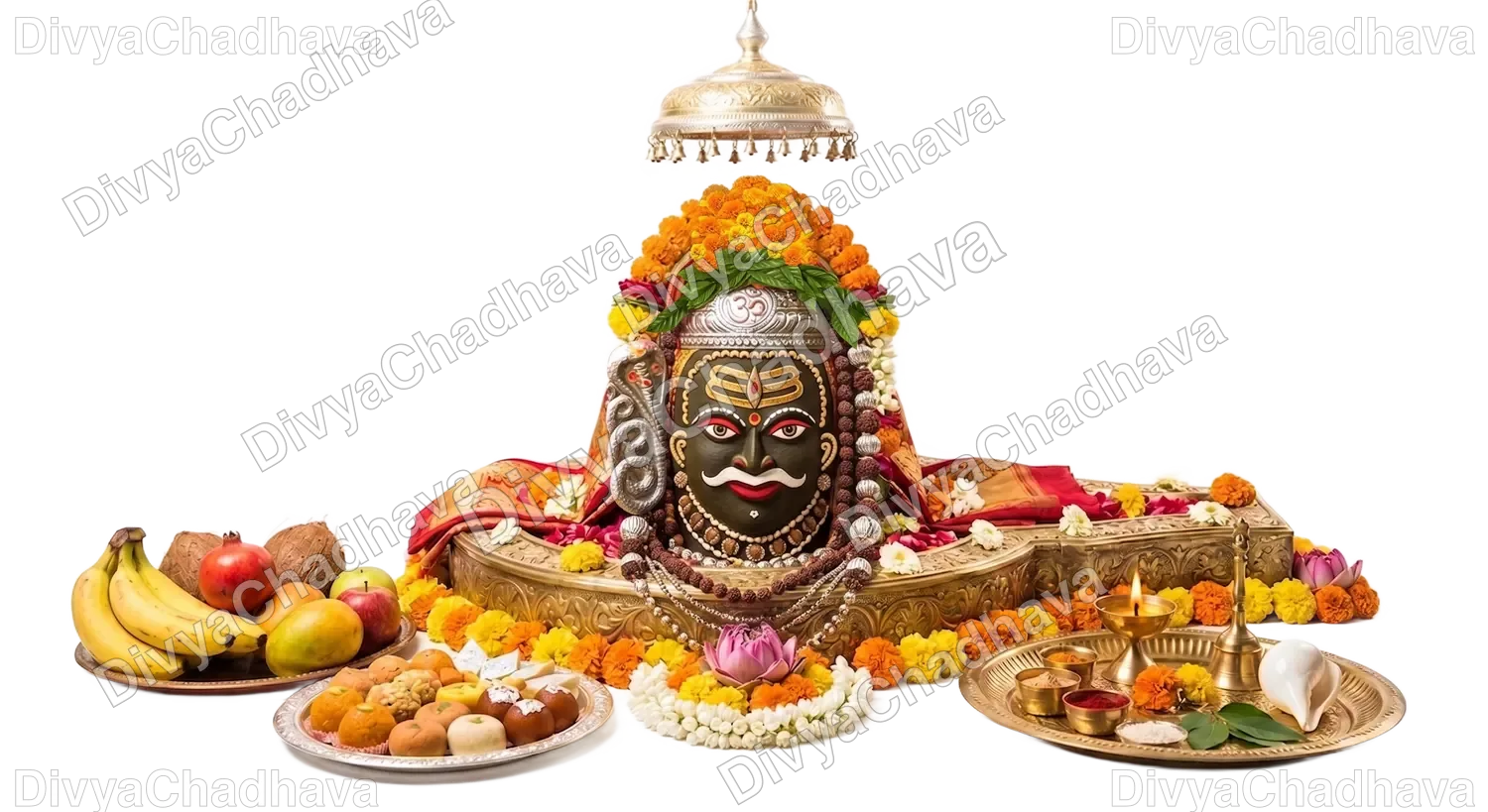
Method: Light a mustard-oil lamp before an image or Shivling representing Bhairav, offer the items above, and recite the chalisa with the opening and closing doha. Some devotees also chant "Om Bhairavaya Namah" or the Bhairav mool mantra a few times before beginning.
Count: One complete recitation daily is sufficient; on Bhairav Ashtami, 11 or 21 repetitions are common among dedicated devotees.
Dos and Don'ts
Do approach with a clean, sincere heart — Bhairav responds swiftly to genuine devotion and equally swiftly withdraws protection from insincerity or wrongdoing. Do maintain truthful conduct, since Bhairav is a deity of justice. Do care for or feed stray dogs as an act of reverence connected to his vahana.
Do not perform Bhairav worship with anger or a desire for revenge against another — his justice is dharmic, not a tool for personal vendetta. Do not neglect basic cleanliness and discipline (his worship favours devotees of steady character). Do not attempt elaborate tantric Bhairav sadhanas without proper guidance; the chalisa itself is safe and complete for all devotees.
Mahatmya (Significance)
Kaal Bhairav emerged, per Shaiva Puranic tradition, from Shiva's fierce aspect to punish Brahma's arrogance, and was tasked thereafter with guarding time and justice itself. He is worshipped as the Kotwal of every Shakti Peeth alongside the resident Devi, and specifically as the guardian of Kashi, where the Kaal Bhairav Temple remains one of the most visited shrines. His mahatmya lies in this dual nature — utterly fierce toward adharma, utterly protective toward the sincere devotee — making him the deity most sought by those who feel wronged, afraid, or beset by forces beyond ordinary remedy.
Benefits of Reciting the Bhairav Chalisa
Regular devotees describe swift relief from unjust legal, financial or interpersonal troubles, protection from enemies and negative energy, freedom from irrational fear, and a felt sense of fierce, reliable protection especially during Sade Sati or other astrologically difficult periods.
Frequently Asked Questions
Q: Who is Kaal Bhairav in relation to Lord Shiva? A: Kaal Bhairav is considered a fierce avatar or aspect of Lord Shiva, embodying his role as the dispenser of time-bound justice and the fierce protector of dharma.
Q: What is the significance of feeding black dogs in Bhairav worship? A: The dog is traditionally regarded as Bhairav's vahana (vehicle); feeding or caring for dogs, especially black ones, is considered a direct act of devotion to him.
Q: When is Kaal Bhairav Ashtami and why is it important? A: It falls on Krishna Paksha Ashtami of Margashirsha month (usually November-December) and marks Bhairav's manifestation; it is considered the most powerful day for his worship and chalisa recitation.
Q: Can the Bhairav Chalisa help with court cases or unjust disputes? A: Many devotees chant it precisely for this reason, trusting Bhairav's role as a deity of swift dharmic justice, always with truthful conduct on their own part.
Quick guide
Before you begin
Mantra
Kaal Bhairav mantra
Om Kaal Bhairavaya Namah
Chant with a clean sankalp, especially on the advised remedy day and time.
Bhav
Benefits devotees pray for
FAQ
Common questions
Who is Kaal Bhairav in relation to Lord Shiva?
He is considered a fierce avatar/aspect of Shiva, embodying dispensation of time-bound dharmic justice.
What is the significance of feeding black dogs?
The dog is traditionally Bhairav's vahana; caring for or feeding dogs, especially black ones, is a direct act of devotion.
When is Kaal Bhairav Ashtami?
It falls on Krishna Paksha Ashtami of Margashirsha month (Nov-Dec) and is the most powerful day for his worship.
Can the Bhairav Chalisa help with court cases or disputes?
Many devotees chant it for this reason, trusting his role as a deity of swift dharmic justice, while maintaining truthful conduct.
Seeking Kaal Bhairav's Protection?
Book a puja dedicated to Kaal Bhairav for protection from fear, injustice and negative forces.