



 अमावस्या तर्पण एवं पूजा
Amavasya, the moonless night of each lunar month, is dedicated to remembering and honouring one's ancestors through tarpan, daan and puja for their peace and the family's wellbeing.
What is Amavasya
Amavasya is the moonless night that occurs once every lunar month, when the moon is not visible at all in the sky. Unlike Purnima, which celebrates fullness and light, Amavasya represents darkness, introspection and the subtle world, and is traditionally regarded as the day most closely connected to Pitru Devta, one's departed ancestors.
In Sanatan tradition, it is believed that on Amavasya the veil between the world of the living and the world of the ancestors is especially thin, making it the most suitable day to offer tarpan (ritual water offerings), pind daan and shraddha karma so that ancestral souls receive peace and blessings, and in turn bless their living descendants with prosperity and freedom from obstacles.
The Katha Behind Ancestor Worship on Amavasya
In the Puranas it is told that once the great king-sage Nimi performed severe penance but neglected the rituals due to his ancestors after his father's passing, believing that devotion to the gods alone was sufficient. His kingdom, despite his righteousness, began to face unexplained misfortune: crops failed unpredictably, and a strange restlessness settled over his family.
Troubled, Nimi sought the counsel of Rishi Vashishtha. The sage explained that the debt owed to one's ancestors, known as Pitru Rin, is one of the three fundamental debts every soul carries, alongside Deva Rin (debt to the gods) and Rishi Rin (debt to the sages and teachers). He told Nimi that no amount of devotion to the gods can fully substitute for the duty owed to one's own forefathers, who nurtured the family line and whose blessings remain essential for its continued wellbeing.
Vashishtha instructed Nimi to observe Amavasya, particularly during Pitru Paksha, with tarpan at a riverbank, offering water mixed with black sesame seeds while facing south, the direction associated with Yama and the ancestral realm, and reciting the names of his father, grandfather and great-grandfather. He was also told to feed Brahmins, cows and crows, and to give food and clothing in charity in his ancestors' names.
Nimi performed the rituals with humility and sincerity. Soon after, the unexplained misfortunes in his kingdom eased, and it is said that his ancestors appeared to him in a dream, blessing him with a line of descendants who would prosper in dharma. This story is cited as the foundation of why Amavasya, especially the Amavasyas that fall within Pitru Paksha and the notably significant Somvati Amavasya (falling on a Monday) and Bhaumvati Amavasya (falling on a Tuesday), is observed with such devotion for ancestor worship even today.
Puja and Tarpan Vidhi for Amavasya
Wake before sunrise and take a holy bath, ideally in a river such as the Ganga, Godavari or at a recognised tirtha, or at home with a few drops of Ganga jal added to the bathing water.
Wear simple, clean clothes and avoid festive or bright colours; white, off-white or plain colours are traditional for this solemn observance.
For tarpan, face south, hold water mixed with black til (sesame seeds) and kusha grass in the palm, and offer it while chanting the names and gotra of one's departed father, mother, grandparents and other ancestors, saying "Om [ancestor's name] tripyatam" (may this offering satisfy and please them).
Offer pind (rice-flour or rice balls) if performing a fuller shraddha ritual, ideally under the guidance of a qualified pandit.
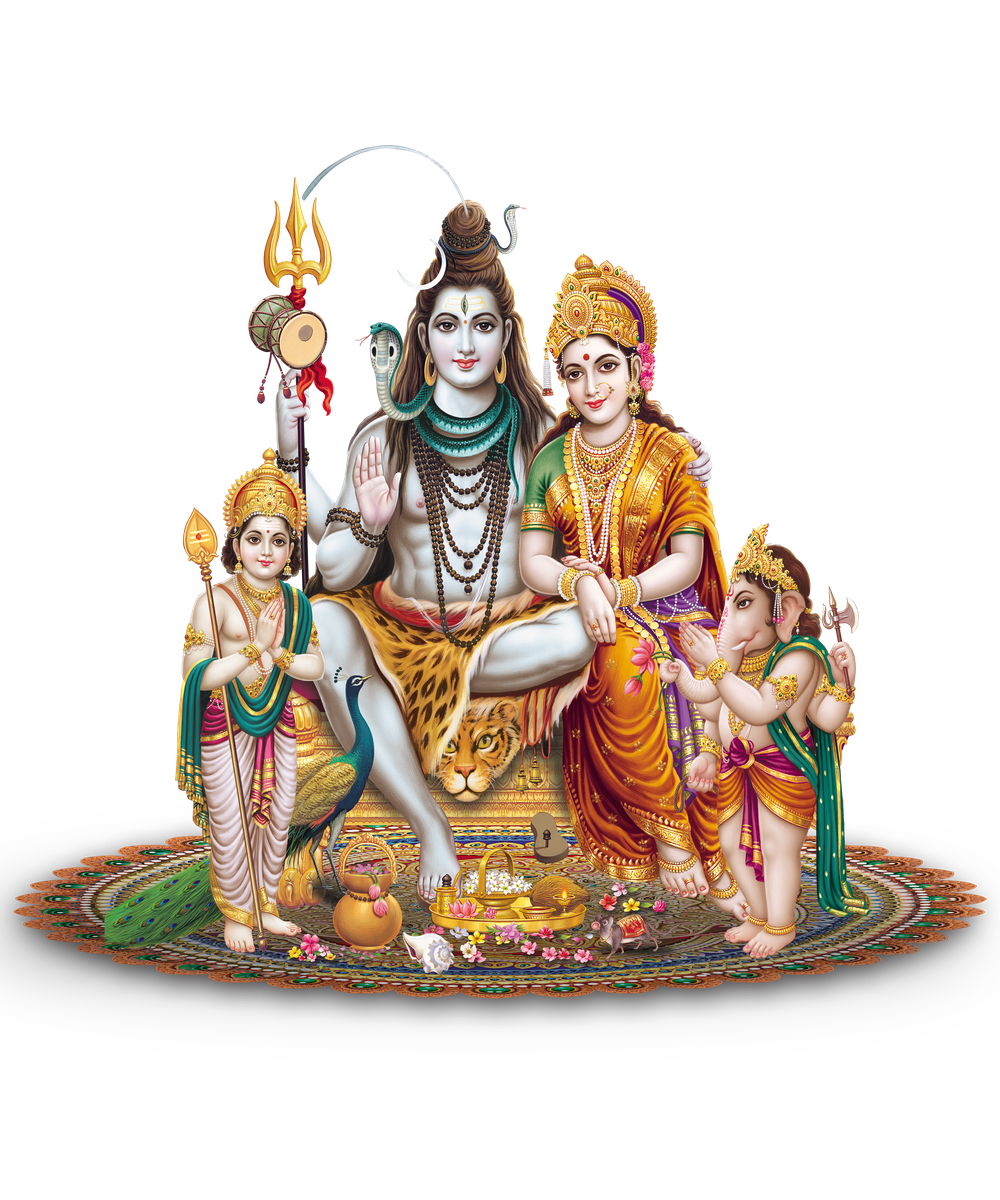
Light a diya for Bhagwan Shiva, who as the deity of dissolution and time is closely associated with the unseen and ancestral realms, and recite the Mahamrityunjaya Mantra or simply "Om Namah Shivaya".
Feed a cow, a crow (considered a messenger to the ancestors) and a dog before your own meal, and donate food, clothes, or money to Brahmins and the needy in your ancestors' names.
Many households also keep a simple fast through the day, taking only one satvik meal in the evening, and refrain from starting new ventures, travel, or celebratory occasions on this day out of respect for its solemn nature.
Significance and Benefits
Amavasya puja and tarpan are believed to bring peace to ancestral souls who may otherwise remain restless, freedom from Pitru Dosh (the astrological affliction caused by unfulfilled ancestral duties) which is said to manifest as delays in marriage, health issues or repeated obstacles in a family line, blessings of prosperity and protection passed down through the ancestral lineage, and inner clarity gained through the day's introspective, quiet energy.
Certain Amavasyas carry additional significance: Somvati Amavasya (on a Monday) is considered especially auspicious for women observing vrat for their husband's long life and family welfare; Bhaumvati Amavasya (on a Tuesday) is associated with the remedy of debts and obstacles through worship of Hanuman and ancestors together; and Amavasyas falling within Pitru Paksha (the fortnight dedicated wholly to ancestors) are considered the most powerful of the year for shraddha karma.
Dos and Don'ts
Do wake early, keep the mind calm and reflective, perform tarpan with sincerity if you are able, and give in charity according to your means even if a full ritual is not possible.
Do maintain silence or minimise unnecessary talk during the hours of tarpan, and show respect to elders and ancestors in thought and speech throughout the day.
Avoid starting new ventures, signing important agreements, travelling for celebratory purposes, or holding festive events such as weddings on Amavasya, as tradition considers this an inward-facing, solemn day rather than one for new beginnings.
Avoid non-vegetarian food, alcohol and non-vegetarian offerings, and it is traditionally advised to avoid cutting hair or nails on this day.
If a full tarpan or pind daan cannot be performed personally, it may be done by a qualified pandit on one's behalf, especially at pilgrimage sites renowned for ancestral rites such as Gaya.
A Gentle Closing Note
Amavasya reminds us that gratitude does not end with the living; it extends backward through the generations that made us who we are. A simple offering of water and a sincere thought for one's ancestors on this day is, in the tradition's own words, enough to bring their blessings home.
Quick guide
Before you begin
Mantra
Shiva mantra
Om Namah Shivaya
Chant with a quiet mind, especially on Monday, Pradosh, or during Shiva puja.
Bhav
Benefits devotees pray for
FAQ
Common questions
Why is Amavasya considered special for ancestor worship?
Tradition holds that on the moonless night, the connection between the physical and ancestral realms is especially open, making rituals like tarpan and pind daan performed on this day particularly effective in reaching and pleasing one's departed ancestors.
What is Pitru Dosh and how does Amavasya puja help?
Pitru Dosh is an astrological affliction believed to arise when ancestral duties, such as timely shraddha, are neglected. Regular Amavasya tarpan and charity in ancestors' names is considered a dharmic way to ease its effects, alongside the more focused rituals of Pitru Paksha.
Can women or those without a priest perform tarpan themselves?
Yes, anyone with sincere devotion can offer simple water tarpan facing south. For a fuller pind daan or shraddha ritual, especially at a pilgrimage site, it is customary to have a qualified pandit guide or perform the rites.
Is it true that no auspicious functions should be started on Amavasya?
By long-standing custom, most families avoid starting new ventures, weddings, or celebratory travel on Amavasya, treating it instead as a solemn, inward day dedicated to remembrance and reflection.
Book Amavasya Tarpan & Pitru Puja
Let our experienced pandits perform your Amavasya tarpan, pind daan and pitru shanti puja with complete Vedic vidhi on your behalf.