

 श्रावण कृष्ण एकादशी
The story of truthful King Harishchandra shows how the Aja Ekadashi vrat, observed with faith, frees the soul from the heaviest sins.
What Is Aja Ekadashi
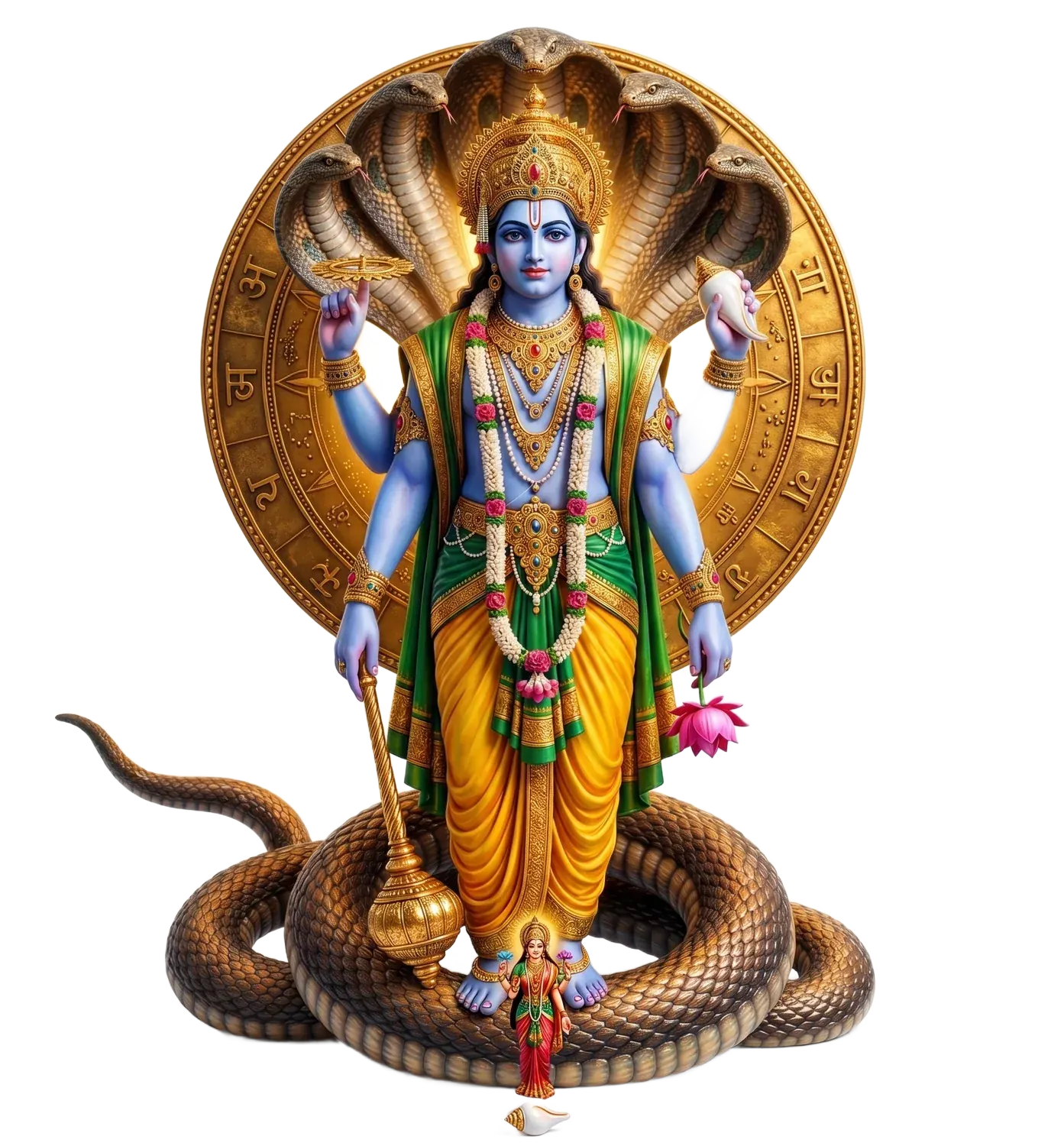
Aja Ekadashi falls on the eleventh day (ekadashi tithi) of the waning moon fortnight (Krishna Paksha) in the month of Bhadrapada according to some traditions, and in Shravan Krishna Paksha according to others, both readings are followed across India. It is dedicated to Bhagwan Vishnu and is considered one of the most powerful Ekadashis for removing sin (paap) and granting liberation. It is also known as Annada Ekadashi or Apara Ekadashi in some regional calendars, though the katha of King Harishchandra remains the defining story told on this day.
The scriptures say that a soul who observes this fast with full faith is freed even from sins as grave as killing a Brahmin, breaking a promise, or telling a lie, sins that are otherwise very difficult to atone for. The story of King Harishchandra, the very embodiment of truth, is narrated to explain why this Ekadashi carries such power.
The Vrat Katha: King Harishchandra's Story
In ancient times there lived a king named Harishchandra, ruler of Ayodhya, renowned throughout the three worlds for never speaking a lie. To test his truthfulness, the sage Vishwamitra demanded that Harishchandra give away his entire kingdom in charity. Without hesitation, the king gave up his throne, his wealth, his palace, keeping only his wife Taramati and his young son Rohitashva.
Even this was not enough for the sage, who then demanded dakshina, a fee, for having accepted the kingdom. Having nothing left, Harishchandra sold his wife and son into servitude, and finally sold himself as a slave to a chandal, a keeper of the cremation ground, to raise the required gold for Vishwamitra.
For years Harishchandra toiled at the cremation ghat, collecting the cloth of the dead and the funeral fee owed to his master, never once wavering from truth despite unbearable suffering. His wife Taramati worked as a maidservant, and his son Rohitashva died of a snakebite while gathering flowers.
When the grief-stricken Taramati brought her dead son's body to the cremation ground for the final rites, Harishchandra, not recognising her in the darkness, demanded the customary fee even from his own wife, refusing to let go of his duty to his master even in this moment of unbearable personal loss. Only then did he realise it was his own son who had died.
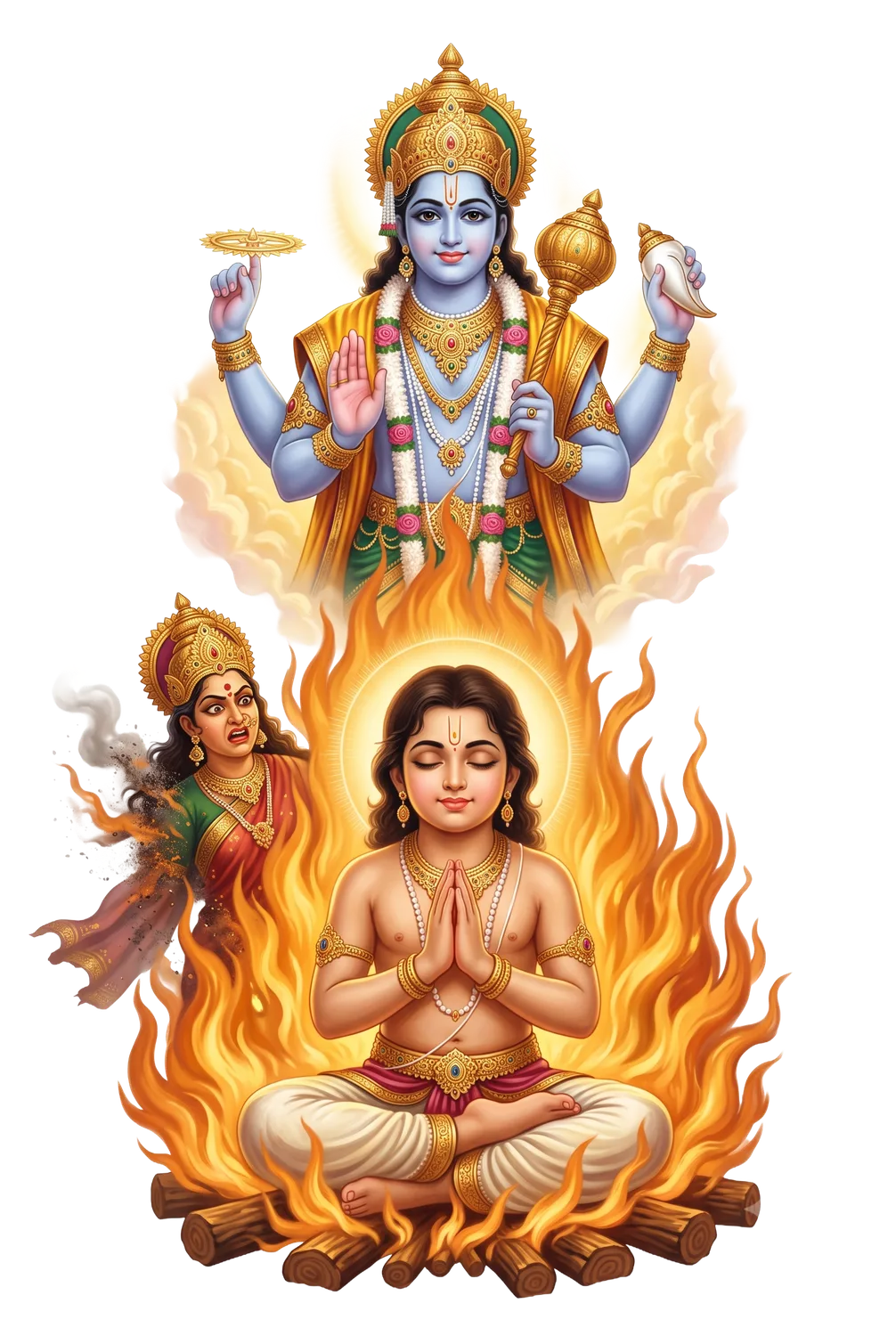
At this darkest hour, the gods themselves, moved by his unwavering truth and dharma, appeared before him. Dharma Deva, Indra and other devatas declared that his trial was complete. His son was restored to life, his kingdom was returned, and it was revealed that this entire ordeal had been a divine test of his character.
Sage Vashishtha later told Harishchandra that whatever sin remained from the immense suffering and karmic entanglement of that period could be washed away completely by observing the vrat of Aja Ekadashi with full devotion. Harishchandra observed the fast exactly as instructed, and attained liberation from all sin, later ascending to heaven in his own mortal body, a rare and celebrated boon.
Puja Vidhi (How to Observe the Vrat)
Devotees who wish to observe Aja Ekadashi should wake before sunrise on the day, take a purifying bath, and resolve (sankalp) to keep the fast for the welfare of the family and the removal of sins.
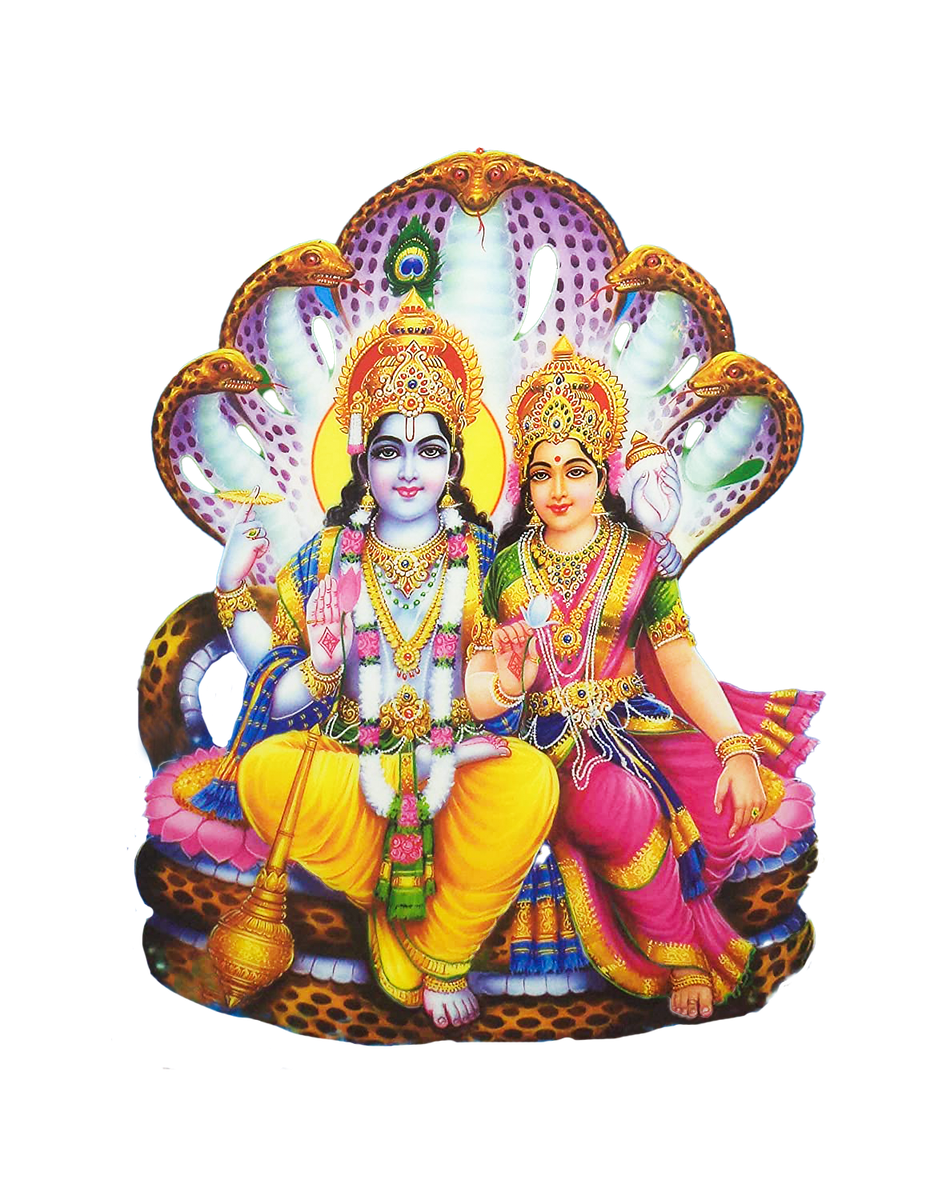
A small altar is prepared for Bhagwan Vishnu, ideally in his form as Vamana or Trivikrami, with a diya, incense, tulsi leaves, yellow flowers, and seasonal fruits offered with reverence. The Vishnu Sahastranama or Vishnu Chalisa may be recited, along with the mantra Om Namo Bhagwate Vasudevaya.
The fast is typically observed as a nirjal (waterless) or phalahar (fruit-only) vrat according to one's capacity; grains and cereals are avoided. The night is spent in jagran, keeping vigil with bhajans and kirtan in praise of Vishnu, and the fast is broken the next morning, on Dwadashi, after feeding a Brahmin or a needy person and taking their blessings.
Significance and Benefits
The Aja Ekadashi vrat is believed to grant relief from long-standing sins, remove obstacles rooted in past karma, and bring peace, prosperity and moksha to the sincere devotee. Because King Harishchandra's story is one of extreme testing and unwavering truth, the day is also observed by devotees seeking strength to remain honest and steadfast through their own hardships.
Frequently Asked Questions
What is the story behind Aja Ekadashi. It commemorates King Harishchandra, who lost his kingdom, sold his family and himself into servitude, yet never abandoned truth. Sage Vashishtha told him this vrat would cleanse whatever karmic burden remained from that trial.
Which deity is worshipped on Aja Ekadashi. Bhagwan Vishnu is worshipped, along with reading or listening to his sahastranama and offering tulsi and yellow flowers.
Can the fast be observed with only fruits. Yes, a phalahar (fruits-only) fast is an accepted alternative to a strict nirjal fast, especially for the elderly, the unwell, or pregnant women, who should always prioritise health.
When should the fast be broken. On the following day, Dwadashi tithi, after sunrise, ideally after Vishnu puja and feeding a Brahmin or someone in need.
Quick guide
Before you begin
Mantra
Vishnu mantra
Om Namo Bhagavate Vasudevaya
Chant before katha or aarti while praying for protection, dharma, and peace.
Bhav
Benefits devotees pray for
FAQ
Common questions
What is the story behind Aja Ekadashi?
It commemorates King Harishchandra, who sold his kingdom, family and himself into servitude but never abandoned truth. Sage Vashishtha told him this vrat would cleanse the remaining karmic burden.
Which deity is worshipped on Aja Ekadashi?
Bhagwan Vishnu, with recitation of his sahastranama and offerings of tulsi and yellow flowers.
Can the fast be observed with only fruits?
Yes, a phalahar fast is an accepted alternative to a strict nirjal fast, especially for elderly or unwell devotees.
When should the fast be broken?
On Dwadashi tithi after sunrise, ideally after Vishnu puja and feeding someone in need.
Seek Vishnu's Blessings This Ekadashi
Let our pandits perform a Vishnu puja on your behalf for peace, truth and freedom from past karma.