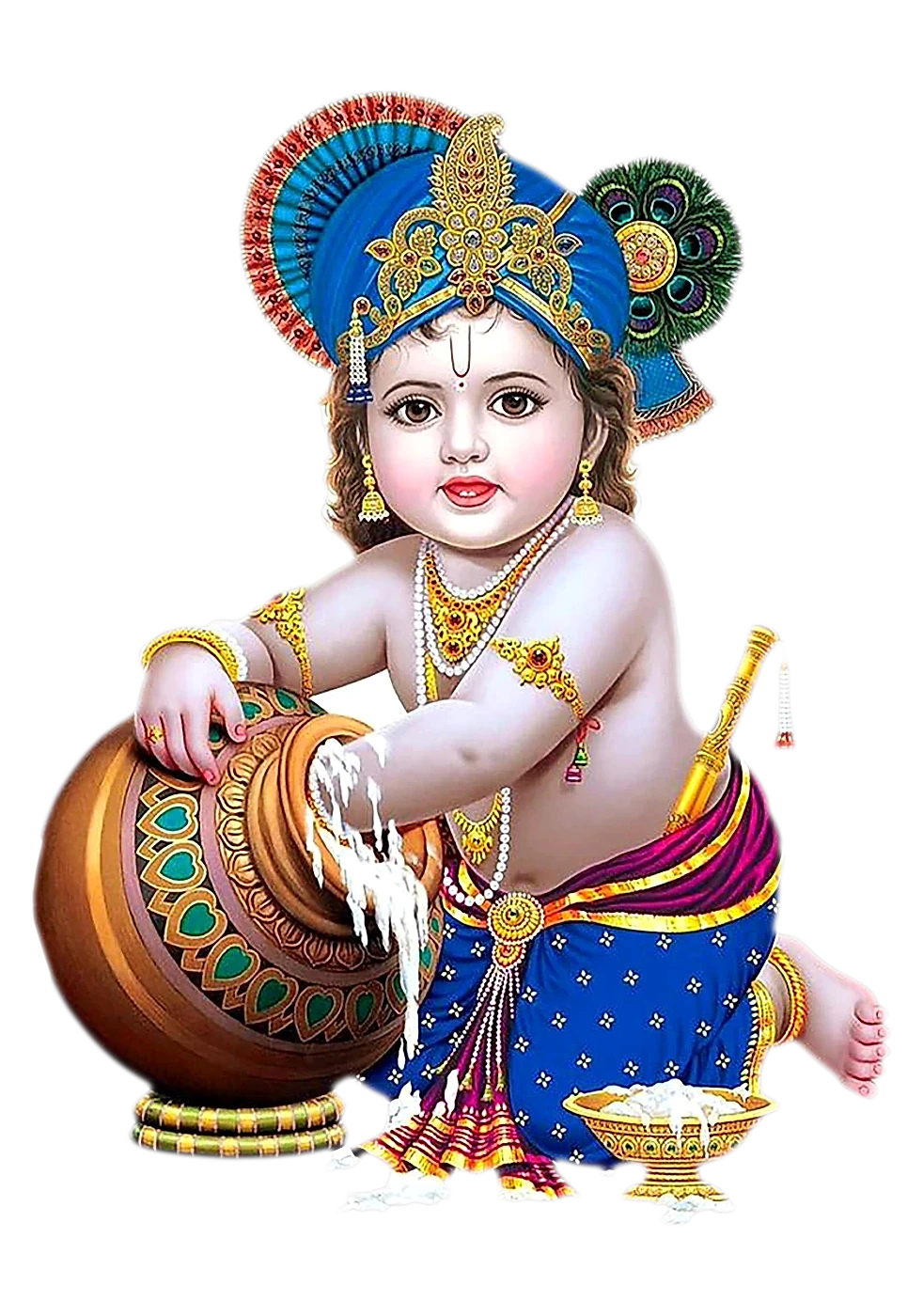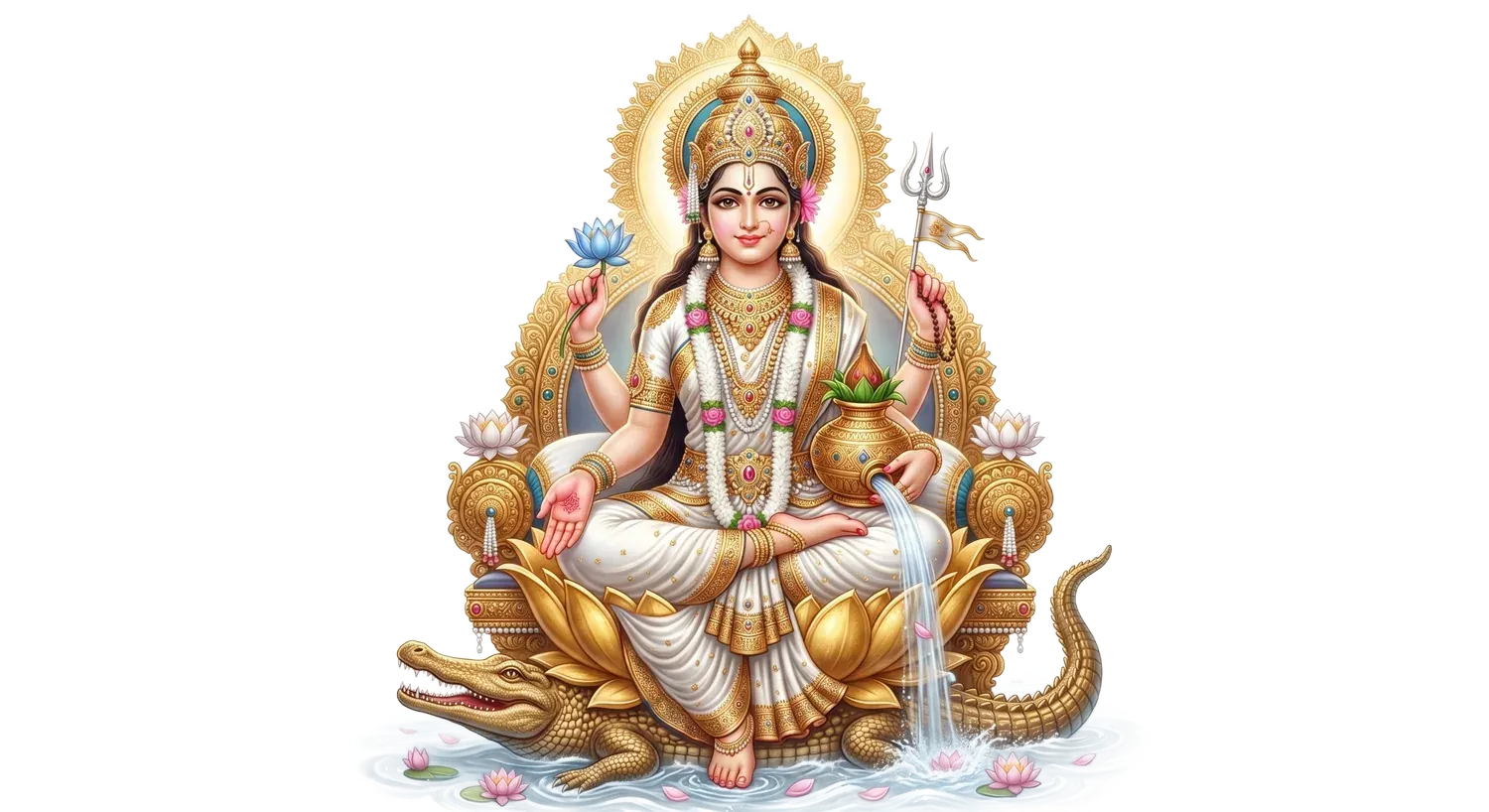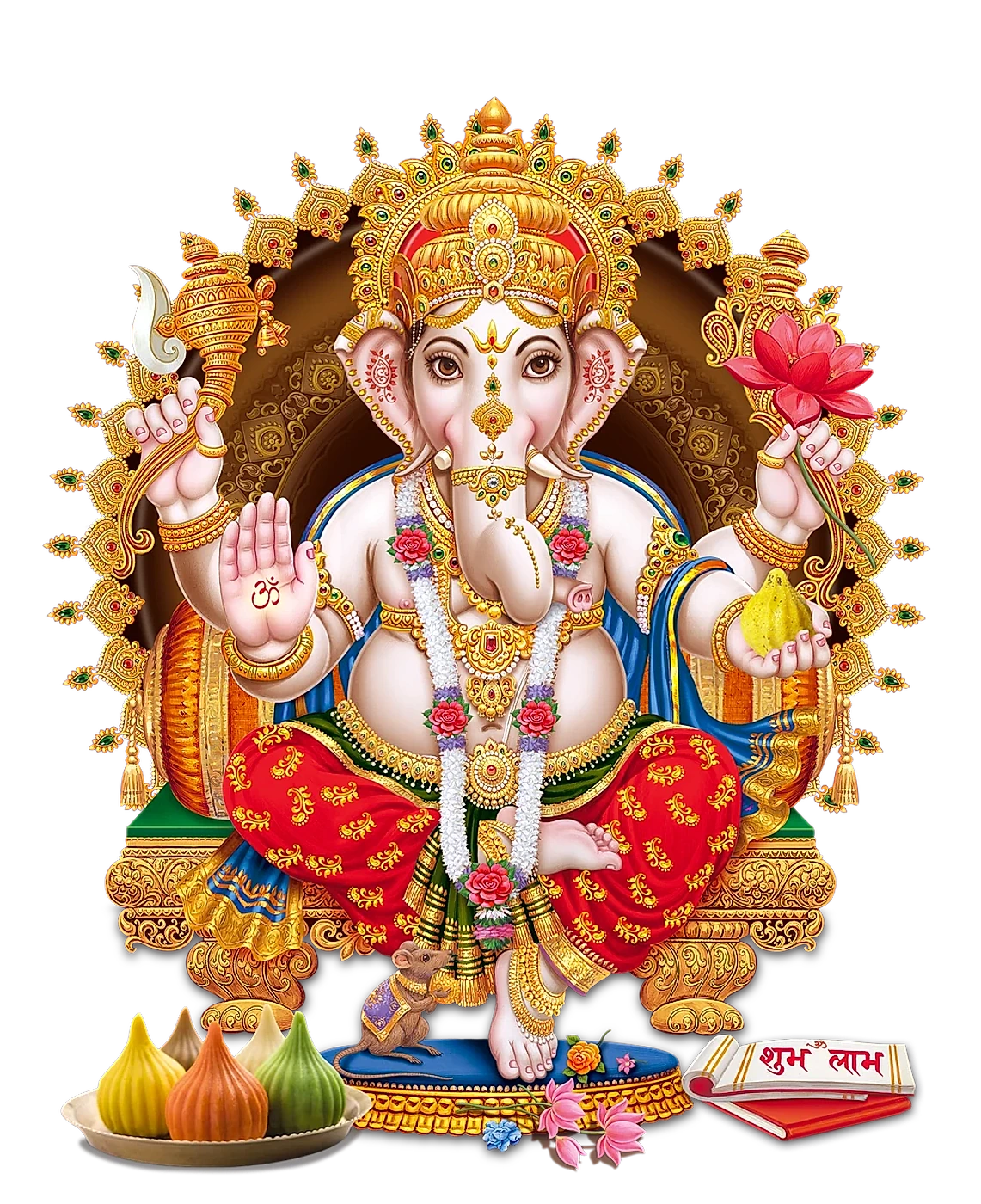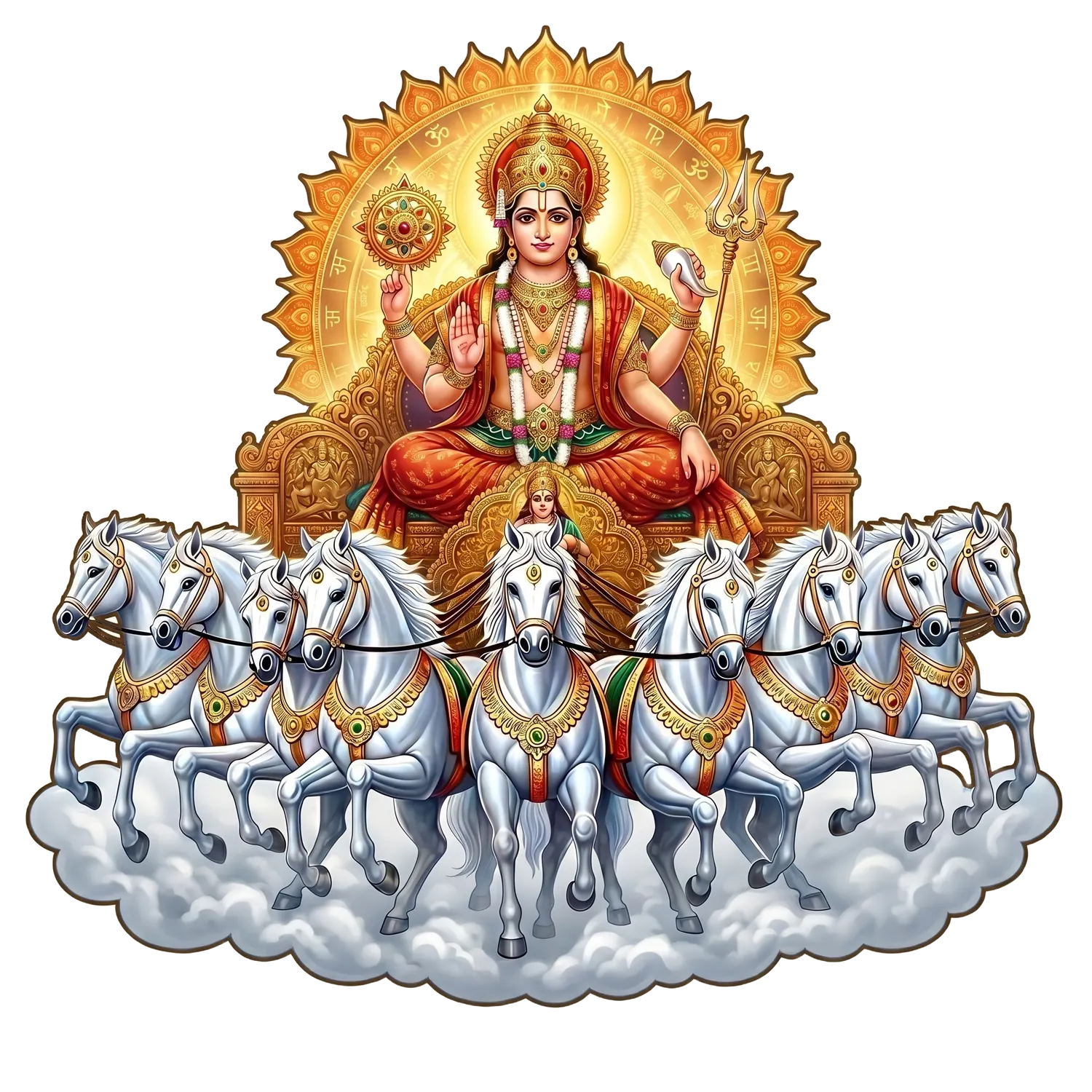




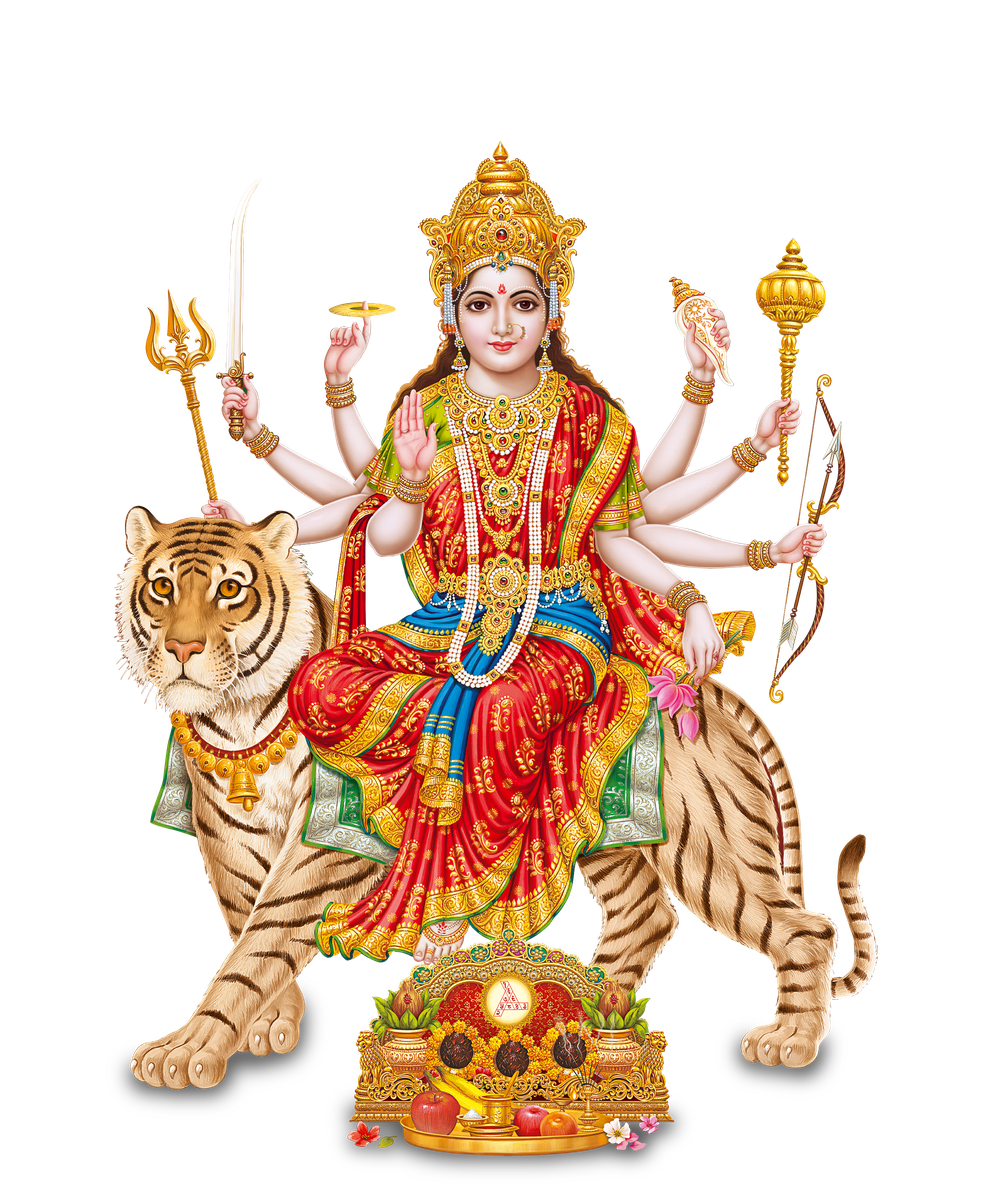
 जगदीश, गणेश, शिव और अम्बे
The complete lyrics of the four essential aartis every Hindu home should know: Om Jai Jagdish Hare, Jai Ganesh Deva, Om Jai Shiv Omkara and Jai Ambe Gauri.
Aarti Sangrah brings together the four most essential Hindu aartis that almost every household knows and sings — Om Jai Jagdish Hare (for any deity, especially Vishnu), Jai Ganesh Deva (Lord Ganesha), Om Jai Shiv Omkara (Lord Shiva) and Jai Ambe Gauri (Goddess Durga). These four form the core of most family aarti sangrahs and are sung daily at temples, during festivals and at the close of every puja across India.
Om Jai Jagdish Hare (Universal aarti, sung for any deity / Vishnu)
ॐ जय जगदीश हरे, स्वामी जय जगदीश हरे। भक्त जनों के संकट, क्षण में दूर करे॥ ॐ जय जगदीश हरे।
जो ध्यावे फल पावे, दुख बिनसे मन का। सुख सम्पत्ति घर आवे, कष्ट मिटे तन का॥ ॐ जय जगदीश हरे।
मात पिता तुम मेरे, शरण गहूं मैं किसकी। तुम बिन और न दूजा, आस करूं जिसकी॥ ॐ जय जगदीश हरे।
तुम पूरन परमात्मा, तुम अंतर्यामी। पारब्रह्म परमेश्वर, तुम सबके स्वामी॥ ॐ जय जगदीश हरे।
तुम करुणा के सागर, तुम पालनकर्ता। मैं मूरख खल कामी, कृपा करो भर्ता॥ ॐ जय जगदीश हरे।
तुम हो एक अगोचर, सबके प्राणपति। किस विधि मिलूं दयामय, तुमको मैं कुमति॥ ॐ जय जगदीश हरे।
दीनबंधु दुखहर्ता, तुम ठाकुर मेरे। अपने हाथ उठाओ, द्वार पड़ा तेरे॥ ॐ जय जगदीश हरे।
विषय विकार मिटाओ, पाप हरो देवा। श्रद्धा भक्ति बढ़ाओ, सन्तन की सेवा॥ ॐ जय जगदीश हरे।
श्री जगदीश जी की आरती, जो कोई नर गावे। कहत शिवानंद स्वामी, मनवांछित फल पावे॥ ॐ जय जगदीश हरे, स्वामी जय जगदीश हरे।
Jai Ganesh Deva (Lord Ganesha)
जय गणेश जय गणेश जय गणेश देवा। माता जाकी पार्वती, पिता महादेवा॥
एक दंत दयावंत, चार भुजा धारी। माथे पर तिलक सोहे, मूसे की सवारी॥ पान चढ़े फूल चढ़े, और चढ़े मेवा। लड्डुअन का भोग लगे, संत करें सेवा॥ जय गणेश जय गणेश जय गणेश देवा॥
अंधन को आंख देत, कोढ़िन को काया। बांझन को पुत्र देत, निर्धन को माया॥ सूर श्याम शरण आए, सफल कीजे सेवा। माता जाकी पार्वती, पिता महादेवा॥ जय गणेश जय गणेश जय गणेश देवा॥
दीनन की लाज रखो, शंभु सुतकारी। कामना को पूर्ण करो, जाऊं बलिहारी॥ जय गणेश जय गणेश जय गणेश देवा॥ माता जाकी पार्वती, पिता महादेवा॥
Om Jai Shiv Omkara (Lord Shiva)
ॐ जय शिव ओंकारा, स्वामी जय शिव ओंकारा। ब्रह्मा विष्णु सदाशिव, अर्धांगी धारा॥ ॐ जय शिव ओंकारा।
एकानन चतुरानन पंचानन राजे। हंसासन गरुड़ासन वृषवाहन साजे॥ ॐ जय शिव ओंकारा।
दो भुज दो चतुर्भुज दस भुज अति सोहे। त्रिगुण रूप निरखते त्रिभुवन जन मोहे॥ ॐ जय शिव ओंकारा।
अक्षमाला वनमाला मुण्डमाला धारी। त्रिपुरारी कंसारी कर माला धारी॥ ॐ जय शिव ओंकारा।
श्वेताम्बर पीताम्बर बाघम्बर अंगे। सनकादिक गरुणादिक भूतादिक संगे॥ ॐ जय शिव ओंकारा।
कर के मध्य कमण्डलु चक्र त्रिशूल धरता। जगकर्ता जगहर्ता जगपालनकर्ता॥ ॐ जय शिव ओंकारा।
ब्रह्मा विष्णु सदाशिव जानत अविवेका। प्रणवाक्षर मध्ये ये तीनों एका॥ ॐ जय शिव ओंकारा।
त्रिगुण स्वामी की आरती, जो कोई नर गावे। कहत शिवानंद स्वामी, मनवांछित फल पावे॥ ॐ जय शिव ओंकारा, स्वामी जय शिव ओंकारा।
Jai Ambe Gauri (Goddess Durga)
जय अम्बे गौरी, मैया जय श्यामा गौरी। तुमको निशिदिन ध्यावत, हर ब्रह्मा शिवरी॥ जय अम्बे गौरी।
मांग सिंदूर विराजत, टीको मृगमद को। उज्ज्वल से दोउ नैना, चंद्रवदन नीको॥ जय अम्बे गौरी।
कनक समान कलेवर, रक्ताम्बर राजे। रक्तपुष्प गल माला, कंठन पर साजे॥ जय अम्बे गौरी।
केहरि वाहन राजत, खड्ग खप्पर धारी। सुर-नर मुनिजन सेवत, तिनके दुखहारी॥ जय अम्बे गौरी।
कानन कुण्डल शोभित, नासाग्रे मोती। कोटिक चंद्र दिवाकर, सम राजत ज्योती॥ जय अम्बे गौरी।
शुम्भ निशुम्भ बिदारे, महिषासुर घाती। धूम्र विलोचन नैना, निशदिन मदमाती॥ जय अम्बे गौरी।
चंड मुंड संहारे, शोणित बीज हरे। मधु कैटभ दोउ मारे, सुर भय दूर करे॥ जय अम्बे गौरी।
ब्रह्माणी, रुद्राणी, तुम कमला रानी। आगम निगम बखानी, तुम शिव पटरानी॥ जय अम्बे गौरी।
चौंसठ योगिनी गावत, नृत्य करत भैरो। बाजत ताल मृदंगा, अरु बाजत डमरू॥ जय अम्बे गौरी।
भुजा चार अति शोभित, खड्ग खप्पर धारी। मनवांछित फल पावत, सेवत नर नारी॥ जय अम्बे गौरी।
कंचन थाल विराजत, अगर कपूर बाती। श्री मालकेतु में राजत, कोटि रतन ज्योति॥ जय अम्बे गौरी।
श्री अम्बे जी की आरती, जो कोई नर गावे। कहत शिवानंद स्वामी, सुख सम्पत्ति पावे॥ जय अम्बे गौरी, मैया जय श्यामा गौरी।
Which Aarti to Sing When
Om Jai Jagdish Hare is the most universal aarti of all, suitable to close any puja regardless of the deity being worshipped, since it addresses "Jagdish" — the Lord of the universe. Jai Ganesh Deva is sung first in most worship sequences, since Ganesha is invoked before any auspicious undertaking. Om Jai Shiv Omkara is sung during Shiva puja, on Mondays, Maha Shivratri and through Shravan month. Jai Ambe Gauri is sung during Navratri, on Tuesdays and Fridays, and whenever Durga, Kali or any form of the Goddess is worshipped.
How to Perform Aarti at Home
Light a ghee or oil diya (or a camphor/kapoor flame) on a plate, along with incense. Stand or sit facing the deity's image or murti. Hold the plate with both hands and move it in a gentle clockwise circle — first around the deity's feet, then the waist, then a full circle around the whole form, and finally circle it near the face three times. Sing the aarti with devotion, and at the end, pass the plate around to family members, who touch their hands to the flame and then to their eyes and forehead as a gesture of receiving the divine light.
Benefits of Singing Aarti Regularly
A regular aarti practice, even five minutes a day, is believed to purify the mind, bring focus and positivity, strengthen family bonding around a shared ritual, and invoke the protective grace of the deity being worshipped. Aarti is often the simplest and most accessible form of daily worship — requiring no elaborate materials, only a lit flame and a devoted heart.
Quick guide
Before you begin
Mantra
Devi mantra
Om Dum Durgaye Namah
Chant 11, 21, or 108 times according to your time and capacity.
Bhav
Benefits devotees pray for
FAQ
Common questions
Which is the most important aarti for daily puja?
Om Jai Jagdish Hare is the most universal aarti, suitable to close any puja regardless of the deity, since it addresses the Lord of the universe directly.
In what order should these aartis be sung?
Jai Ganesh Deva is usually sung first to invoke auspiciousness, followed by the aarti of the deity being worshipped that day, and Om Jai Jagdish Hare is often sung at the very end.
Can I sing all four aartis together in one sitting?
Yes, many families sing all four during a general evening puja, especially on festival days, or keep this as a printed sangrah to refer to for different occasions.
Do I need any special items to perform aarti at home?
No, only a lit diya or camphor flame on a plate, some incense, and devotion are needed; elaborate materials are not required.
Bring daily aarti into your home
Book a puja for your family deity or explore more sacred texts on Divya Chadhava.