

 दीप ज्योति से भक्ति तक
A complete guide to the correct method of performing aarti, the meaning behind each step, thali preparation and common mistakes to avoid.
Aarti is one of the most universal and beloved acts of Hindu worship, performed daily in homes and temples across every tradition of Sanatan Dharma. It is the offering of light, usually a lit lamp of ghee or camphor, waved before the deity in a circular motion while singing devotional verses. Though it looks simple, aarti carries deep symbolic meaning and follows a time-tested method that devotees have followed for generations.
What Is Aarti and Why It Matters
The word aarti comes from the Sanskrit aartrika, referring to the ritual of waving a lit lamp before a deity. Fire has always held a special place in Vedic worship as a witness and purifier, and offering light to the divine symbolizes dispelling darkness, ignorance and negativity, both from the shrine and from the devotee's own mind. Aarti is usually the concluding step of any puja, whether a brief daily prayer or an elaborate temple ceremony, and represents the devotee's complete surrender expressed through light, sound and devotion.
Preparing the Aarti Thali
A traditional aarti thali, usually of brass, copper or silver, is arranged with a few essential items. Place a diya, a small lamp with cotton wicks soaked in ghee or filled with camphor, at the center. Add a small bowl or stick of incense, a little kumkum and haldi, a few grains of rice, a bell if available, and fresh flowers or flower petals. Some households also place a conch shell for blowing before the aarti begins and a small vessel of water to be sprinkled afterward. The thali should be clean and used only for this sacred purpose.
Step-by-Step Aarti Vidhi
Begin by cleaning the space and washing your hands. Light the diya on the thali using a match or another lamp, never directly from a lighter held close to the deity. If a conch is used, blow it once before beginning, and ring the bell steadily throughout the aarti to invoke auspiciousness and drive away negative vibrations.
Stand facing the deity, hold the thali with both hands, and move the lit lamp in a clockwise circular motion in front of the deity's image or idol. Begin the circling at the feet, move up to the face, then to the whole form, following a gentle, rhythmic clockwise pattern, typically completing a set of small circles at the feet followed by larger ones encompassing the whole deity. This should be done while singing or reciting the aarti verses appropriate to the deity being worshipped.
After completing the aarti song, offer the thali to other family members present so each person can receive the light. Each person cups their hands a few inches above the flame, then gently touches their palms to their eyes and forehead, symbolically absorbing the divine light. Conclude by sprinkling a little water around the space, distributing prasad, and bowing with folded hands in gratitude.
The Meaning Behind Each Gesture
The circular, clockwise motion mirrors the movement of the sun and the cosmos, and represents wholeness and continuity in worship. Starting at the feet before moving upward is a gesture of humility, honoring the deity's grounding presence before beholding their full form. The bell's sound is believed to focus the mind, invite divine presence, and clear the atmosphere of negative energy. Touching the warmed hands to the eyes after the aarti symbolizes receiving divine light and vision into one's own being, a blessing carried from the flame into the devotee's awareness.
When to Perform Aarti
Aarti is traditionally performed at least twice daily in most homes and temples, once in the morning after the main puja and once in the evening at dusk, a time considered spiritually significant as day transitions to night. It may also be performed at any special or auspicious moment: festivals, the beginning of an important task, welcoming guests with reverence, or the conclusion of any ritual worship.
Common Mistakes to Avoid
Avoid performing aarti with an unlit or improperly prepared lamp, as this disrupts the flow of the ritual. Do not rush through the circular motions mechanically without devotion; the gestures matter, but sincerity matters more. Avoid using the aarti thali for other household purposes, and ensure the diya is placed safely to prevent it from tipping over. It is also considered respectful to complete the aarti song fully rather than stopping midway, since it forms a complete offering to the deity.
FAQ
How many times should the aarti lamp be circled: there is no single fixed number, though a common practice is small circles at the feet, larger ones for the upper body and face, and a final full circle encompassing the entire deity, repeated a few times while singing.
Can aarti be performed without singing the full song: while a shortened version is acceptable in daily practice, completing the full aarti with devotion is considered more meaningful whenever time allows.
Why is the bell rung during aarti: the sound of the bell is believed to focus attention, invoke the deity's presence and dispel negative energy from the space.
Can anyone perform aarti at home: yes, aarti may be performed by any family member with a clean, sincere heart; it does not require priestly initiation for household worship.
Quick guide
Before you begin
Mantra
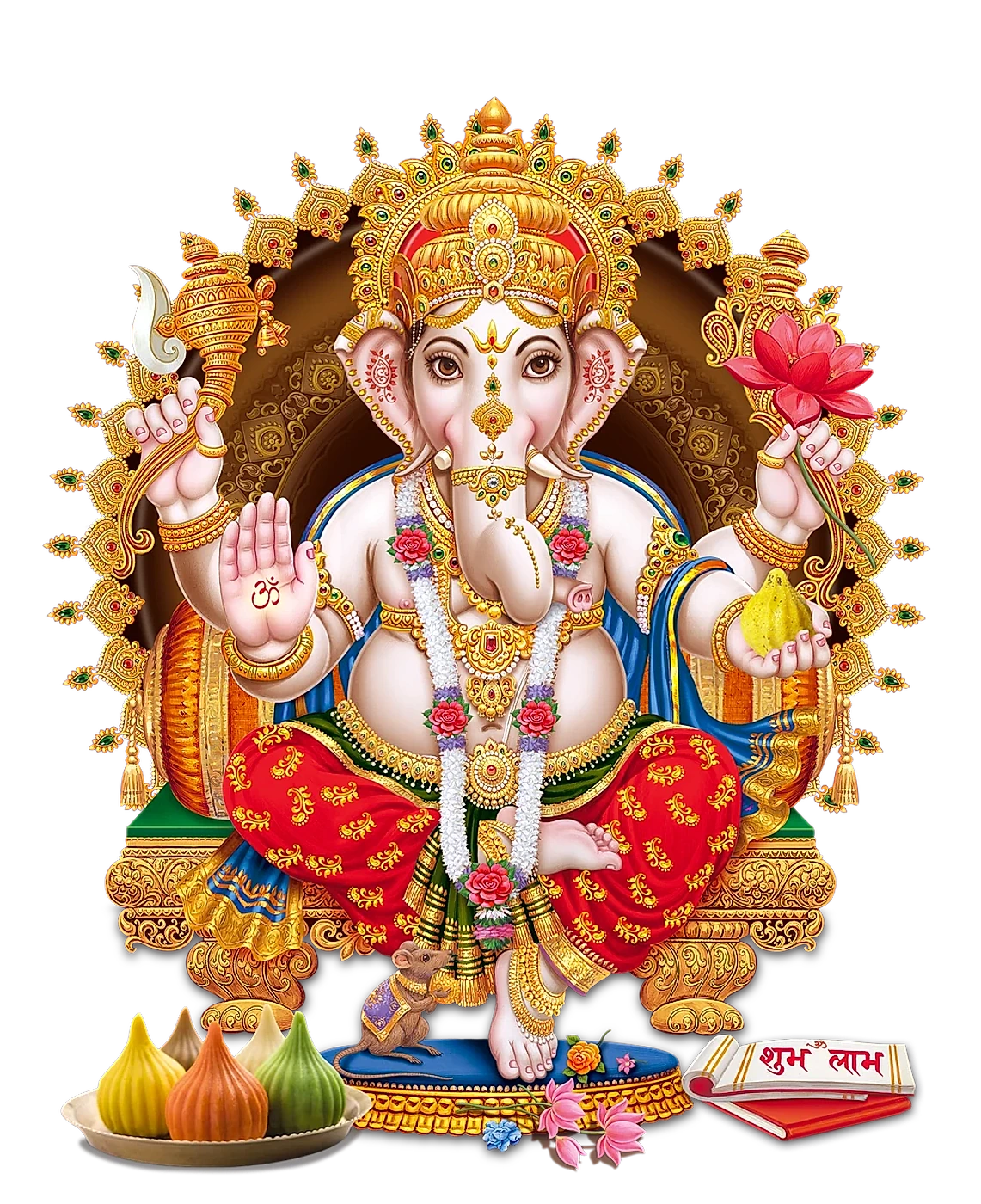
Ganesh mantra
Om Gam Ganapataye Namah
Chant before beginning the puja, aarti, study, business, or any new work.
Bhav
Benefits devotees pray for
FAQ
Common questions
Aarti ka deepak kitni baar ghumana chahiye?
Iski koi ek nishchit sankhya nahin hai, lekin aam pratha hai: charno par chhote chakra, upari sharir aur mukh ke liye bade chakra, aur ant mein sampoorna devta ko samete hue poorna chakra kuch baar dohraana.
Kya poora geet gaaye bina aarti ki ja sakti hai?
Dainik abhyas mein sankshipt sanskaran swikaarya hai, lekin jab bhi samay ho, sampoorna aarti ko bhaktipurvak poora karna zyada arthpurna mana jata hai.
Aarti ke dauraan ghanti kyun bajayi jaati hai?
Ghanti ki dhwani dhyaan kendrit karne, devta ki upasthiti ka aavahan karne aur sthaan se nakaratmak urja door karne mein sahayak maani jaati hai.
Deepen Your Daily Worship
Book a pandit-led puja with complete vidhi guidance for your home or family occasion.