
 एकादश रुद्राक्ष
The eleven-faced rudraksha is dedicated to the Ekadash Rudra and is closely associated with Hanuman Ji, worn for courage, protection and steady willpower.
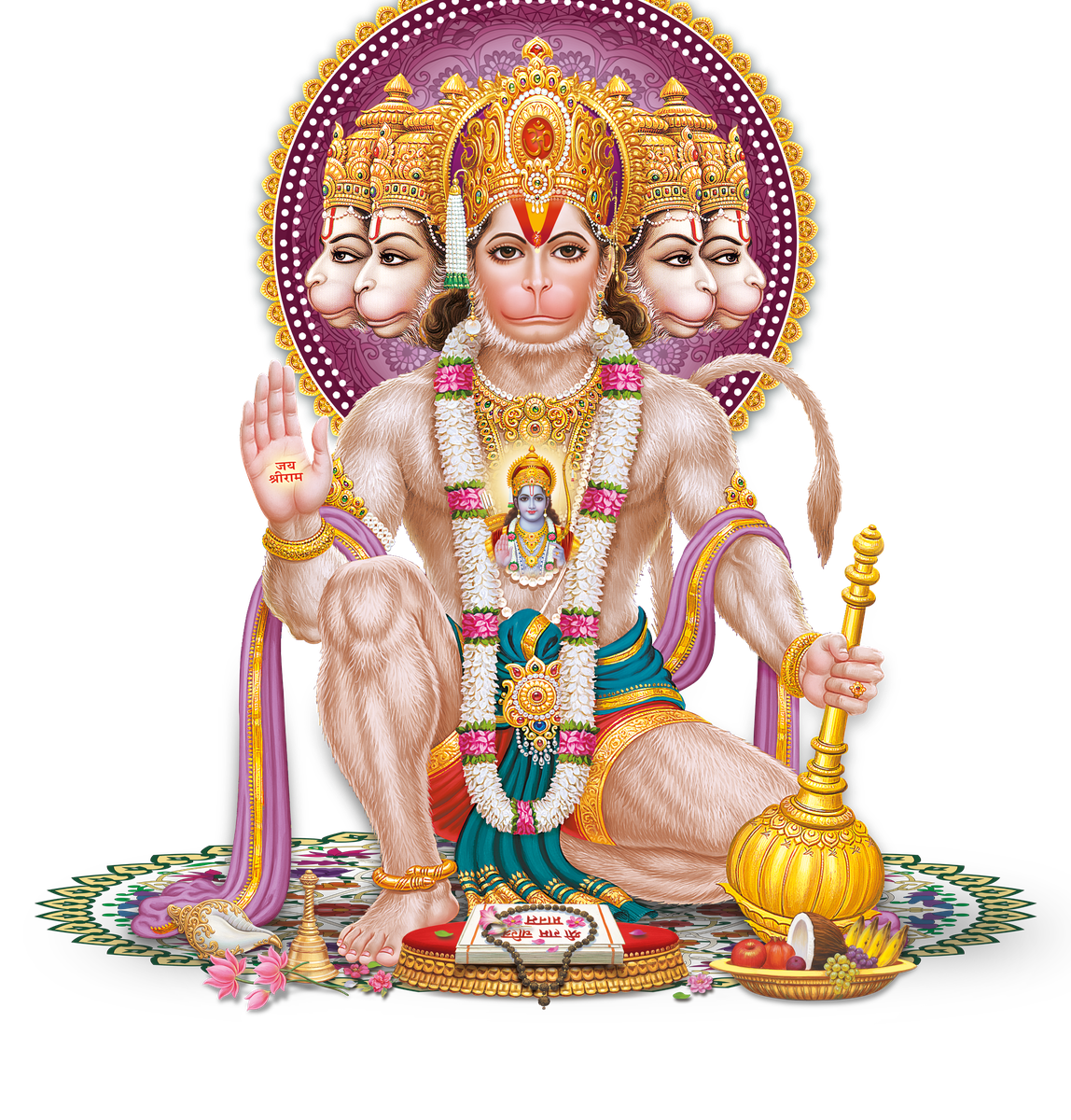
The Ekadash Mukhi Rudraksha, bearing eleven natural lines, is one of the most revered beads in rudraksha tradition. It is directly linked to the Ekadash Rudra — the eleven forms of Lord Shiva described in the Puranas — and, in popular devotional practice, is very closely associated with Hanuman Ji, who is himself considered the eleventh Rudra avatar (Rudravatar) according to several Shaiva and Vaishnava traditions. This connection makes the 11 Mukhi Rudraksha especially popular among devotees seeking courage, protection, focus and unwavering willpower — qualities Hanuman Ji embodies perfectly.
Mythological Significance
The Shiva Purana describes eleven mukhi rudraksha as representing the eleven Rudras, fierce and protective aspects of Shiva who govern the senses and life-force (prana) of a being. Since Hanuman Ji is revered as an incarnation of Rudra, wearing this bead is believed to invoke his blessings of strength, devotion (bhakti), and freedom from fear. It is also associated with Lord Vishnu in some texts, since Hanuman bridges Shaiva and Vaishnava devotion.
Key Benefits
Courage and fearlessness: This is the most celebrated benefit — the 11 Mukhi Rudraksha is worn by those seeking to overcome fear, anxiety, and hesitation, drawing on Hanuman Ji's fearless energy.
Protection from negative energy: Traditionally believed to act as a protective shield against negative influences, evil eye (nazar), and inauspicious energies in one's surroundings.
Mental strength and focus: It is said to sharpen concentration and willpower, helping students, athletes, and professionals stay disciplined toward their goals.
Success in difficult undertakings: Devotees wear it before important exams, travel, competitions, or challenging ventures, invoking Hanuman Ji's blessing for obstacles to be overcome.
Emotional stability: It is believed to calm an agitated or restless mind, especially helpful for those prone to overthinking or emotional turbulence.
Spiritual growth: Combined with regular chanting of the Hanuman Chalisa or Bajrang Baan, it is believed to deepen one's devotional practice and inner discipline.
How to Wear the 11 Mukhi Rudraksha
Day: Tuesday (Mangalvar) or Saturday, both associated with Hanuman Ji, are considered the most auspicious days to begin wearing it. Some traditions also favour a Monday linked with Shiva.
Purification: Wash the bead gently in clean water, then in raw cow's milk or Ganga jal, and pat dry with a soft cloth before the first wear.
Energising: Place the rudraksha before a Hanuman Ji or Shiva image, light a diya, offer sindoor or chameli oil (favoured by Hanuman Ji), and chant the mantra below before wearing.
Mantra: The commonly chanted beej mantra is:
Om Hraam Hreem Namah
Many devotees also chant the Hanuman mool mantra alongside:
Om Hanumate Namah
Chant 11, 21 or 108 times, ideally on a Tuesday morning.
How to wear: It is usually worn as a pendant on a red thread or chain, close to the heart or throat. It may also be part of a mala used for Hanuman Chalisa or Bajrang Baan path.
Dos and Don'ts
Do maintain personal purity and respect while wearing it — avoid non-vegetarian food and alcohol on the day of first wearing, according to traditional practice.
Do remove it during physical contact with impure substances, funerals, or periods of family mourning.
Don't buy from unverified online sellers without any authenticity assurance; genuine rudraksha have natural, slightly asymmetric lines.
Don't expect the bead alone to erase real dangers or risks — it is a spiritual support meant to strengthen courage and inner resolve, not a replacement for sensible precaution.
A Gentle Note
Rudraksha wearing is a matter of devotion and tradition. Its benefits are spiritual and psychological in nature — building confidence, calm, and a sense of protection through faith — rather than a guaranteed physical shield. It should never replace medical treatment, professional security measures, or sound judgement in matters of safety. Please consult relevant experts for any serious concern.
Quick guide
Before you begin
Mantra
Hanuman mantra
Om Hanumate Namah
Chant on Tuesday or Saturday for strength, protection, and devotion.
Bhav
Benefits devotees pray for
FAQ
Common questions
Who should wear an 11 Mukhi Rudraksha?
It is especially favoured by those seeking courage, protection from negative energy, and mental focus, including students, professionals, and devotees of Hanuman Ji. It is generally considered safe, but a knowledgeable astrologer's guidance is recommended.
Can I wear it with a Hanuman locket or Rudraksha mala?
Yes, it is often worn together with a Hanuman Ji pendant or as part of a larger rudraksha mala used for chanting.
Is it suitable for both men and women?
Yes, rudraksha of any mukhi, including 11 Mukhi, may traditionally be worn by both men and women with equal reverence and benefit.
What if I accidentally wear it during mourning?
Simply remove it, and once the mourning period ends, purify it again with Ganga jal or clean water before wearing it again.
Strengthen Devotion with a Hanuman Puja
Pair your rudraksha with a heartfelt Hanuman puja and sankalp to invite courage, protection and steady focus into your life.