



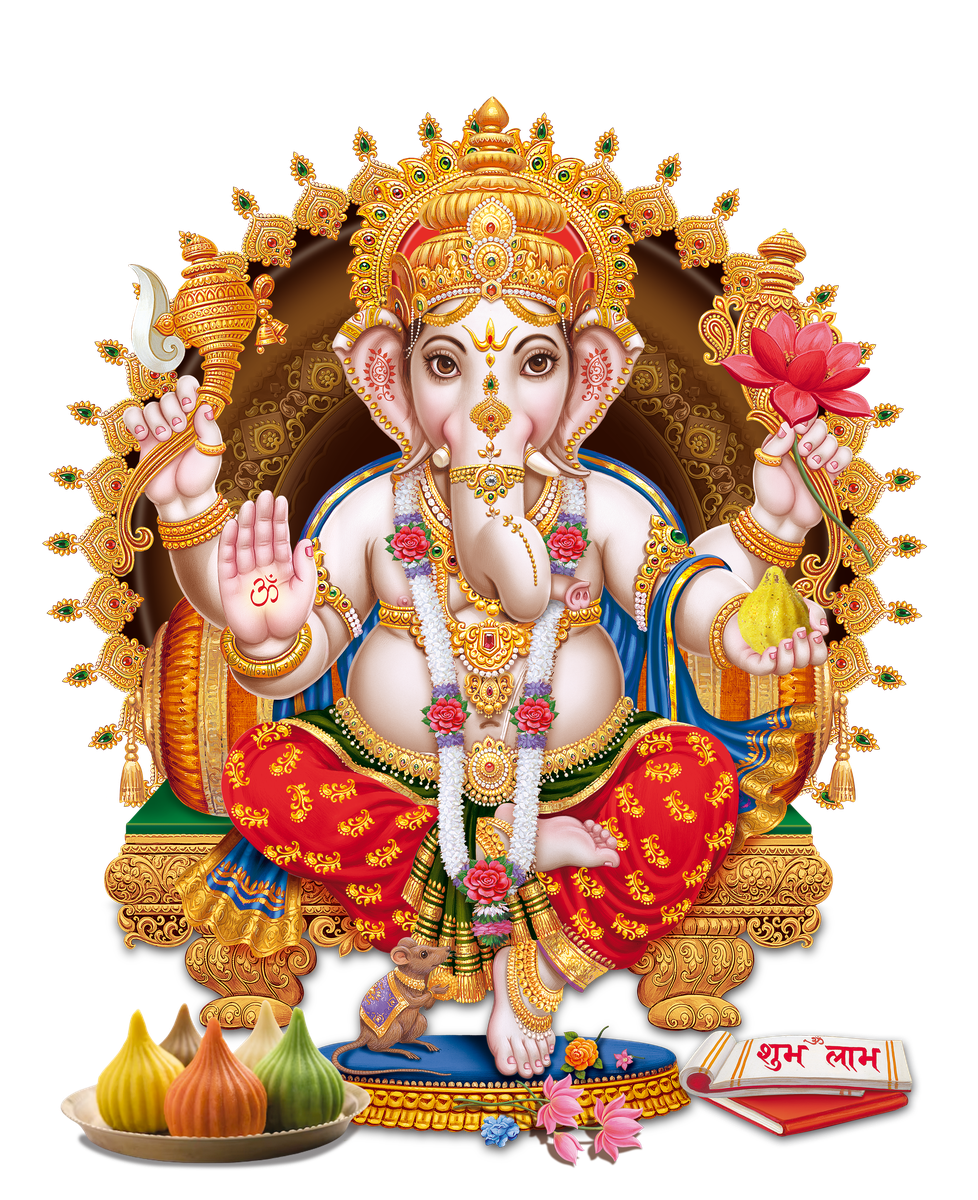
 Om Gam Ganapataye Namah
Chant these 108 names of Lord Ganesh, the remover of obstacles, before beginning any new venture to invite success and wisdom.
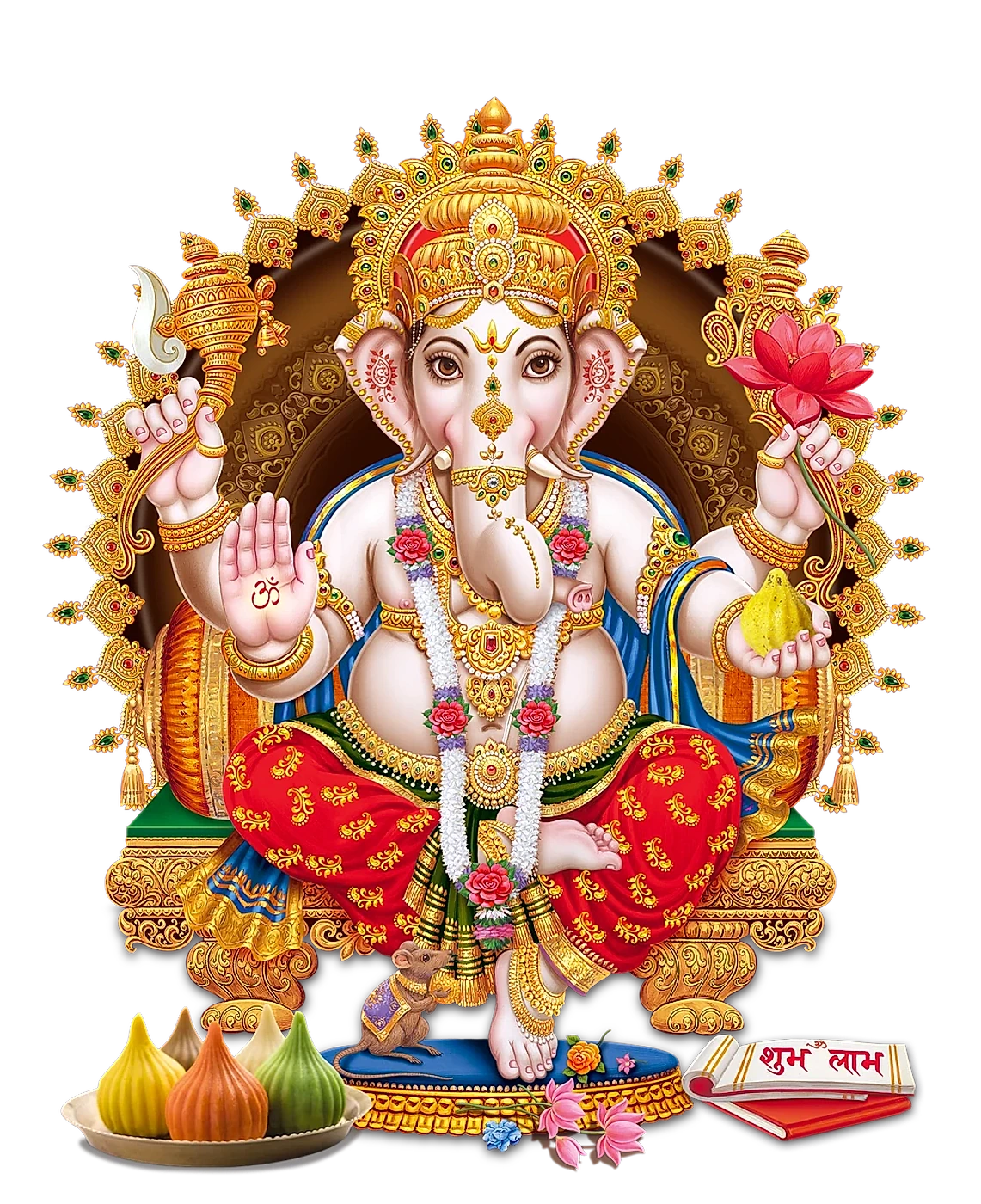
Lord Ganesh, the elephant-headed son of Shiva and Parvati, is worshipped first before any ritual, journey or new beginning in Sanatan Dharma. Known as Vighnaharta, the remover of obstacles, and Buddhidata, the giver of wisdom, Ganesh's blessings are sought at the start of every auspicious undertaking - from weddings and housewarmings to examinations and business ventures.
While his complete glory is sung in the Ganesha Sahasranama, devotees commonly recite an Ashtottara Shatanamavali of 108 names in daily worship and especially during Ganesh Chaturthi, to invoke his wisdom, patience and protection.
Why 108 Names of Ganesh?
Each of Ganesh's 108 names captures a different facet of his personality - his elephant head symbolizing wisdom, his large ears symbolizing deep listening, his broken tusk symbolizing sacrifice, and his mouse vehicle symbolizing mastery over desire. Chanting all 108 names in sequence is a complete meditation on these virtues, traditionally counted on a mala of 108 beads.
Complete List of 108 Names of Lord Ganesh
1. गणेश (Ganesha) - Lord of the ganas 2. विनायक (Vinayaka) - The remover of obstacles 3. विघ्नराज (Vighnaraja) - King of obstacles 4. गजानन (Gajaanana) - The elephant-faced one 5. एकदन्त (Ekadanta) - The one-tusked one 6. हेरम्ब (Herambaa) - Protector of the weak 7. लम्बोदर (Lambodara) - The one with a large belly 8. द्वैमातुर (Dwaimatura) - One with two mothers 9. गजानन (द्वितीय) (Gajanana) - Elephant-headed one 10. हरिहर (आत्मज) (Harihara) - One born of Hari and Hara's essence 11. कपिल (Kapila) - Tawny-coloured lord 12. कपिल (अंग) (Kapila II) - Golden-hued one 13. भालचन्द्र (Bhalachandra) - One bearing the moon on his forehead 14. गजकर्ण (Gajakarna) - The elephant-eared one 15. सर्वविघ्नहर (Sarvavighnahara) - Remover of all obstacles 16. विश्वमुख (Vishwamukha) - One whose face is the universe 17. विनायक (गजवक्त्र) (Vinaayaka II) - The elephant-mouthed leader 18. सुराध्यक्ष (Suraadhyaksha) - Chief of the gods 19. सुरारिघ्न (Suraarighna) - Destroyer of enemies of gods 20. महागणपति (Mahaganapati) - The great Ganapati 21. विभु (गणेश) (Vibhu) - The all-pervading one 22. तरुण (Tarunah) - The ever-youthful one 23. गजपति (Gajapati) - Lord over elephants 24. भीम (Bhima) - The mighty one 25. पीताम्बर (गणेश) (Pitambara) - One dressed in yellow 26. श्वेत (Shweta) - The pure white one 27. उमापुत्र (Uma-Putra) - Son of Uma (Parvati) 28. विघ्नहन्ता (Vighnahantaa) - Destroyer of obstacles 29. विकट (Vikata) - The formidable one 30. देवव्रत (Devavrata) - One devoted to divine duty 31. सिद्धिविनायक (Siddhivinayaka) - Bestower of success 32. कुमारगुरु (Kumaraguruh) - Elder brother, guide of Kumara 33. अक्षरूप (Aksharupa) - One of imperishable form 34. कृतिन् (Krittin) - The accomplished one 35. कृष्णपिंगाक्ष (Krishnapingaksha) - One with dark-brown eyes 36. आशाधारी (Aashaadhaari) - Bearer of hope 37. मूकबाधहा (Mookabaadhaha) - Remover of dumbness 38. सरसाम्बुनिधि (Sarasambunidhi) - An ocean of grace 39. निकुंज (Nikunja) - One who dwells in a hidden bower 40. इक्षुचापधर (Iksuchapadharaa) - Bearer of a sugarcane bow 41. श्रीकर (Shrikara) - Bestower of prosperity 42. यज्ञकाय (Yagnakaayah) - One whose body is a sacrifice 43. इन्द्रश्रीप्रमोचन (Indrashripramochanaha) - One who restored Indra's glory 44. विद्याधिराज (Vidhyaadhirajah) - King among the learned 45. रामार्चित (Ramarchitah) - One worshipped by Sri Rama 46. विश्वदृक् (Vishwadrik) - One who sees the whole universe 47. विश्वरक्षाकृत (Vishwarakshakrit) - Protector of the universe 48. कल्याणगुरु (Kalyanagurunaam) - The auspicious teacher 49. उन्मत्तवेष (Unmattaveshah) - One with an untamed, ecstatic form 50. अपराजित (Aparaajitah) - The unconquerable one 51. समस्तजगदाधार (Samastajagadaadhaarah) - Support of the entire universe 52. सर्वैश्वर्यप्रद (Sarvaishwaryapradah) - Bestower of all opulence 53. नित्य (Nityah) - The eternal one 54. नित्यानन्द (Nityanandah) - Ever blissful one 55. दुराराध्य (त्वरितकृपः) (Duraaradhyah) - One quickly pleased despite difficulty 56. शिवप्रिय (Shiva-priyah) - Beloved of Lord Shiva 57. स्थिर (Sthirah) - The unmovable, steady one 58. स्थूलकण्ठ (Sthulakanthah) - The thick-necked one 59. स्वयंकर्ता (Swayamkarta) - The self-doer 60. सच्चिदानन्द (Sachidananda) - Existence-consciousness-bliss 61. सम्मुख (Sammukhah) - One who faces devotees 62. सुधाकर (Sudhaakarah) - The moon-like nectar giver 63. सर्वसिद्धिप्रद (Sarvasiddhipradah) - Grantor of every accomplishment 64. बुद्धिप्रिय (Buddhipriyah) - One who loves wisdom 65. बुद्धिनाथ (Buddhinathah) - Lord of wisdom 66. शशिवर्ण (Shashivarnah) - One of moonlike lustre 67. कपिलः (पुनः) (Kapilah) - The reddish-brown lord 68. भुक्तिदः (Bhuktidah) - Bestower of worldly enjoyment 69. मुक्तिदः (Muktidah) - Bestower of liberation 70. दन्ती (Dantiah) - The tusked lord 71. भवगम्यः (Bhavagamyah) - One attainable through devotion 72. भवातीत: (Bhavaatitah) - One beyond worldly existence 73. विकर्ता (Vikartah) - Doer of great deeds 74. शिष्टेष्ट: (Shishtaeshtah) - Beloved of the disciplined 75. शुभगुणकानन: (Shubhaguna) - Grove of auspicious virtues 76. सर्वात्मक: (Sarvatmakah) - The soul of everything 77. सृष्टिकर्ता (Sristikartaa) - Creator of the universe 78. देव: (Devah) - The divine one 79. अनेकार्चित: (Anekaarchitah) - Worshipped in many forms 80. शिव: (Shivah) - The auspicious one 81. शुद्ध: (Shuddhah) - The pure one 82. बुद्धिप्रिय (द्वि) (Buddhipriyah II) - One dear to intelligence 83. शान्त: (Shantah) - The peaceful one 84. ब्रह्मचारी (Brahmacharih) - The celibate ascetic 85. गजानन: (पुनः) (Gajananah) - Elephant-faced one 86. द्विजप्रिय: (Dwijapriyah) - Beloved of Brahmins 87. वातापि (Vaataapi) - Vanquisher of the demon Vatapi 88. ज्येष्ठराज: (Jyeshtaraajah) - Eldest among kings 89. निधि: (Nidhih) - The treasure 90. निधिप्रिय: (Nidhipriyah) - Lover of treasures 91. नाथ: (Naathah) - The master and refuge 92. शशांकमौली (Shashaankamouli) - One who bears the crescent moon 93. रति: (Ratih) - One who delights 94. प्रथमेश (Prathamesha) - The foremost lord, worshipped first 95. सिन्दूरवर्ण: (Sindooravarnah) - The vermilion-hued one 96. महाकाय: (Mahakayah) - The colossal-bodied one 97. कामहा (Kaamaha) - One who conquers desire 98. बाल: (Baalah) - The eternal child 99. सर्वगणाध्यक्ष: (Sarvaganaadhya kshah) - Chief of all the ganas 100. मनोमय: (Manomayah) - One made of the mind's essence 101. अचिन्त्य: (Achintyah) - The inconceivable one 102. मृद: (Mridah) - The gentle, gracious one 103. विकटानन: (Vikatanana) - One of an awe-inspiring face 104. कवि: (Kavih) - The wise poet-sage
Meaning and Significance
Names such as Vighnaraja and Vighnahantaa directly address his role as remover of obstacles, while Ekadanta and Lambodara describe his distinctive physical form, each carrying a symbolic teaching about resilience and abundance. Names such as Buddhipriya and Buddhinathah honor him as the lord of intellect, sought before study or important decisions. Names such as Siddhivinayaka and Sarvasiddhipradah recall his power to grant success (siddhi) in any endeavor. Gentle names such as Baalah, meaning the eternal child, and Nityanandah, the ever-blissful one, remind devotees of his playful, approachable nature - Ganesh is as much a beloved companion as a mighty god.
How and When to Chant
Time: Wednesdays (Ganesh's day), the Chaturthi tithi of every month, and especially the ten days of Ganesh Chaturthi are most auspicious. Chanting before starting any new task - a journey, exam, business or ritual - is a time-honored custom.
Method: Sit facing east, light a diya, and offer durva grass (a special favorite of Ganesh) along with red flowers or modak if available. Using a rudraksha mala, recite each name prefixed with "Om" and followed by "Namah" (for example, "Om Ganeshaya Namah"), completing one full round of 108.
Frequency: One round before an important task is common; daily practice of one round in the morning is also widely followed for steady focus and clarity.
Benefits of Chanting Ganesh's 108 Names
Believed to clear obstacles and delays in new beginnings, projects, exams and travel.
Sharpens intellect, memory and decision-making, as Ganesh is the lord of buddhi (wisdom).
Brings a sense of groundedness and patience, guarding against impulsive or hasty actions.
Invites auspiciousness and success (siddhi) into ventures undertaken with sincere effort.
A Short Mahatmya (Glory)
It is said that when the celestial sage Vyasa sought a scribe to write the Mahabharata, only Ganesh could keep pace with his rapid recitation, on the condition that Vyasa never pause. This story reflects Ganesh's unmatched intellect and steady focus - qualities every devotee hopes to receive a share of through his worship. His placement as the deity worshipped first, before even Shiva and Vishnu in most rituals, reflects the belief that clarity of mind must come before any other blessing can bear fruit.
Frequently Asked Questions
Why is Ganesh worshipped first in every puja? Lord Shiva granted Ganesh the boon that he would be worshipped before all other deities, as recognition of his wisdom in circling his parents instead of racing around the world, understanding that they represented the entire universe to him.
Can these names be chanted during Ganesh Chaturthi specifically? Yes, this is one of the most powerful and popular times, but the practice is beneficial throughout the year, especially before new undertakings.
Is modak a mandatory offering while chanting? It is a beloved traditional offering but not mandatory. Sincere devotion matters most; a simple diya and durva grass are sufficient if modak is unavailable.
Can children chant these 108 names too? Absolutely. Ganesh is considered especially approachable to children, and teaching them his names cultivates early devotion, patience and a love for learning.
Quick guide
Before you begin
Mantra
Ganesh mantra
Om Gam Ganapataye Namah
Chant before beginning the puja, aarti, study, business, or any new work.
Bhav
Benefits devotees pray for
FAQ
Common questions
Why is Ganesh worshipped first in every puja?
Shiva granted him this boon after Ganesh showed wisdom by circling his parents instead of racing around the world, understanding they represented the universe to him.
Is this practice specific to Ganesh Chaturthi?
It is especially powerful then, but beneficial year-round, particularly before new undertakings.
Is modak a mandatory offering?
It is a beloved traditional offering but not mandatory; a simple diya and durva grass suffice with sincere devotion.
Can children chant these names?
Yes, Ganesh is considered especially approachable to children and this cultivates early devotion and love for learning.
Seek Lord Ganesh's Blessings
Book a Ganesh puja performed with full vidhi by our pandits, or explore more sacred texts.