 Book Puja
 Special Puja
 Sanatan SahityaMy Account
Each offering is carried in your name-gotra as part of the same ritual at the temple.
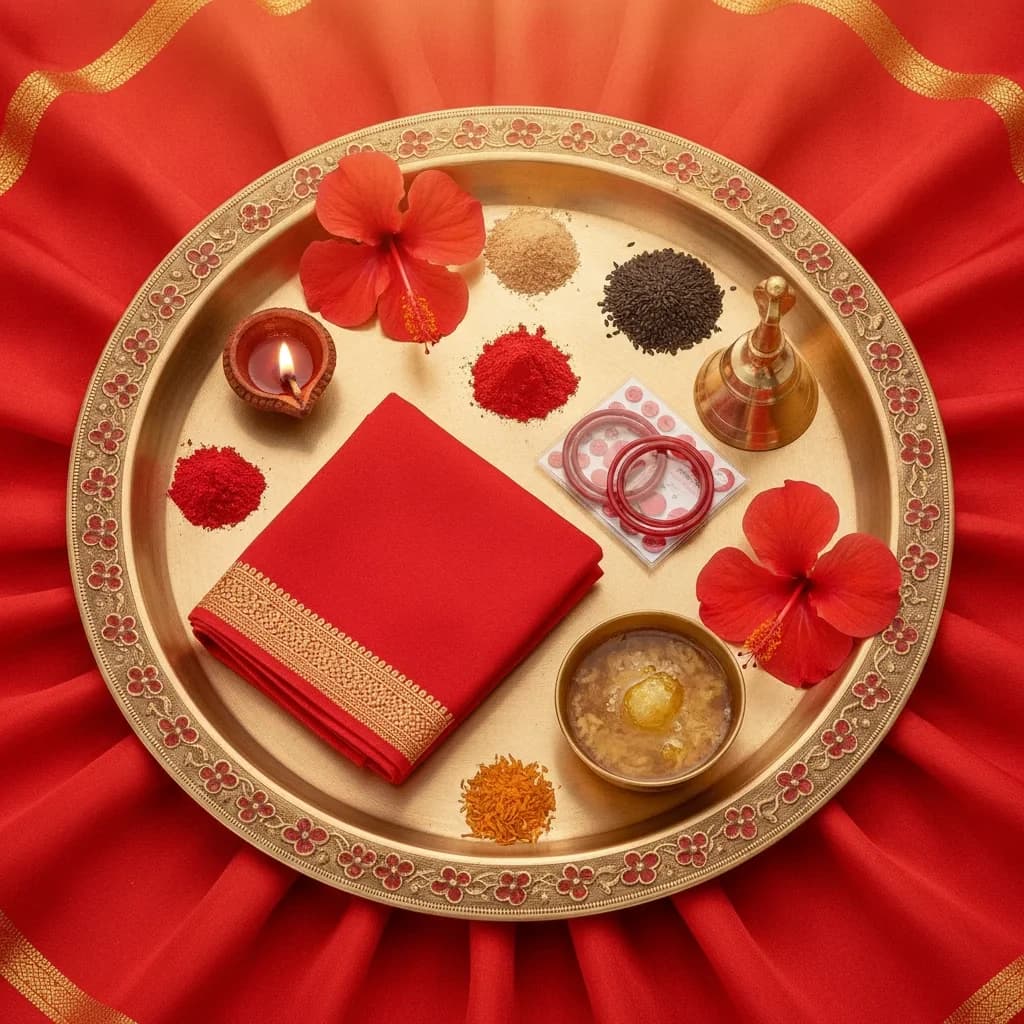
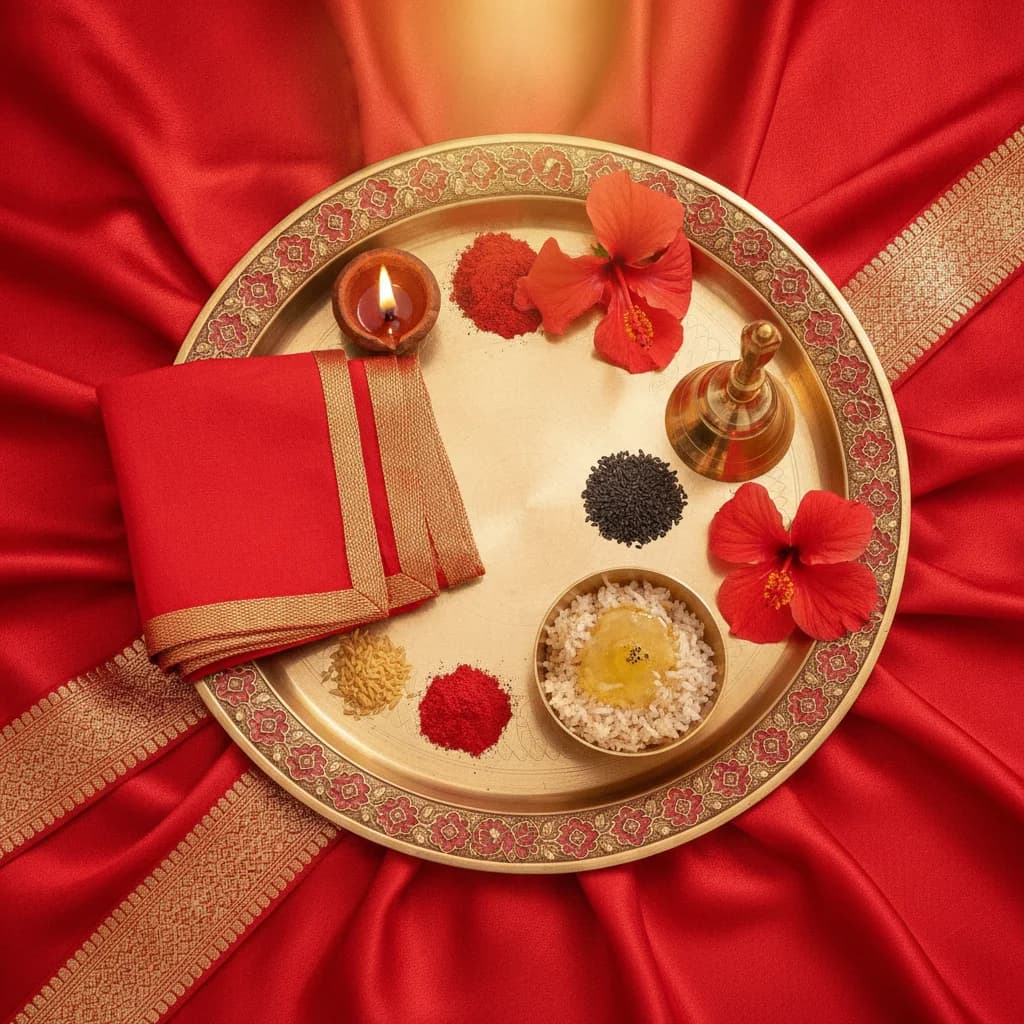
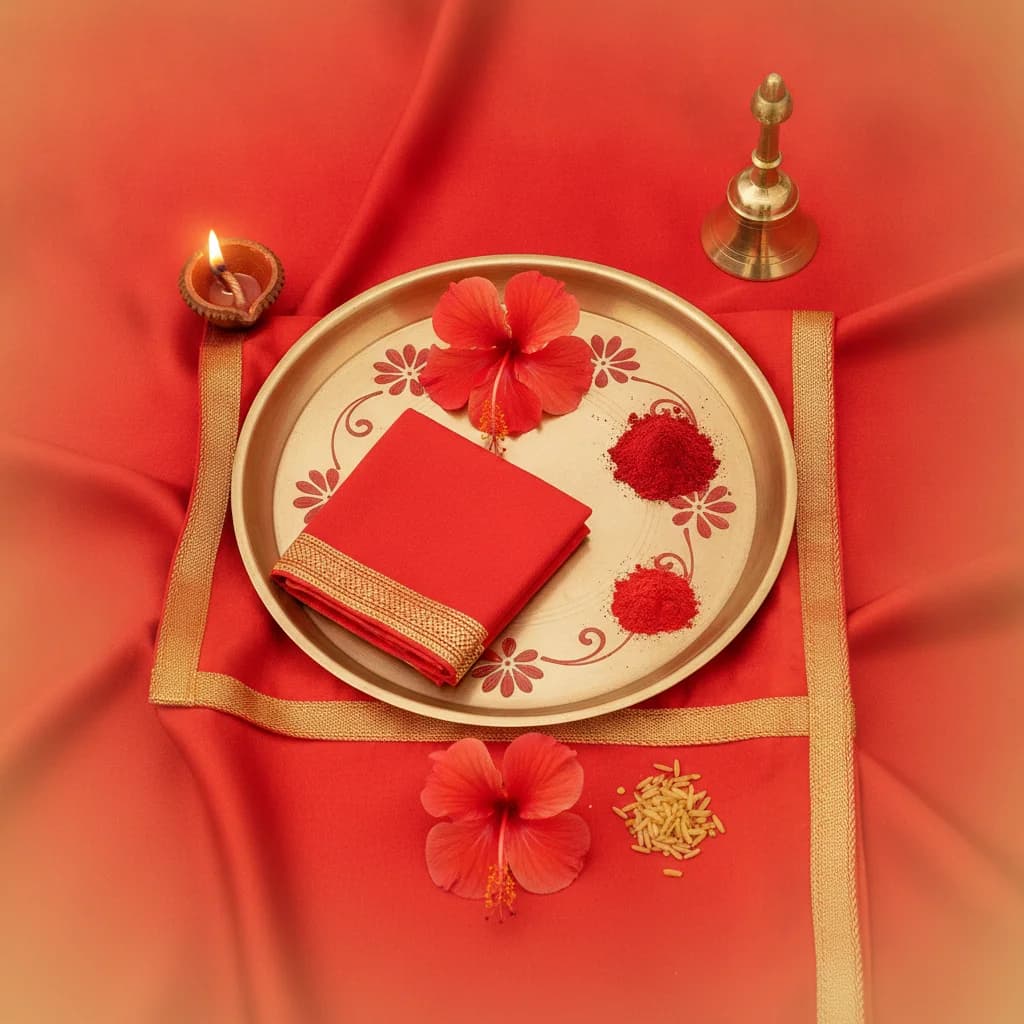
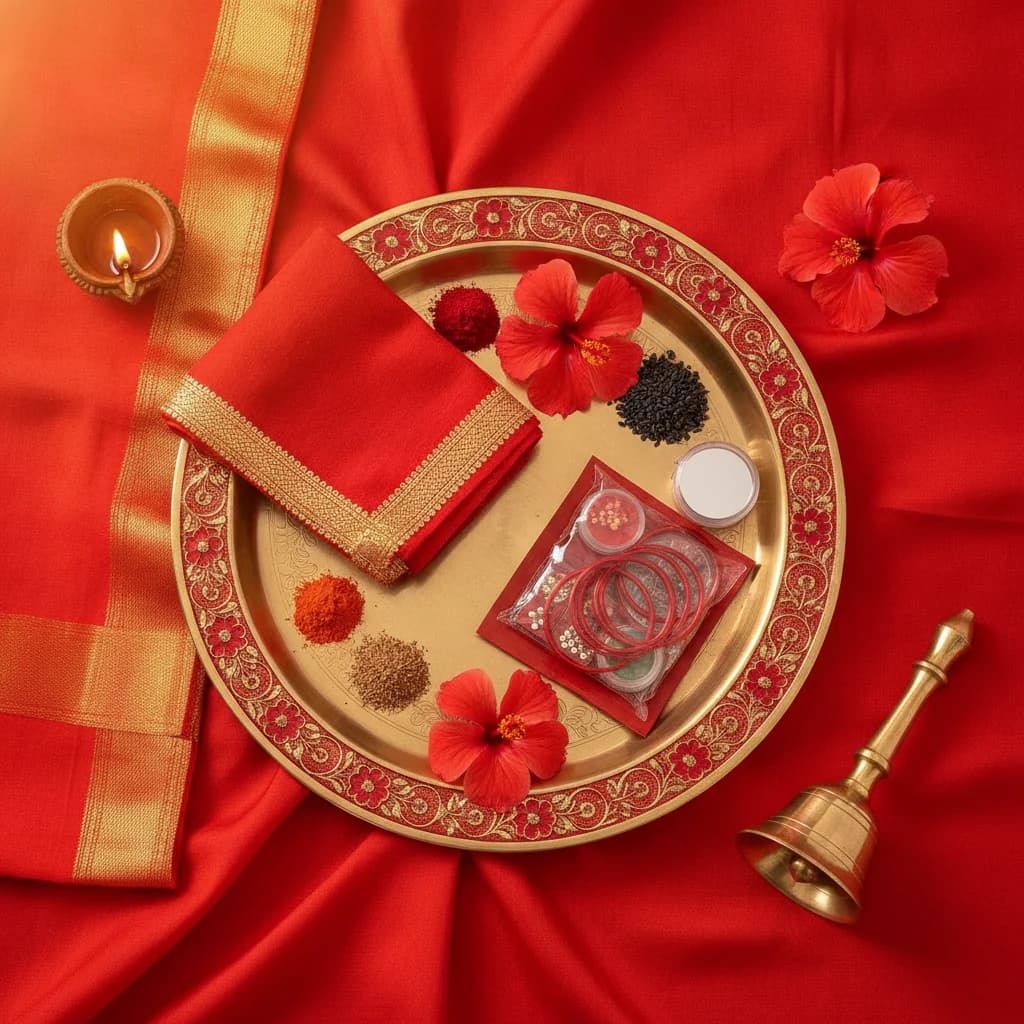
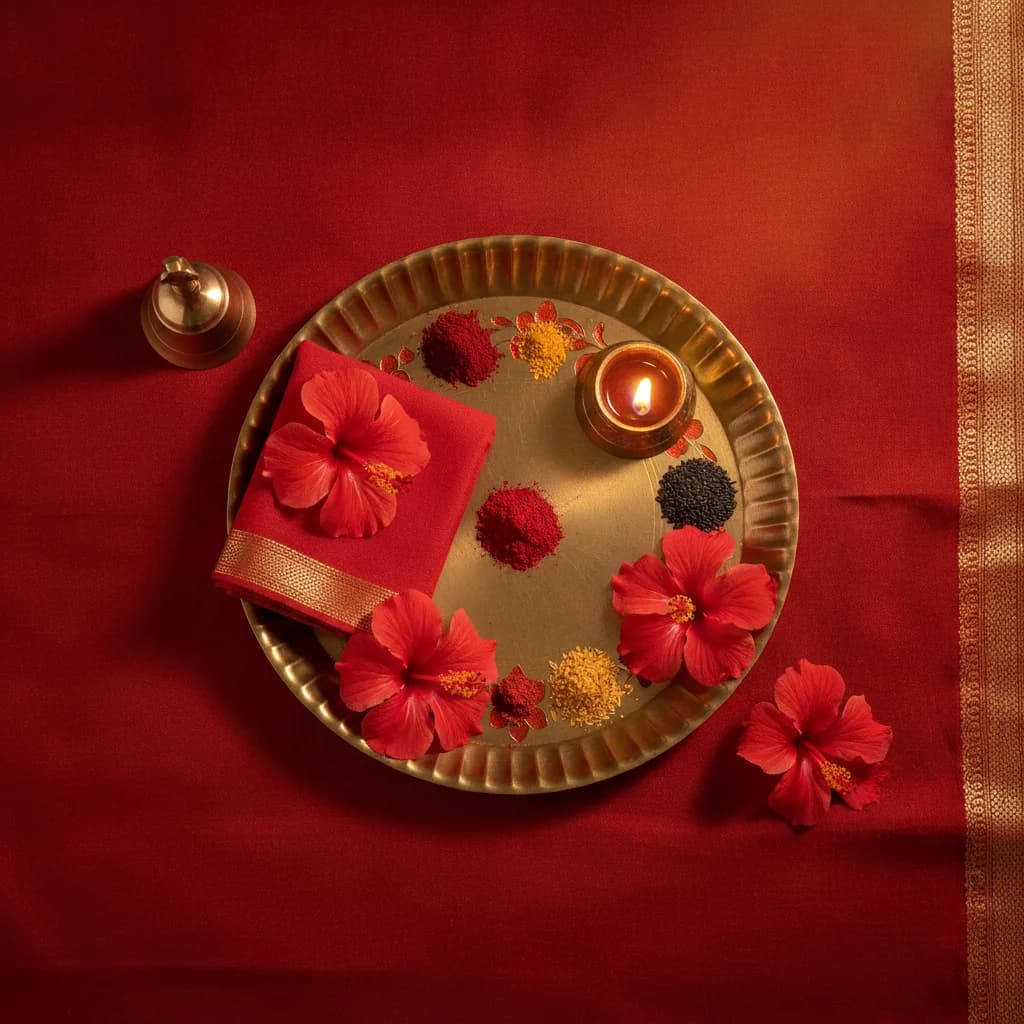
Every name you add is spoken in the tarpan and the yagya sankalp. Choose how many of your family it is taken for.
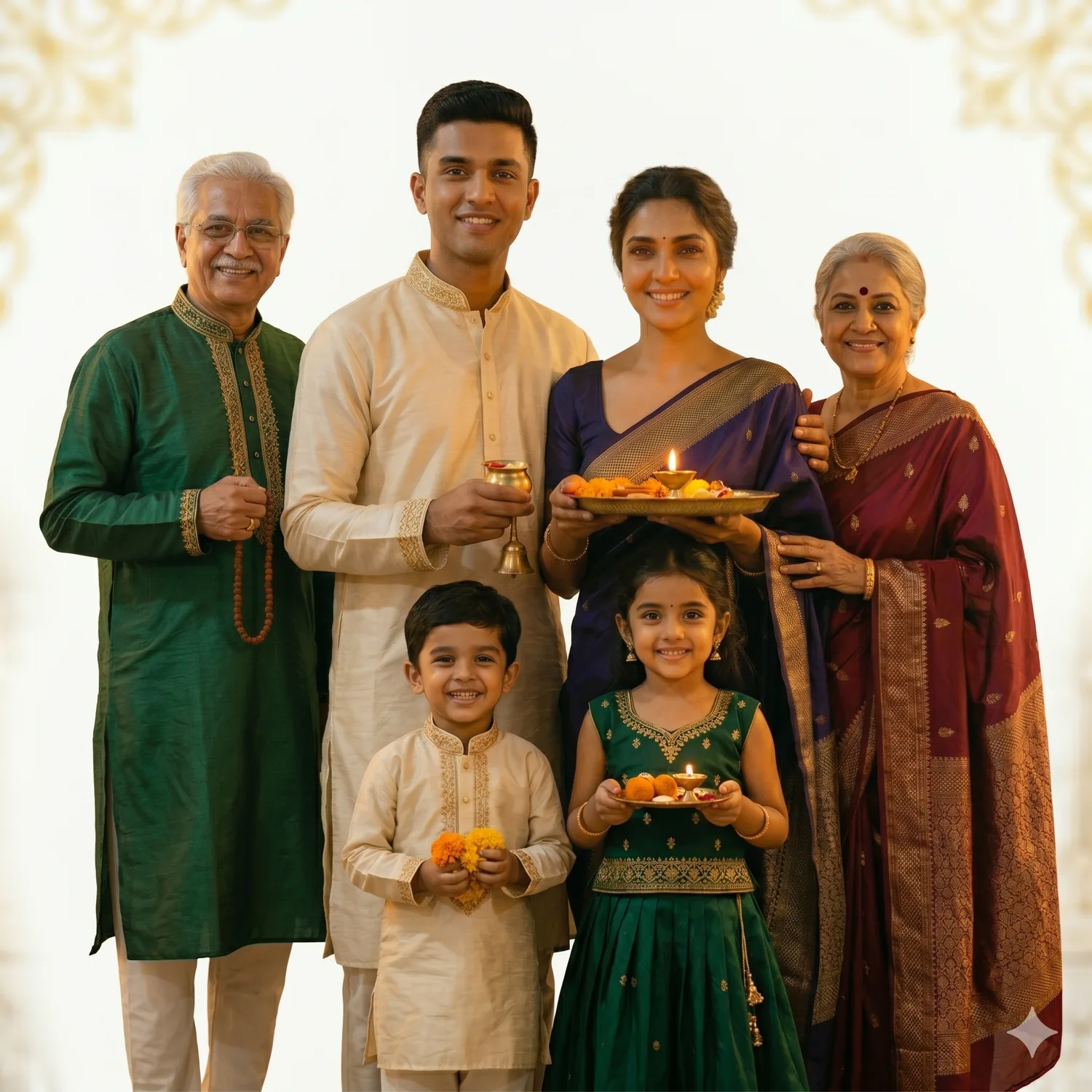



Many devotees add one of these alongside the puja, for gratitude, ancestral remembrance, or a simple act of giving.
Real moments from the sankalps, abhisheks and hawans our pandits have performed at the temples, taken from the puja videos.
Watch real puja & chadhava deliveries, sent to devotees on WhatsApp after completion.
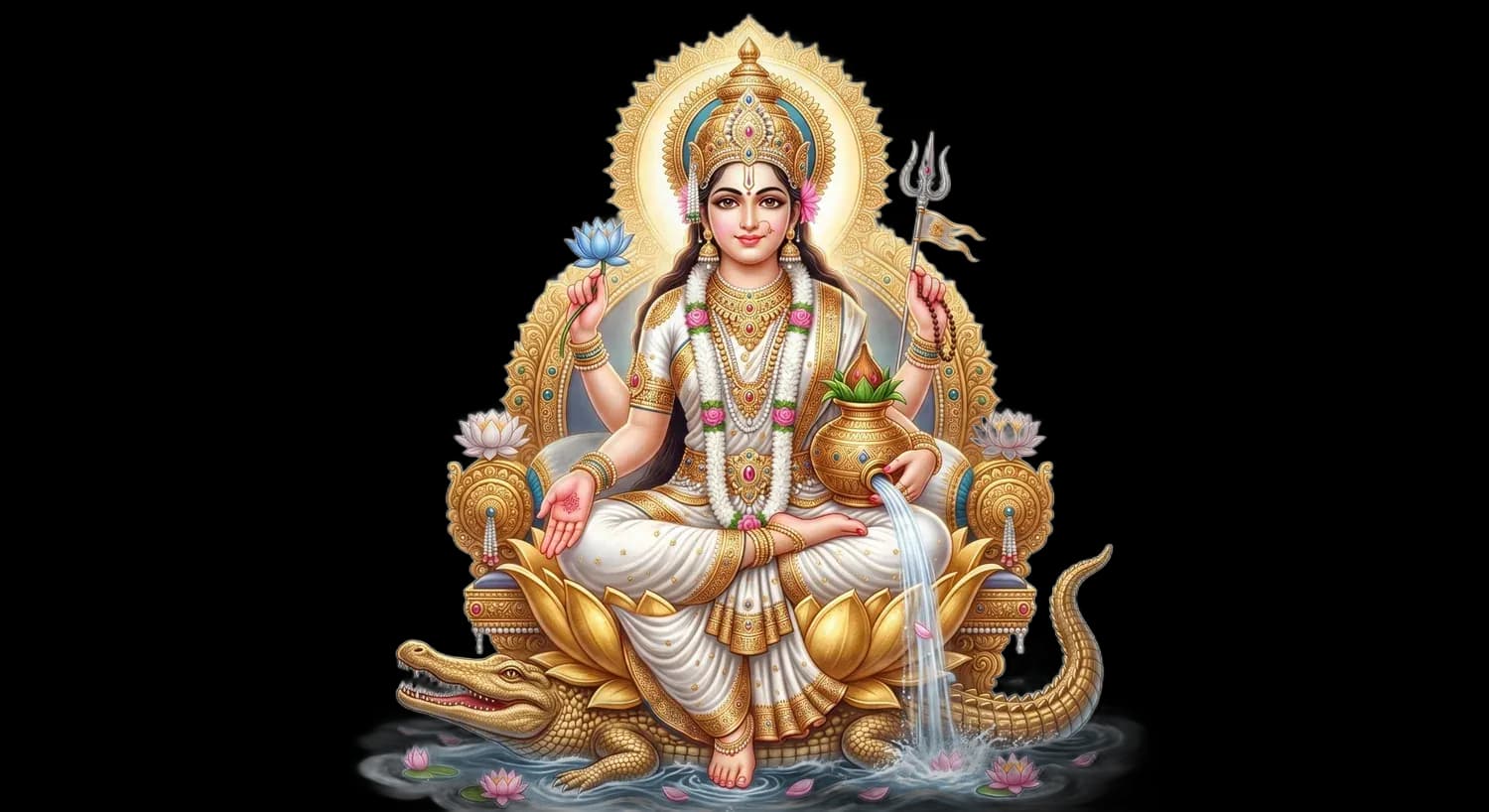
About Har Ki Paudi, Ganga Ghat, HaridwarHar Ki Paudi at Haridwar is where the Ganga leaves the mountains and first meets the plains, and the stone of its ghat is held to bear the footprint of Vishnu, which gives the steps their name, the steps of Hari. Here the Ganga is not only a river but a Mother. The Ramayana tells that the sixty thousand sons of King Sagar lay as ash until Bhagiratha’s penance brought her down, and her waters carried them to swarga, which is why a family still brings its ancestors to her. Every evening the aarti sends lamps floating down her current. On Matru Navami, the one day kept for the mothers, their tarpan is offered into the river that is herself a mother.
 How the ritual is performed
On Matru Navami the tarpan and the Matru Shanti Yagya are carried on the Ganga at Har Ki Paudi in your naam-gotra, for the mothers of your line.

 Why Divyachadhava
Families want to hear their mothers named at the Ganga, see the chunri and sindoor offered, and know it was done on Matru Navami itself.

Sixty thousand sons of King Sagar lay as ash until Bhagiratha brought the Mother Ganga down to carry them to swarga. Matru Navami, once a year, is the one day kept for the mothers of a family. At Har Ki Paudi, where the Ganga first meets the plains, tarpan is offered in your naam-gotra for the mothers of your line.