 Book Puja

 Special Puja
 Sanatan SahityaMy Account
Each offering is carried in your name-gotra as part of the same ritual at the temple.
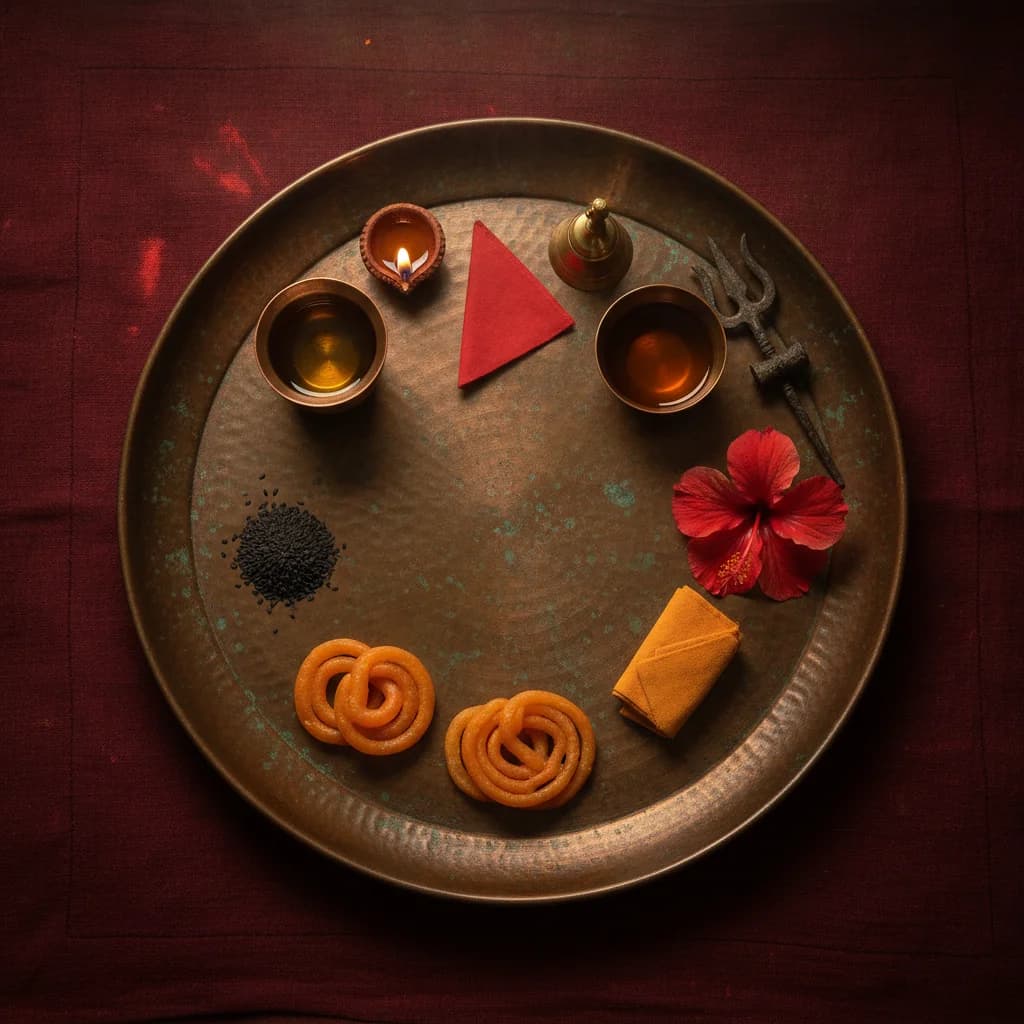
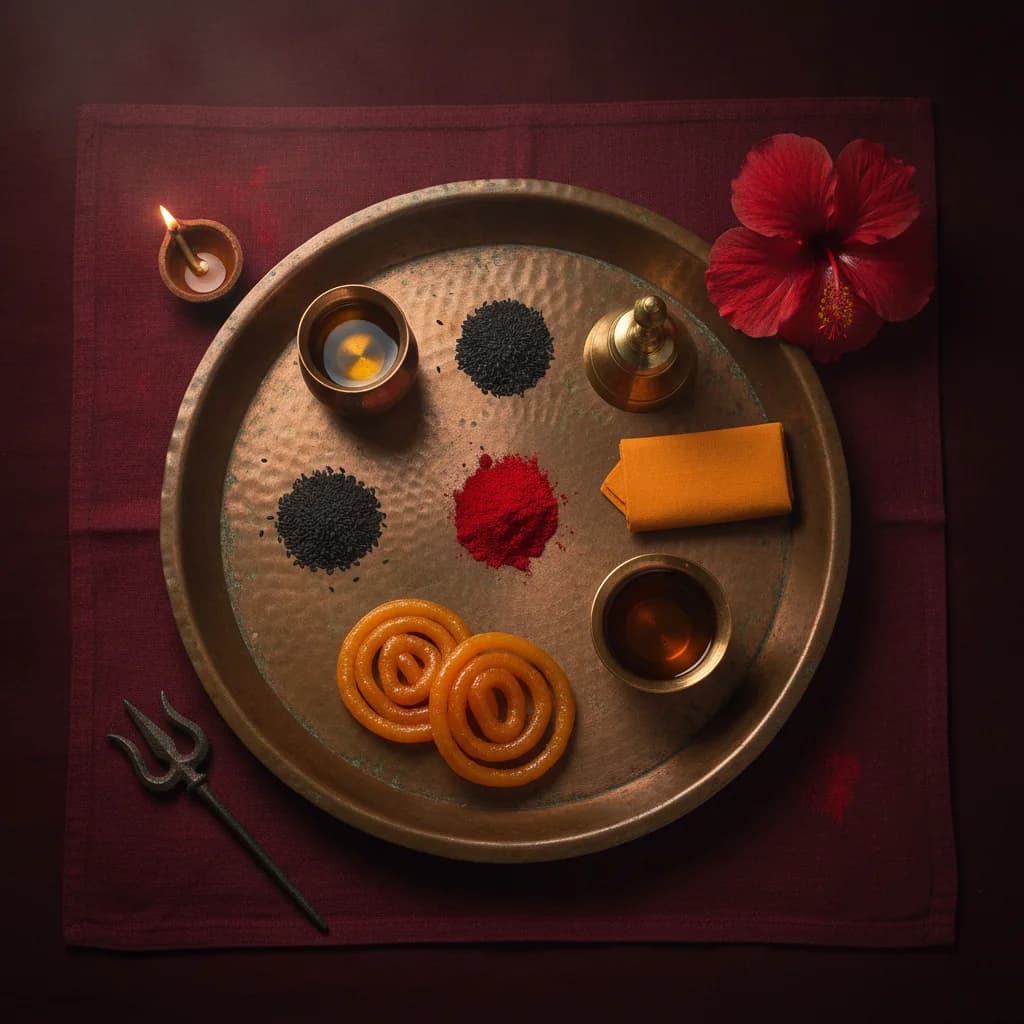
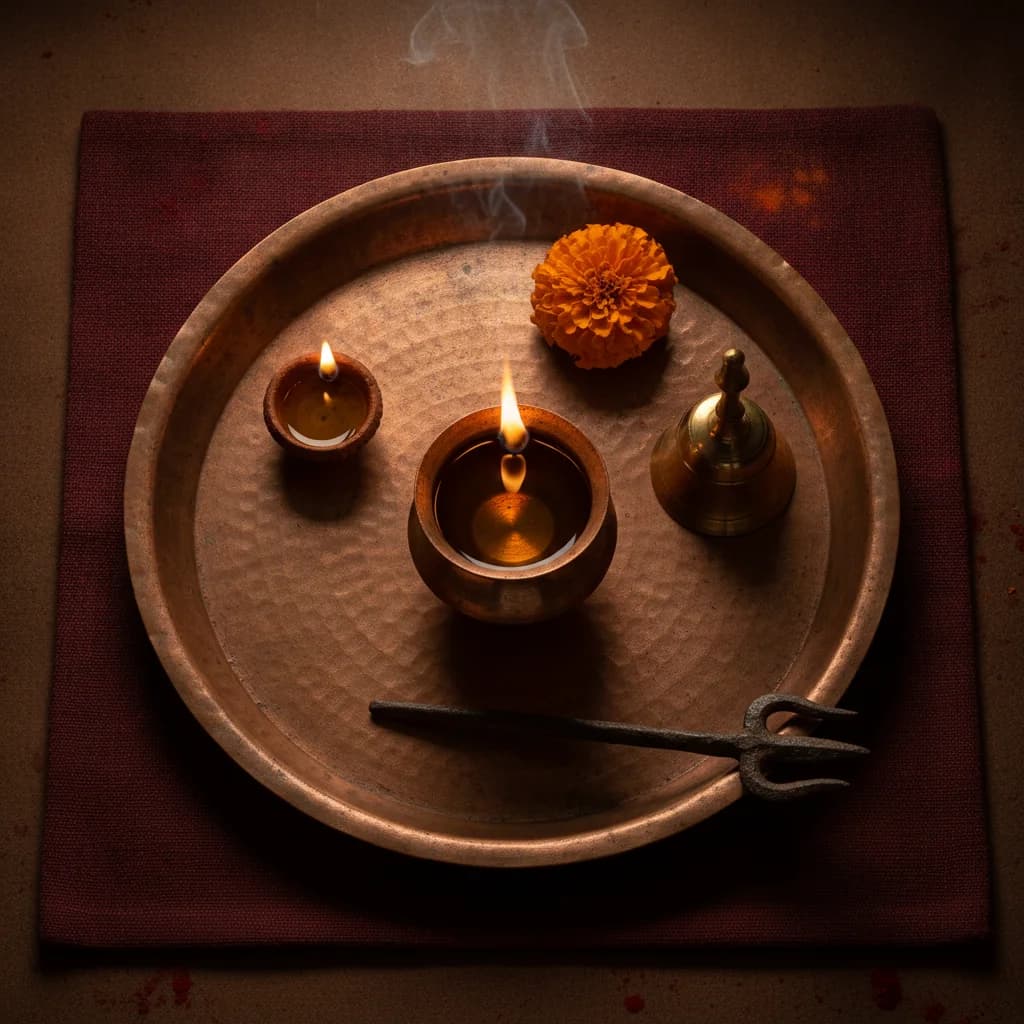
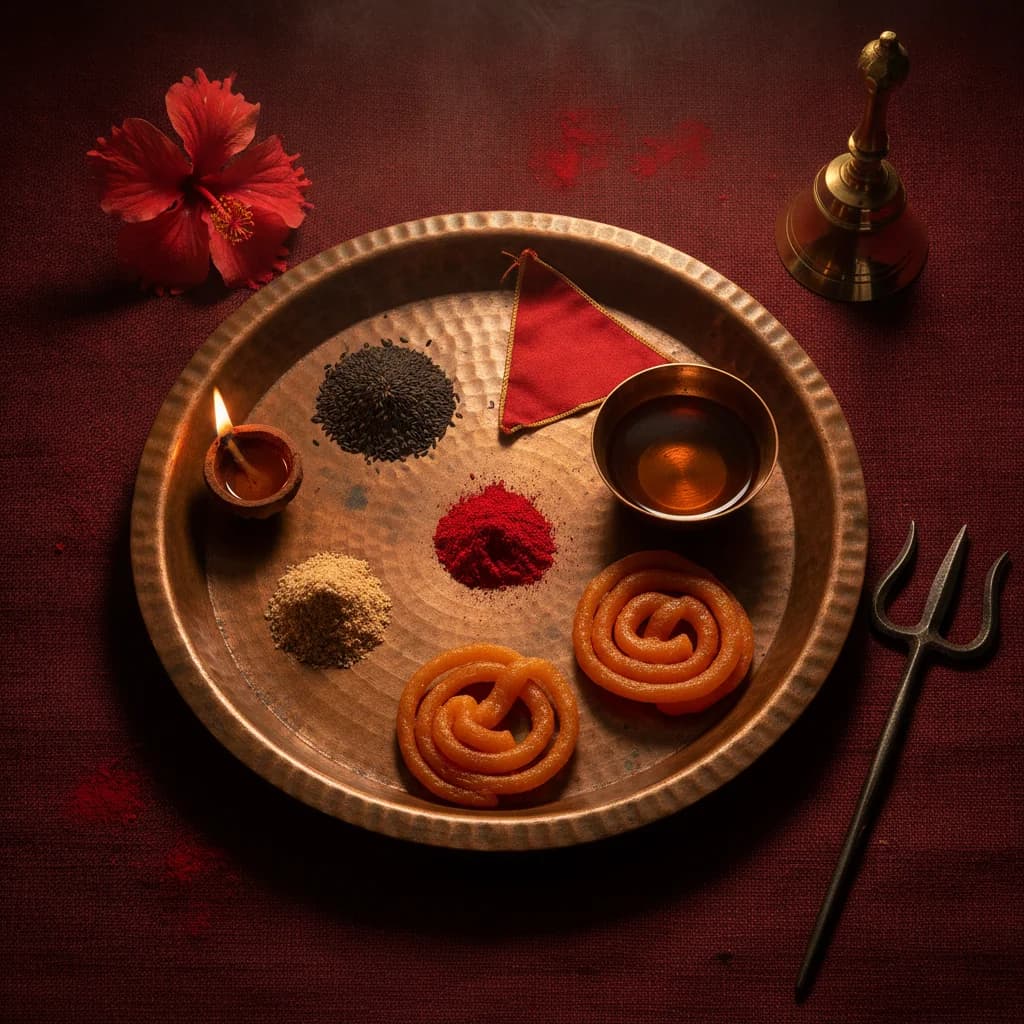
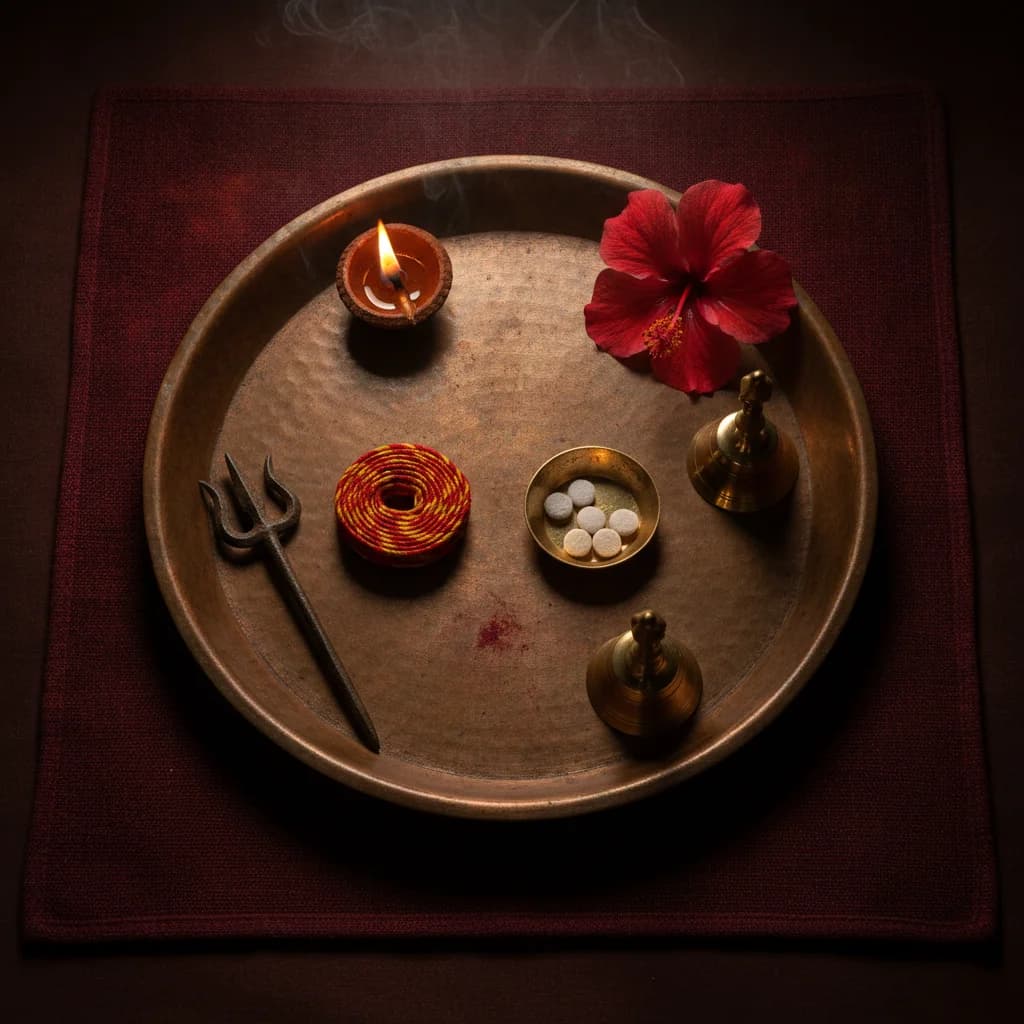
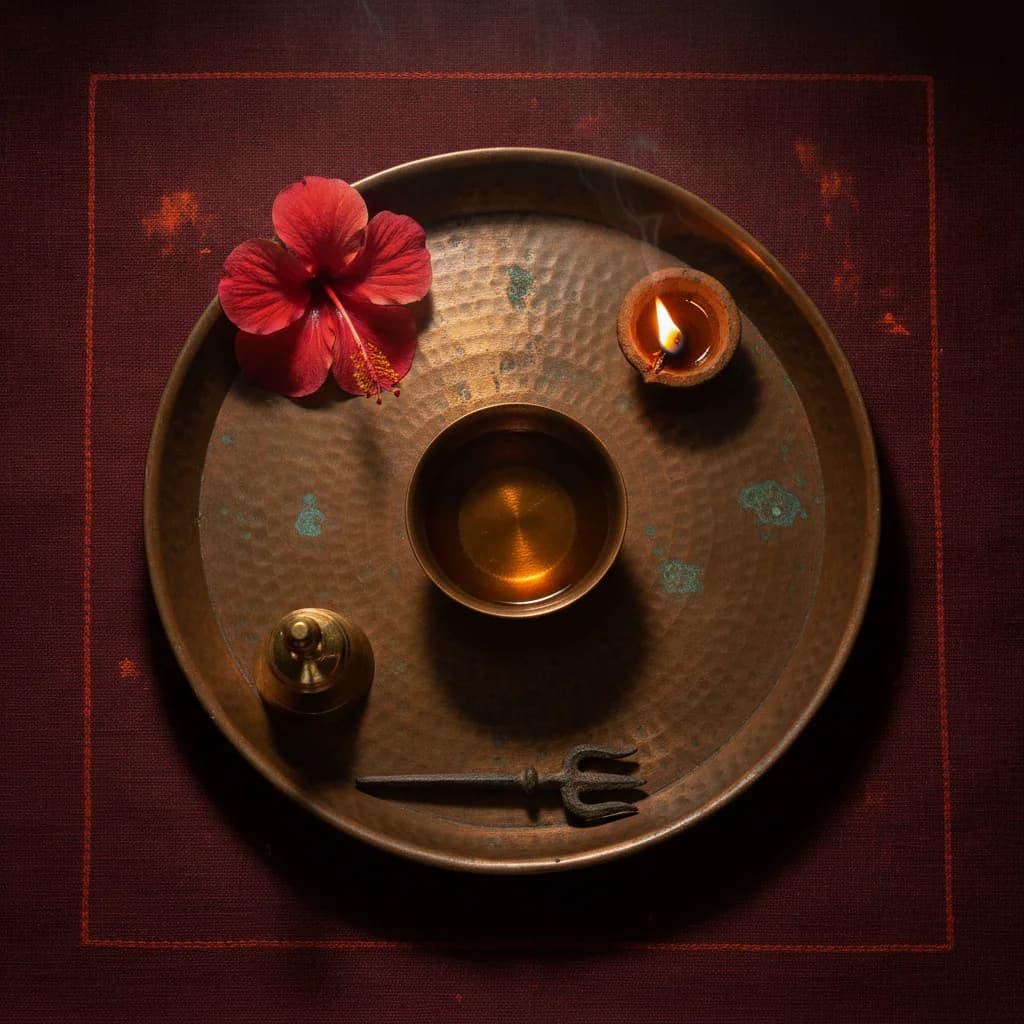
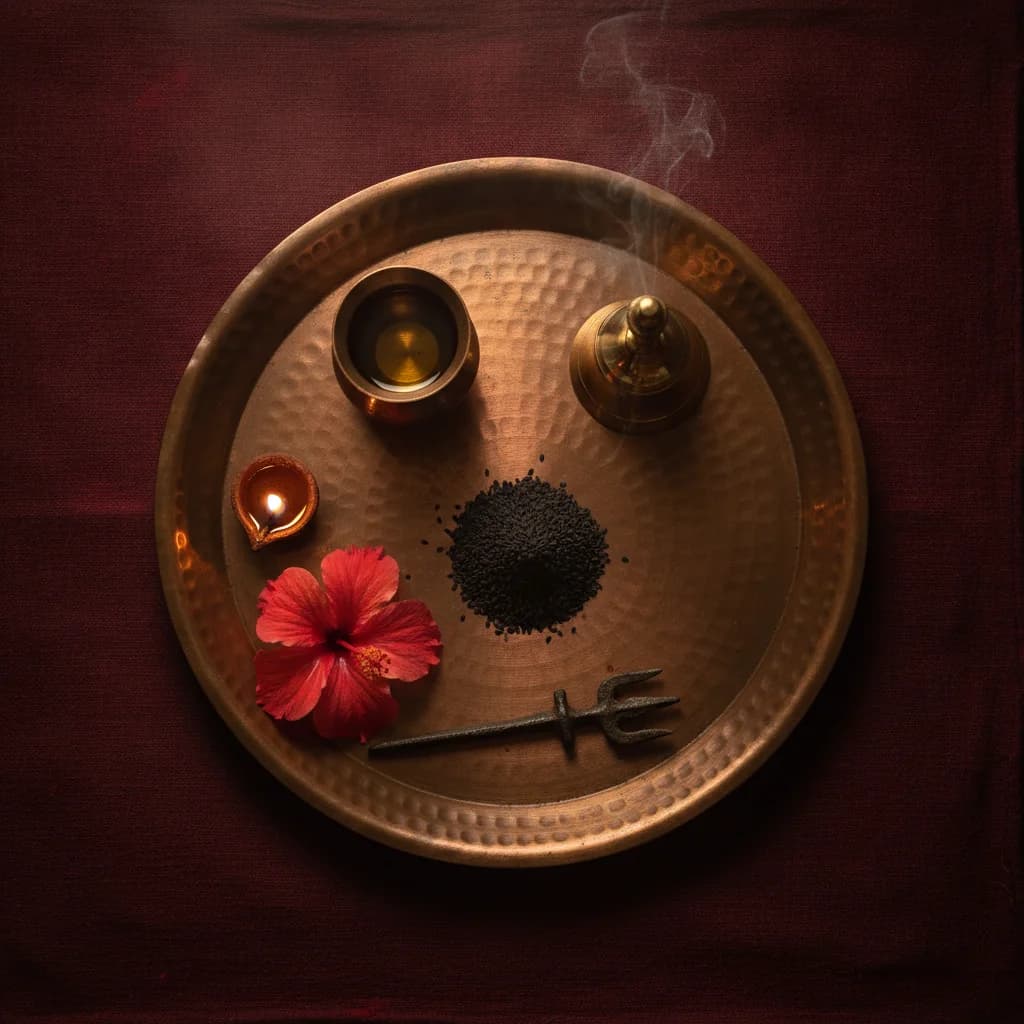
Every name you add is spoken before Kaal Bhairav in the yagya sankalp. Choose how many of your family it is taken for.


Many devotees add one of these alongside the puja, for gratitude, ancestral remembrance, or a simple act of giving.
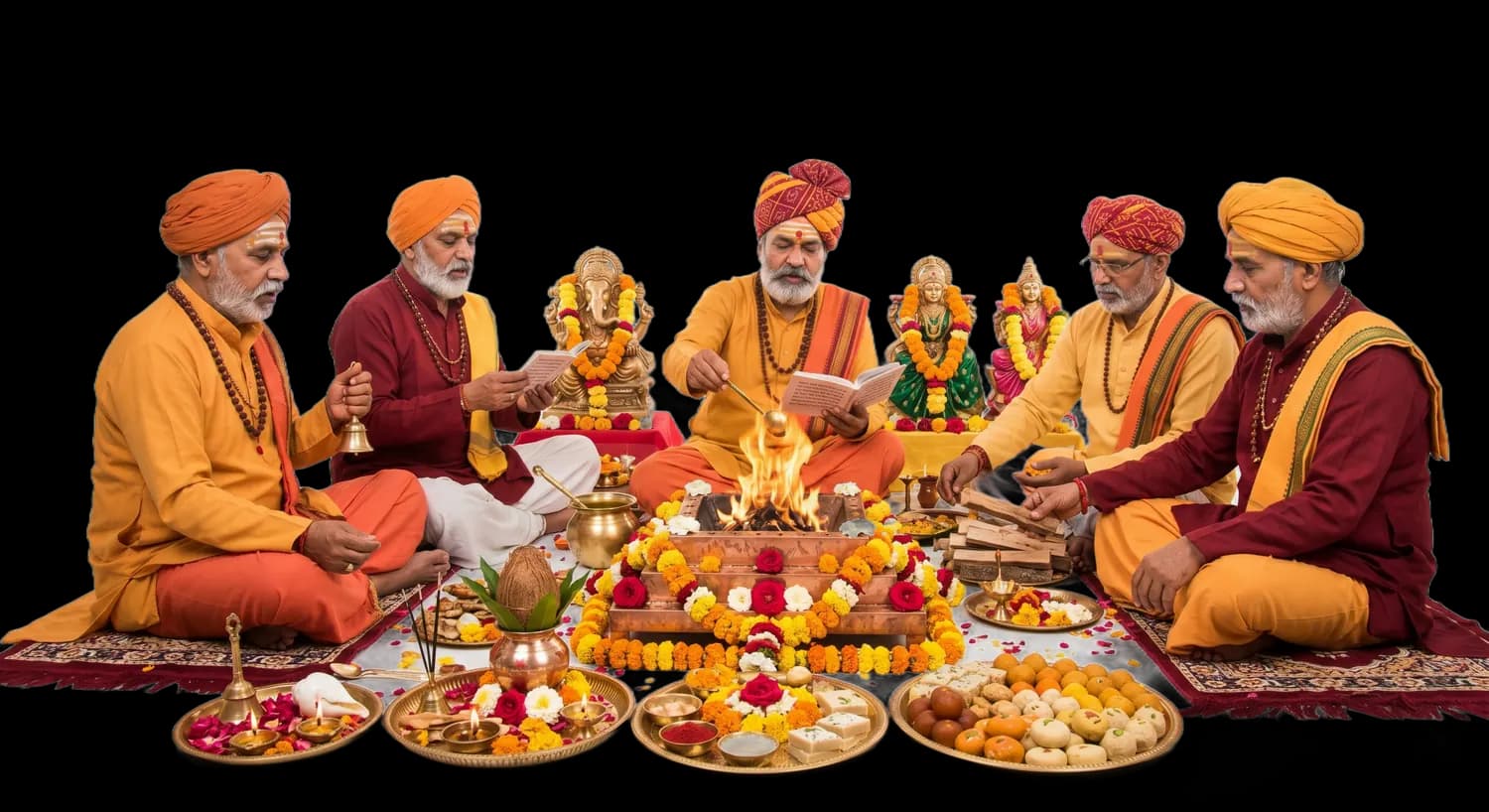
Real moments from the sankalps, abhisheks and hawans our pandits have performed at the temples, taken from the puja videos.
Watch real puja & chadhava deliveries, sent to devotees on WhatsApp after completion.
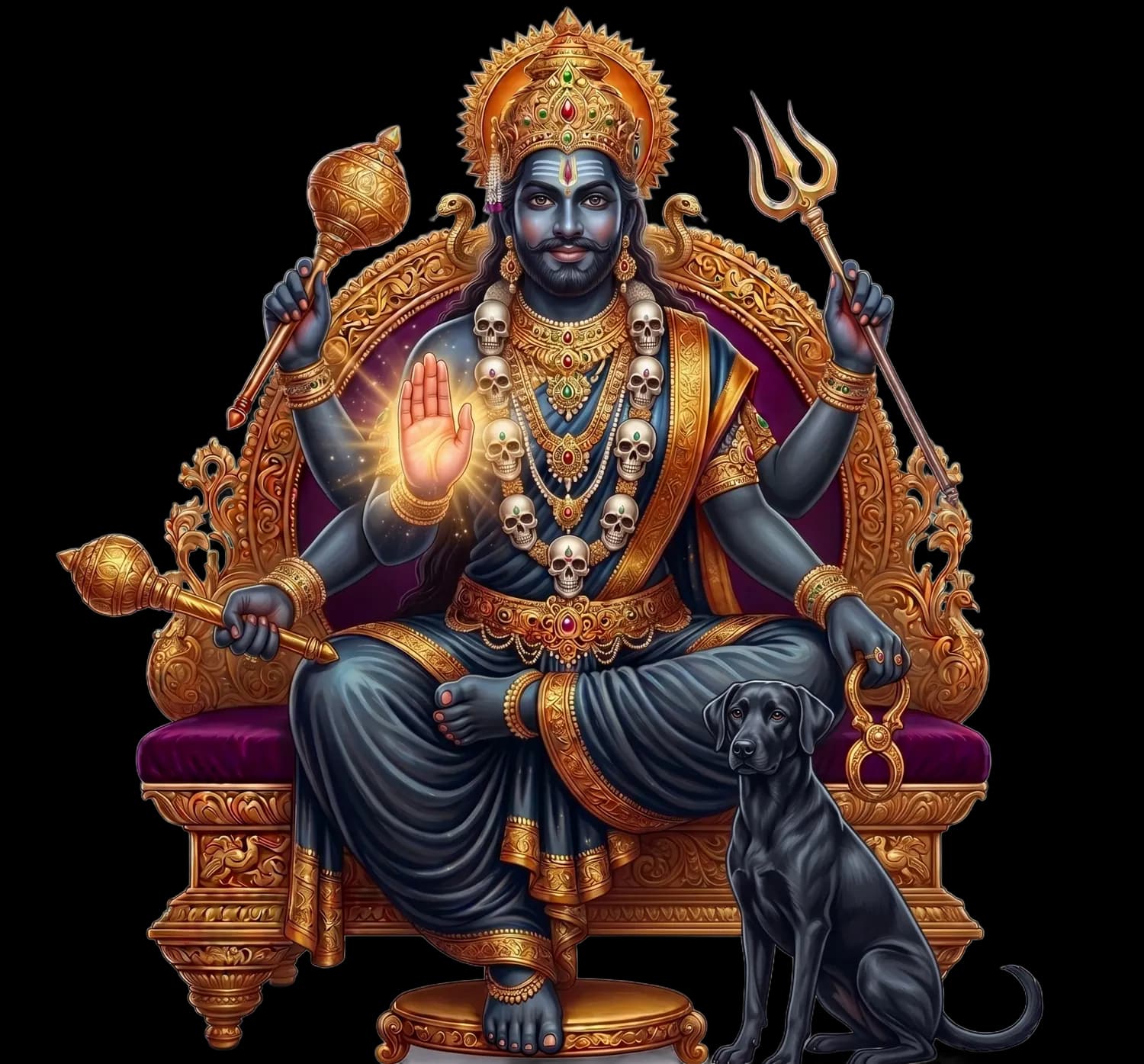
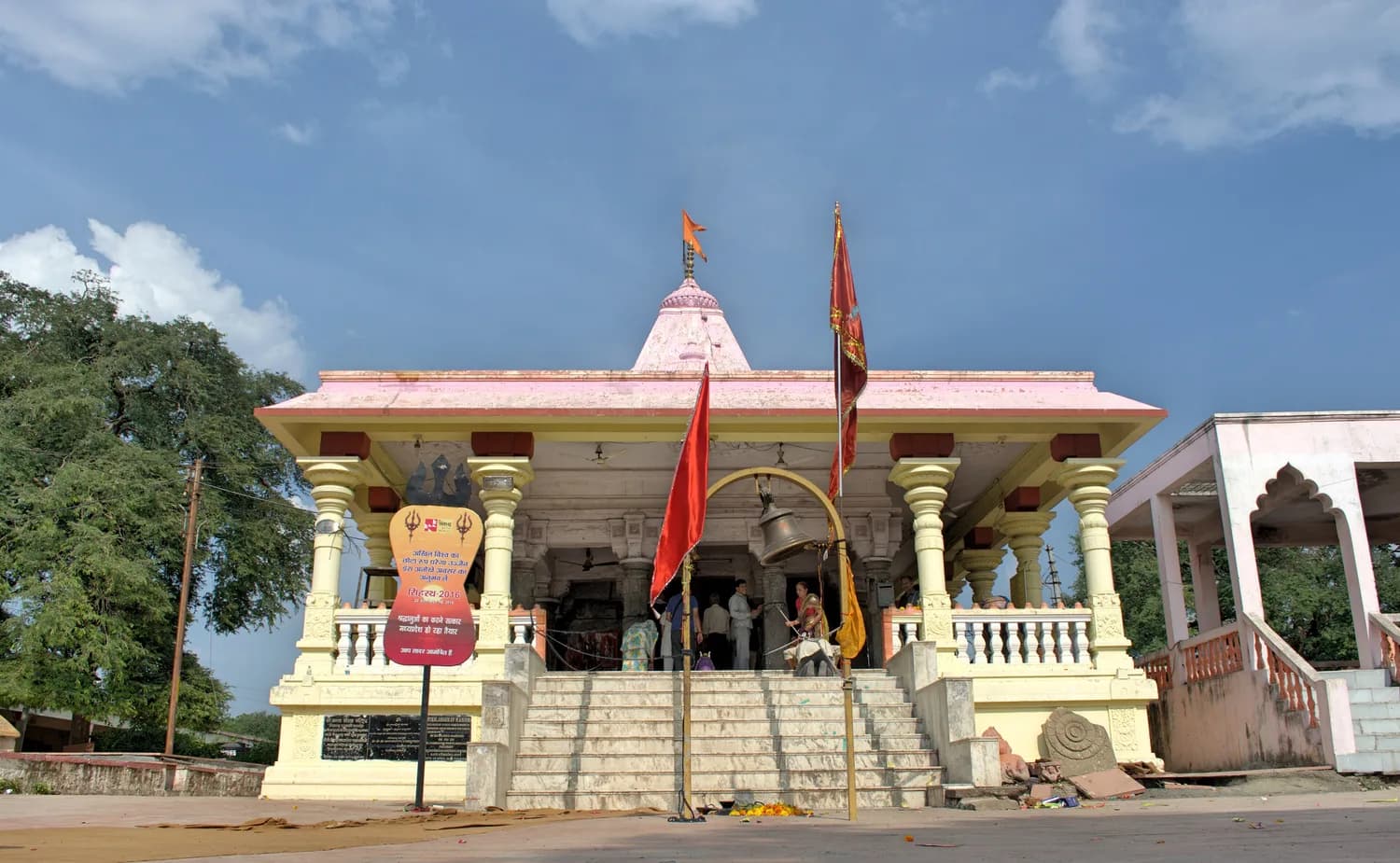
About Shri Kaal Bhairav MandirKaal Bhairav is worshipped at Ujjain as the Kotwal, the guardian of the city of Mahakal, the one who keeps watch at night when everyone else is asleep. Madira is offered to him as bhog, and by tradition he wears a turban sent by the Scindia family of Gwalior, after Mahadji Scindia once laid his own turban at Bhairav’s feet and asked for victory. The Shiva Purana tells why the frightened come to him in particular: after Bhairav struck off Brahma’s fifth head, the sin of it followed him through every world in a terrible form, and only at Kashi did it fall away. He knows what it is to be followed. On Kartik Kalashtami, the night sacred to him, people bring him what follows them: the evil eye after good news, the bad dreams, the fear with no reason, the stranger on the road home.

 How the ritual is performed
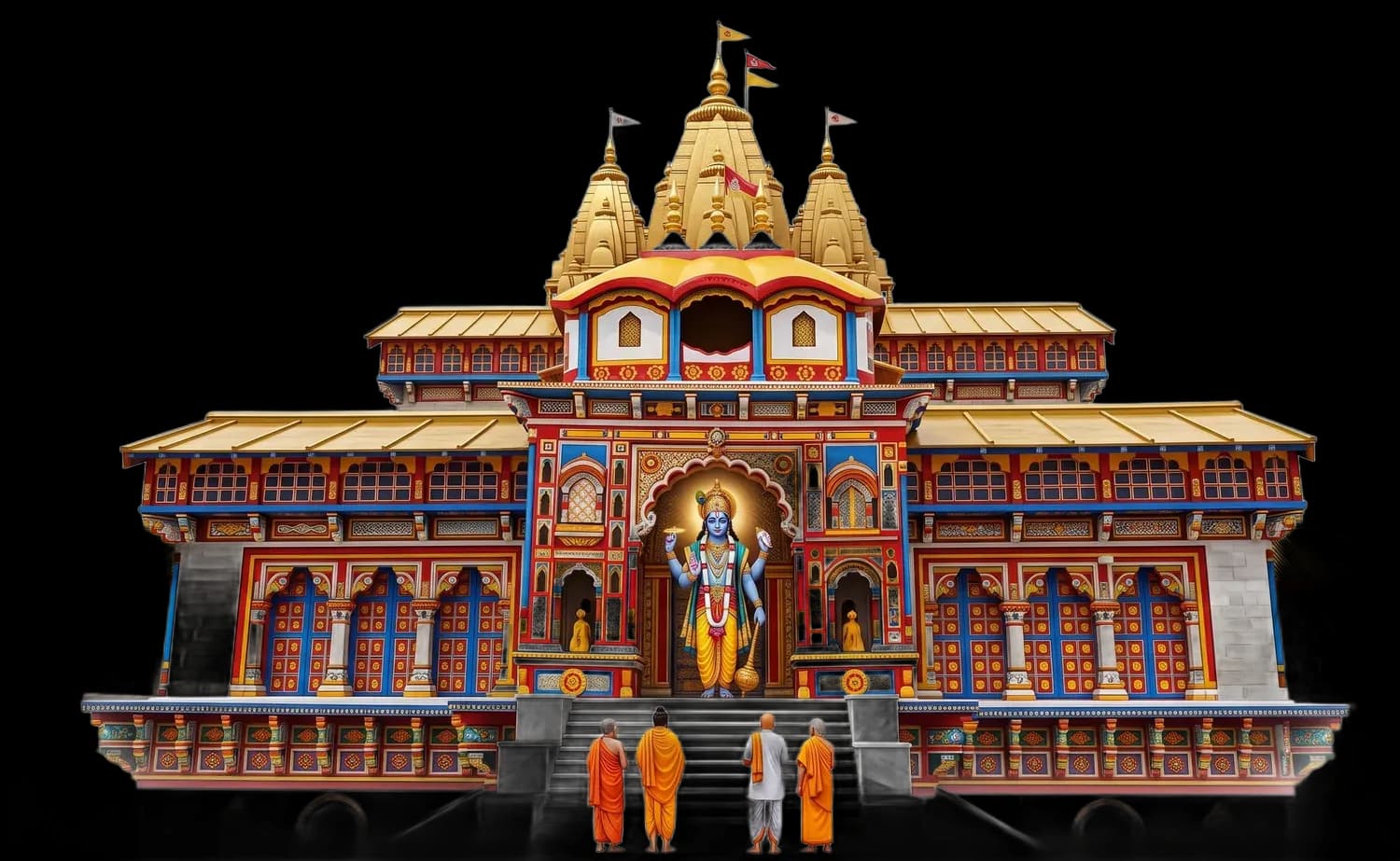
On Kartik Kalashtami the arpan, the Ashtakam and the Raksha Havan are carried at Shri Kaal Bhairav Mandir, Ujjain, in your naam-gotra.


 Why Divyachadhava
Devotees want their name spoken clearly before Kaal Bhairav, the rite done on Kartik Kalashtami itself, and a video they can show the family.


The Shiva Purana tells that when Bhairav struck off Brahma’s fifth head, the sin of it, Brahmahatya, followed him through every world, and only at Kashi did it let go. So when someone follows you, or a fear stays day and night, families go to Bhairav. On Kartik Kalashtami, once a year, your naam-gotra is placed before him at Ujjain.