
 ॐ नमो नारायणाय
Kamada Ekadashi, observed in the bright half of Chaitra, is famed for the katha of Lalita and Lalit, whose devotion freed a cursed soul from a demon's form and fulfilled every desire.
What Is Kamada Ekadashi
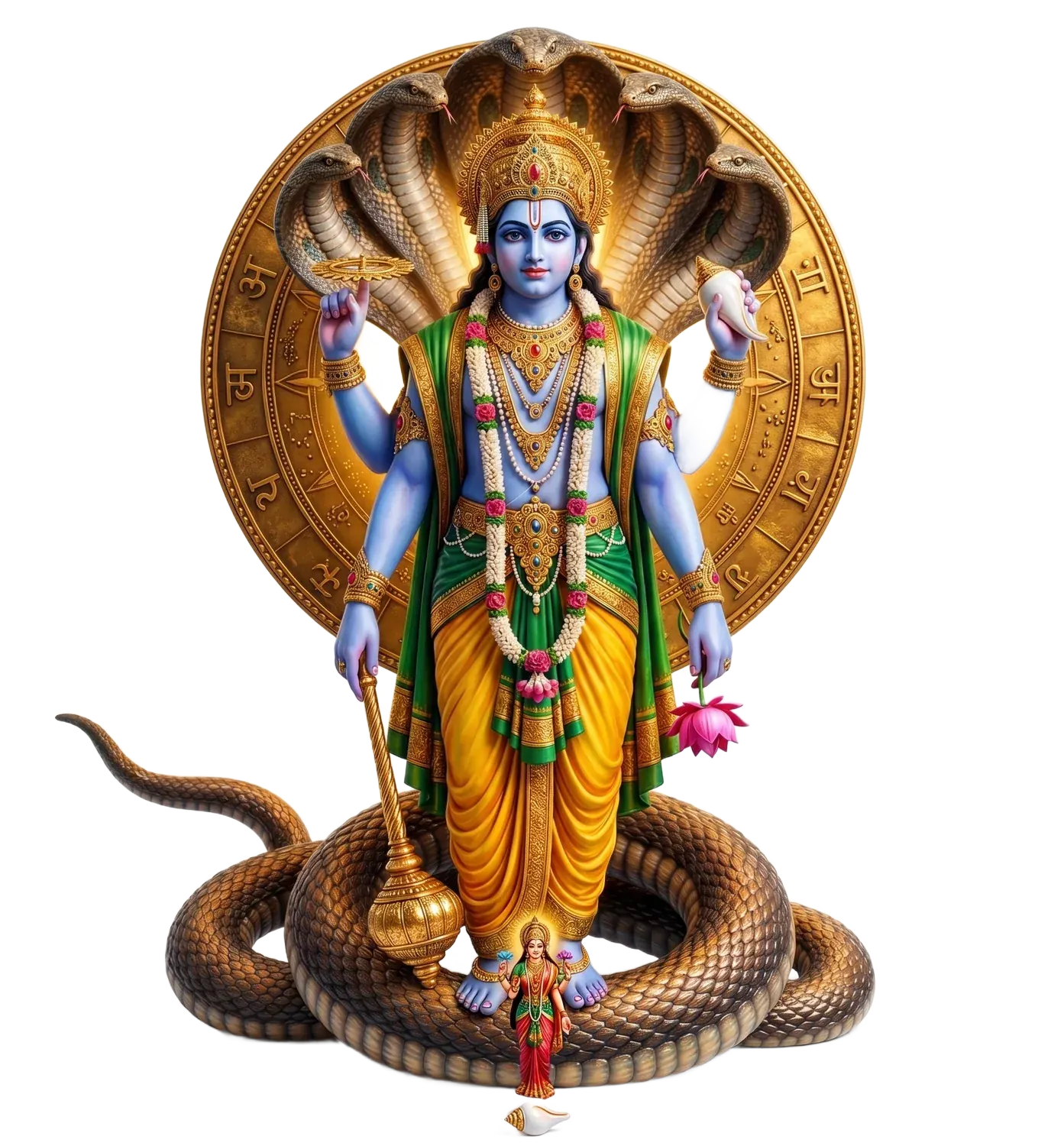
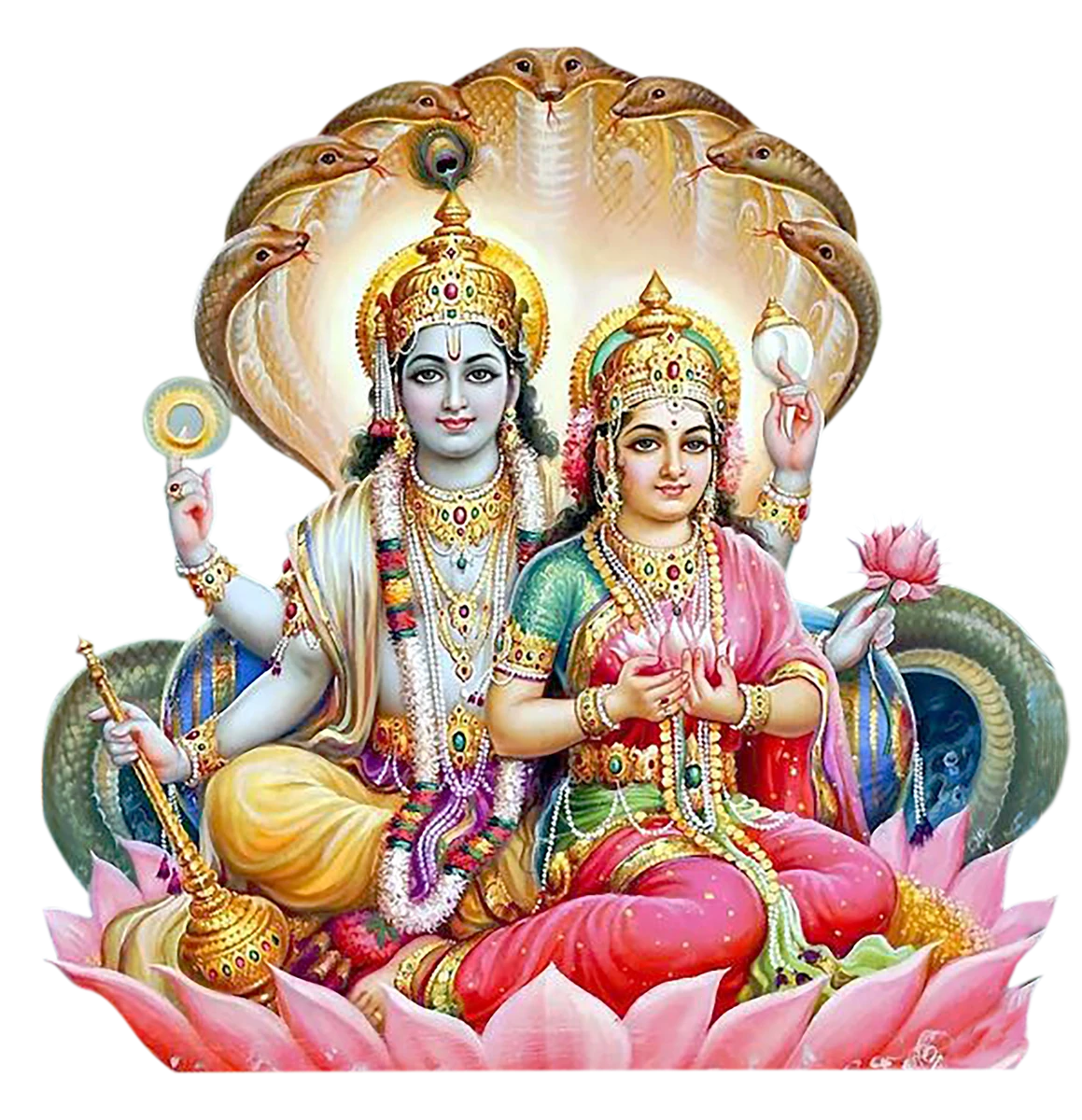
Kamada Ekadashi is observed on the eleventh day (Ekadashi) of the bright half (Shukla Paksha) of the Hindu month of Chaitra, usually falling in March or April, marking the first Ekadashi of the Hindu new year according to the traditional calendar. The name Kamada comes from kama, meaning desire or wish, and da, meaning to give, so Kamada Ekadashi literally means the Ekadashi that grants one's wishes. It is dedicated to Lord Vishnu and is considered one of the most powerful vrats for the fulfillment of righteous desires and the removal of past sins.
The Katha of Lalita and Lalit
The story of Kamada Ekadashi is narrated in the Padma Purana as told by King Yudhishthir's question to Lord Krishna, who then recounts it as the sage Vashishtha once told it to King Dilip. In the city of Ratnapur, ruled by King Pundarik, there lived a Gandharva named Lalit, celebrated for his extraordinary singing, and his beloved wife Lalita, an Apsara of great beauty. The two were deeply devoted to each other, their love so complete that Lalit could rarely bear to be apart from Lalita even for the duration of his court duties.
One day, King Pundarik was hosting the sage Karkotak and other seers at his court, and Lalit was called to sing before them. Even as he sang, his mind remained fixed on Lalita, and in this state of distraction, his voice faltered in both tune and rhythm, breaking the sanctity of the assembly's mood. A snake named Karkotak, who was present in the assembly as a curse-bound being himself, recognized the lapse and, angered that Lalit had disrespected the sacred gathering by letting lust for his wife interrupt his devotion to his craft and duty, cursed Lalit on the spot to become a flesh-eating demon, a Rakshasa, hideous in form and cut off from the company of gods and men.
Lalit was instantly transformed, his beautiful form replaced by a monstrous one, and he was banished to the forest to live out his curse in torment and isolation. Lalita, grief-stricken but unwavering in her devotion, refused to abandon her husband. She followed him into the forest and served him faithfully even in his demonic form, weeping at his suffering but never leaving his side.
Wandering through the forest one day, Lalita came upon the ashram of the sage Shringi on the slopes of Mount Vindhya. She fell at his feet and, through her tears, told him the entire story of Lalit's curse, begging for a way to free her husband from his torment. The compassionate sage, moved by her unbroken devotion, told her of a vrat of immense power, Kamada Ekadashi, which falls in the bright half of Chaitra, and instructed her that if she observed this fast with complete faith and dedicated its merit to her husband, the curse would be lifted.
Lalita observed the Kamada Ekadashi vrat exactly as the sage had instructed, fasting with unwavering devotion to Lord Vishnu and, at the close of the vrat, offering its entire merit to Lalit for his liberation. The moment she made this offering, the curse was broken. Lalit's demonic form fell away and his original radiant Gandharva form was restored, and he rose before her freed from the sage's curse entirely, his devotion to duty and his love for Lalita both intact and purified through her sacrifice. The couple, reunited in their true forms, returned to their life together, and from that day, Kamada Ekadashi became known across the three worlds as the vrat capable of freeing even the most cursed soul and fulfilling the deepest, most righteous desires of the heart.
Why This Ekadashi Is Called Wish-Fulfilling
The katha of Lalita is cited by the sages as proof that even a soul transformed into a demon by a curse for a lapse born of excessive attachment could be restored through the power of this single vrat, observed with sincerity and dedicated with selfless love. Lord Krishna, in narrating the story to Yudhishthir, states that anyone who observes Kamada Ekadashi is freed from the sin of killing a Brahmin, the sin of drinking liquor, and other grave transgressions, and that the fast, performed correctly, grants whatever righteous desire the heart holds, whether for prosperity, progeny, liberation from difficulty, or spiritual advancement.
Puja Vidhi and Fasting Rules
Preparation begins on Dashami, the day before, with a light satvik meal and avoidance of tamasik food. On Ekadashi, devotees rise before sunrise, bathe, and offer worship to Lord Vishnu with yellow flowers, tulsi leaves, panchamrit, and a ghee diya, reading or listening to the katha of Lalita and Lalit as part of the day's observance.
A full fast is kept, nirjala for those with the strength and health, or phalahari with fruits and milk for others, avoiding rice and grains completely. Devotees keep a jagran, a night vigil with bhajans and kirtan, on the night of Ekadashi wherever possible, since this is considered especially meritorious for this vrat. The fast is broken the next morning, Dwadashi, after completing the puja, and it is common to donate food, clothes, or money to Brahmins and the needy at this time, dedicating the merit of the fast, as Lalita did, to the wellbeing of one's own family or to whatever righteous wish one holds.
Benefits and Mahatmya
Kamada Ekadashi vrat is described in the Padma Purana as equal in merit to performing the Ashvamedha Yajna, and it is said to remove even grave sins, fulfill righteous desires, and grant liberation to any soul, however burdened by past karma, exactly as it freed Lalit from his curse. It is regarded as one of the most powerful of the year's Ekadashis for anyone seeking release from a long-standing difficulty or the fulfillment of a heartfelt, dharmic wish.
FAQ
Answered below are the questions devotees most often ask about Kamada Ekadashi.
Quick guide
Before you begin
Mantra
Vishnu mantra
Om Namo Bhagavate Vasudevaya
Chant before katha or aarti while praying for protection, dharma, and peace.
Bhav
Benefits devotees pray for
FAQ
Common questions
What is the story behind Kamada Ekadashi?
It is the katha of Lalita and her Gandharva husband Lalit, who was cursed into a demon form for a lapse of devotion caused by distraction. Lalita observed Kamada Ekadashi and dedicated its merit to him, breaking the curse and restoring his true form.
Why is Kamada Ekadashi called the wish-fulfilling fast?
Kama means desire and da means to give, so the name itself means the Ekadashi that grants wishes. It is described in the Padma Purana as capable of fulfilling any righteous, dharmic desire when observed with true devotion.
Is a night vigil (jagran) necessary on Kamada Ekadashi?
It is not compulsory but is considered especially meritorious for this particular vrat. Devotees who can, keep a jagran with bhajans and kirtan on the night of Ekadashi.
What sins does this vrat remove according to scripture?
Lord Krishna tells Yudhishthir that observing Kamada Ekadashi removes even grave sins such as the sin of killing a Brahmin or drinking liquor, and grants merit equal to performing the Ashvamedha Yajna.
Seek Fulfillment of Your Wishes with a Vishnu Puja
Let our pandits perform a dedicated Vishnu puja in your name and gotra on Kamada Ekadashi, seeking Lord Vishnu's grace for your heartfelt, righteous wishes.