



 जय हनुमान ज्ञान गुण सागर
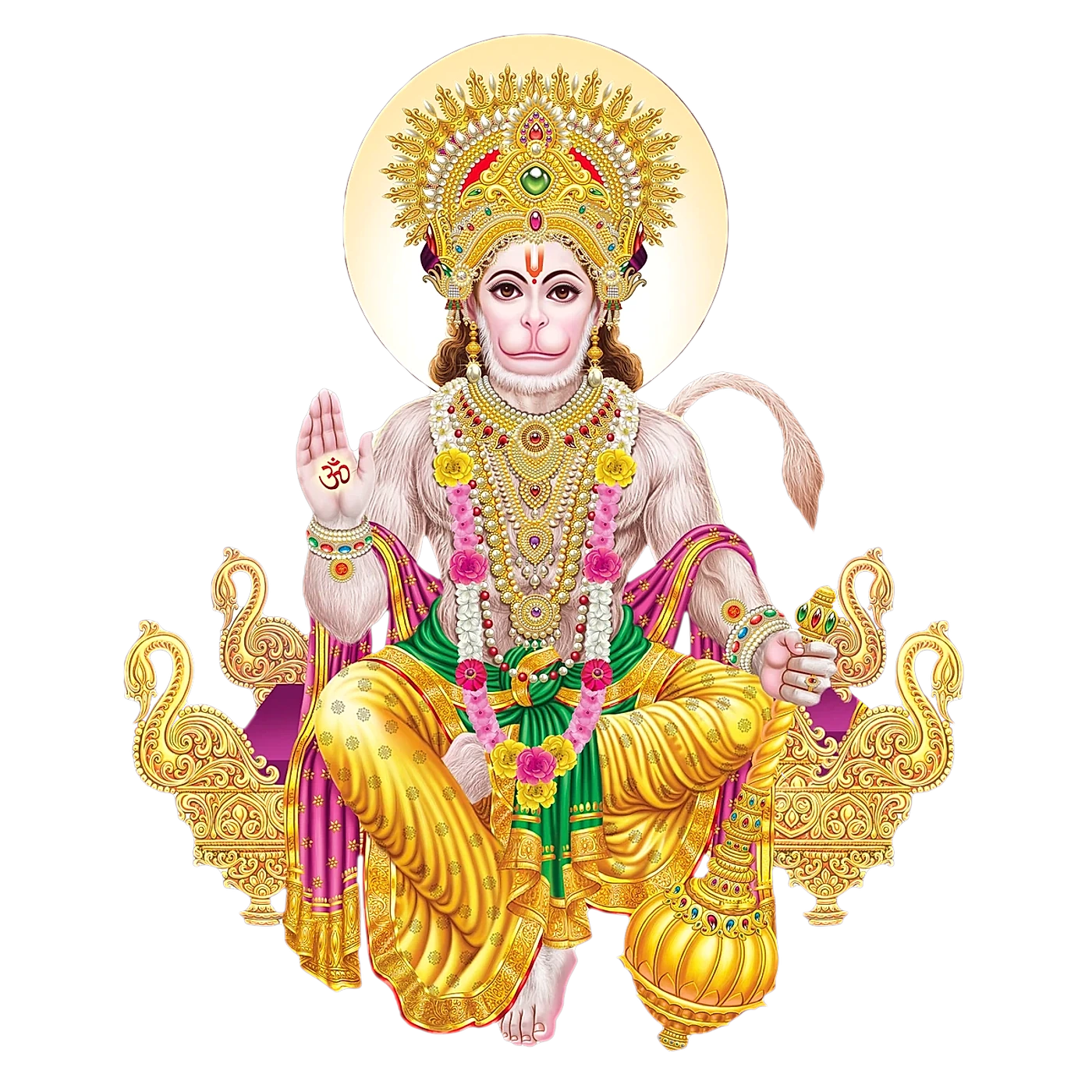
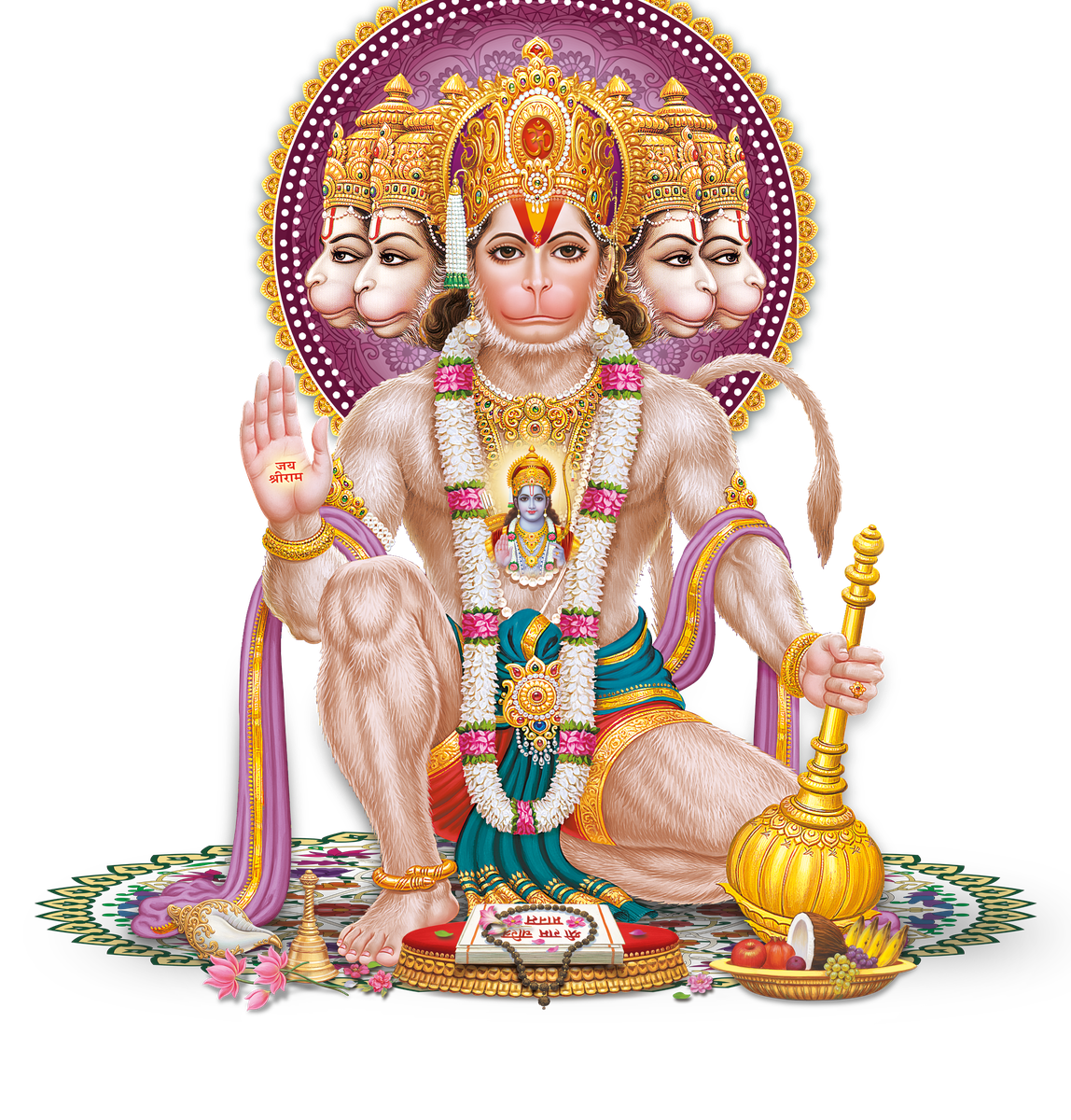
Sunderkand, the fifth canto of the Ramcharitmanas, narrates Hanuman ji's leap to Lanka and is chanted for courage, protection and the removal of obstacles.
Sunderkand is the fifth of the seven kands (cantos) of Goswami Tulsidas ji's Ramcharitmanas. It is the only canto whose hero is not Shri Ram himself but Shri Hanuman ji, and for this reason it is considered the most auspicious portion of the Ramcharitmanas to recite for courage, protection, removal of obstacles, and fulfilment of difficult tasks. "Sunder" means beautiful or auspicious, and the canto is named so because it describes Hanuman ji's beautiful, victorious leap across the ocean to Lanka in search of Mata Sita.
Why Sunderkand Is Read Separately
While the full Ramcharitmanas has seven kands, Sunderkand alone is recited as an independent path in almost every Hindu household, especially on Tuesdays and Saturdays, the days sacred to Hanuman ji. It is believed that wherever Ramkatha is recited with devotion, Hanuman ji himself is present, weeping with joined palms in bhakti. Sunderkand is read to invoke exactly this presence of Hanuman ji — as a remover of fear, illness, negative energy, financial trouble and delay in auspicious work.
The Five Invocatory Shlokas (Mangalacharan)
Before the main path begins, five Sanskrit shlokas are traditionally recited to invoke blessings:
शान्तं शाश्वतमप्रमेयमनघं निर्वाणशान्तिप्रदं ब्रह्माशम्भुफणीन्द्रसेव्यमनिशं वेदान्तवेद्यं विभुम्। रामाख्यं जगदीश्वरं सुरगुरुं मायामनुष्यं हरिं वन्दे$हं करुणाकरं रघुवरं भूपालचूड़ामणिम् ॥ १ ॥
नान्या स्पृहा रघुपते हृदयेऽस्मदीये सत्यं वदामि च भवानखिलान्तरात्मा। भक्तिं प्रयच्छ रघुपुंगव निर्भरां मे कामादिदोषरहितं कुरु मानसं च ॥ २ ॥
अतुलितबलधामं हेमशैलाभदेहं दनुजवनकृशानुं ज्ञानिनामग्रगण्यम्। सकलगुणनिधानं वानराणामधीशं रघुपतिप्रियभक्तं वातजातं नमामि ॥ ३ ॥
गोष्पदीकृतवारीशं मशकीकृतराक्षसम्। रामायणमहामालारत्नं वन्दे-अनिलात्मजम् ॥ ४ ॥
यत्र यत्र रघुनाथकीर्तनं तत्र तत्र कृतमस्तकाञ्जलिम्। भाष्पवारि परिपूर्णलोचनं मारुतिं नमत राक्षसान्तकम् ॥ ५ ॥
Meaning: These shlokas salute Shri Ram as the eternal, all-pervading Lord who took human form out of compassion, and then bow to Hanuman ji, whose body shines like a golden mountain, who is a storehouse of virtues, who made the ocean as small as a cow's hoofprint, who reduced mighty demons to the size of mosquitoes, and whose eyes fill with tears wherever the glory of Ram is sung.
What the Sunderkand Narrates
The canto opens with Hanuman ji standing on Mount Mahendra, expanding his body and leaping across the ocean to reach Lanka. On the way he overcomes the demoness Surasa by outwitting her, and slays Simhika, a shadow-catching demon. Taking a tiny form, he enters Lanka at night, searches the city, and finally finds Mata Sita seated in the Ashoka Vatika, grief-stricken and steadfast in her devotion to Ram. He offers her Ram's ring as a token of recognition, comforts her, and offers to carry her back — which she declines, insisting Ram himself must come to defeat Ravana and restore his honour.
Hanuman ji then deliberately allows himself to be captured to gauge the strength of Ravana's court. He warns Ravana to return Sita or face destruction, and when his tail is set on fire as punishment, he uses it to burn down large parts of Lanka before extinguishing it in the sea. He returns to Mount Mahendra and then to Kishkindha and Shri Ram with the joyous news that Sita has been found. The canto closes with the vanar sena's march toward the southern shore, setting the stage for the building of the bridge to Lanka in Yuddha Kand.
A Few Key Chaupais and Their Meaning
जामवंत के बचन सुहाए। सुनि हनुमन्त हृदय अति भाए। तब लगि मोहि परिखेह तुम्ह भाई। सहि दुख कंद मूल फल खाई॥
Meaning: Jamvant's encouraging words pleased Hanuman ji's heart deeply. "Till I return, brothers, wait here, surviving on roots and fruits."
जासु नाम जपि सुनहु भवानी। भव बंधन काटहिं नर ज्ञानी। राम दूत मैं मातु जानकी। सत्य सपथ करुनानिधान की॥
Meaning: Hanuman ji tells Mata Sita, "O Mother Janaki, by chanting whose name even the wise cut through the bondage of worldly existence — I am the messenger of that very Ram; I swear this truth by the compassionate Lord himself."
मंगल मूल जासु रति सोई। कहहु तात केहि कारन रोई। सुनि सुनि कथा हरष हनुमाना। बोलत बचन बिगत सब बाना॥
The concluding doha is:
सुनि सुत बचन हरष हनुमन्ता। बाढ़ी पूँछ बल आयसु दाता। ता ते बल सुत को भा अति भारी। लाग सो तेजपुंज गिरिवर पर॥
How to Perform Sunderkand Path (Vidhi)
1. Bathe and sit facing east or north, on a clean asan (seat), before a picture or idol of Hanuman ji. 2. Light a diya of pure ghee or sesame oil and offer sindoor, a garland of red flowers, and boondi or jaggery-chana as bhog. 3. Begin with the five mangalacharan shlokas above, then recite the Sunderkand text (from a printed Ramcharitmanas or trusted app) with a calm, unhurried voice, understanding the meaning as you go. 4. If reading alone, the full path takes about 45 minutes to an hour; group paths with a mandali are also common, especially on Tuesdays and Saturdays. 5. Conclude with the Hanuman Chalisa and the Hanuman aarti, then distribute the prasad. 6. Maintain purity of body and mind through the reading — many devotees observe a simple satvik diet on the day of the path.
Best Time and Days
Tuesday and Saturday are considered most auspicious for Sunderkand path, though it may be read on any day when courage, protection or the removal of an obstacle is sought — before an exam, a court case, a job interview, an illness, a house move, or during Navratri and other festive periods. Many households also do a 9-day, 11-day or continuous "Akhand Sunderkand Path" during special occasions.
Benefits of Sunderkand Path
Regular recitation is believed to remove fear and negative energy from the home, dissolve obstacles (Shani, Rahu and evil-eye related troubles), grant courage and mental strength in difficult situations, strengthen faith and devotion to Shri Ram and Hanuman ji, and bring success in undertakings that have been stuck or delayed.
Frequently Asked Questions
Can women read Sunderkand during menstruation? Traditional practice in many families avoids active ritual reading during this time out of respect for rest; if it is not possible to pause, reading with a sincere and devoted heart, even mentally, is considered acceptable — the compassion of Hanuman ji is for every devotee.
Can Sunderkand be read at night? Yes, it is commonly read in the evening or at night, especially on Tuesdays and Saturdays; some traditions prefer avoiding very late night hours (after 10 pm) for elaborate group paths, but personal recitation at any hour with devotion is welcomed.
Is it necessary to understand Awadhi to benefit from the path? Understanding deepens the experience, but even recitation with correct pronunciation and a devoted heart is considered fruitful — the sound vibration (shabda) of the verses itself is held to be purifying.
How many times should it be read for a specific wish? There is no fixed rule; many devotees do a sankalp (resolve) to read it daily for 11, 21 or 41 days, or as an akhand (continuous) path for urgent needs, always with humility and without demanding a specific outcome from the divine.
Quick guide
Before you begin
Mantra
Hanuman mantra
Om Hanumate Namah
Chant on Tuesday or Saturday for strength, protection, and devotion.
Bhav
Benefits devotees pray for
FAQ
Common questions
Can women read Sunderkand during menstruation?
Many families pause active ritual reading out of respect for rest during this time; a sincere mental recitation is considered acceptable if pausing is not possible.
Can Sunderkand be read at night?
Yes, evening or night reading, especially on Tuesdays and Saturdays, is common; personal recitation at any hour with devotion is welcomed.
Is understanding Awadhi necessary?
It deepens the experience, but devoted recitation with correct pronunciation is also considered fruitful.
How many days should the path be repeated for a wish?
There is no fixed rule; 11, 21 or 41 days of daily reading, or an akhand path, are common practices, done with humility.
Book Sunderkand Path Seva
Have Sunderkand path performed with full vidhi and devotion for your family's protection and success.