 Book Puja
 Special Puja
 Sanatan SahityaMy Account
Each offering is carried in your name-gotra as part of the same ritual at the temple.
Choose the package that fits you.




Many devotees add one of these alongside the puja, for gratitude, ancestral remembrance, or a simple act of giving.
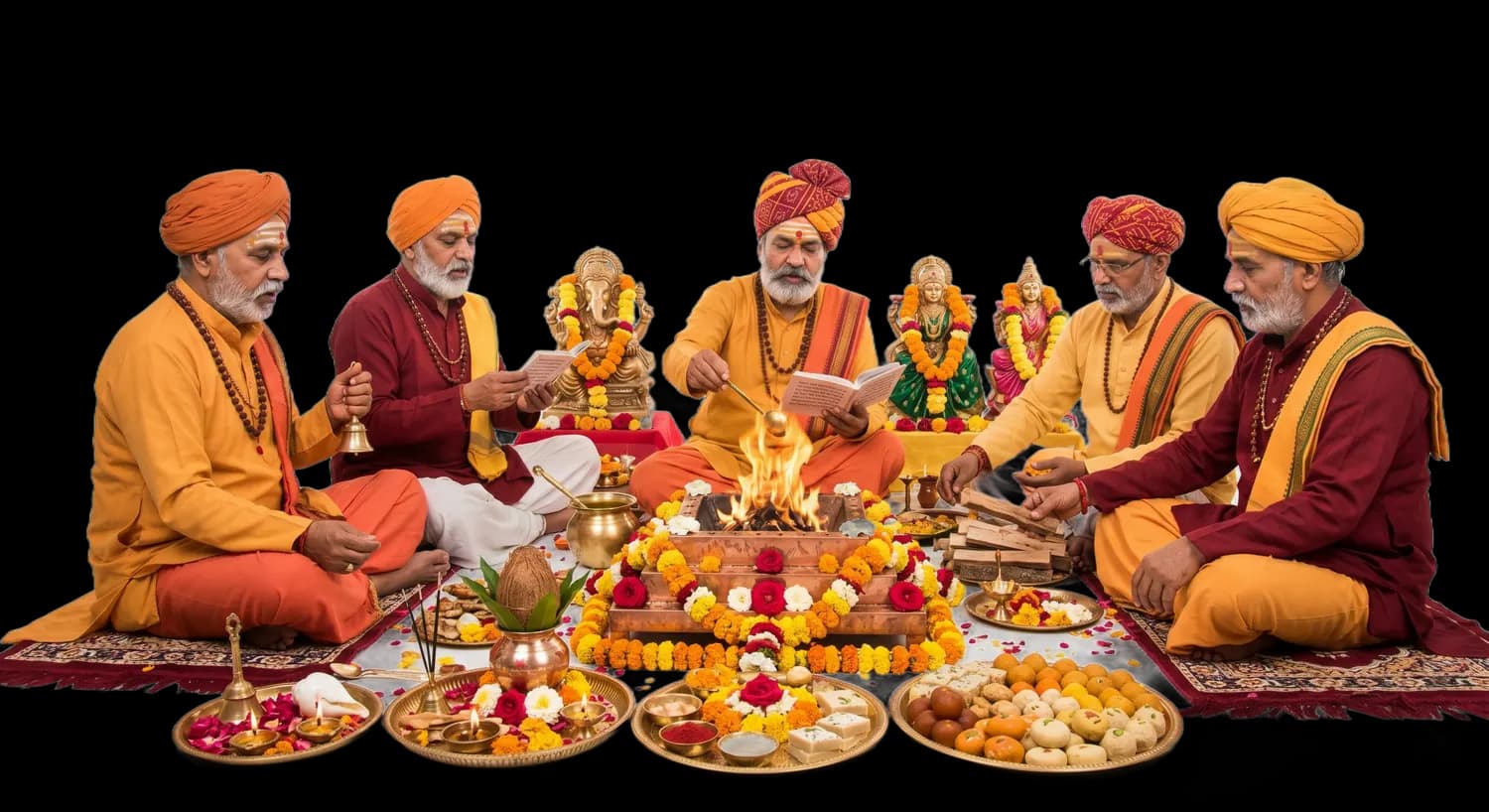
Real moments from the sankalps, abhisheks and hawans our pandits have performed at the temples, taken from the puja videos.
Watch real puja & chadhava deliveries, sent to devotees on WhatsApp after completion.
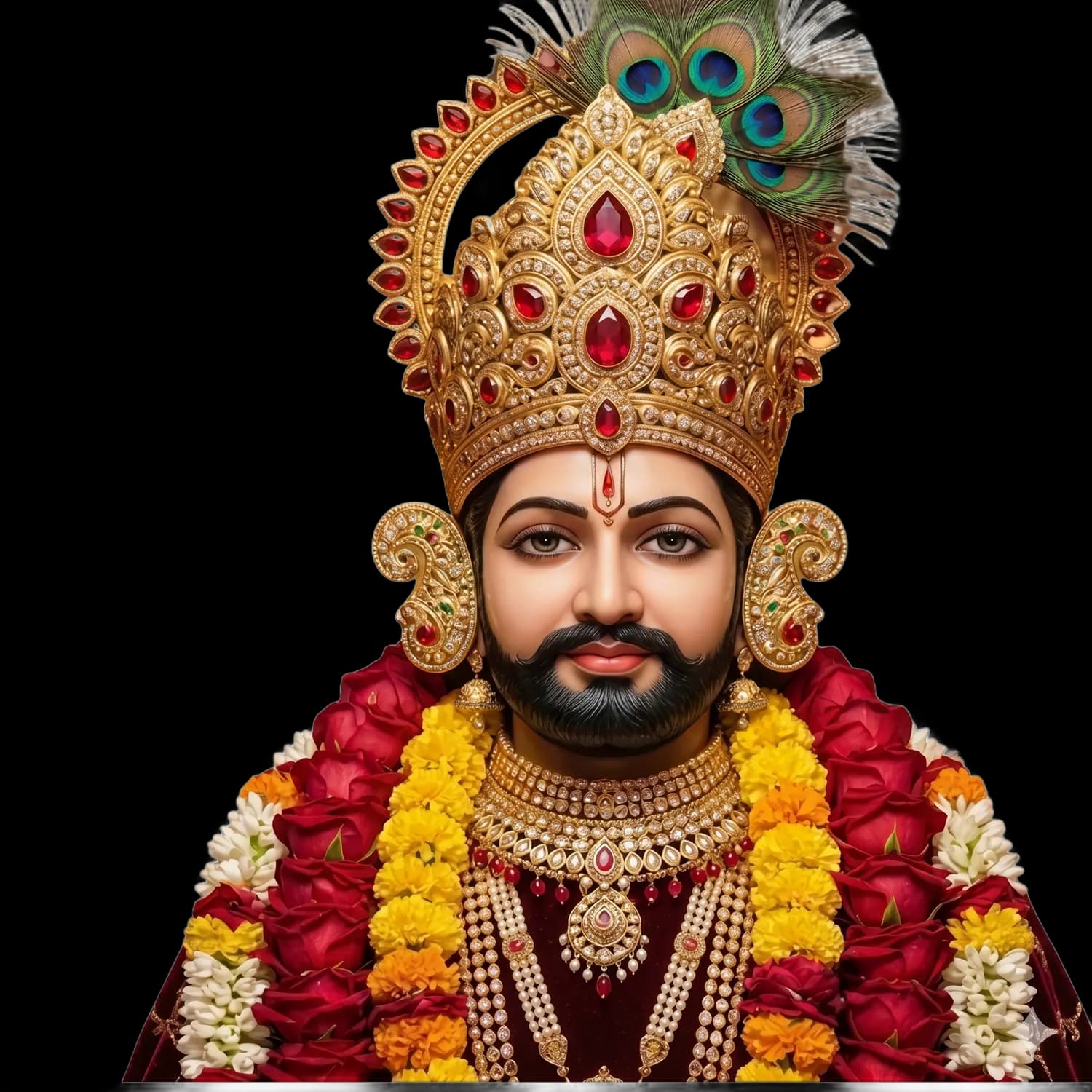
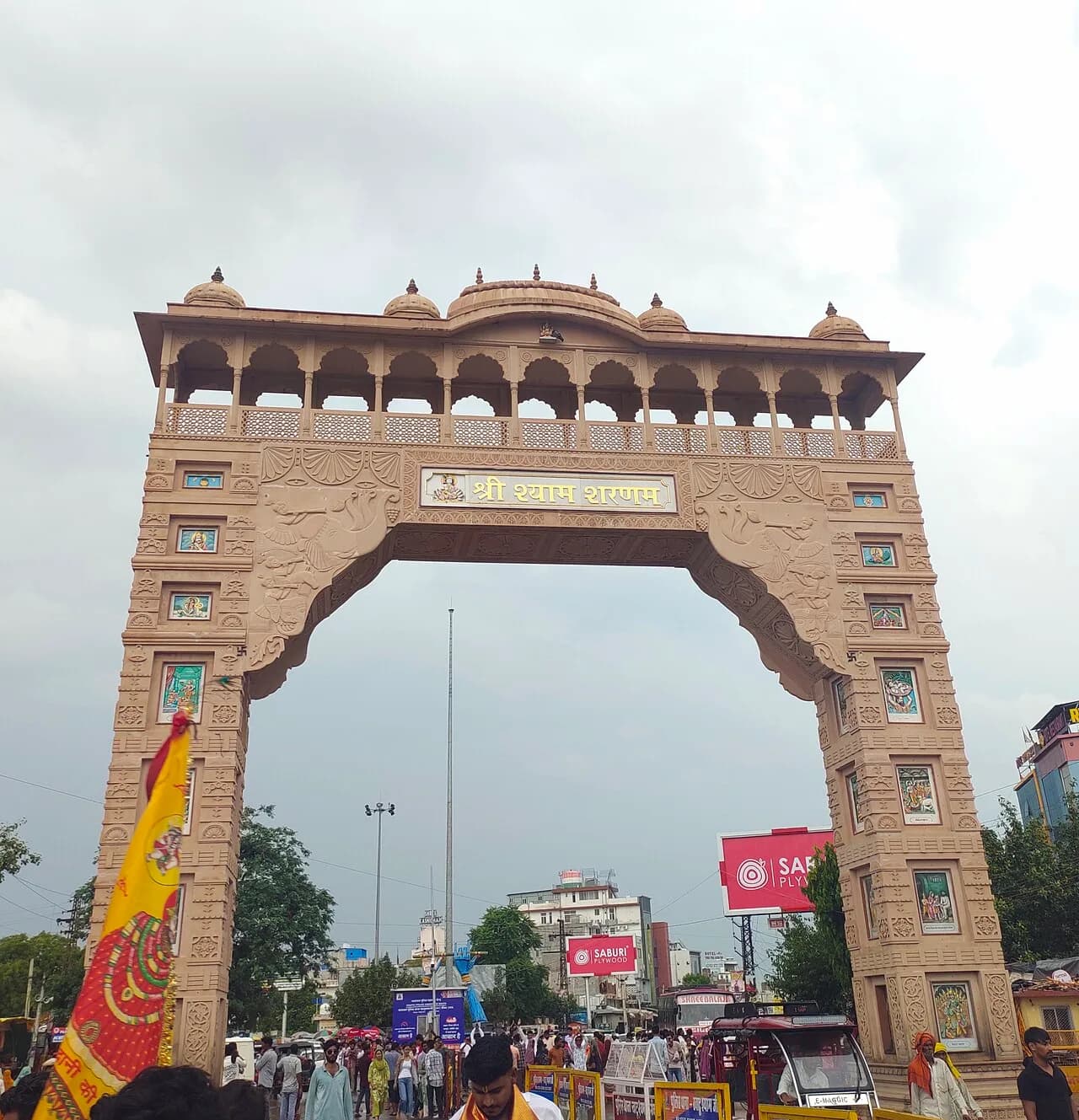
About Khatu Shyam MandirKhatu Shyam Mandir at Sikar enshrines Khatu Shyam — Barbarik, the grandson of Bhima, to whom Krishna gave his own name and the boon that he would be worshipped as the Haare ka Sahara, the refuge of the fallen and the defeated. Shattila Ekadashi, the Magha Krishna Ekadashi, is the sesame ekadashi: by the Padma Purana, til is offered in six ways — snan, ubtan, havan, tarpan, bhojan and daan — to cleanse the sins and the inner impurity of years. On this tithi a sankalp is offered in your naam-gotra so that a restless conscience is cleansed by the til-seva, an old guilt is lifted, and inner peace returns to the mind under Baba Shyam’s forgiving glance. This is offered as faith and tradition; where guilt or unrest runs deep or lasting, it is never a substitute for the support of loved ones or a qualified professional.
 How the ritual is performed
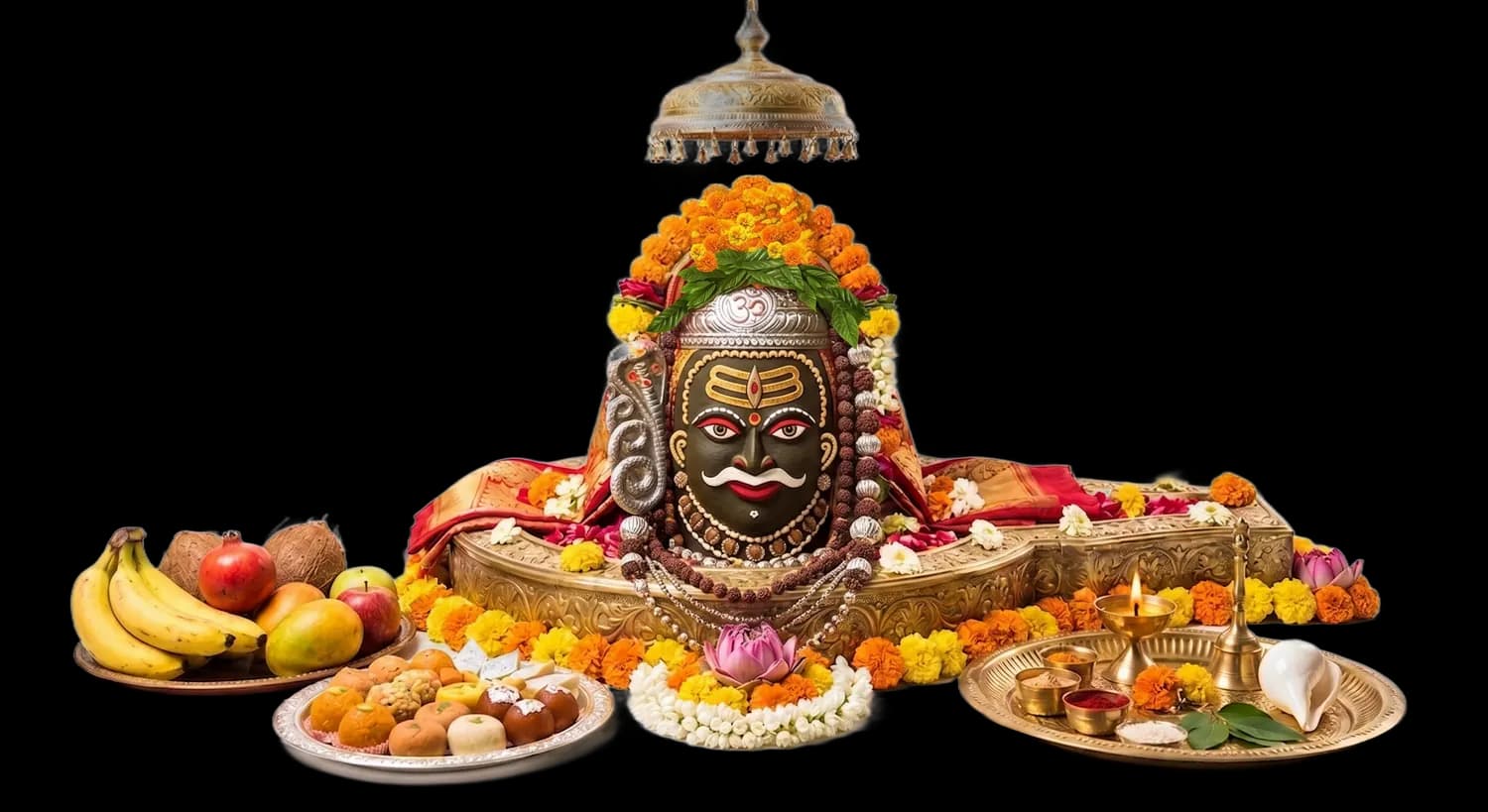
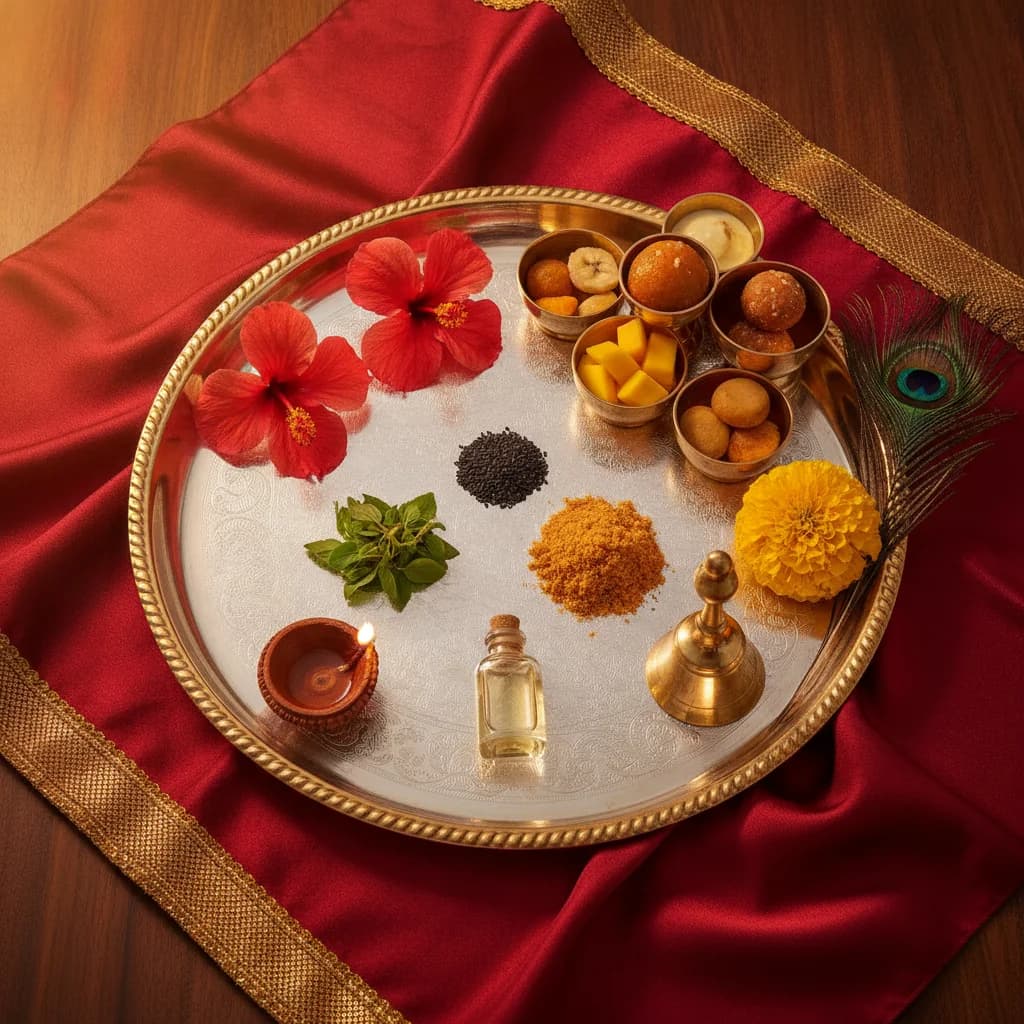
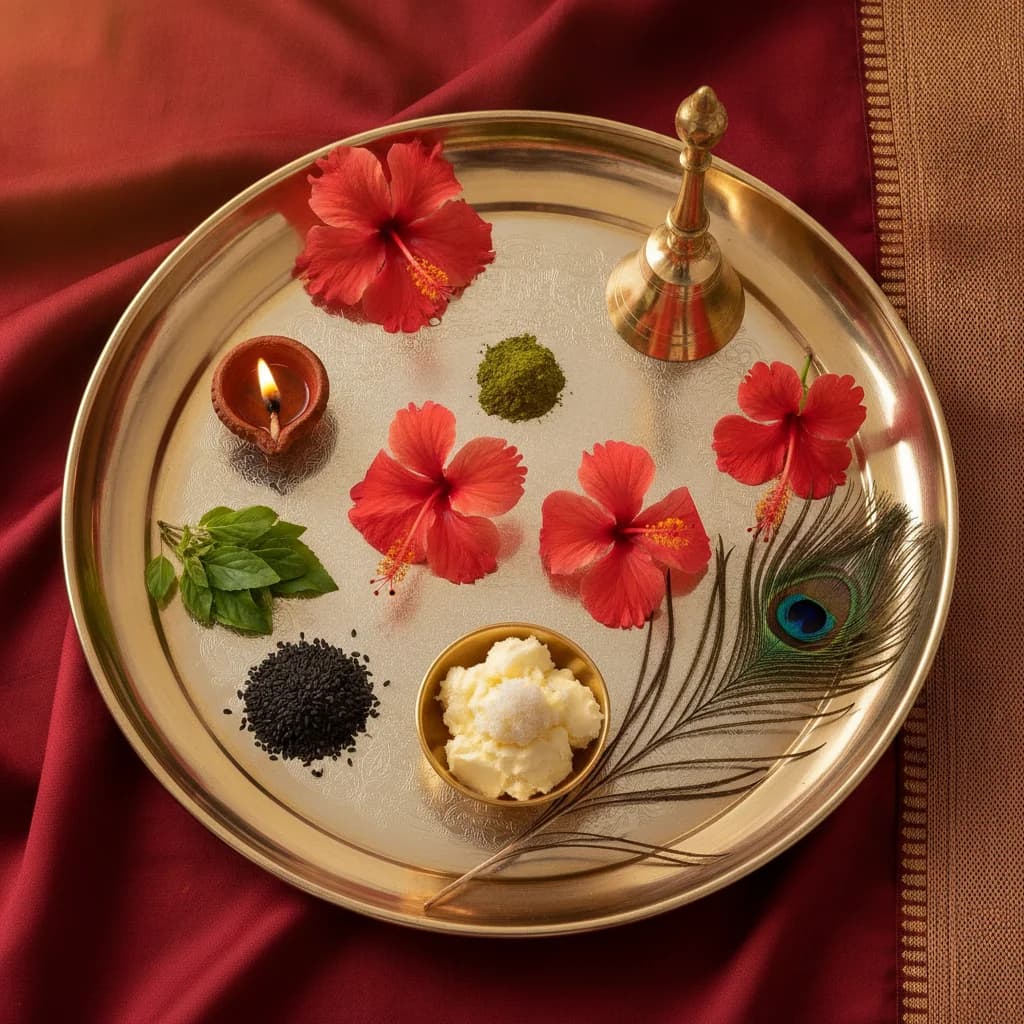
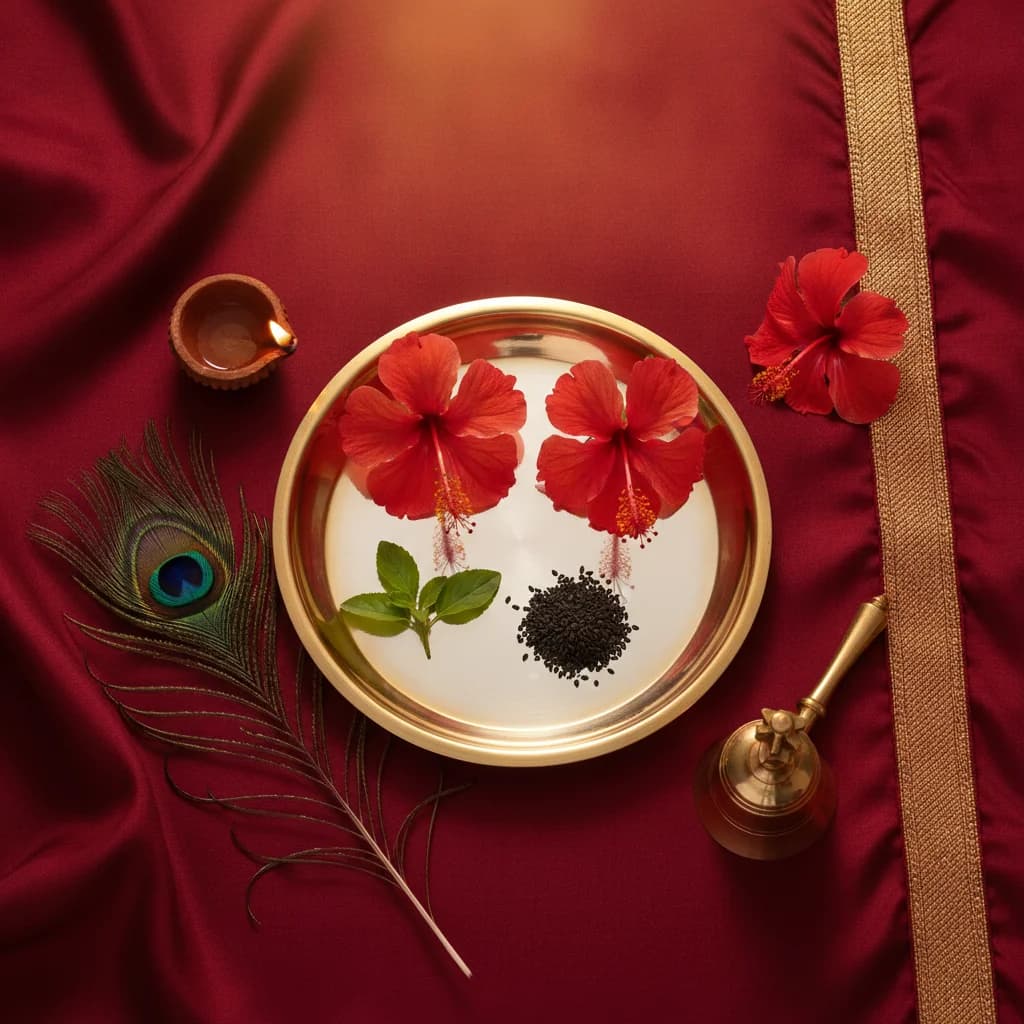
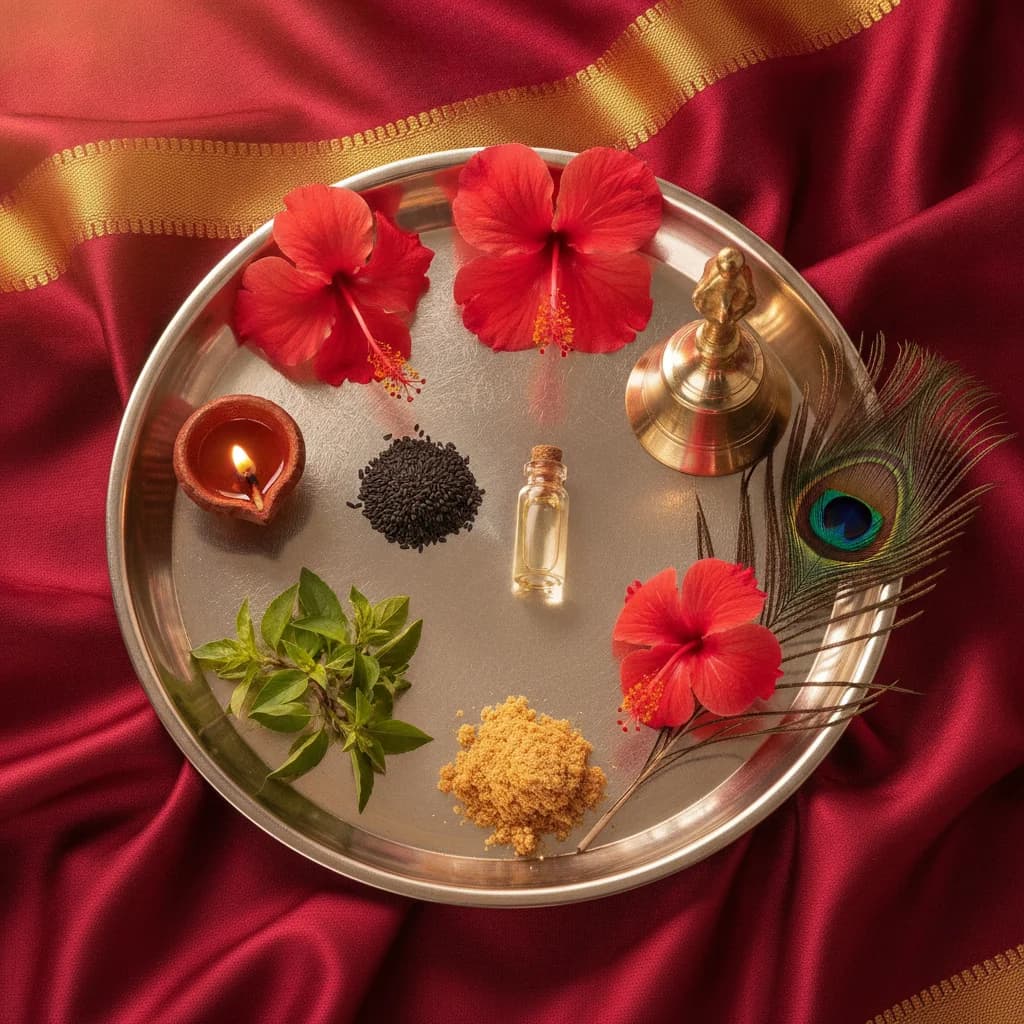
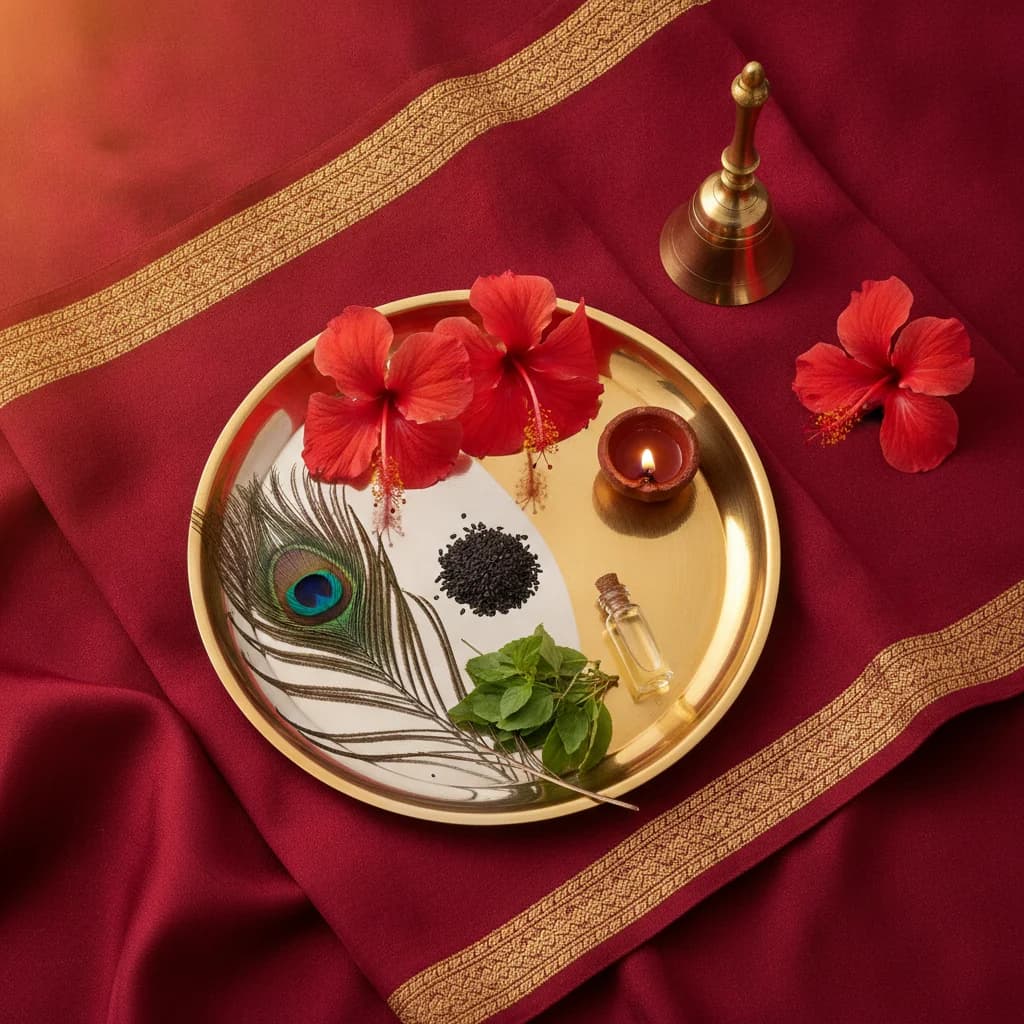
The Shattila Ekadashi til-seva and man-shuddhi sankalp is carried at Khatu Shyam Mandir, Sikar, in your naam-gotra, on the Ekadashi tithi, with til, lal-pushp and tulsi before Baba Shyam.

 Why Divyachadhava
Devotees want the sankalp carried with care and reverence, a clear ritual, a clear video, and a clear naam-gotra spoken before Baba Shyam at Sikar.


Khatu Shyam Mandir at Sikar enshrines Khatu Shyam, Barbarik who bears Krishna’s own name, the Haare ka Sahara. Shattila Ekadashi honours til to cleanse the sins of years. On this Shattila Ekadashi of 2 February 2027, a sankalp is offered in your naam-gotra to Baba Shyam for a restless conscience cleansed, an old guilt lifted, and inner peace returned to the mind.