


 शिव-पार्वती का आशीर्वाद
The right bedroom direction, colours and small daily rituals inspired by Shiva-Parvati's harmony can gently strengthen love, trust and peace between husband and wife.
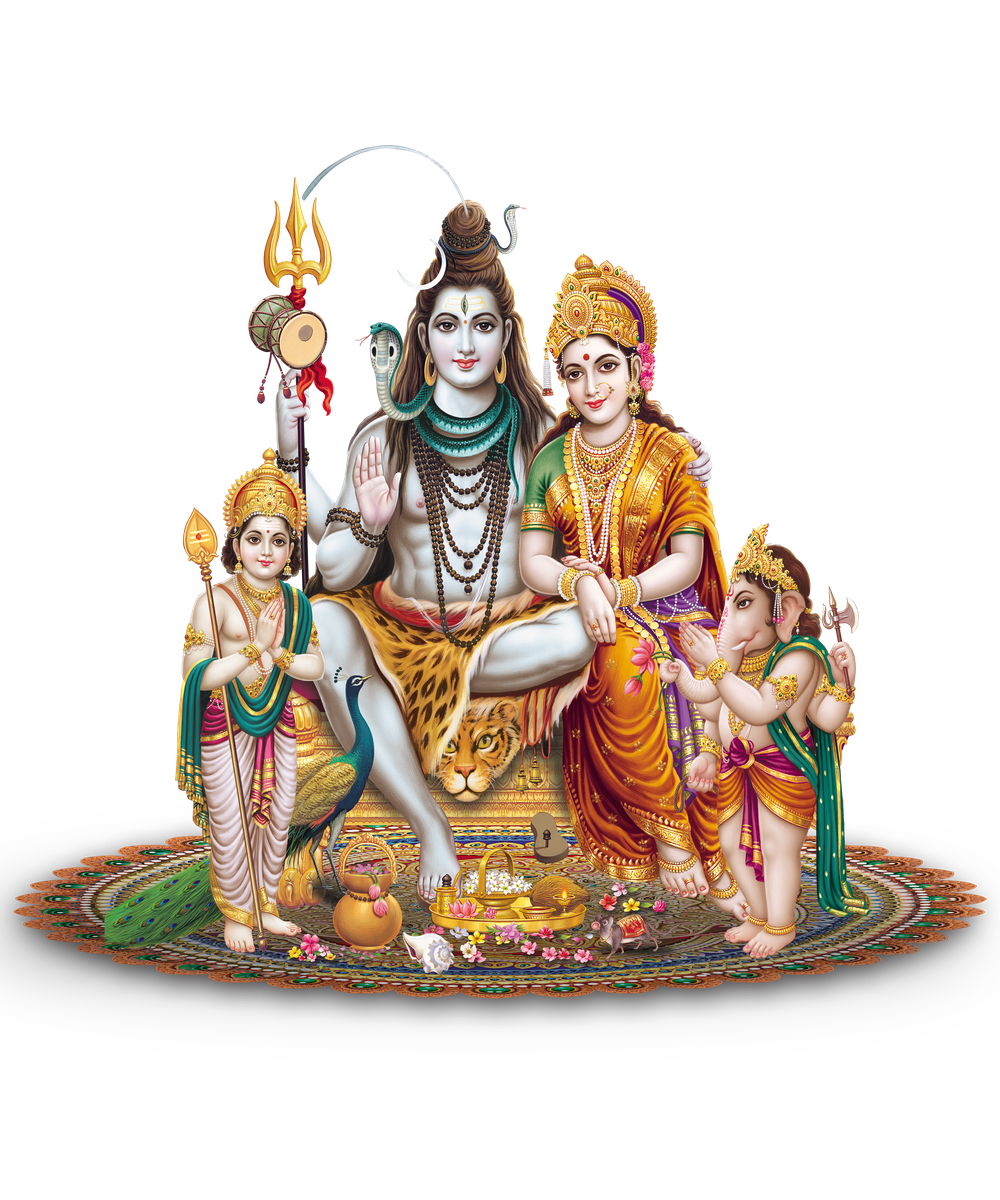
Marriage, in Sanatan Dharma, is not merely a social contract but a sacred bond blessed as Ardhanarishvara — Lord Shiva and Goddess Parvati united as one being, representing the perfect balance of masculine and feminine energy. Vastu Shastra draws directly on this symbolism, treating the marital bedroom and its arrangement as a space that can either nurture or quietly erode that balance. While no arrangement of furniture replaces communication, patience and mutual respect between spouses, a growing number of households find that correcting a few simple Vastu elements removes needless daily friction and creates a home that genuinely feels calmer to live in together.
The Southwest Bedroom
The master bedroom, shared by husband and wife, is considered most auspicious in the southwest (Nairutya) zone of the home. This direction is associated with stability, groundedness and the strength of relationships, making it the traditional seat of the head of the household and, by extension, of the marital bond. A southwest bedroom is believed to keep the relationship steady through life's ordinary ups and downs. The northeast, by contrast, is not recommended for the couple's bedroom, as its highly spiritual, restless energy is considered more suited to meditation or a puja space than to domestic intimacy.
Bed Placement and Direction
Within the bedroom, the bed should ideally be placed against the south or west wall, with the headboard against that wall so the couple sleeps with their heads toward the south or west and feet toward the north or east — the reverse of the direction is traditionally discouraged, as sleeping with the head toward the north is associated with restlessness according to Vastu (and also with magnetic field theory in some interpretations). The bed should never be placed directly under a ceiling beam, as this is considered to create pressure and tension between the couple over time. Equally, mirrors should never directly face the bed — a reflected sleeping couple is considered inauspicious in Vastu and is even linked in some traditions to a third-party disturbance in the marriage; if a mirror is unavoidable in the room, it should be covered at night or positioned so it does not reflect the bed.
Colours and Décor for Harmony
Soft, warm, calming colours are recommended for a marital bedroom — light pink, soft peach, cream, warm beige, or gentle earthy tones are believed to nurture affection and calm, while stark red, black or overly dark colours across the whole room are best avoided as they can heighten irritability and conflict. Images or idols of Radha-Krishna, or Shiva-Parvati as Ardhanarishvara, placed respectfully (never directly above or facing the bed, and never in a form suggesting solitude such as a single deity where a pair is intended) are traditionally believed to bless the union with the same devotion and unity they represent. Photographs of the couple, especially from joyful occasions, displayed in the bedroom are also considered auspicious for renewing warmth.
What to Remove From the Bedroom
A few items are consistently discouraged in Vastu for a couple's room: work-related items such as a desk, computer or files should not dominate the bedroom, as they are believed to bring outside stress into an intimate space; a television directly facing the bed is discouraged for the same reason; and images or statues depicting war, violence, or solitary figures such as a lone crane or single elephant are considered to work against relationship harmony. Broken clocks, cracked mirrors, or dead plants anywhere in the bedroom should be repaired or removed promptly.
The Northeast and Overall Home Balance
Beyond the bedroom itself, the wider home's balance affects marital peace. The northeast corner of the home should be kept light, open and clutter-free — a heavy, blocked northeast is believed to create a general heaviness in the household's mood that inevitably touches the couple's relationship too. Similarly, a cluttered or dark kitchen is considered to affect the emotional nourishment of a home, since the kitchen governs the family's collective well-being; keeping it clean, bright and well-organised supports harmony well beyond the dining table.
Daily Rituals for Marital Harmony
Alongside structural Vastu, several small daily and weekly practices are traditionally recommended to strengthen a marriage. Many couples light a diya together at the household's puja space each evening, a simple shared ritual believed to align their intentions. Chanting the Shiva-Parvati or Radha-Krishna mantra together, even briefly, on Mondays (Shiva's day) is considered auspicious for couples seeking deeper harmony. Observing a fast or short prayer together on occasions like Teej, Karva Chauth (for those who follow it) or Monday Shiva puja is believed to renew the emotional and spiritual bond between spouses. Offering a pair of items — two lamps, two flowers, two fruits — rather than a single item during evening prayers is a small Vastu-linked custom believed to honour the idea of togetherness rather than separateness.
A Reminder of the Real Foundation
Vastu Shastra offers guidance to remove subtle obstacles from a home's energy, but it does not replace the real foundation of a happy marriage: honest conversation, patience, forgiveness, and shared effort. Couples who combine mindful home arrangement with genuine care for each other tend to find that the peaceful home Vastu describes becomes not just a design outcome, but a lived reality.
Quick guide
Before you begin
Mantra
Shiva mantra
Om Namah Shivaya
Chant with a quiet mind, especially on Monday, Pradosh, or during Shiva puja.
Bhav
Benefits devotees pray for
FAQ
Common questions
Which direction is best for a married couple's bedroom?
The southwest (Nairutya) zone of the home is considered most auspicious for the master bedroom, as it represents stability and strengthens the relationship. The northeast is not recommended for the couple's room.
Which way should a couple sleep for marital harmony?
Vastu recommends sleeping with the head toward the south or west, and avoiding sleeping with the head toward the north, which is traditionally associated with restlessness.
Can a mirror be placed facing the bed?
No, this is discouraged in Vastu. A mirror reflecting the sleeping couple is considered inauspicious; cover it at night or reposition it so it does not face the bed.
What colours are best for a marital bedroom?
Soft, warm tones like light pink, peach, cream and gentle earthy shades are recommended, as they are believed to nurture affection and calm, unlike stark red, black or very dark colours.
Bless Your Marriage with Puja
Book a personalised puja or explore our sacred texts for a harmonious married life.