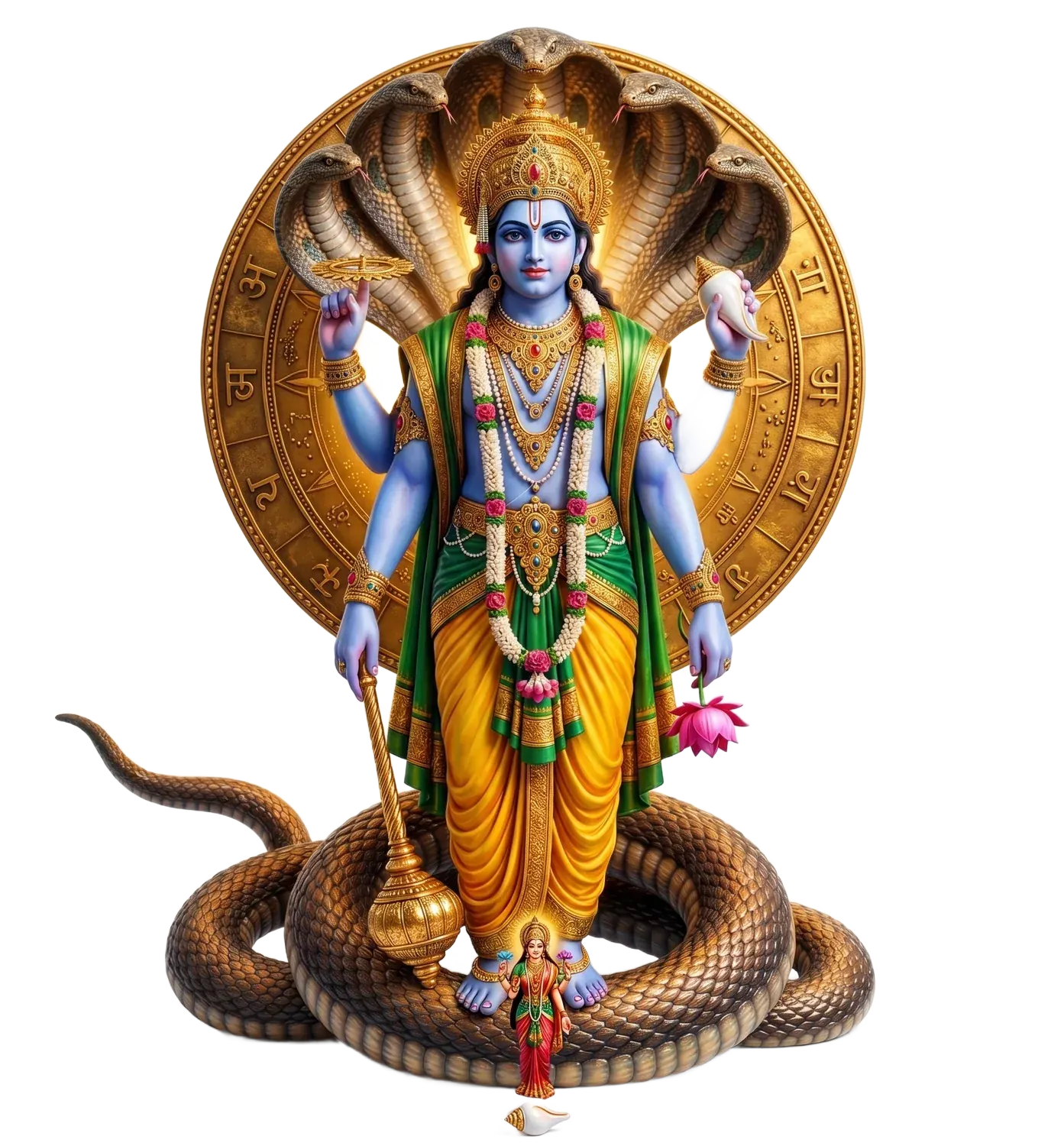





 जय जय तुलसी माता
The complete Tulsi Chalisa in Devanagari with full meaning, chanting method and the blessings devotees seek from Tulsi Mata, beloved of Lord Vishnu.
The Tulsi Chalisa is a devotional forty-verse hymn dedicated to Tulsi Mata, the sacred basil plant worshipped across Hindu households as an incarnation of Vrinda devi, eternally devoted to Lord Vishnu. Reciting this Chalisa is believed to invoke purity, protection, prosperity and the removal of obstacles in the home, much as tulsi itself is believed to purify the very air a family breathes.
Complete Tulsi Chalisa (Devanagari)
दोहा
जय जय तुलसी भगवती, वृंदा नाम प्रसिद्ध। जगत जननी जगदम्बिका, देऊ भक्ति अरु सिद्ध।।
श्री हरि वल्लभ तुलसी, नमो नमो शुभ नाम। करहुं कृपा जगदम्ब अब, आवहु मेरे धाम।।
चौपाई
जय जय जय तुलसी महारानी। जय जय हरि प्रिय जग कल्याणी।।
सब जग में तव महिमा भारी। जय जय जय तुलसी बलिहारी।।
देव दनुज सब सादर तोही। पूजत हैं मन बच अरु देही।।
रोग शोक हर सब दुख टारो। कृपा करहु तुलसी अब मोरो।।
शालिग्राम प्रिया वृंदा तुम। हरि सेवा में रहत सुगम तुम।।
पातर मंजरी जगमग सोहत। सुर नर मुनि सब मन मन मोहत।।
वृंदावन में लीला करहू। भक्तन के सब संकट हरहू।।
रामचंद्र के प्रिय तुम भारी। कृष्ण चरण की सेवा प्यारी।।
एकादशी हरि सेवा माहीं। तुलसी बिन कछु शोभा नाहीं।।
तुलसी पत्र चढ़े हरि माथे। भक्त लहें फल संगहि साथे।।
तुलसी नाम सुमिर जो कोई। सर्व सिद्धि पावै मन सोई।।
तुलसी विवाह करहिं जो प्राणी। पावहिं सुख सम्पति अरु कल्याणी।।
तुलसी की महिमा अति भारी। वेद पुराण करहिं जयकारी।।
नारद शारद गावहिं गुण तेरे। मुनि मन ध्यान धरैं सुबसेरे।।
काशी मथुरा द्वारका माहीं। तुलसी बिन पूजा शुभ नाहीं।।
घर घर तुलसी पूजी जाहीं। पावन करत सकल जग माहीं।।
रोग निवारक तुम्हरी छाया। तन मन शीतल करत सुहाया।।
तुलसी अंगन जहँ जहँ होई। वहां वास करहिं हरि सोई।।
पाप ताप सब दूर पराई। जहां तुलसी की छाया आई।।
तुलसी दल शिर धारण करहीं। सो नर पाप समूह निवरहीं।।
गंगाजल तुलसी दल मेला। तीरथ फल पावहिं सो चेला।।
तुलसी बिन जो नर मरि जाई। गति ताकर नहिं होय सुहाई।।
मृत्युकाल तुलसी दल दीजे। मुक्ति सहज नर पावहिं तीजे।।
तुलसी माला जपत जो कोई। जन्म जन्म सुख पावहिं सोई।।
तुलसी कंठ धारण जो करहीं। सो नर भव सागर सो तरहीं।।
तुलसी शालिग्राम समाना। पूजहिं भक्त सहित मन माना।।
व्रत उपवास करहिं जो प्राणी। तुलसी सेवा फल कल्याणी।।
तुलसी बिन ठाकुर नहिं भावै। भोग लगाए बिन नहिं खावै।।
निर्मल तन मन तुलसी सेवा। सो पावै हरि चरण की मेवा।।
घर आँगन तुलसी जो होई। लक्ष्मी वास करहिं तहं सोई।।
दरिद्र दोष सब दूर पराई। सुख सम्पति घर बढ़त सवाई।।
पितर पितामह तृप्त होवहीं। तुलसी अर्घ्य जो नित नित पावहीं।।
तुलसी क्षमा दया की मूरत। सुमिरत होय सकल दुख दूरत।।
काम क्रोध मद लोभ नसावै। तुलसी सुमिरत मन शुचि आवै।।
निशिदिन ध्यान धरै जो तेरा। सो नर पावै भव सुख घनेरा।।
व्याधि उपाधि टरहिं सब भाई। तुलसी सुमिरत मिलहिं बड़ाई।।
संतति हेतु करहिं जो सेवा। तुलसी देहिं सुफल तत्खेवा।।
जो नर तुलसी शरण संभारे। ताहि न व्यापहिं दुख संसारे।।
अष्ट सिद्धि नव निधि की दाता। तुलसी मात जगत विख्याता।।
अस पवित्र तुलसी गुण गाथा। जो पढ़ हिय धरि नाई माथा।।
पावहिं मनवांछित सुख सोई। संकट रहित जगत में होई।।
तुलसी चालीसा जो गावे। सो शुभ फल निश्चय ही पावे।।
दोहा
जय जय जय तुलसी सती, वृंदा नाम अनूप। कृपा करहु मोपर सदा, सहित सखा हरि रूप।।
Meaning
Opening Doha
The hymn begins by saluting Tulsi Mata as the divine mother of the universe, known by the sacred name Vrinda, and prays that she grant devotion and spiritual accomplishment (siddhi). The second couplet honours her as beloved of Lord Hari (Vishnu) and prays for her grace and presence in the devotee's home.
Opening Praise (verses 1-4)
The devotee salutes Tulsi Mata repeatedly as the great queen who is dear to Hari and who works for the welfare of the entire world. Her glory (mahima) fills the whole universe, and even gods and demons alike worship her with reverence in thought, word and deed. The devotee prays that she remove all disease, sorrow and suffering, and grant her grace.
Her Bond with Vishnu (verses 5-9)
Tulsi, as Vrinda, is beloved of Shaligram (a form of Vishnu) and forever engaged in his service. Her radiant leaves and clusters enchant gods, sages and humans alike. She performs her divine play (leela) in Vrindavan and removes the troubles of her devotees. She is especially dear to Ramchandra and to the worship of Krishna's feet — no worship on Ekadashi is considered complete without her leaves.
The Power of Her Leaves (verses 10-14)
A tulsi leaf offered on Lord Hari's head grants the devotee the fruit of that worship. Anyone who remembers her name attains all spiritual accomplishments. Those who perform the ceremonial Tulsi Vivah attain happiness, prosperity and well-being. Her glory is sung throughout the Vedas and Puranas, and even sages Narada and Sharada praise her virtues.
Why and When to Chant
Devotees turn to the Tulsi Chalisa seeking purity in the home, protection from illness and negative energy, prosperity, and Vishnu's grace through his beloved devotee Tulsi. It is considered especially powerful when recited near a growing tulsi plant, though it may be chanted anywhere with sincerity. Morning, after bathing, is the most common time, though it can be recited in the evening alongside the daily tulsi diya as well. Ekadashi, Kartik month (especially Kartik Purnima, the day of Tulsi Vivah), and every Thursday, associated with Vishnu, are considered especially auspicious days for this chant.
Vidhi: How to Chant
Begin by lighting a diya near the tulsi plant or in the puja space and offering water and a tulsi leaf if available (except on Ekadashi, when leaves are not plucked). Sit facing the plant or an image of Tulsi Mata, recite the opening doha, all forty chaupais, and the closing doha with a calm, attentive mind. Reciting once daily is common; on Thursdays or during Kartik month, some devotees recite it multiple times or use a tulsi mala to count repetitions across days.
Dos and Don'ts
Always keep the tulsi plant and its surroundings clean before chanting. Avoid plucking leaves on Sundays, Ekadashi, or after sunset. Do not recite hurriedly or without attention — a slow, devotional pace is preferred over speed. Never step on fallen tulsi leaves; gather them respectfully for offering or immersion.
Mahatmya (Glory)
Puranic tradition holds that no place is as pure as one where tulsi grows, and no offering to Vishnu is complete without her leaf. The Tulsi Chalisa distills this vast devotional tradition into a single accessible hymn any devotee, regardless of scholarly training, can recite daily to draw the same blessing described across the Puranas.
Quick guide
Before you begin
Mantra
Tulsi Mata mantra
Om Tulasyai Namah
Chant near the Tulsi plant with a lamp, water offering, and sincere devotion.
Bhav
Benefits devotees pray for
FAQ
Common questions
What is the Tulsi Chalisa about?
It is a forty-verse devotional hymn praising Tulsi Mata, worshipped as an incarnation of Vrinda devi and beloved of Lord Vishnu, describing her glory, her bond with Hari, and the blessings devotees receive through her worship.
When is the best time to recite the Tulsi Chalisa?
Morning after bathing is most common, though it can also be recited in the evening with the daily tulsi diya. Thursdays, Ekadashi, and Kartik month, especially Kartik Purnima (Tulsi Vivah), are considered especially auspicious.
Can the Tulsi Chalisa be recited without a tulsi plant at home?
Yes. While reciting near a growing tulsi plant is considered especially powerful, the Chalisa can be recited anywhere with sincerity and devotion, even in front of an image of Tulsi Mata.
What benefits are associated with chanting the Tulsi Chalisa?
Devotees believe it brings purity to the home, protection from illness and negative energy, prosperity through Goddess Lakshmi's presence, and Lord Vishnu's grace through his beloved Tulsi.
Deepen Your Daily Devotion
Book a personalised puja or explore our sacred texts to strengthen your spiritual practice.