

 श्रीर्मा देवी जुषताम्
The complete Sri Suktam, the ancient Vedic hymn to Goddess Lakshmi, in Devanagari with full meaning, benefits and correct chanting method.
Sri Suktam is one of the most revered hymns of the Rig Veda tradition, dedicated to Sri, the goddess of abundance, prosperity, beauty and auspiciousness, who is worshipped today as Maha Lakshmi. Attached as a khila (supplementary hymn) to the Rig Veda, it is among the oldest surviving Sanskrit compositions invoking the goddess of wealth by name, and it remains one of the most widely chanted texts in Lakshmi puja, Diwali worship, and daily household prayer across India.
Unlike a mere prayer for money, Sri Suktam asks for Sri in her fullest sense — golden radiance, good cattle and grain, courage, offspring, fame, freedom from poverty and misfortune (alakshmi), and the steady presence of prosperity in the home. It is traditionally recited by priests during Vedic yajnas, and by householders on Fridays, during Sharad Purnima, Diwali, and any auspicious new beginning.
Complete Sri Suktam (Devanagari)
हिरण्यवर्णां हरिणीं सुवर्णरजतस्रजाम् । चन्द्रां हिरण्मयीं लक्ष्मीं जातवेदो म आवह ॥ १॥
तां म आवह जातवेदो लक्ष्मीमनपगामिनीम् । यस्यां हिरण्यं विन्देयं गामश्वं पुरुषानहम् ॥ २॥
अश्वपूर्वां रथमध्यां हस्तिनादप्रबोधिनीम् । श्रियं देवीमुपह्वये श्रीर्मा देवी जुषताम् ॥ ३॥
कां सोऽस्मितां हिरण्यप्राकारामार्द्रां ज्वलन्तीं तृप्तां तर्पयन्तीम् । पद्मे स्थितां पद्मवर्णां तामिहोपह्वये श्रियम् ॥ ४॥
चन्द्रां प्रभासां यशसा ज्वलन्तीं श्रियं लोके देवजुष्टामुदाराम् । तां पद्मिनीमीं शरणमहं प्रपद्ये अलक्ष्मीर्मे नश्यतां त्वां वृणे ॥ ५॥
आदित्यवर्णे तपसोऽधिजातो वनस्पतिस्तव वृक्षोऽथ बिल्वः । तस्य फलानि तपसानुदन्तु मायान्तरायाश्च बाह्या अलक्ष्मीः ॥ ६॥
उपैतु मां देवसखः कीर्तिश्च मणिना सह । प्रादुर्भूतोऽस्मि राष्ट्रेऽस्मिन् कीर्तिमृद्धिं ददातु मे ॥ ७॥
क्षुत्पिपासामलां ज्येष्ठामलक्ष्मीं नाशयाम्यहम् । अभूतिमसमृद्धिं च सर्वां निर्णुद मे गृहात् ॥ ८॥
गन्धद्वारां दुराधर्षां नित्यपुष्टां करीषिणीम् । ईश्वरीं सर्वभूतानां तामिहोपह्वये श्रियम् ॥ ९॥
मनसः काममाकूतिं वाचः सत्यमशीमहि । पशूनां रूपमन्नस्य मयि श्रीः श्रयतां यशः ॥ १०॥
कर्दमेन प्रजाभूता मयि सम्भव कर्दम । श्रियं वासय मे कुले मातरं पद्ममालिनीम् ॥ ११॥
आपः सृजन्तु स्निग्धानि चिक्लीत वस मे गृहे । नि च देवीं मातरं श्रियं वासय मे कुले ॥ १२॥
आर्द्रां पुष्करिणीं पुष्टिं पिङ्गलां पद्ममालिनीम् । चन्द्रां हिरण्मयीं लक्ष्मीं जातवेदो म आवह ॥ १३॥
आर्द्रां यः करिणीं यष्टिं सुवर्णां हेममालिनीम् । सूर्यां हिरण्मयीं लक्ष्मीं जातवेदो म आवह ॥ १४॥
तां म आवह जातवेदो लक्ष्मीमनपगामिनीम् । यस्यां हिरण्यं प्रभूतं गावो दास्योऽश्वान् विन्देयं पुरुषानहम् ॥ १५॥
यः शुचिः प्रयतो भूत्वा जुहुयादाज्यमन्वहम् । सूक्तं पञ्चदशर्चं च श्रीकामः सततं जपेत् ॥ १६॥
Meaning
Verses 1-2: O Jataveda (Agni, the fire that knows all beings), bring to me that Lakshmi who is of golden hue, gentle as a deer, adorned with garlands of gold and silver, moon-like and radiant like gold, who never departs, in whom I may find gold, cattle, horses and offspring.
Verse 3: I invoke that goddess Sri, who rides before horses, is seated in the middle of a chariot, and awakens to the trumpet of elephants; may that goddess Sri dwell with me.
Verse 4-5: I invoke here that Sri who is gently smiling, surrounded by a golden fort, moist and radiant, ever satisfied and satisfying others, seated on and coloured like the lotus. I take refuge in her, the lotus-dwelling one who shines like the moon, glorious with fame, generous, cherished by the gods in this world; may misfortune (Alakshmi) be destroyed, for I choose you alone.
Verse 6: O Sri, of the colour of the sun, born of tapas (spiritual austerity), the Bilva tree is your own tree among forest trees; may its fruits destroy the inner and outer forms of misfortune.
Verse 7: May Kirti (fame) come to me along with Kubera, the friend of the gods and lord of wealth; I have appeared/arisen in this nation — may he grant me fame and prosperity.
Verse 8: I destroy hunger and thirst, the elder, inauspicious form of misfortune (Jyeshtha Alakshmi); may all forms of adversity and lack of prosperity be driven from my house.
Verse 9: I invoke here that goddess Sri who is the gateway of fragrance, unassailable, ever nourished, abundant like a heap of cow-dung (a symbol of agricultural wealth), and the ruler of all beings.
Benefits of Chanting Sri Suktam
Wealth and prosperity: it is chanted above all to invoke Goddess Lakshmi's presence and blessing of steady, righteous prosperity, not merely sudden money but lasting abundance in the home.
Removal of alakshmi: several verses specifically ask for the removal of Alakshmi, the inauspicious counter-force to Lakshmi associated with poverty, discord, laziness and misfortune, making this hymn a powerful tool for clearing negative energy from a household.
Grace for business and career: business owners and working professionals chant it before starting new ventures, on the first day of the financial year, or during Diwali, seeking Lakshmi's steady favour.
Family harmony and fame: several verses ask for good progeny, kirti (fame/reputation) and harmony in the family, showing that Sri Suktam's vision of wealth is holistic, including relationships and reputation, not money alone.
Spiritual purification: as a Vedic hymn addressed through Agni (Jataveda), it also purifies the mind and surroundings when chanted with a lit diya or during havan.
How to Chant Sri Suktam
Best day: Friday (Lakshmi's day), and especially during Diwali, Sharad Purnima, Akshaya Tritiya, or the first day of a new venture.
Best time: early morning after bathing, or in the evening at the time of lighting the diya (sandhya).
Preparation: light a ghee diya before a picture or idol of Lakshmi, offer a lotus or red flower if available, and sit facing east or north.
Method: recite the full sukta once for daily practice; on special occasions it may be chanted 108 times, or during a formal havan, each verse is offered with a spoonful of ghee into the sacred fire (ahuti) as verse 16 itself describes.
Note on pronunciation: as a Vedic Sanskrit text, correct pronunciation and intonation genuinely matter; those new to it may listen to a learned reciter or use a transliteration alongside the Devanagari until the rhythm becomes familiar.
A Brief Note on Its Significance
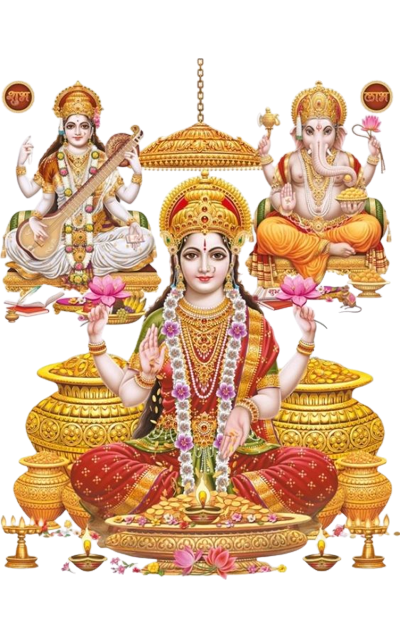
Sri Suktam is believed to be one of the earliest textual invocations of the goddess later worshipped widely as Maha Lakshmi, and its imagery — the lotus seat, the elephants trumpeting, the golden hue, the Bilva tree — has shaped how Lakshmi is depicted in Indian art and iconography ever since. It is recited in temples during the abhishekam of Lakshmi and Vishnu deities, in Vedic yajnas for prosperity, and quietly by countless households every evening as a prayer that true wealth include not just gold, but generosity, fame, family and the freedom from want.
Frequently Asked Questions
Can anyone chant Sri Suktam, or is it restricted? While it is a Vedic hymn traditionally recited by trained priests during yajnas, it is also chanted daily by devotees of all backgrounds in home worship. Chant with sincerity, cleanliness and respect for its Sanskrit sounds.
How many times should I chant it for best results? Once daily with devotion is meaningful; on Fridays or during festivals, 3, 9 or 108 repetitions are traditional for a focused sankalp.
What is the difference between Sri Suktam and the Lakshmi Ashtakam or Kanakadhara Stotram? Sri Suktam is an ancient Vedic khila hymn, among the oldest Sanskrit texts to Sri; the Ashtakam and Kanakadhara Stotram are later, Puranic-era devotional stotras. All three invoke Lakshmi but differ in age, language style and structure.
Do I need a havan/fire ritual to get benefits from chanting it? No — the fire ritual described in verse 16 is the fullest traditional method, but simply reciting the hymn with faith before a lit diya at home carries genuine benefit and is how most devotees practise it.
Quick guide
Before you begin
Mantra
Lakshmi mantra
Om Shreem Mahalakshmyai Namah
Chant on Friday or during Lakshmi puja for prosperity, grace, and sattvic abundance.
Bhav
Benefits devotees pray for
FAQ
Common questions
Can anyone chant Sri Suktam?
Yes, while priests recite it in yajnas, devotees of all backgrounds chant it daily at home with sincerity and respect.
How many times should I chant it?
Once daily is meaningful; 3, 9 or 108 times on Fridays or festivals for a focused sankalp.
How is it different from Kanakadhara Stotram?
Sri Suktam is an ancient Vedic khila hymn; Kanakadhara and Lakshmi Ashtakam are later Puranic-era stotras — all invoke Lakshmi but differ in age and style.
Do I need a havan to benefit from it?
No, reciting it with faith before a lit diya at home is how most devotees practise it and carries genuine benefit.
Invite Lakshmi's Grace Into Your Home
Book a dedicated Lakshmi puja with Sri Suktam chanting for lasting prosperity, family harmony and freedom from financial hardship.