

 राहु-केतु शांति
Shankhpal Kaal Sarp Dosh forms when Rahu sits in the 4th house and Ketu in the 10th, mainly affecting home, mother, property and career stability, and can be eased with sincere Rahu-Ketu remedies.
What Is Shankhpal Kaal Sarp Dosh
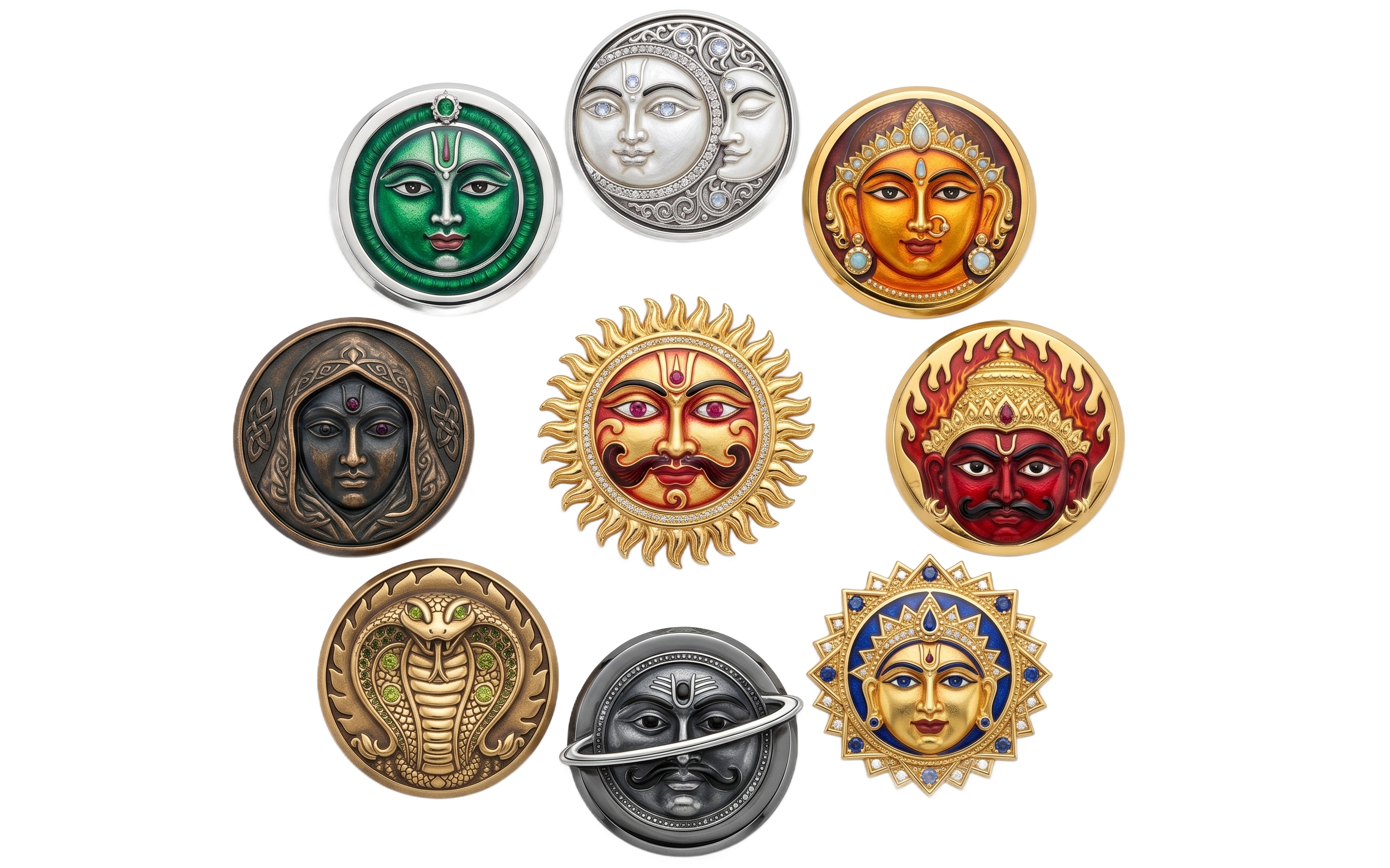
In Vedic astrology, Kaal Sarp Dosh forms in a birth chart when all seven other planets (Sun, Moon, Mars, Mercury, Jupiter, Venus, Saturn) are hemmed between the shadow planets Rahu and Ketu on one side of the horoscope. There are twelve recognised varieties of Kaal Sarp Dosh, named after the mythological serpent kings (Nag) mentioned in the Puranas, and the name changes according to which houses Rahu and Ketu occupy.
Shankhpal Kaal Sarp Dosh is formed specifically when Rahu is placed in the 4th house of the birth chart and Ketu is placed in the opposite 10th house, with all other planets falling within this axis. The 4th house governs home, mother, inner peace, property and emotional roots, while the 10th house governs career, public standing, authority and karma in the world. This particular combination is named after Shankhpal Nag, one of the serpent deities described in ancient texts as a guardian of subterranean and hidden realms.
General Effects of Shankhpal Kaal Sarp Dosh
Because the dosh sits across the 4th-10th axis, its influence is felt most in the areas of home life and professional life together. Commonly described effects include a restless mind even in a comfortable home, a sense of emotional distance from the mother or difficulty in the mother's health and happiness, delays in owning property or frequent relocation, and a feeling of not being settled despite outward success.
On the career side, natives may experience unexpected ups and downs in profession, delayed recognition despite hard work, friction with authority figures or the government, and a tendency for effort to not translate into proportionate reward for some years. Many people with this dosh are hardworking and ambitious but feel an underlying anxiety that their foundation is not fully secure.
It is important to understand that Kaal Sarp Dosh is one factor among hundreds in a chart. Its strength depends on the sign, degree, aspects and dasha periods of Rahu and Ketu, and on the overall strength of the Moon and the ascendant lord. A dosh in the birth chart is not a curse and does not guarantee suffering; it simply points to areas of life that may need more conscious effort, patience and spiritual grounding.
Timeline and When It Is Felt Most
The effects of Shankhpal Kaal Sarp Dosh are typically felt more strongly during the Rahu Mahadasha or Antardasha, the Ketu Mahadasha or Antardasha, and during transits when Rahu or Ketu are activated by Saturn, Mars or the Sun. Many people also notice heightened restlessness around the Rahu-Ketu axis transit change, which shifts roughly every eighteen months.
Dharmic Remedies
The remedies for Kaal Sarp Dosh in the sanatan tradition are gentle, devotional practices meant to bring peace of mind and invoke divine grace, not fear-based rituals.
Mantra japa: Chanting the Maha Mrityunjaya Mantra daily, along with the Rahu beej mantra "Om Bhram Bhreem Bhroum Sah Rahave Namah" and the Ketu beej mantra "Om Sraam Sreem Sroum Sah Ketave Namah", is considered highly beneficial. A committed sadhak may chant 108 times on each mantra on Saturdays, or during Rahu Kaal with a calm mind.
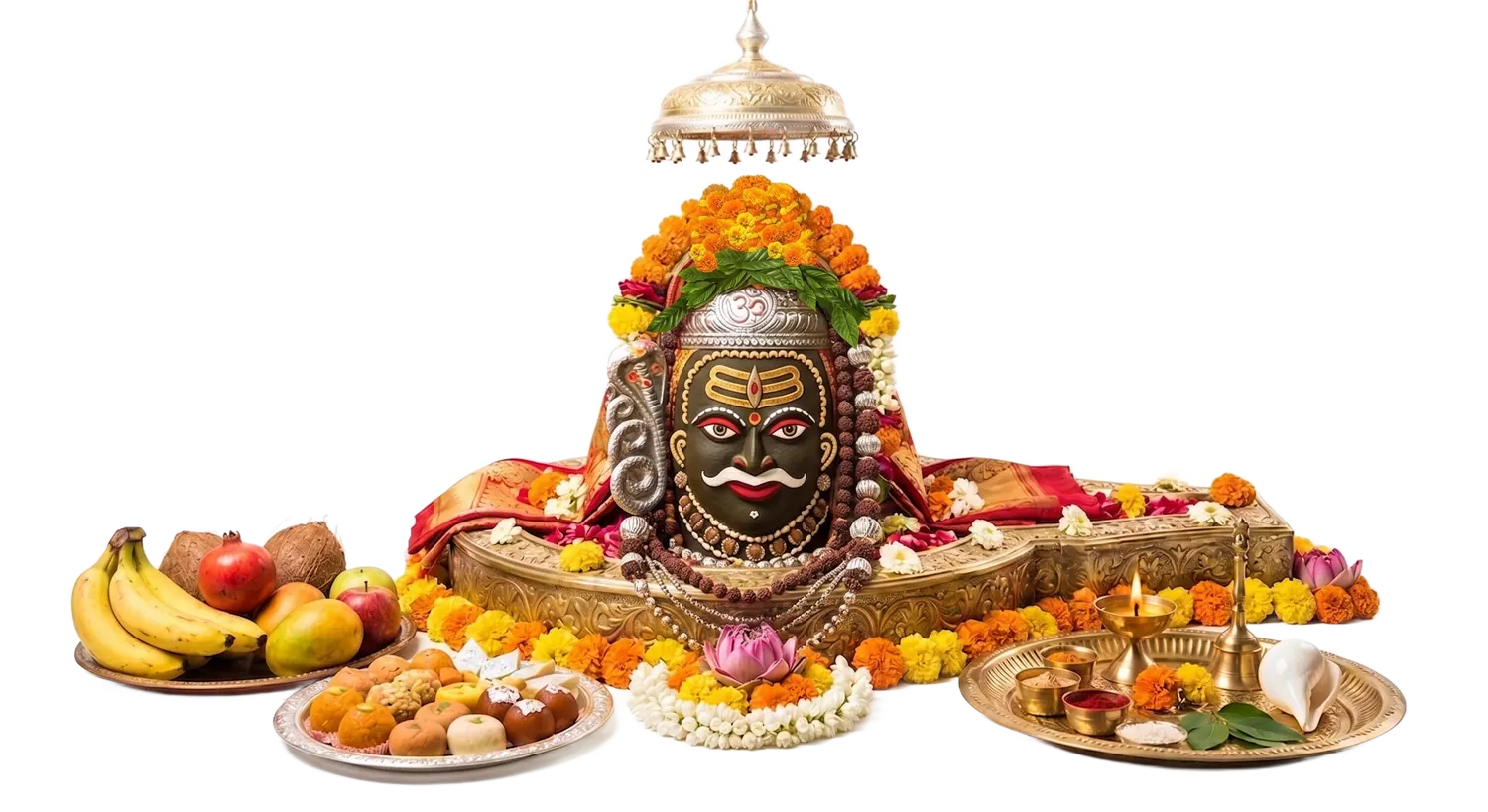
Shiva worship: Since Rahu and Ketu are pacified through Lord Shiva, worshipping at a Jyotirlinga, especially the Kaal Sarp Dosh Nivaran Puja traditionally performed at Trimbakeshwar in Nashik or at Ujjain, is widely followed by devotees seeking relief.
Nag Panchami vrat: Observing Nag Panchami with sincere worship of the Naga devatas, offering milk at a Shivling and avoiding digging the earth on that day, is a traditional practice associated with easing Kaal Sarp related unease.
Daan (charitable giving): Donating black til, black urad dal, mustard oil, or a silver serpent pair (naag-nagin) at a temple on a Saturday is a common remedy. Feeding the needy and serving elders, particularly the mother, is considered especially fruitful for this specific dosh since it touches the 4th house.
Simple daily practice: Offering water to a Peepal tree on Saturdays, lighting a mustard-oil lamp under it in the evening, and keeping the home clean and clutter-free (since the dosh touches the 4th house of home) are gentle grounding practices many families follow.
Dos and Don'ts
Do chant your remedies with faith and consistency rather than anxiety. Do maintain harmony with your mother and elders at home. Do keep patience during career fluctuations and continue honest effort. Avoid harming snakes or any living creature. Avoid excessive fear-mongering claims that promise instant results; spiritual remedies work gradually alongside your own effort.
A Gentle Note
Kaal Sarp Dosh, including its Shankhpal form, should never be treated as a deterministic sentence of doom. Many highly accomplished and happy individuals have this combination in their chart. Vedic astrology is meant to guide conscious effort and spiritual practice, not to create fear. This article is for general spiritual and cultural understanding; for decisions about health, finance, marriage or legal matters, please consult qualified professionals, and consider a personal reading from an experienced astrologer for chart-specific guidance.
Frequently Asked Questions
Is Shankhpal Kaal Sarp Dosh very harmful? No single dosh determines your entire life. Its effect depends on the overall strength of your chart, the dasha you are running, and your own karma and effort. With sincere remedies and patience, most people lead balanced, successful lives.
What is the best day to start remedies for this dosh? Saturday is traditionally considered favourable for Rahu-Ketu related remedies, and Shravan month or the Nag Panchami festival are especially auspicious times to begin a puja or vrat.
Can Kaal Sarp Dosh be completely removed? Traditional belief holds that sincere puja, mantra japa and daan performed with faith bring significant relief and peace of mind, though the placement in the birth chart itself does not change. The remedies are about balancing its energy, not erasing the chart.
Should I get a Kaal Sarp Dosh puja done even if I feel fine? If your life feels balanced, formal puja is optional. Many people simply maintain regular mantra japa, Shiva worship and respect for elders as an ongoing spiritual practice, which is beneficial regardless of any dosh.
Quick guide
Before you begin
Mantra
Devi mantra
Om Dum Durgaye Namah
Chant 11, 21, or 108 times according to your time and capacity.
Bhav
Benefits devotees pray for
FAQ
Common questions
Is Shankhpal Kaal Sarp Dosh very harmful?
No single dosh determines your entire life; its strength depends on your full chart, dasha and effort, and sincere remedies bring significant relief.
What is the best day to start remedies?
Saturday is traditionally favourable, and Shravan month or Nag Panchami are especially auspicious times to begin.
Can it be completely removed?
The placement in the chart does not change, but sincere puja, mantra and daan bring balance and peace of mind.
Should I do puja even if life feels fine?
It is optional; ongoing mantra japa and Shiva worship are beneficial regardless of any dosh.
Seek Guidance for Rahu-Ketu Peace
For a personalised understanding of your chart and remedies suited to you, book a puja or explore our sacred texts.