


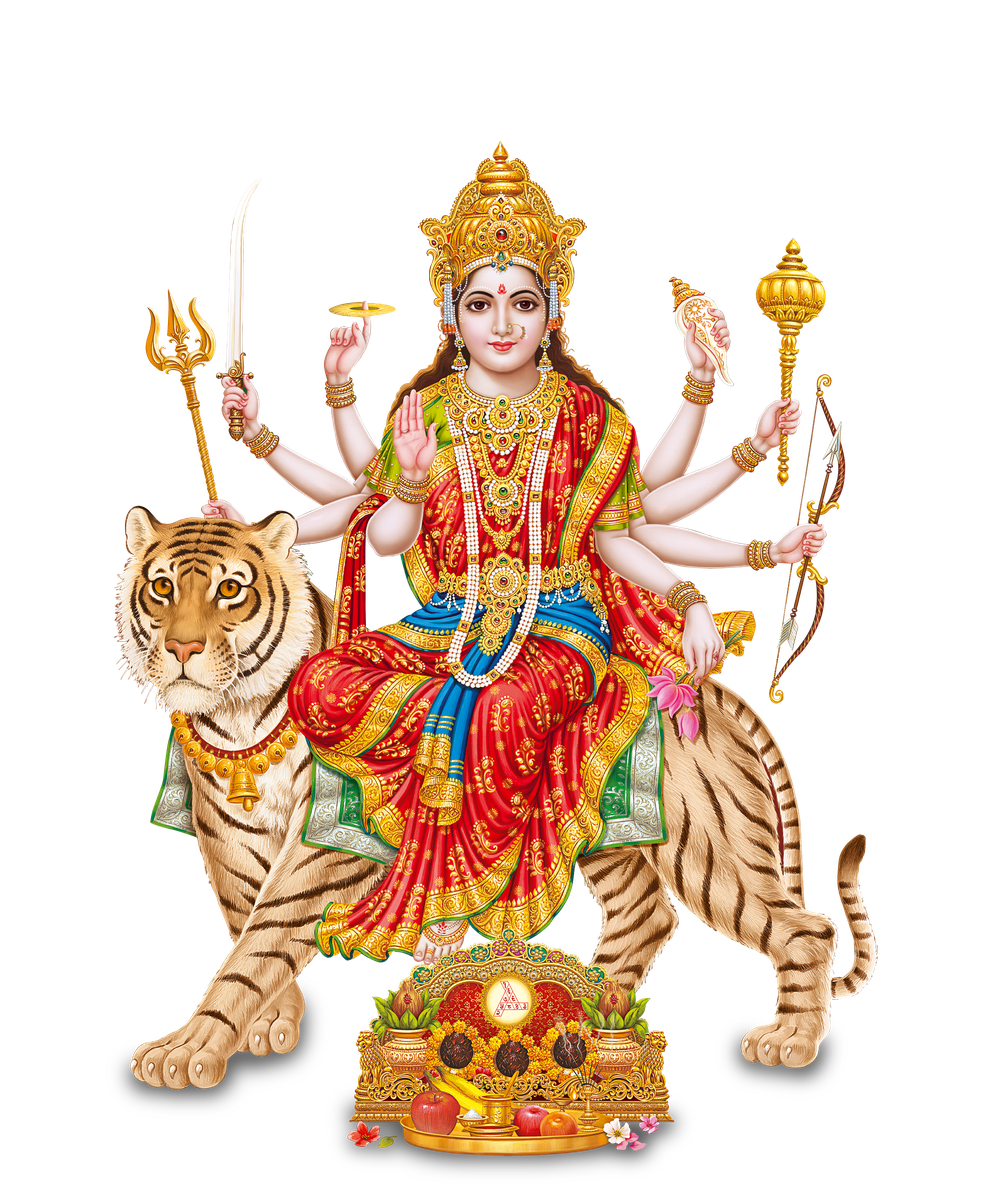
 जय संतोषी मातु भवानी
The complete Santoshi Maa Chalisa in Devanagari with meaning, the Friday vrat vidhi and the blessings devotees seek from the goddess of contentment.
Santoshi Maa, the goddess of contentment and satisfaction, is one of the most beloved deities among Indian households, especially among women who observe her Friday vrat seeking peace, harmony and fulfilment of wishes. She is worshipped as a form of Adi Shakti who removes conflict from the home and grants santosh — the deep contentment that no amount of wealth alone can buy. The Santoshi Maa Chalisa is recited to invoke her grace, particularly on Fridays, at the start of a sixteen-Friday vrat, or whenever a devotee seeks relief from domestic discord, financial worry or unfulfilled desires.
Complete Santoshi Maa Chalisa (Devanagari)
दोहा
जय संतोषी मातु भवानी। सत्य सनातन ब्रह्म समानी॥ जय जय जय संतोषी माता। ऋद्धि सिद्धि सुख सम्पति दाता॥
चौपाई
जय जय जय संतोषी माता। पूरण करो हमारी बाता॥ सत्य सनातन तुम्हरो नामा। सब जग में है पूरण कामा॥
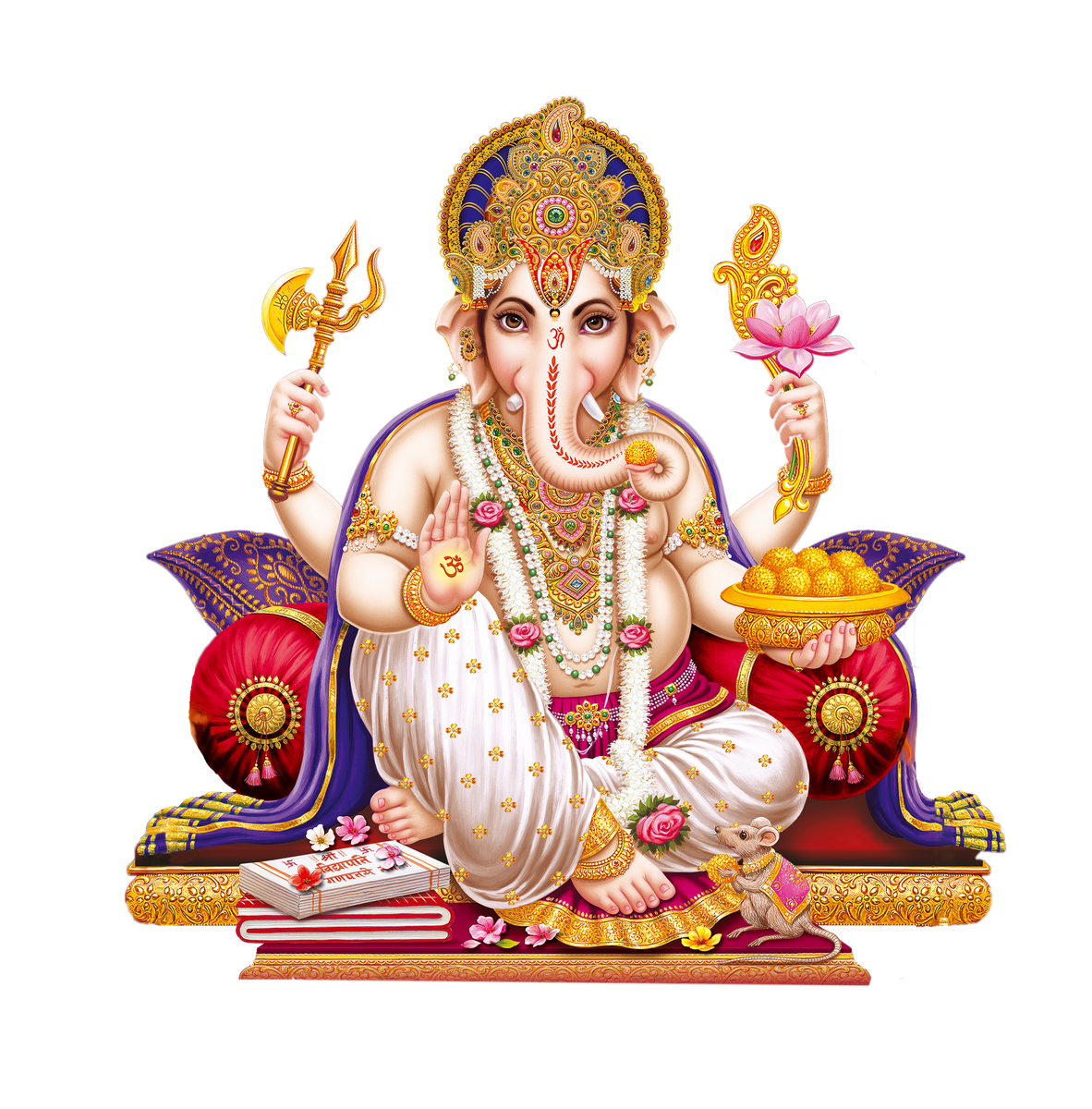
गणपति की तुम पुत्री प्यारी। मातु तुम्हीं संकट की हारी॥ शुक्रवार तेरो दिन प्यारा। भक्तन को देती हो सहारा॥
पीत वस्त्र और पुष्प तुम्हारे। गुड़ चना भोग तुम्हें प्यारे॥ भक्त तुम्हारे द्वार पे आवें। सुख शांति संतोष सब पावें॥
क्रोध कलह से रहत निराली। शांति स्वरूपा दयालु वाली॥ जो नर तुमको ध्यान लगावे। सो सुख सम्पति सहज ही पावे॥
निर्धन को धन देत सदाई। रोगी को हो रोग मिटाई॥ पुत्रहीन को पुत्र प्रदाता। सबकी सुनती हो जगमाता॥
व्रत करने की विधि है न्यारी। सोलह शुक्रवार व्रत भारी॥ गुड़ चना से भोग लगावें। खट्टी वस्तु न मुख में लावें॥
सत्य धर्म से रहना भाई। संतोषी माँ सुनत सुनाई॥ जो यह व्रत श्रद्धा से करई। ता के सब संकट दूर टरई॥
पति पत्नी में प्रेम बढ़ावे। घर में सुख शांति बरसावे॥ संतोष रूप तुम्हारो प्यारा। जो चाहे भव सागर पारा॥
तुम बिन जग में कोई न मेरा। तुम ही करती हो भव फेरा॥ सुनो सुनो हे मातु हमारी। विनती है यह मातु तुम्हारी॥
संकट मोचन नाम तुम्हारा। संतोषी हो जगत उजियारा॥ जो यह चालीसा नित गावे। मन वांछित फल निश्चय पावे॥
निर्बल के तुम बल हो माता। निर्धन के धन सुख विधाता॥ रोग शोक सब दूर भगाओ। संतोषी माँ कृपा दिखाओ॥
तेरे भक्त तुम्हीं को ध्यावें। सदा तुम्हारे गुण को गावें॥ जो यह पाठ करे मन लाई। ता को मिले सुख शांति सदाई॥
घर में हो कलह कलेशा। संतोषी माँ हरे सब क्लेशा॥ सास बहू में प्रेम बढ़ावे। पति पत्नी को मिलन कराव॥
आलस त्यागि करो सेवा। जागृत होंय सकल देवा॥ संतोषी माँ की जय बोलो। मन के सब पट खोलो खोलो॥
जो नर तेरा ध्यान लगावे। सो नर सुख सम्पति नित पावे॥ जय जय जय संतोषी माता। पूर्ण करो सबकी सुखदाता॥
दोहा
संतोषी माँ की आरती। जो कोई नित गाय। मनवांछित फल पाय के। सुख सम्पति घर आय॥
॥इति श्री संतोषी माता चालीसा सम्पूर्णम्॥
Meaning
The opening doha salutes Santoshi Maa as an eternal form of the divine mother, the giver of prosperity and spiritual accomplishment (riddhi-siddhi). The chaupais describe her as the daughter of Lord Ganesha, dear to devotees especially on Fridays, who accepts a simple offering of jaggery (gur) and roasted gram (chana) along with yellow flowers and cloth — symbols of her simplicity and satisfaction with humble devotion rather than costly rituals.
The verses describe how she removes anger, conflict and quarrels from the home, grants wealth to the poor, cures the sick, blesses the childless with children, and listens to every devotee's plea. The famous sixteen-Friday (Solah Shukrawar) vrat is referenced directly — during this vrat devotees avoid sour foods and maintain truthfulness. The Chalisa emphasises that Santoshi Maa's real gift is santosh itself: contentment that brings peace between husband and wife, mother-in-law and daughter-in-law, and harmony within the household. The closing verses promise that whoever recites this Chalisa with faith and devotion attains their heart's wishes and lasting peace.
Why Devotees Chant the Santoshi Maa Chalisa
Santoshi Maa became one of the most widely worshipped household goddesses in North India in the twentieth century, especially through her Friday vrat, which is simple enough for anyone to observe without elaborate ritual. Devotees turn to her when there is discord at home, financial strain, delay in marriage or childbirth, or simply a longing for inner peace that outward success has not brought. Her chalisa is a gentle, accessible prayer — short enough to recite daily, yet full of the assurance that sincere devotion is rewarded.
How and When to Chant
Best day: Friday, especially during the Solah Shukrawar (sixteen Friday) vrat, though it may be recited daily.
Time: Morning after bathing, or in the evening before the household lamp is lit.
Offering: Yellow flowers, yellow cloth, and a simple bhog of jaggery and roasted gram (gur-chana). Sour foods are avoided by the devotee on vrat days, not offered to the goddess.
Method: Light a ghee lamp before an image of Santoshi Maa, recite the chalisa with the opening and closing doha, then perform a short aarti. The chalisa may be read from a book or recited from memory once familiar; recite it with attention to the meaning rather than mechanical speed.
Count: There is no fixed mala count for the chalisa itself — one complete recitation, done with sincerity, is considered sufficient. Some devotees repeat it three or seven times on the first Friday of a new vrat cycle.
Dos and Don'ts of the Vrat
Do maintain truthfulness and avoid quarrels on the day of the vrat. Do offer gur-chana as prasad and share it with others, especially children. Do keep the mind calm and grateful rather than anxious about the outcome.
Do not consume anything sour (nimbu, imli, dahi-based sour preparations, achar) on a vrat day. Do not break the vrat mid-cycle without completing the udyapan (concluding ritual) properly — if a Friday must be skipped due to illness or travel, it is customary to resume respectfully rather than abandon the vow.
Mahatmya (Significance)
Santoshi Maa is understood in popular tradition as a form of Shakti connected to the Ganesha household — some traditions describe her as born from the collective joy (santosh) of Ganesha's sons Shubh and Labh, making her the granddaughter of Shiva and Parvati in devotional lore. Her worship spread widely because her vrat requires no priest, no Sanskrit mantra fluency and no costly items — only sincerity, patience through sixteen Fridays, and a simple offering. This accessibility is central to her mahatmya: she is the goddess who meets ordinary householders exactly where they are.
Benefits of Reciting the Santoshi Maa Chalisa
Devotees who recite this chalisa with faith report a calmer, more harmonious home; relief from prolonged financial or domestic worry; the resolution of long-pending desires such as marriage, childbirth or a stalled venture; and, most centrally, a settled sense of contentment (santosh) that reduces anxious craving even before outward circumstances change.
Frequently Asked Questions
Q: Can men recite the Santoshi Maa Chalisa, or is it only for women? A: Anyone — man, woman, or child — may recite the chalisa and seek Santoshi Maa's blessings. The Solah Shukrawar vrat is traditionally more common among women, but the chalisa itself is open to all sincere devotees.
Q: What if I miss a Friday during the sixteen-week vrat? A: Try to maintain continuity, but if illness, travel or an unavoidable reason causes a missed Friday, resume the following week with sincerity rather than abandoning the vrat; complete the full sixteen Fridays and perform the udyapan once done.
Q: Is there a specific mantra to chant along with the Chalisa? A: The chalisa itself is a complete prayer. Many devotees also chant "Om Santoshi Mata Namah" a few times before beginning, but this is optional.
Q: What should be offered as prasad? A: Gur (jaggery) and chana (roasted gram) is the traditional and most important offering; sour items should never be part of the offering or the devotee's own food on vrat days.
Quick guide
Before you begin
Mantra
Santoshi Mata mantra
Om Shri Santoshi Matayai Namah
Chant on Friday or during the vrat with a calm and grateful heart.
Bhav
Benefits devotees pray for
FAQ
Common questions
Can men recite the Santoshi Maa Chalisa, or is it only for women?
Anyone may recite the chalisa; the Solah Shukrawar vrat is traditionally more common among women, but the chalisa itself is open to all.
What if I miss a Friday during the sixteen-week vrat?
Resume the following week with sincerity rather than abandoning the vrat; complete all sixteen Fridays and perform the udyapan once done.
Is there a specific mantra to chant along with the Chalisa?
The chalisa is complete in itself. Many devotees also chant 'Om Santoshi Mata Namah' a few times before beginning, but this is optional.
What should be offered as prasad?
Gur (jaggery) and chana (roasted gram) is the traditional offering; sour items should never be offered or eaten by the devotee on vrat days.
Seeking Santoshi Maa's Blessings?
Book a puja dedicated to Santoshi Maa for peace, harmony and contentment in your home.