


 नमामीशमीशान निर्वाणरूपम्
The complete Rudrashtakam composed by Goswami Tulsidas in the Ramcharitmanas — eight powerful shlokas glorifying Bhagwan Shiva's form, grace and protection.
The Rudrashtakam is one of the most beloved Shiva stotras in the Sanatan tradition. It was composed by Goswami Tulsidas and appears in the Uttarkand of the Ramcharitmanas, placed in the mouth of Bhagwan Ram himself as he praises Bhagwan Shiva before the Rudra Yagna. In just eight compact, musical shlokas (plus a closing phalashruti verse), it captures the entire vastness of Shiva's nature — the formless, all-pervading Brahman as well as the compassionate, blue-throated ascetic seated on Kailash with the Ganga in his matted locks.
The word "Rudra" refers to Bhagwan Shiva in his form as remover of sorrow (from the root "rud" — to cry, and "dru" — to drive away), and "Ashtakam" means a composition of eight verses. So Rudrashtakam literally means "eight verses in praise of Rudra." It is chanted daily by millions of devotees, especially during Sawan (Shravan month), on Mondays, and during Maha Shivratri, for peace of mind, courage, protection from fear and the grace of Bhagwan Shiva.
Complete Rudrashtakam (Devanagari)
नमामीशमीशान निर्वाणरूपं विभुं व्यापकं ब्रह्म वेदस्वरूपम् । निजं निर्गुणं निर्विकल्पं निरीहं चिदाकाशमाकाशवासं भजेऽहम् ॥ १ ॥
निराकारमोंकारमूलं तुरीयं गिरा ज्ञानगोतीतमीशं गिरीशम् । करालं महाकालकालं कृपालं गुणागारसंसारपारं नतोऽहम् ॥ २ ॥
तुषाराद्रिसंकाशगौरं गभीरं मनोभूतकोटिप्रभा श्री शरीरम् । स्फुरन्मौलिकल्लोलिनी चारुगंगा लसद्भालबालेन्दु कण्ठे भुजंगा ॥ ३ ॥
चलत्कुण्डलं भ्रू सुनेत्रं विशालं प्रसन्नाननं नीलकण्ठं दयालम् । मृगाधीशचर्माम्बरं मुण्डमालं प्रियं शंकरं सर्वनाथं भजामि ॥ ४ ॥
प्रचण्डं प्रकृष्टं प्रगल्भं परेशं अखण्डं अजं भानुकोटिप्रकाशम् । त्रयःशूलनिर्मूलनं शूलपाणिं भजेऽहं भवानीपतिं भावगम्यम् ॥ ५ ॥
कलातीतकल्याण कल्पान्तकारी सदा सज्जनानन्ददाता पुरारी । चिदानन्दसंदोह मोहापहारी प्रसीद प्रसीद प्रभो मन्मथारी ॥ ६ ॥
न यावदुमानाथ पादारविन्दं भजंतीह लोके परे वा नराणाम् । न तावत्सुखं शान्ति सन्तापनाशं प्रसीद प्रभो सर्वभूताधिवासम् ॥ ७ ॥
न जानामि योगं जपं नैव पूजां नतोऽहं सदा सर्वदा शम्भुतुभ्यम् । जरा जन्म दुःखौघ तातप्यमानं प्रभो पाहि आपन्नमामीश शम्भो ॥ ८ ॥
रुद्राष्टकमिदं प्रोक्तं विप्रेण हरतोषये । ये पठन्ति नरा भक्त्या तेषां शम्भुः प्रसीदति ॥
Meaning of Each Verse
Verse 1: I bow to Ishana, the Lord who is the very form of liberation (nirvana), the all-pervading, all-encompassing Brahman, whose true nature is the Veda itself. I worship that pure, attributeless, changeless, desireless one who is consciousness itself, dwelling in the sky of awareness, clothed in the directions.
Verse 2: I bow to the formless one, the root of Om, who exists beyond speech, knowledge and the senses (turiya), the Lord of the mountains (Girish). Fierce, yet the very death of Mahakaal (time itself), and supremely compassionate — the abode of all virtues, beyond the reach of this worldly ocean.
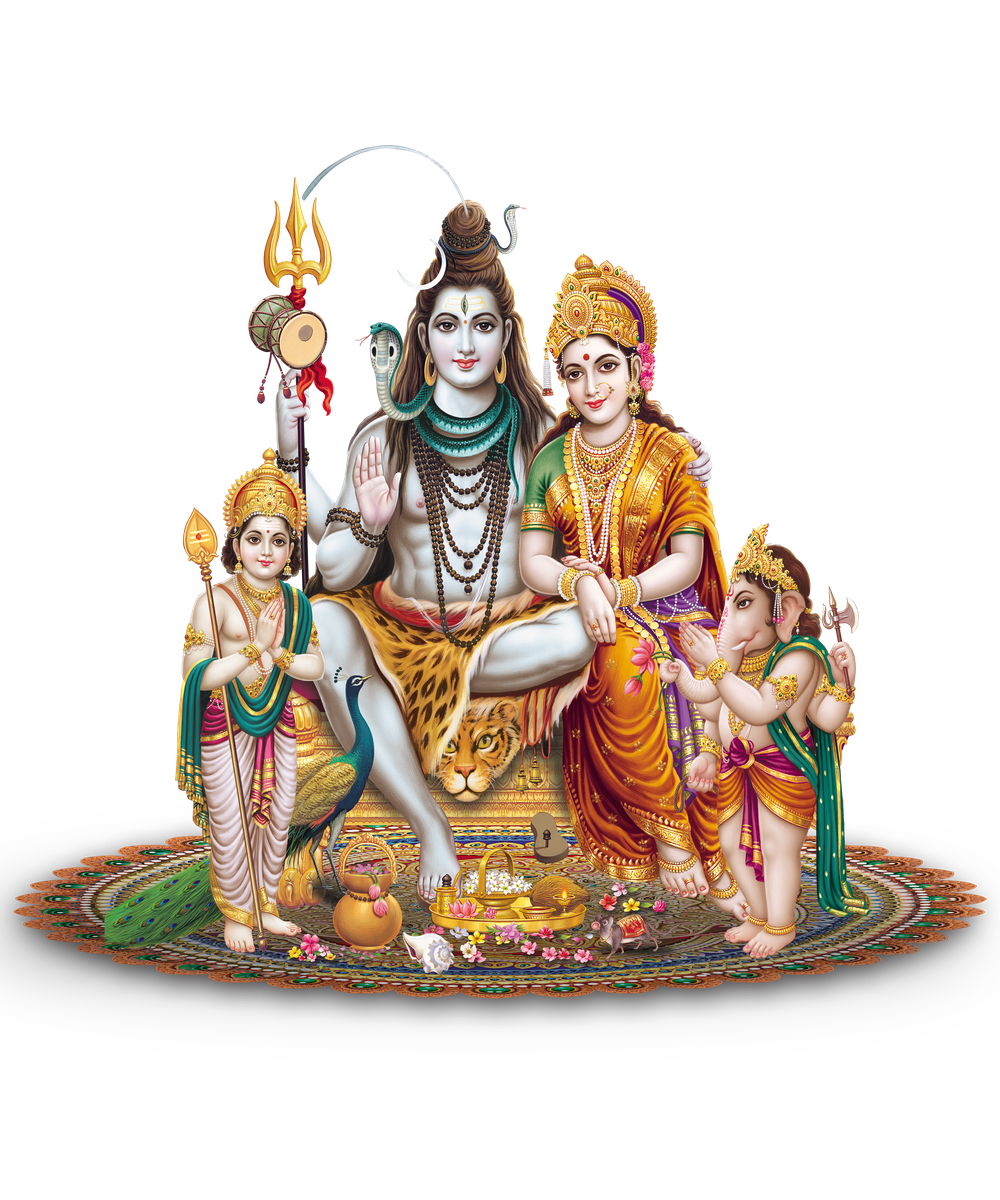
Verse 3: His form is fair and radiant like the snow-clad Himalaya, deep and profound, more beautiful than millions of Kamadevs. The lovely Ganga plays upon his crown, the crescent moon shines on his forehead, and a serpent adorns his neck.
Verse 4: His earrings sway, his eyebrows and large eyes are beautiful, his face is ever calm and gracious, his throat is blue (Neelkanth), and he is deeply merciful. Clad in a tiger skin, wearing a garland of skulls — I worship that beloved Shankar, Lord of all.
Verse 5: Fierce, supreme, bold, the Lord of all, indivisible, unborn, radiant like a million suns. Holding the trident that uproots the three sorrows (Shulapani), I worship that consort of Bhavani, who is realised only through pure feeling and devotion.
Verse 6: Beyond time, ever auspicious, the one who dissolves creation at the end of the cosmic cycle, who ever grants bliss to the virtuous, the destroyer of Tripura and Kamadev. O ocean of consciousness and bliss, remover of delusion — be pleased, be pleased, O Lord!
Why Chant the Rudrashtakam
The Rudrashtakam is treasured because it presents both aspects of Shiva in one breath — the formless, infinite Brahman (nirguna) and the loving, personal form seated with Parvati on Kailash (saguna). Chanting it helps a devotee move from fear and confusion toward steadiness, courage and surrender. Traditionally it is believed to remove fear of death, grant relief from chronic worry, strengthen resolve during difficulty, and open the heart to Shiva's compassion. Because Ram himself is shown chanting it before battle, it is also associated with courage before a difficult undertaking — an exam, a health challenge, a new beginning.
How and When to Chant
Time: Early morning after bathing, especially during Sawan month, on Mondays (Somvar), Pradosh, and Maha Shivratri. It may also be chanted in the evening at a Shiva temple.
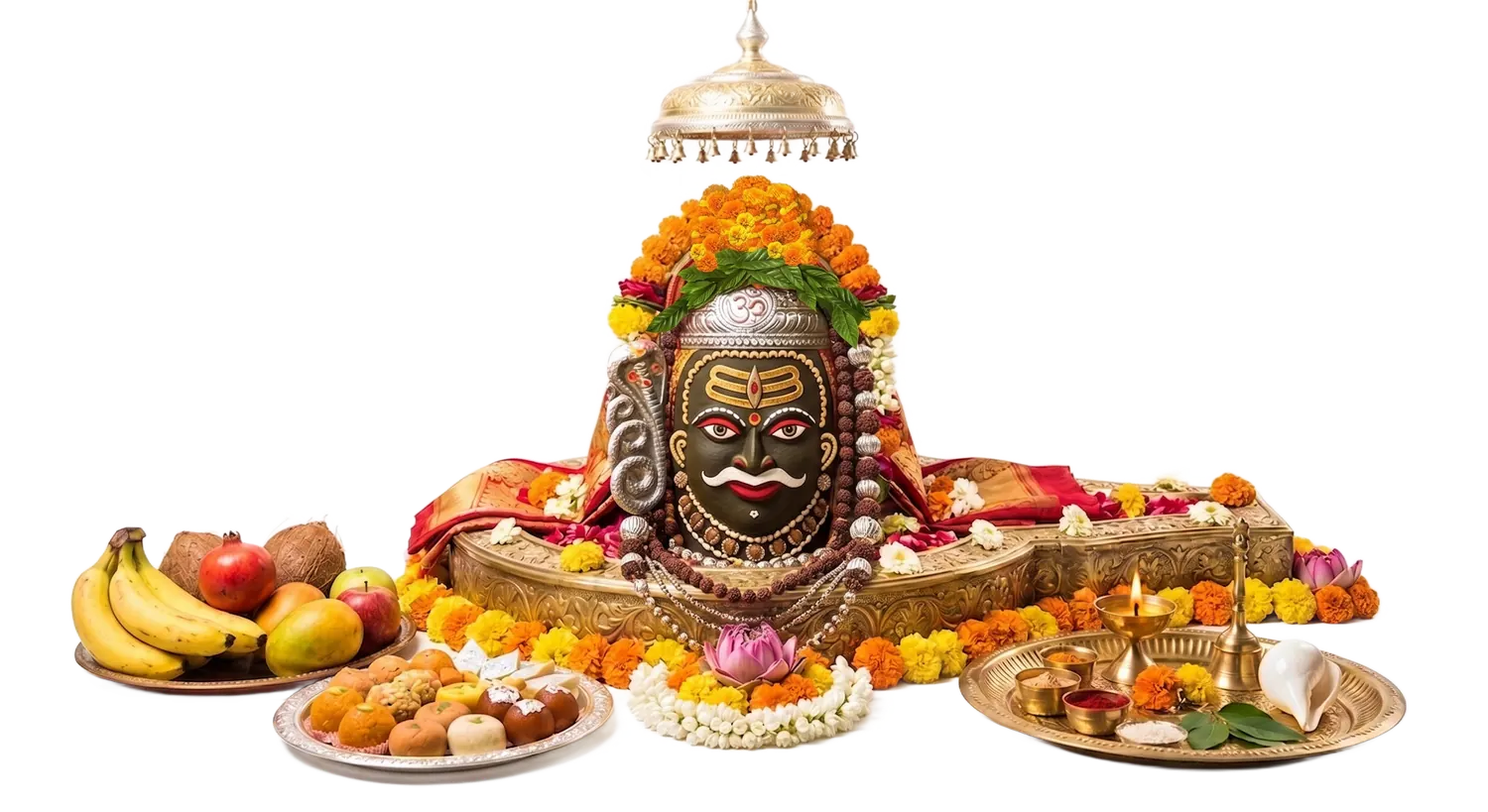
Preparation: Sit facing east or north before a Shivling or an image of Shiva-Parvati. Light a diya and incense, offer water (jal), bel-patra, and white flowers.
Method: Chant all eight verses along with the closing shloka, ideally 3, 9 or 11 times. Many devotees pair it with Om Namah Shivaya japa afterward. It can also simply be read aloud with feeling once a day.
Mala: Not compulsory, but a Rudraksha mala may be used if doing repeated recitation.
Do's and Don'ts
Do chant with a calm mind and clear pronunciation, understanding the meaning as you go. Do maintain cleanliness and light a lamp if possible. Do chant it before starting anything that requires courage. Avoid chanting mechanically without feeling; avoid non-vegetarian food and alcohol on the day you observe this as a vrat; avoid interrupting the recitation midway if possible — complete all verses in one sitting.
Mahatmya (Glory)
In the Ramcharitmanas, this stotra is placed at a moment when Bhagwan Ram, before undertaking the Rudra Yagna, offers this praise to Bhagwan Shiva to seek his blessings for the successful completion of a great and difficult task. This context itself reveals the spirit of the Rudrashtakam — it is chanted not merely for ritual merit but to invoke Shiva's strength and grace at moments that call for courage, discipline and surrender to a higher power.
Frequently Asked Questions
This section addresses common questions about the Rudrashtakam.
Quick guide
Before you begin
Mantra
Tulsi Mata mantra
Om Tulasyai Namah
Chant near the Tulsi plant with a lamp, water offering, and sincere devotion.
Bhav
Benefits devotees pray for
FAQ
Common questions
How many verses does the Rudrashtakam have?
The Rudrashtakam has eight main verses (ashtak), plus a ninth closing phalashruti verse describing its benefit, making nine verses in total.
Who composed the Rudrashtakam?
It was composed by Goswami Tulsidas and appears in the Uttarkand of the Ramcharitmanas, spoken by Bhagwan Ram in praise of Bhagwan Shiva.
What is the best time to chant Rudrashtakam?
Early morning after bathing is ideal, especially on Mondays, throughout Sawan month, on Pradosh, and on Maha Shivratri, though it can be chanted any day with devotion.
What are the benefits of chanting Rudrashtakam?
It is believed to bring peace of mind, courage before difficult undertakings, relief from fear and worry, and the compassionate grace of Bhagwan Shiva.
Seek Bhagwan Shiva's Blessings
Book an authentic Shiva puja performed by expert pandits, or explore more sacred stotras and paths on Divya Chadhava.