 रुद्राक्षं परं गुह्यं
A simple guide to understanding rudraksha mukhis and choosing the one that suits your life and intention.
Rudraksha is one of the most revered objects in Sanatan Dharma. The word rudraksha comes from two Sanskrit words, Rudra, a name of Lord Shiv, and Aksha, meaning eye or tear. According to tradition, rudraksha beads are believed to have originated from the tears of Lord Shiv, shed either in compassion for the suffering of beings or in deep meditative bliss. These beads grow on the Elaeocarpus ganitrus tree, found mainly in the Himalayan foothills of Nepal, and in parts of Indonesia and India.
Each rudraksha bead has natural vertical lines running along its surface called mukhis, which literally means faces. The number of mukhis on a bead, from one to as many as twenty-one in rare cases, is believed to determine its unique energetic quality, its ruling deity, and the planet it is associated with in Vedic astrology. This is why rudraksha is worn not merely as jewellery but as a spiritual tool, chosen according to a person's temperament, life goals, and the planetary influences they wish to balance.
Why Rudraksha Is Worn
In the Shiv Purana and other texts, rudraksha is described as extremely dear to Lord Shiv, and wearing it with faith is said to bring the wearer closer to a state of inner steadiness, courage, and protection from negative influences. Many seekers wear rudraksha to support meditation, to calm the mind, to strengthen willpower, and to feel a sense of divine closeness during japa and puja. In everyday life, people also wear specific mukhis to seek support for health, relationships, career stability, and peace of mind.
Understanding the Common Mukhis
One Mukhi Rudraksha is considered the rarest and is associated with Lord Shiv himself and the Sun. It is linked to spiritual awakening, leadership, and inner clarity, and is traditionally worn only after careful guidance because of its rarity and intensity.
Two Mukhi Rudraksha represents the union of Shiv and Shakti, Ardhanarishwar. It is associated with the Moon and is worn for harmony in relationships, especially between partners, and for emotional balance.
Three Mukhi Rudraksha is ruled by Agni, the fire deity, and Mars. It is worn for confidence, willpower, and to release feelings of guilt or self-doubt, helping the wearer move forward with a clearer conscience.
Four Mukhi Rudraksha is associated with Lord Brahma and the planet Mercury. It supports learning, memory, communication, and creativity, and is often recommended for students and those in intellectual or creative professions.
Five Mukhi Rudraksha is the most common and widely worn bead, representing Lord Shiv in his Kalagni Rudra form and ruled by Jupiter. It is considered gentle and balancing, suitable for almost everyone, supporting general well-being, focus, and peace of mind. This mukhi has its own detailed article on this site.
Six Mukhi Rudraksha is associated with Lord Kartikeya and the planet Venus. It is worn for discipline, willpower, and to support harmony in relationships and creative pursuits.
Seven Mukhi Rudraksha is ruled by the seven forms of the goddess Mahalakshmi and the planet Saturn. It is worn for financial stability, career growth, and to ease the effects of a difficult Saturn placement.
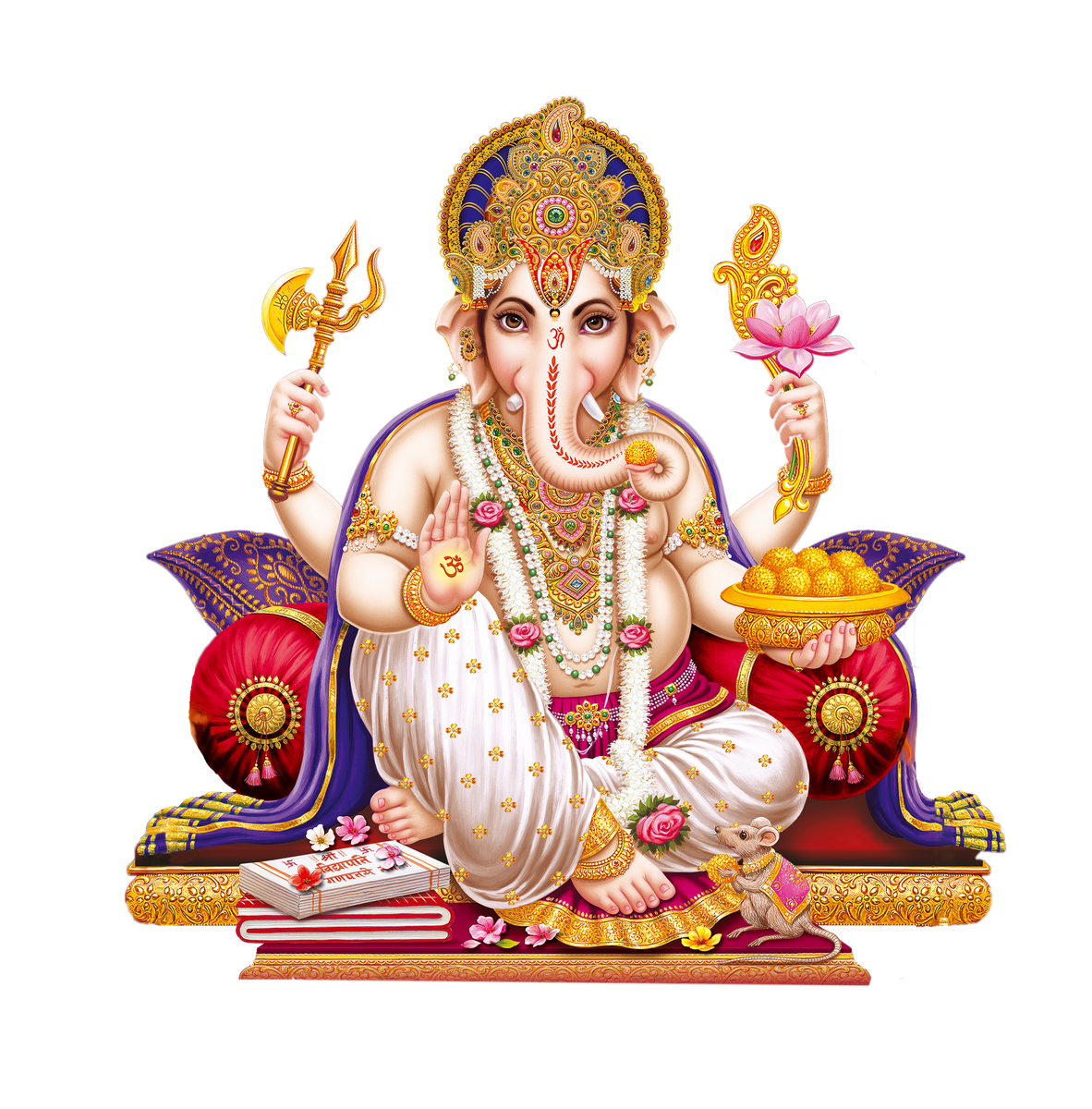
Eight Mukhi Rudraksha is associated with Lord Ganesh and the planet Rahu. It is worn to remove obstacles, sharpen decision making, and bring steadiness during turbulent periods.
Nine Mukhi Rudraksha represents the goddess Durga in her nine forms and is ruled by Ketu. It is worn for courage, protection, and spiritual strength, especially by those seeking to overcome fear.
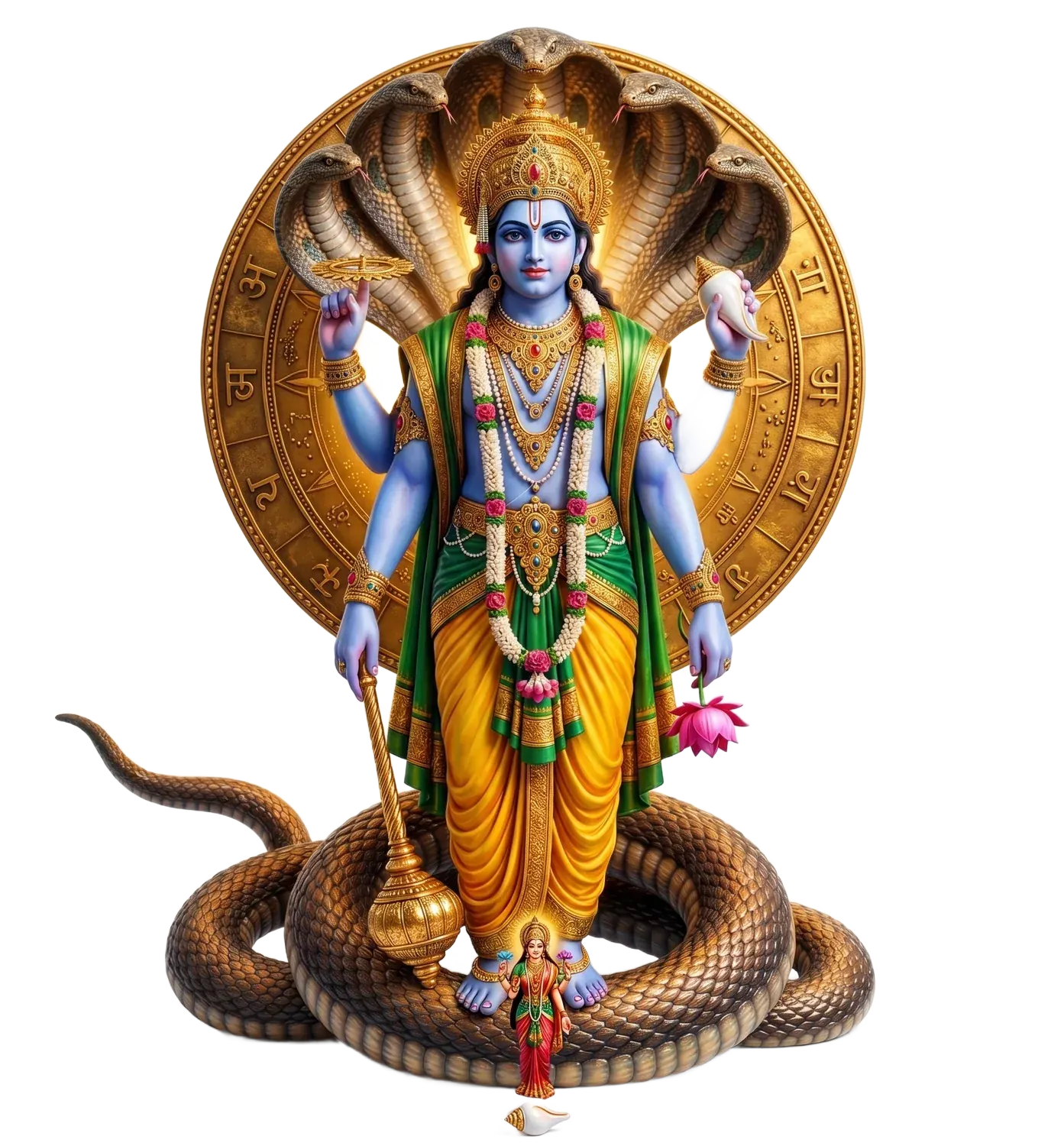
Ten Mukhi Rudraksha is associated with Lord Vishnu and is said to pacify the influence of all nine planets together, offering a sense of overall protection and stability.
Eleven Mukhi Rudraksha is linked to the eleven Rudras and Lord Hanuman, worn for courage, focus, and steady progress toward one's goals.
Twelve Mukhi Rudraksha is associated with the Sun and the twelve forms of Surya, worn for confidence, vitality, and leadership qualities.
Thirteen and Fourteen Mukhi Rudraksha are rarer beads, the thirteen mukhi associated with Kamadev and worn for charm and fulfilment of wishes, and the fourteen mukhi, known as Devmani, associated with Lord Shiv in his form as protector, ruled by Saturn, and worn for protection and inner strength.
How to Choose the Right Mukhi
Most priests and knowledgeable elders suggest that a Five Mukhi Rudraksha is a safe and beneficial starting point for anyone, since it is mild, universally suitable, and dedicated to Lord Shiv in a gentle form. Beyond that, the right mukhi for a specific concern, such as career, health, relationships, or protection, is best chosen with some understanding of one's own birth chart and life situation. If you are unsure, it is completely fine to begin with a simple five mukhi bead worn with sincere faith, rather than worrying about matching every mukhi to a specific planet.
How to Wear Rudraksha
Traditionally, rudraksha is worn after cleansing it gently with clean water, and many devotees choose an auspicious time such as a Monday, Pradosh, or Shivratri to begin wearing it. Before wearing, it is customary to hold the bead, offer a short prayer to Lord Shiv, and chant the mantra Om Namah Shivaya or the beej mantra associated with that particular mukhi, if known, before placing the mala or bead around the neck or wrist.
Dos and Don'ts
Rudraksha should be treated with respect, kept clean, and ideally not worn during moments of impurity, according to traditional practice, though these customs can be followed with personal sincerity rather than rigid anxiety. It should not be worn or handled in a manner disrespectful to the deity. If a bead breaks or the thread wears out, it can be gently reknotted or replaced, and the old thread offered respectfully rather than discarded carelessly.
A Gentle Word on Astrology and Faith
Rudraksha and its mukhis are part of a rich devotional and astrological tradition, offered here as spiritual support and cultural knowledge, not as a guaranteed remedy or a substitute for medical, legal, financial, or professional advice. Planetary influences described in Vedic astrology are general patterns of tendency, not fixed destiny, and wearing rudraksha works best as one part of a sincere spiritual life that includes prayer, right conduct, and patience, rather than as a shortcut to instant results. If you are dealing with a serious health, legal, or financial matter, please consult the relevant qualified professional alongside your spiritual practice.
Frequently, sincere devotees ask which mukhi is best for them. The honest answer rooted in tradition is that intention and faith matter as much as the specific mukhi. Wearing any rudraksha with a clean heart, respect for Lord Shiv, and regular simple prayer is far more valuable than searching endlessly for the perfect bead.
Quick guide
Before you begin
Mantra
Shiva mantra
Om Namah Shivaya
Chant with a quiet mind, especially on Monday, Pradosh, or during Shiva puja.
Bhav
Benefits devotees pray for
FAQ
Common questions
Which rudraksha mukhi is best for beginners?
A Five Mukhi Rudraksha is traditionally considered the safest and most universally suitable bead for anyone beginning their rudraksha journey, as it is gentle, dedicated to Lord Shiv, and beneficial for general peace and well-being.
Can anyone wear any mukhi rudraksha?
In general practice, most mukhis can be worn by anyone with sincere faith. Some rarer beads like one mukhi are traditionally worn with more guidance due to their intensity, but there is no strict prohibition when worn respectfully.
How many mukhi rudraksha should I wear together?
There is no fixed rule. Many devotees wear a single five mukhi bead, while others wear a mala of 108 five mukhi beads, or combine a few different mukhis based on personal guidance. Simplicity and sincerity matter more than quantity.
Does rudraksha need to be removed while bathing or sleeping?
Traditional practice varies by region and family custom. Many devotees keep it on at all times with respect, while others remove it briefly during specific impure activities. Either approach is acceptable when done with faith and care.
Seek Lord Shiv's Blessings
Book a puja dedicated to Lord Shiv for peace, protection, and steady progress in life.