 व्रतेन शुद्ध्यति राज्यम्
The moving story of Shobhan and Chandrabhaga, whose incomplete and complete observance of Rama Ekadashi teaches why this fast just before Diwali must be kept with full resolve.
What Is Rama Ekadashi
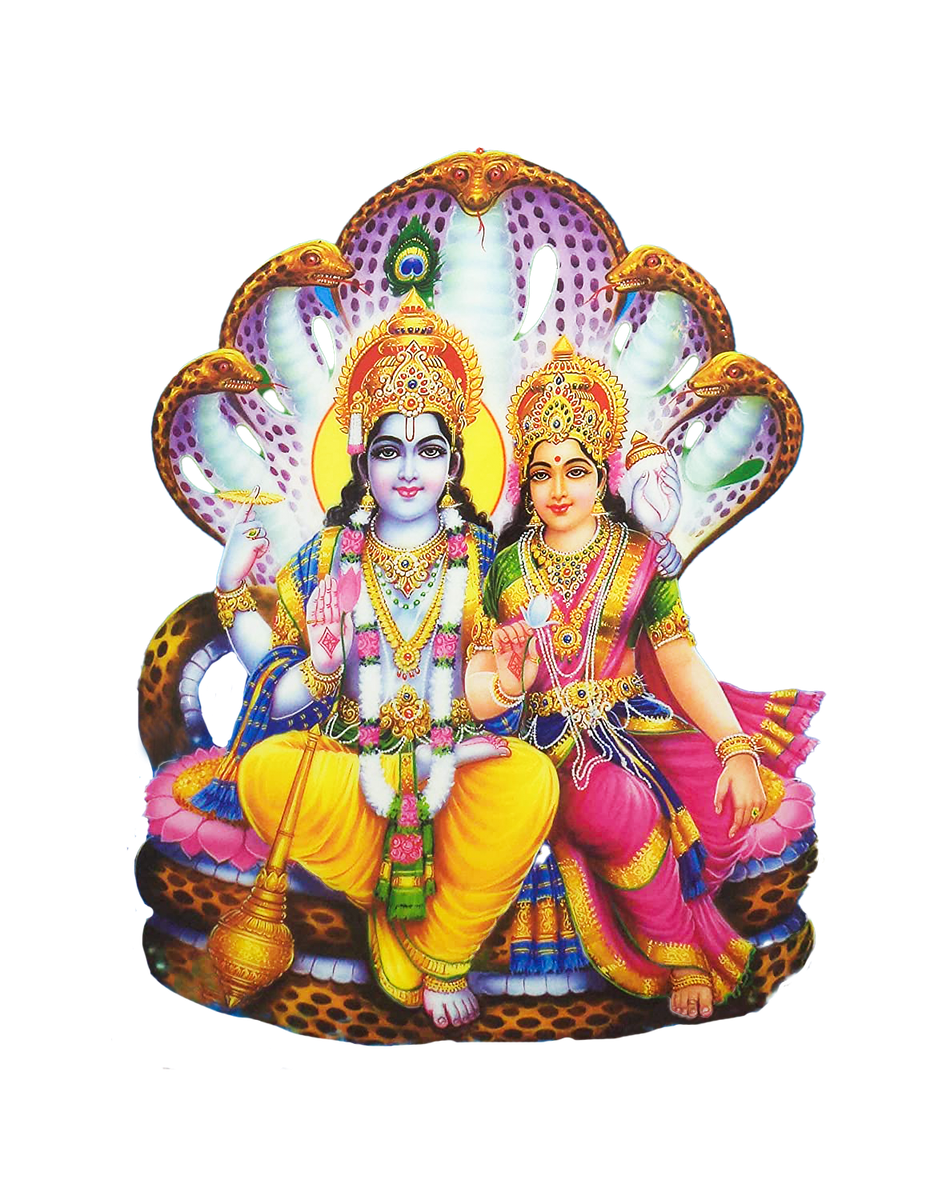
Rama Ekadashi falls on the eleventh day of the dark fortnight (Krishna Paksha) of the month of Kartik, just three days before Diwali. Because it arrives right before the festival of lights, it is considered one of the most important Ekadashis of the year - devotees traditionally use it to purify body and mind before welcoming Goddess Lakshmi into a clean, sattvic home on Diwali. It is also called Rama Ekadashi in honour of Goddess Lakshmi, whose name Rama denotes the one who gives joy and abundance.
The Vrat Katha
This katha, too, was told by Lord Krishna to Yudhishthira in response to his question about the Ekadashi of Kartik Krishna Paksha.
In ancient times there ruled a noble and powerful king named Muchukunda in the region of Mithila, known for his devotion to truth and dharma. He had a beautiful and virtuous daughter named Chandrabhaga. In the neighbouring kingdom of Champavati ruled King Chandrasena, whose son Shobhan was given in marriage to Chandrabhaga.
Shobhan grew up in comfort and had a delicate constitution; he was not accustomed to hardship or austerity. Once, during a visit to his father-in-law's kingdom of Mithila with his wife, the sacred day of Rama Ekadashi arrived. In King Muchukunda's kingdom, the observance of Ekadashi was so strict that not a single soul - man, woman, animal, even the state elephants and horses - was allowed to eat on that day; anyone found breaking the fast was punished.
Shobhan, unused to fasting, grew anxious. He confided in Chandrabhaga that he did not think his frail body could endure a complete nirjala fast, yet he could not break the law of his father-in-law's kingdom either. Chandrabhaga, deeply devoted to Vishnu, comforted her husband and told him that the strength of Hari (Vishnu) himself would sustain him through the vrat, and urged him to observe it with full faith rather than fear.
Shobhan, trusting his wife's words, kept the fast with as much resolve as his weak body could bear. But by the end of the day his body, already frail, could not withstand the rigour of the fast, and as the night deepened, Shobhan passed away in the midst of his Ekadashi vigil.
Chandrabhaga was devastated, but according to the customs of the kingdom, cremated her husband with due honour and continued to live as a devoted widow, performing her own religious duties, including her regular Ekadashi vrats, without fail.
Some time later, the sage Sombit, who possessed the power to travel between worlds, visited Mithila. Chandrabhaga, still grieving, asked the sage if he could tell her anything of her husband's fate after death. Through his yogic power, sage Sombit travelled to the celestial realms and discovered Shobhan ruling as king over a magnificent kingdom on Mount Mandaracha - a shining city, populated by celestial beings, granted to him purely by the merit of the single Rama Ekadashi vrat he had observed before his death. Yet the sage also perceived that this glorious kingdom trembled and swayed at times, as though its foundations were not fully secure - because Shobhan's vrat, though sincere, had not been completed with full physical stamina and had been undertaken more out of duty than deep inner conviction.
On hearing this, Chandrabhaga resolved to visit her husband. Guided by the sage, she travelled to Mount Mandaracha and was overjoyed to be reunited with Shobhan, now radiant and youthful, ruling his celestial kingdom. She asked him why his magnificent kingdom occasionally shook and grew unstable. Shobhan explained that it was the result of his incomplete faith during the vrat - it had been observed more from compulsion than pure devotion - and this was the flaw that made the fruit of his merit unsteady.
Chandrabhaga then vowed that she herself would observe Rama Ekadashi with complete and unwavering devotion, and would dedicate the merit of her vrat to her husband to make his celestial kingdom permanent and unshakeable. She returned to earth and, with total faith, observed Rama Ekadashi exactly as prescribed - fasting fully, keeping vigil through the night, and worshipping Lord Vishnu with a pure heart - and offered the merit of her vrat to Shobhan. From that day, Shobhan's kingdom on Mount Mandaracha became eternally stable and imperishable, and the couple lived together in that celestial abode, blessed forever by the power of a Rama Ekadashi vrat observed with true devotion.
Krishna told Yudhishthira that this Ekadashi, observed with sincere and complete faith, grants results equal to the merit of the Ashwamedha yagna and liberates one from the cycle of rebirth.
The Teaching of the Katha
The story of Shobhan and Chandrabhaga carries a gentle but firm lesson: a vrat performed out of fear, obligation or half-heartedness yields an unstable result, while the same vrat performed with complete faith and inner conviction becomes permanent and unshakeable. This is why devotees are urged to approach Rama Ekadashi - and indeed every vrat - not as a burden but as a heartfelt offering.
Vidhi - How to Observe Rama Ekadashi
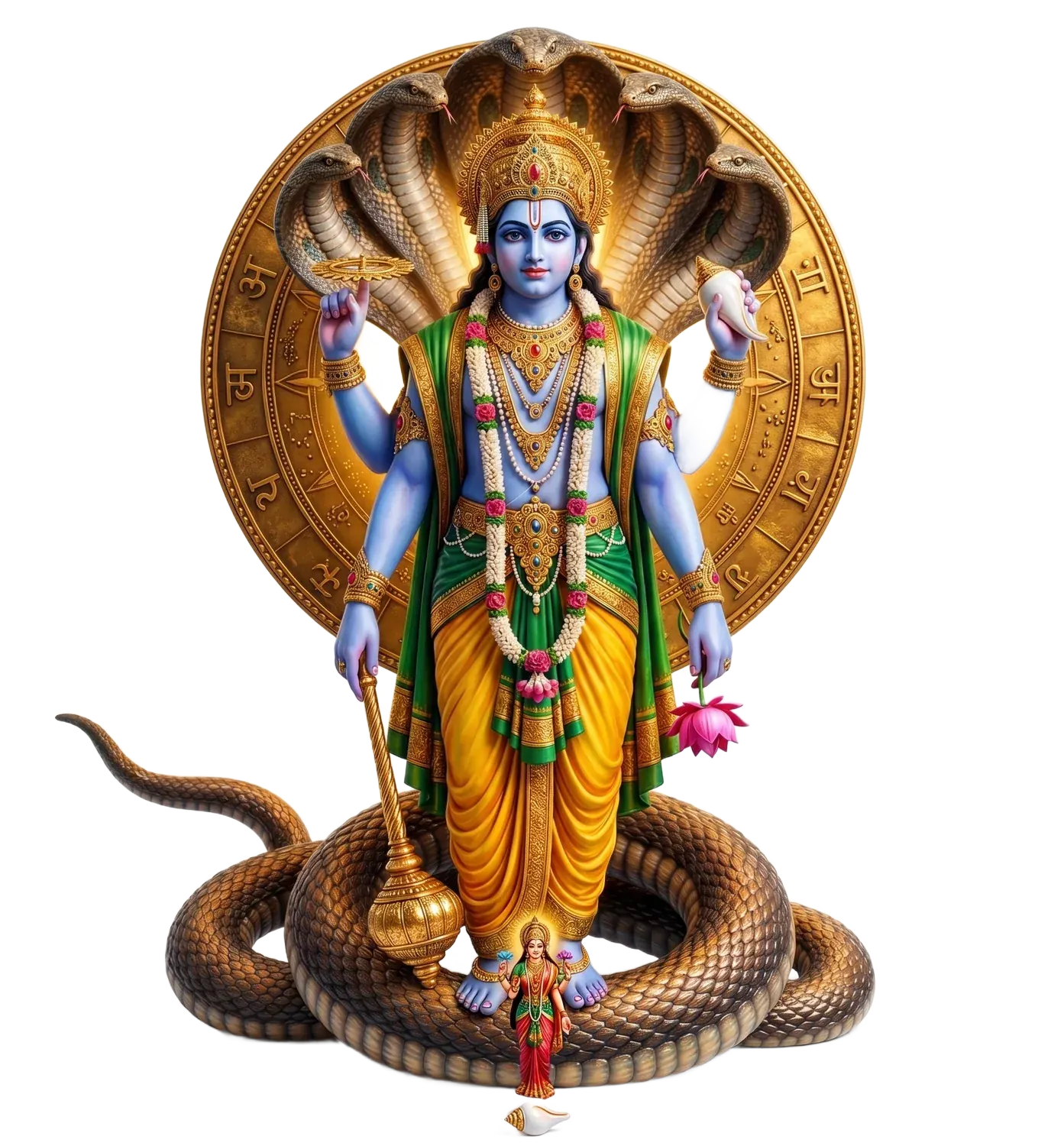
Begin with Dashami (the day before), eating only a light satvik meal in the evening. On Ekadashi, wake before sunrise, bathe, and take the sankalp for a full-day fast (nirjala or phalahar according to one's health). Worship Lord Vishnu with tulsi, yellow flowers and a ghee diya, and recite Vishnu Sahasranama or chant Om Namo Narayanaya. Keep a night vigil (jagran) in devotional remembrance, and break the fast the next day, Dwadashi, only after morning worship, ideally with a small offering to a Brahmin or someone in need.
Benefits of the Vrat
Observing Rama Ekadashi with full faith is believed to remove obstacles standing between a devotee and lasting prosperity, purify the home and mind in preparation for Diwali and the arrival of Goddess Lakshmi, strengthen marital harmony and family bonds as in the story of Shobhan and Chandrabhaga, and grant merit equal to the Ashwamedha yagna.
Frequently Asked Questions
When does Rama Ekadashi fall: On the Ekadashi of Kartik Krishna Paksha, three days before Diwali (Kartik Amavasya).
Why is Rama Ekadashi important before Diwali: It is used traditionally to purify oneself and the home spiritually before welcoming Goddess Lakshmi on Diwali.
What if I cannot keep a strict nirjala fast: A phalahar (fruit-only) fast observed with sincere devotion is equally acceptable; what matters most, as the katha shows, is the completeness of one's faith, not merely physical endurance.
Can the merit of a vrat be dedicated to someone else: Yes, as Chandrabhaga's story shows, the merit (punya) of a vrat can be offered for the benefit of a loved one, living or departed.
Quick guide
Before you begin
Mantra
Ram mantra
Shri Ram Jai Ram Jai Jai Ram
Chant slowly with devotion for courage, truth, protection, and mental peace.
Bhav
Benefits devotees pray for
FAQ
Common questions
When does Rama Ekadashi fall?
On the Ekadashi of Kartik Krishna Paksha, three days before Diwali.
Why is Rama Ekadashi important before Diwali?
It is traditionally used to purify oneself and the home before welcoming Goddess Lakshmi on Diwali.
What if I cannot keep a strict nirjala fast?
A phalahar fast observed with full devotion is equally acceptable; sincerity matters more than physical endurance.
Can vrat merit be dedicated to someone else?
Yes, as Chandrabhaga's story shows, the merit of a vrat can be offered for the benefit of a loved one.
Prepare for Diwali with a Vishnu-Lakshmi Puja
Let our pandits perform a Rama Ekadashi sankalp and Vishnu-Lakshmi puja on your behalf, so your home is spiritually ready to welcome prosperity.