
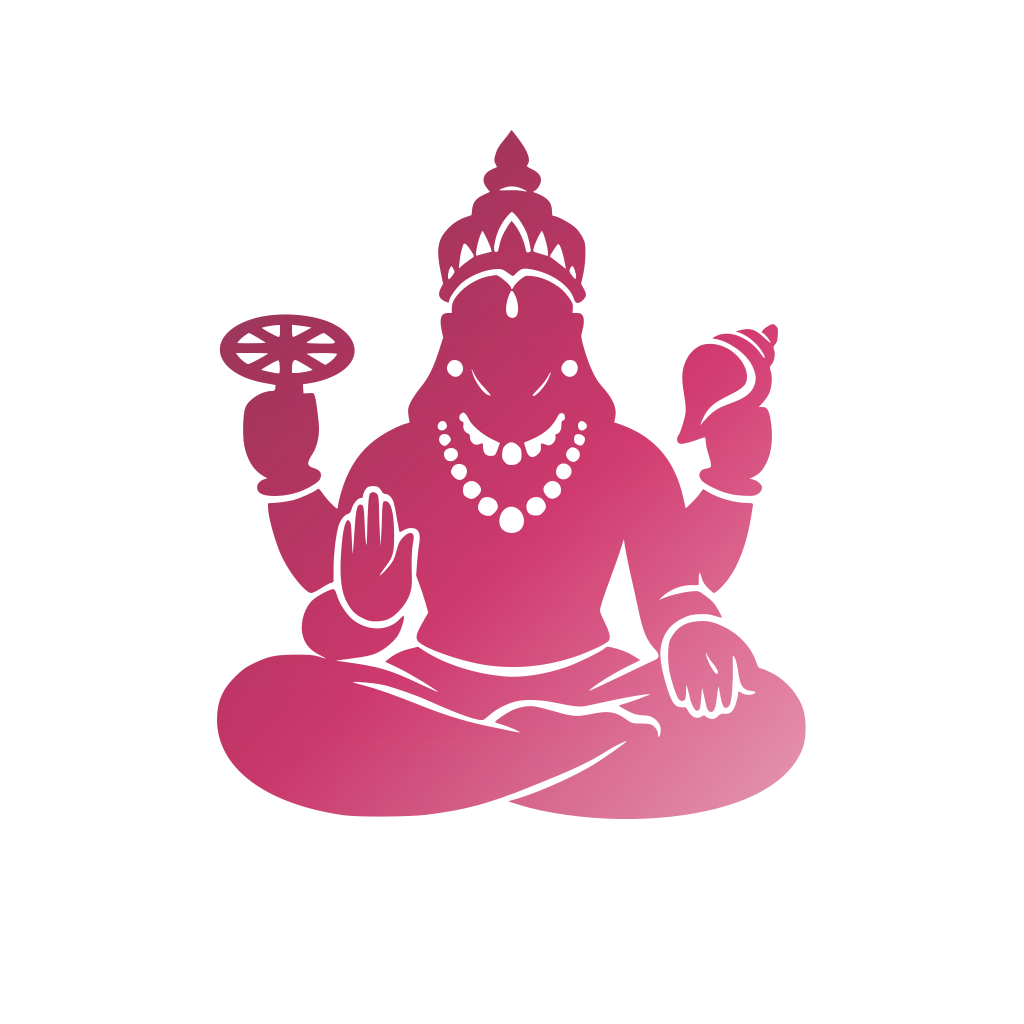
 आश्विन शुक्ल एकादशी
The story of the hunter Kroor Chit shows how remembering and worshipping Bhagwan Vishnu on Papankusha Ekadashi can pull even the gravest sinner out of hell.
What Is Papankusha Ekadashi
Papankusha Ekadashi falls on the eleventh day (ekadashi tithi) of the waxing moon fortnight (Shukla Paksha) in the month of Ashwin. The very name reveals its power: paap means sin, and ankusha means a goad or hook, the iron hook used to control an elephant. Just as an ankusha subdues even the wildest elephant, this Ekadashi is believed to subdue and destroy even the heaviest accumulated sins of a devotee.
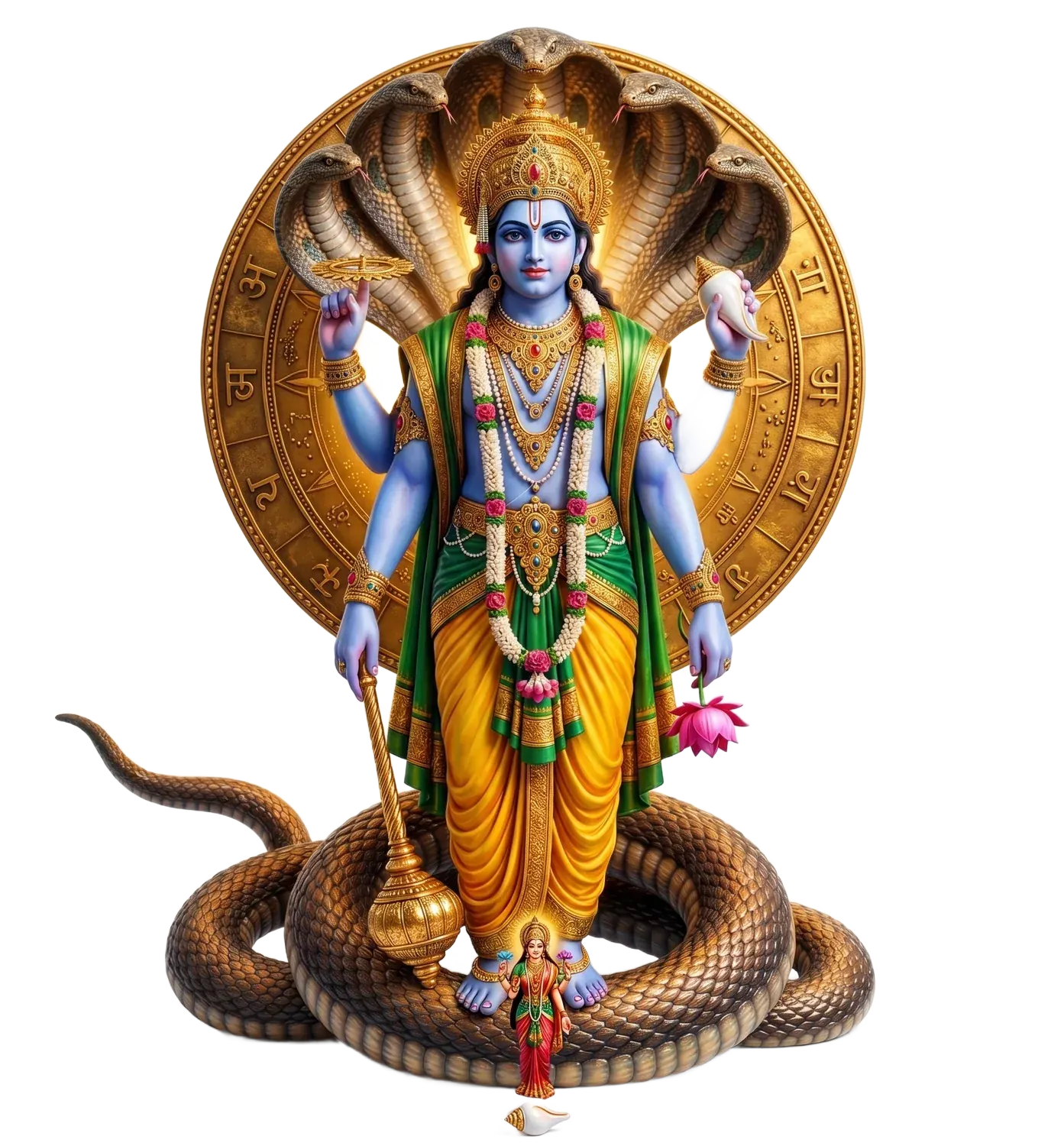
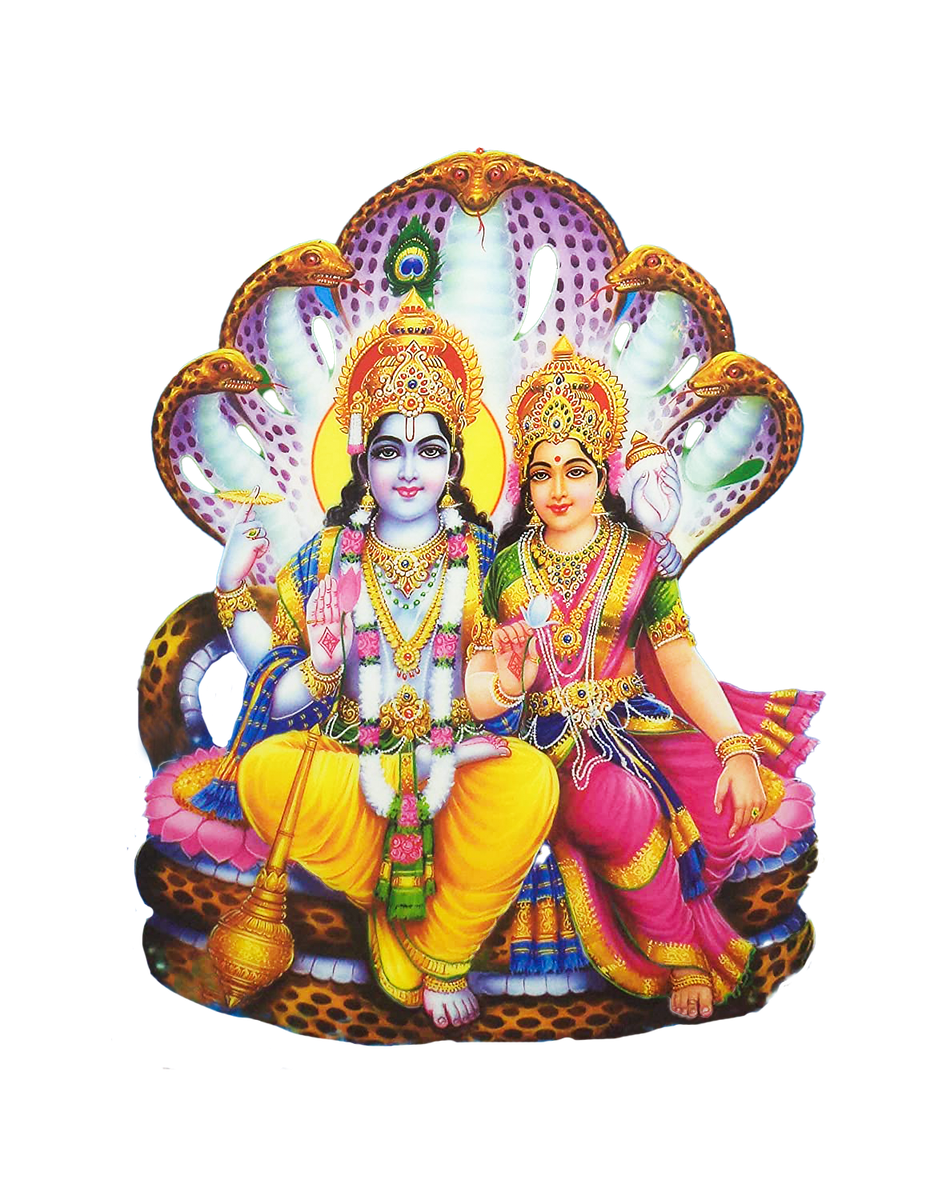
It is dedicated to Bhagwan Vishnu in his form as Padmanabha, and is described in the Skanda Purana as one of the most sin-destroying of all the twenty-four Ekadashis of the year. This katha was narrated by sage Parashara to King Sagara, who wished to know how to be freed of sin.
The Vrat Katha: The Hunter Kroor Chit's Story
In the Vindhya mountain region there once lived a hunter named Kroor Chit, whose very name meant "cruel-hearted." He lived a life devoted entirely to violence and sin, killing animals for a living without a trace of compassion, causing pain to countless creatures, deceiving others, and never once performing a single act of dharma or worship in his entire life.
One day, while wandering the forest, Kroor Chit happened to meet the great sage Angira Rishi, who was engaged in deep meditation. Struck by the sage's peaceful radiance, Kroor Chit, perhaps for the first time feeling a flicker of remorse, fell at his feet and confessed his sinful life, asking the sage with genuine anguish if there was any way for a man as sinful as he to attain liberation from the weight of his countless misdeeds.
Angira Rishi, moved by the hunter's sincere repentance, told him about the vrat of Papankusha Ekadashi, explaining that it fell during Ashwin Shukla Paksha and was dedicated to Bhagwan Vishnu, and that even a lifetime of grave sin, including violence and the killing of countless creatures, could be washed away by observing this one fast with true devotion, worshipping Vishnu, and listening to his glories.
Kroor Chit, filled with faith, resolved then and there to abandon his old ways. He observed the vrat of Papankusha Ekadashi exactly as the sage instructed, fasting with devotion, worshipping Vishnu through the day and night, and reciting his names. Through the boundless mercy of this vrat, all his accumulated sin was destroyed, and after his death he attained a divine form and ascended to Vishnu's abode, Vaikuntha, an outcome that would have seemed impossible given the cruelty of his earlier life.
Sage Parashara concluded to King Sagara that this story proves the extraordinary power of Papankusha Ekadashi: it can redeem even the most sinful person if observed with sincere faith, and its merit is said to be equal to giving a thousand cows in charity, or bathing at all the sacred tirthas.
Puja Vidhi (How to Observe the Vrat)
Devotees begin preparation on Dashami, the day before, eating only a single simple meal and avoiding certain foods to purify the body.
On Ekadashi morning, one bathes early, takes the sankalp of the vrat, and sets up a small altar for Bhagwan Vishnu in his Padmanabha form, offering diya, incense, tulsi leaves, yellow flowers and fruits. Vishnu Sahastranama, the Vishnu Chalisa, or this very katha may be recited through the day, and the mantra Om Namo Bhagwate Vasudevaya is chanted.
The fast may be observed as nirjal or phalahar according to one's strength, and the night is spent in jagran with bhajans in praise of Vishnu. The fast is broken the next morning, Dwadashi, after feeding Brahmins or the needy.
Significance and Benefits
Papankusha Ekadashi is considered exceptionally powerful for removing sin accumulated across many lifetimes, purifying the mind and soul, and granting the devotee closeness to Bhagwan Vishnu. Its katha offers deep hope: that sincere repentance and devotion, however late in life, can transform even the most sinful person.
Frequently Asked Questions
What is the story behind Papankusha Ekadashi. A cruel hunter named Kroor Chit, who lived a life of violence and sin, was taught this vrat by sage Angira Rishi. By observing it with true devotion, all his sins were destroyed and he attained Vaikuntha after death.
What does the name Papankusha mean. Paap means sin and ankusha is the hook used to control an elephant, symbolising this Ekadashi's power to subdue and destroy even the heaviest sins.
Which deity is worshipped on this Ekadashi. Bhagwan Vishnu, particularly in his Padmanabha form, is worshipped through the day and night.
Is this Ekadashi only for those who feel they have sinned greatly. No, any sincere devotee may observe it for general purification, peace of mind, and closeness to Vishnu, though its katha is especially comforting for those seeking redemption.
Quick guide
Before you begin
Mantra
Vishnu mantra
Om Namo Bhagavate Vasudevaya
Chant before katha or aarti while praying for protection, dharma, and peace.
Bhav
Benefits devotees pray for
FAQ
Common questions
What is the story behind Papankusha Ekadashi?
A cruel hunter, Kroor Chit, was taught this vrat by sage Angira Rishi after confessing his sinful life. Observing it with devotion destroyed all his sins and he attained Vaikuntha.
What does the name Papankusha mean?
Paap means sin and ankusha is the hook used to control an elephant, symbolising this Ekadashi's power to subdue even the heaviest sins.
Which deity is worshipped on this Ekadashi?
Bhagwan Vishnu, particularly in his Padmanabha form.
Is this Ekadashi only for grave sinners?
No, any sincere devotee may observe it for general purification and closeness to Vishnu.
Seek Vishnu's Grace This Ekadashi
Let our pandits perform a Vishnu puja on your behalf for the removal of sins and peace of mind.