 असतो मा सद्गमय
The complete katha of Naraka Chaturdashi, when Lord Krishna slew the demon Narakasura and freed sixteen thousand captive women, celebrated as Choti Diwali.
Naraka Chaturdashi falls on the fourteenth day of the dark fortnight of Kartik month, one day before the main Diwali, and is popularly known as Choti Diwali or Kali Chaudas. It commemorates one of Lord Krishna's most celebrated victories — his defeat of the demon king Narakasura — and is observed with an early morning ritual bath, small diyas lit around the house, and light bursting of firecrackers to mark the symbolic destruction of evil the night before the grand festival of lights.
The Complete Katha
Long ago, there lived a powerful and arrogant demon named Narakasura, son of the earth goddess Bhudevi and the boar-form of Lord Vishnu, Varaha. Despite his divine parentage, Narakasura grew cruel and adharmic through the boons of great power he received through severe penance. He became the king of Pragjyotishpur (identified with present-day Assam), and as his power grew, so did his arrogance and tyranny.
Narakasura began to terrorise the three worlds. He stole the magnificent earrings of Aditi, mother of the gods, snatched away the divine umbrella of Varuna, seized the celestial mountain Mount Meru's jewel, and drove Indra himself from his heavenly throne, forcing the king of gods to flee in humiliation. Not content with plundering treasures, Narakasura began abducting beautiful women from royal households and celestial realms, imprisoning sixteen thousand and one hundred princesses and maidens in his fortress, holding them captive against their will.
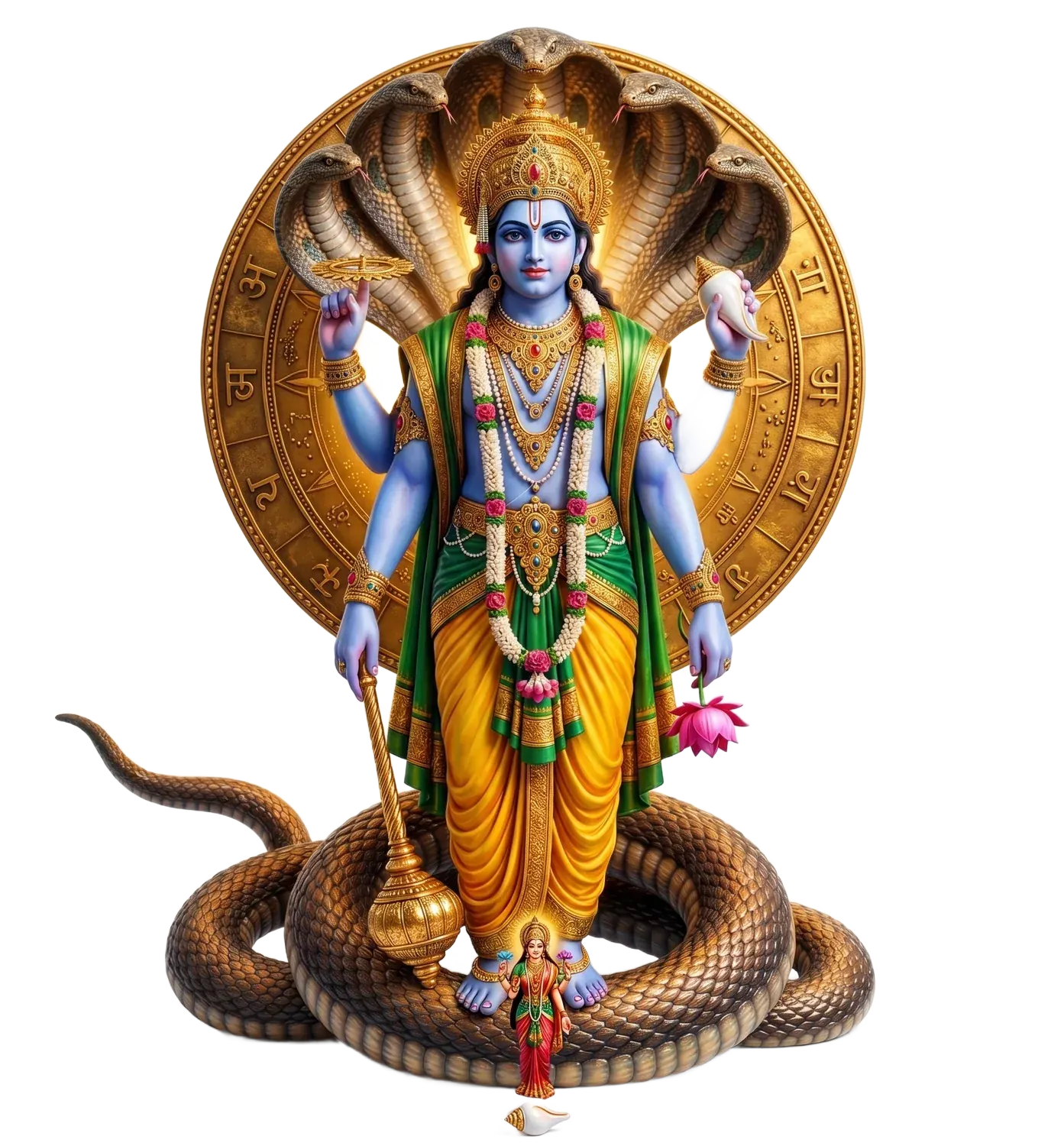
Unable to bear this tyranny any longer, Indra and the other gods went to Dwarka to seek the help of Lord Krishna, describing the demon's atrocities and pleading for deliverance. Krishna, understanding the gravity of the injustice, set out for Narakasura's kingdom mounted on his eagle vahana Garuda, accompanied by his wife Satyabhama, who insisted on joining the battle, for she had received a boon that Narakasura could only be slain in the presence of a woman warrior.
When Krishna and Satyabhama reached Pragjyotishpur, they found the city heavily fortified and guarded by the demon Mura, a five-headed serpent-demon who guarded the approach with a vast army. A fierce battle ensued in which Krishna slew Mura and his sons, earning the name Murari (slayer of Mura). Narakasura, enraged at the death of his commander, rode out himself with his full army to face Krishna.
The battle that followed was tremendous. Narakasura fought valiantly, wielding illusions and weapons of great power, but ultimately, as had been foretold, it was Satyabhama who struck the decisive blow, with Krishna guiding the chariot and delivering the final strike that ended Narakasura's life. As he lay dying, Narakasura, realising his errors, begged forgiveness and requested that his death be remembered as a day of joy rather than mourning, asking that the day be celebrated with lights and festivity. Krishna granted this wish, blessing the day as one of liberation and celebration — which is why Naraka Chaturdashi, the eve of Diwali, is observed with joy rather than grief.
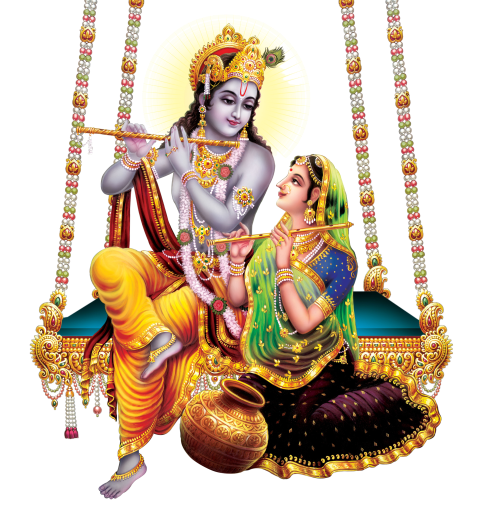
After slaying Narakasura, Krishna freed the sixteen thousand one hundred women held captive in the demon's fortress. Knowing that society of that era would not readily accept them back with honour after their captivity, and wishing to restore their dignity and status, Krishna married all of them, giving each the status and respect of a queen, ensuring none of them would face social stigma or dishonour. This act is remembered not as an act of desire but as one of the greatest acts of compassion and restoration of dignity in the Puranic tradition, freeing the women from a life of shame in the eyes of the world they lived in.
Krishna also recovered Aditi's earrings and Mount Meru's stolen jewel, returning them to their rightful owners, and restored Indra to his heavenly throne, righting every wrong the demon had committed. Before returning to Dwarka, Krishna performed a ritual oil bath (abhyanga snan) to cleanse himself of the impurities of battle, applying fragrant oils and bathing with sacred water — a ritual that devotees now replicate every year on this day.
Why This Day Is Called Naraka Chaturdashi
The day is named after Narakasura himself, marking his death and the liberation from the naraka (hell-like tyranny) he had created on earth. It is a reminder that no matter how powerful evil becomes, righteousness (dharma), when called upon with sincere devotion, always prevails.
Vidhi: Abhyanga Snan and Rituals
On the morning of Naraka Chaturdashi, before sunrise, devotees perform abhyanga snan — a ritual bath with fragrant oil applied to the body followed by bathing with water, sometimes mixed with ubtan (a paste of gram flour and turmeric). This is believed to remove impurities, ill fortune, and the residue of the past year, just as Krishna cleansed himself after the battle. Small clay diyas are lit around the house and courtyard the previous evening and this day, at dusk, called chhoti diwali ke diye, to ward off darkness and negativity ahead of the main Diwali night. In many regions, a small effigy of Narakasura made of clay or straw is symbolically destroyed, and firecrackers are burst to mark his defeat.
Significance and Benefits
Naraka Chaturdashi teaches that dharma triumphs over adharma, however powerful the latter may appear. It emphasises compassion and restoration of dignity, seen in Krishna's treatment of the freed women, and personal purification, seen in the abhyanga snan ritual. Observing this day with sincerity is believed to cleanse past negativity, bring courage against personal struggles, and prepare the mind and home for the abundance and light of Diwali the following day.
Frequently Asked Questions
Why is Naraka Chaturdashi also called Kali Chaudas? In some regions, particularly Gujarat and parts of western India, this day is called Kali Chaudas and is associated with warding off evil spirits and negative energy through Kali worship and tantric-protective rituals, alongside the Krishna-Narakasura story.
What time should the abhyanga snan be performed? It is traditionally performed before sunrise, in the Brahma Muhurta, as this is considered the most auspicious time for purification on this day.
Why did Krishna marry the sixteen thousand women he freed? To restore their social dignity and status in an era where captivity, even against one's will, could lead to social rejection; Krishna's marriage to them ensured they were honoured as queens rather than shunned.
Is Naraka Chaturdashi the same as Diwali? No, it falls one day before the main Diwali (Lakshmi Puja day) and is a separate observance, popularly called Choti Diwali, focused on Krishna's victory over evil and personal purification.
Quick guide
Before you begin
Mantra
Krishna mantra
Om Kleem Krishnaya Namah
Chant with love and surrender, especially before Krishna katha, aarti, or bhog.
Bhav
Benefits devotees pray for
FAQ
Common questions
Why is Naraka Chaturdashi also called Kali Chaudas?
In Gujarat and western India it is linked with warding off negative energy through Kali worship alongside the Krishna-Narakasura story.
What time should abhyanga snan be performed?
Traditionally before sunrise, in Brahma Muhurta, considered the most auspicious time for purification.
Why did Krishna marry the freed women?
To restore their social dignity and status, ensuring they were honoured as queens rather than shunned.
Is Naraka Chaturdashi the same as Diwali?
No, it falls one day before the main Diwali and is a separate observance popularly called Choti Diwali.
Celebrating Choti Diwali this Kartik?
Let our pandits guide your Naraka Chaturdashi sankalp and Diwali puja preparations with full vidhi.