
 मोहः क्षयति पापानि
The story of how Lord Vishnu's Mohini avatar and the sacred fast of Vaishakh Shukla Ekadashi frees even the greatest sinner from the weight of his karma.
What Is Mohini Ekadashi
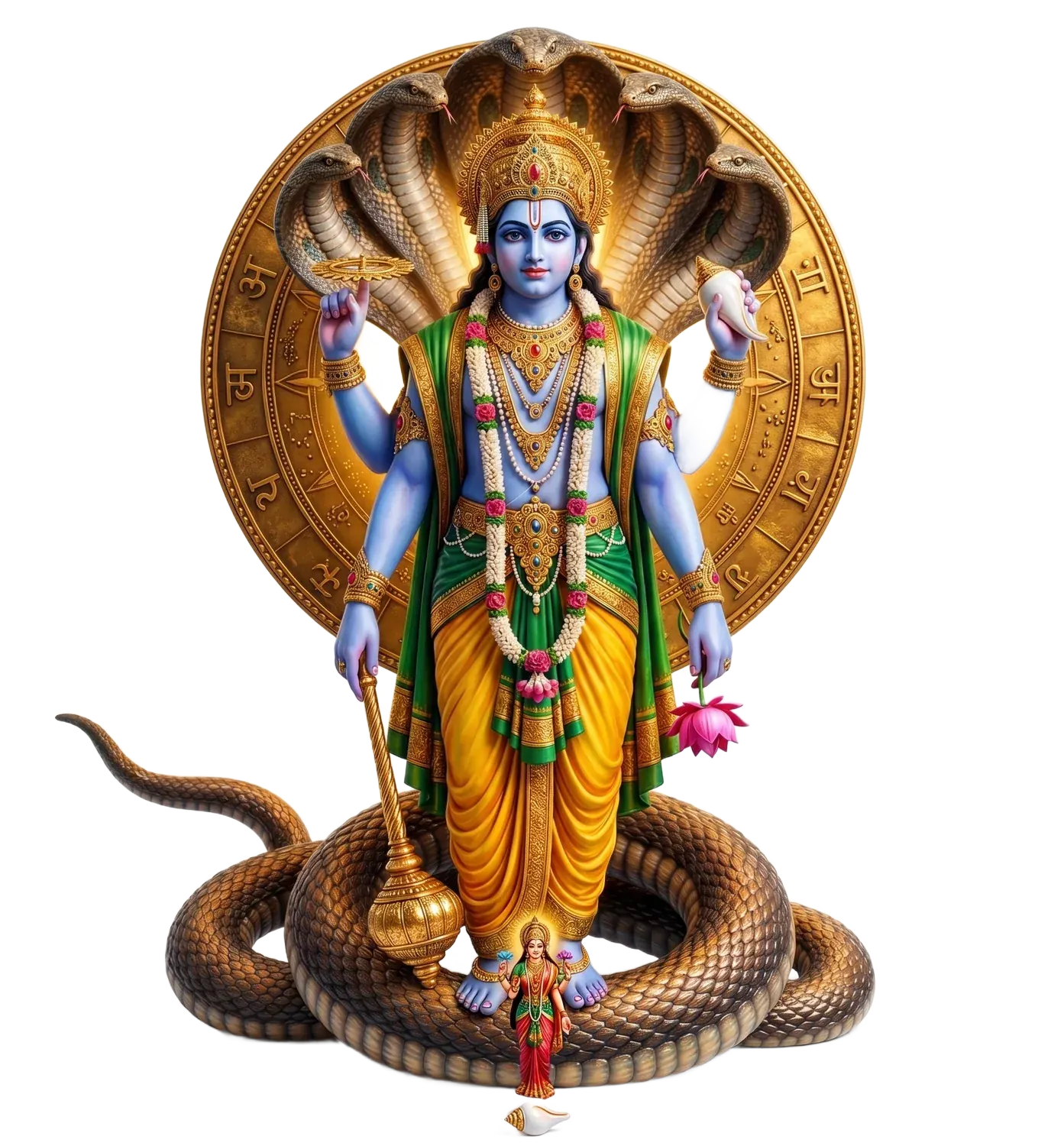
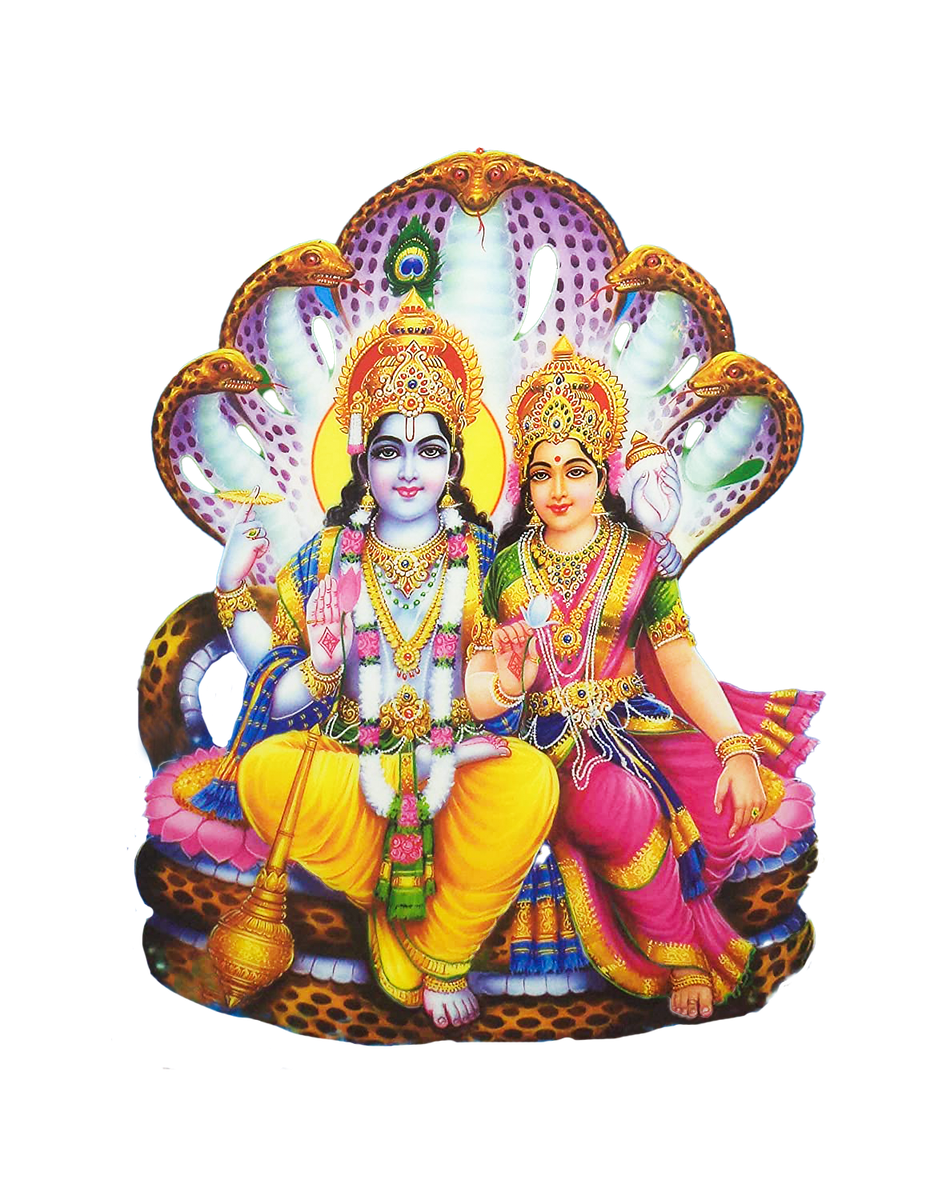
Mohini Ekadashi falls on the eleventh day (Ekadashi) of the bright fortnight (Shukla Paksha) of the Hindu month of Vaishakh, usually in April or May. It is named after the Mohini avatar of Lord Vishnu - the enchanting female form he assumed during the churning of the ocean (Samudra Manthan) to reclaim the pot of amrit (nectar of immortality) from the asuras and distribute it only among the devas. Among all the twenty-four Ekadashis of the year, Mohini Ekadashi is considered one of the most powerful for washing away sin, and it was this very Ekadashi that Lord Rama observed on the advice of sage Vashishtha to find peace after the sorrow of Sita's separation.
The Vrat Katha
This katha was narrated by Lord Krishna to Yudhishthira during the Mahabharata, when Yudhishthira asked which Ekadashi falling in Vaishakh Shukla Paksha grants liberation from sin.
In the ancient city of Bhadravati on the banks of the river Saraswati ruled a righteous and prosperous king named Dyutimana. In his kingdom lived a wealthy Vaishya (merchant) named Dhanapala, a devout and generous soul who built rest-houses, dug wells and fed the hungry. Dhanapala had five sons, and the youngest of them was named Dhrishtabuddhi.
Dhrishtabuddhi, unlike his father, was drawn to vice from his youth. He squandered his father's wealth on gambling, drinking and the company of fallen women. He sold the family's sacred vessels, stole gold from temples, and mistreated Brahmins. When his father's patience finally broke, Dhanapala expelled Dhrishtabuddhi from the house along with his wife.
Homeless and destitute, Dhrishtabuddhi wandered from village to village, surviving by hunting birds and animals in the forest, stealing from travellers, and committing every kind of sin merely to fill his stomach. Society shunned him as an outcast. Weighed down by hunger, disease and the memory of his ruined life, he wandered deep into the forest, weeping at the misery his own deeds had brought upon him.
In that forest lived the great sage Kaundinya, engaged in penance in his ashram. Dhrishtabuddhi, in utter despair, fell at the sage's feet and begged to know if there was any way for a sinner as great as himself to be freed from the unbearable burden of his karma. Moved by his genuine remorse, sage Kaundinya told him of a fast so powerful that it could dissolve even mountains of sin: the Ekadashi of the bright half of Vaishakh, known as Mohini Ekadashi, because on this very day Lord Vishnu had taken the Mohini form to protect dharma.
The sage explained the complete vidhi to Dhrishtabuddhi - fasting with full faith on the day of Ekadashi, keeping vigil through the night in remembrance of Vishnu, and breaking the fast only on Dwadashi, the twelfth day, after worship. Dhrishtabuddhi, filled with sincere devotion for the first time in his life, observed the vrat exactly as instructed. As the sacred day dawned and he completed the fast with a pure heart, his accumulated sins began to leave his body, visible as dark shadows departing from him. By the grace of the vrat, Dhrishtabuddhi was cleansed of every sin of his past life. In time, he was blessed with a beautiful celestial form and, at the end of his life, ascended to Vishnu-loka, the abode of Lord Vishnu, released forever from the cycle of birth and death.
Krishna concluded by telling Yudhishthira that whoever observes Mohini Ekadashi with sincere devotion is freed from sin exactly as Dhrishtabuddhi was, and attains the highest merit equal to great yagnas and pilgrimages.
Why Mohini Ekadashi Is So Significant
The Mohini form of Vishnu is unique among his avatars - here he takes on the illusion (moha) of the world itself in order to protect truth and order. The asuras, blinded by greed for the amrit, were themselves deceived by this divine illusion so that the devas alone could receive immortality. The katha therefore teaches a deep truth: our own moha (attachment, illusion, desire) is what binds us in sin, and it is only through faith, remembrance of the divine and disciplined fasting that this illusion can be broken and the soul purified.
Vidhi - How to Observe Mohini Ekadashi
Wake before sunrise on Ekadashi, bathe and take a sankalp (vow) to observe the fast for the day. Worship Lord Vishnu (or his Mohini form) with tulsi leaves, yellow flowers, incense and a ghee lamp, and recite Vishnu Sahasranama or the Vishnu mantra Om Namo Bhagavate Vasudevaya. Avoid grains, rice and beans on this day; many devotees keep a complete nirjala (waterless) or phalahar (fruit-only) fast. Stay awake through the night in devotional remembrance (jagran), and break the fast the next morning, Dwadashi, only after worshipping Vishnu and, where possible, feeding a Brahmin or the needy.
Benefits of the Vrat
According to the Puranas, observing Mohini Ekadashi with faith removes sins accumulated over many lifetimes, brings mental clarity by dissolving illusion and confusion, blesses the devotee with prosperity and family harmony, and grants merit equal to performing the Rajasuya yagna. It is especially recommended for those seeking relief from a troubled mind, addiction, or a difficult period caused by past mistakes.
Frequently Asked Questions
When does Mohini Ekadashi fall: On the Ekadashi (eleventh day) of Vaishakh Shukla Paksha, usually in April or May each year; check the current year's panchang for the exact date.
Why is it called Mohini Ekadashi: Because Lord Vishnu assumed the Mohini form on this day to save the amrit for the devas during the Samudra Manthan.
Can the fast be observed by everyone: Yes, men and women of all ages may observe it; those with health conditions may keep a phalahar (fruit) fast instead of a full nirjala fast, and pregnant women, the elderly or unwell should consult a doctor before a strict fast.
What should be avoided on this day: Rice, grains, beans, onion, garlic and non-vegetarian food are avoided; some devotees also avoid speaking harshly or engaging in conflict to keep the day pure.
Quick guide
Before you begin
Mantra
Vishnu mantra
Om Namo Bhagavate Vasudevaya
Chant before katha or aarti while praying for protection, dharma, and peace.
Bhav
Benefits devotees pray for
FAQ
Common questions
When does Mohini Ekadashi fall?
On the Ekadashi of Vaishakh Shukla Paksha, usually in April or May; confirm the exact date from the current panchang.
Why is it called Mohini Ekadashi?
Because Vishnu took the Mohini form on this day to protect the amrit for the devas during Samudra Manthan.
Can everyone observe this fast?
Yes, though those with health concerns may keep a fruit-only fast, and should consult a doctor before a strict nirjala vrat.
What is the core teaching of the katha?
That sincere faith and disciplined fasting can dissolve even the heaviest sins born of moha (illusion and attachment).
Seek Vishnu's Blessings This Ekadashi
Let our pandits perform a dedicated Vishnu puja and sankalp on your behalf for peace, prosperity and freedom from past karma.