
 समुद्र मंथन की पावन गाथा
Discover the mythology, history, four sacred locations and spiritual significance of Kumbh Mela — the world's largest peaceful pilgrimage gathering.
Kumbh Mela is the largest peaceful gathering of human beings on Earth — a river-side festival of faith where crores of pilgrims, sadhus, saints and seekers come together to bathe in sacred waters, seeking spiritual purification and liberation (moksha). Recognised by UNESCO as an Intangible Cultural Heritage of Humanity, Kumbh Mela is not merely a fair; it is one of the most profound expressions of Sanatan Dharma's living tradition, connecting millions across caste, region and language through a shared act of devotion.
The Mythological Origin: Samudra Manthan
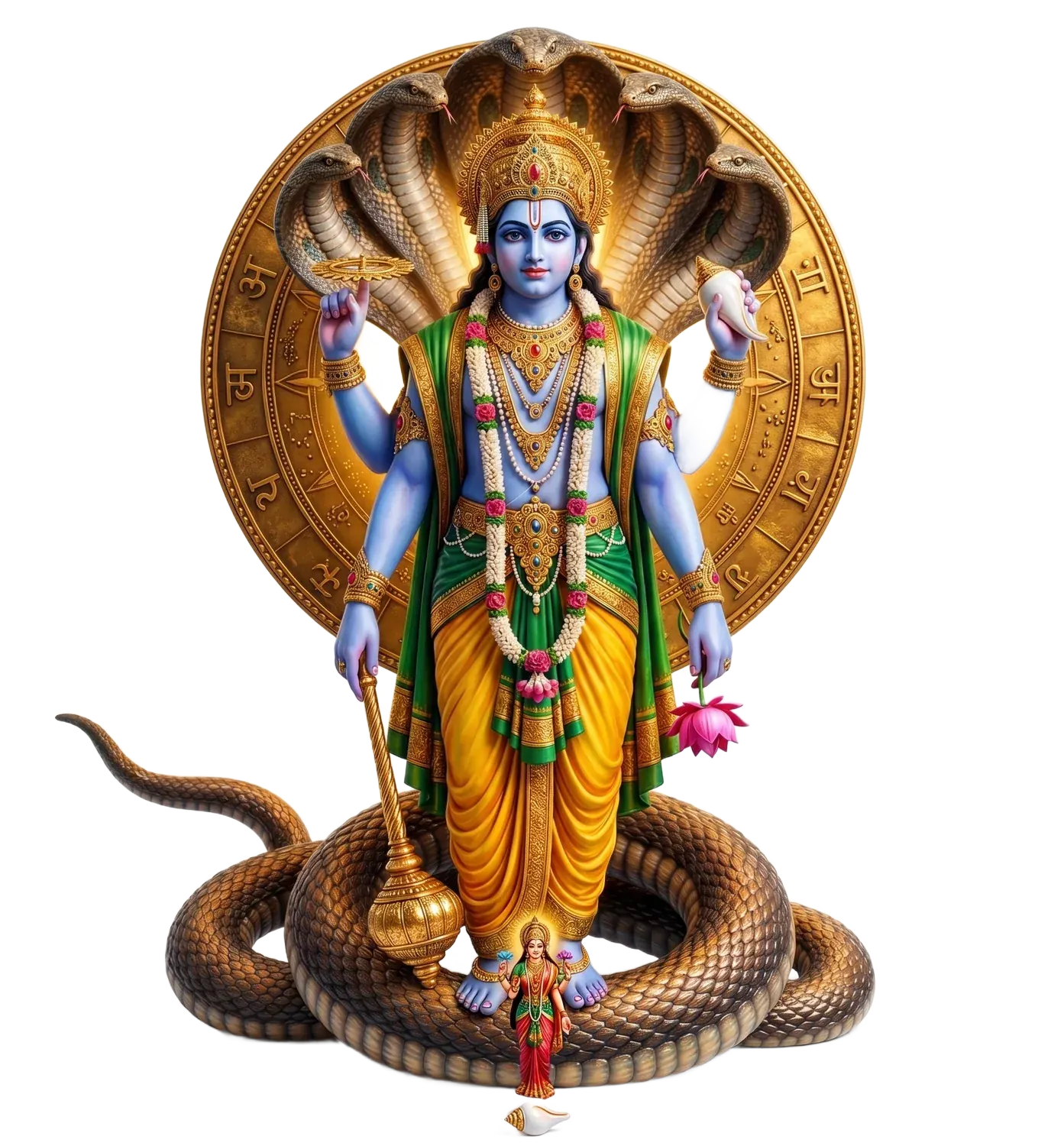
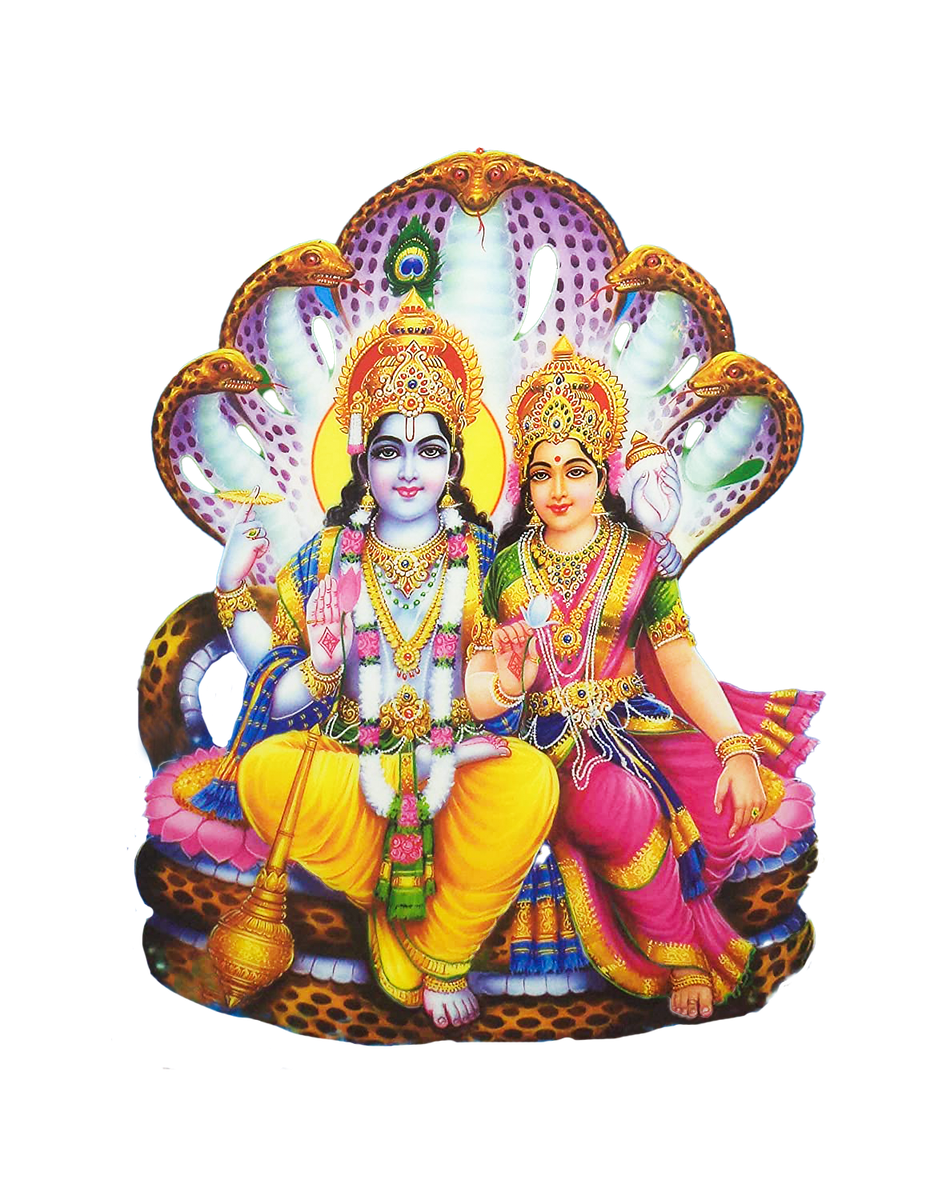
The story of Kumbh Mela traces back to the Puranic legend of Samudra Manthan, the churning of the cosmic ocean. When the Devas (gods) lost their strength due to a sage's curse, they sought Lord Vishnu's guidance. He advised them to churn the ocean of milk (Kshira Sagar) together with the Asuras (demons) to obtain Amrit, the nectar of immortality, along with other divine treasures. Using Mount Mandara as the churning rod and the serpent Vasuki as the rope, the Devas and Asuras churned the ocean for years.
Among the many treasures that emerged was the Kumbha — a pot of Amrit. A fierce struggle broke out between the Devas and Asuras over possession of this nectar. To protect it from the Asuras, Lord Vishnu's Mohini form (or, in some tellings, Vishnu's vahana Garuda) carried the Kumbh and flew across the sky for twelve divine days — which correspond to twelve human years. During this flight, drops of the sacred nectar fell at four earthly locations: Prayagraj (at the confluence of the Ganga, Yamuna and the mythical Saraswati), Haridwar (on the banks of the Ganga), Ujjain (on the banks of the Shipra), and Nashik (on the banks of the Godavari). These four places became eternally sanctified, and Kumbh Mela is celebrated at each of them in rotation.
Why Kumbh Mela Happens Where and When It Does
The timing of Kumbh Mela at each location is determined by specific planetary positions of Jupiter (Guru), the Sun (Surya) and the Moon (Chandra), which is why it occurs roughly every twelve years at each site, and why the exact dates are calculated by Vedic astrologers rather than fixed to a calendar date. A Kumbh Mela at any one location, therefore, is a moment when the sacred rivers are believed to turn into Amrit itself, granting immense spiritual merit (punya) to those who bathe during the auspicious window.
The Four Sacred Kumbh Sites
Prayagraj (Uttar Pradesh): At the Triveni Sangam, the confluence of the Ganga, Yamuna and the invisible Saraswati river, considered the most significant of the four sites. It also hosts the Ardh Kumbh (every 6 years) and Maha Kumbh (every 12 years), with the rare Purna Kumbh being especially significant.
Haridwar (Uttarakhand): On the banks of the Ganga, where the river first descends from the Himalayas onto the plains — the very spot believed to be touched by drops of Amrit as the river carries deep purificatory power.
Ujjain (Madhya Pradesh): On the banks of the Shipra river, also called Simhastha Kumbh here because it occurs when Jupiter is in Leo (Simha) rashi; this is the seat of Mahakaleshwar Jyotirlinga.
Nashik-Trimbakeshwar (Maharashtra): On the banks of the Godavari river, near the sacred Trimbakeshwar Jyotirlinga, also called Simhastha Kumbh Mela in this region as well.
Shahi Snan: The Royal Bath
The most iconic ritual of Kumbh Mela is the Shahi Snan (royal bath), when the Akharas — organised orders of Naga sadhus and ascetics — process in a grand, ash-smeared, trident-bearing procession to the river for the first sacred dip, followed by the general public. The specific auspicious dates for Shahi Snan are determined by the alignment of the Sun, Moon and Jupiter and typically fall on major festival days such as Makar Sankranti, Mauni Amavasya, Basant Panchami, Maha Shivratri and others depending on the year and location.
Spiritual Significance for Devotees
Devotees believe that bathing in the sacred river during Kumbh Mela washes away accumulated sins (paap) across lifetimes, and brings the bather closer to moksha, liberation from the cycle of birth and death. Beyond the ritual bath, Kumbh Mela is a vast, living university of Sanatan Dharma — pilgrims have the rare opportunity to receive the darshan and discourses of thousands of sadhus, saints, gurus and Akharas, many of whom emerge from remote Himalayan caves and ashrams only for this occasion. It is a time of satsang, spiritual discussion, charitable feeding (annadaan) on a massive scale, and communal harmony among millions.
Types of Kumbh Mela
Purna Kumbh Mela occurs every 12 years at each of the four sites. Ardh Kumbh Mela (half Kumbh) occurs every 6 years, only at Prayagraj and Haridwar. Maha Kumbh Mela is the grandest gathering, occurring every 144 years (after 12 cycles of Purna Kumbh) at Prayagraj, considered the most sacred and rare of all. Kumbh Mela in general rotates among the four sites roughly every three years in sequence.
A Living Heritage
Kumbh Mela demonstrates the extraordinary organisational and spiritual capacity of Sanatan Dharma — a temporary city of tents, kitchens, medical camps and spiritual discourse spaces springs up to host tens of millions of people with remarkable order and devotion, then dissolves back into the riverside landscape once the auspicious period ends, leaving behind only the memory of faith shared by millions as one.
Frequently Asked Questions
Answers to common questions about Kumbh Mela are given below.
Quick guide
Before you begin
Mantra
Vishnu mantra
Om Namo Bhagavate Vasudevaya
Chant before katha or aarti while praying for protection, dharma, and peace.
Bhav
Benefits devotees pray for
FAQ
Common questions
Why is Kumbh Mela held at only four places?
According to the Samudra Manthan legend, drops of the nectar of immortality (Amrit) fell at exactly four earthly locations — Prayagraj, Haridwar, Ujjain and Nashik — while the Kumbh (pot) was being carried away, making these the four eternally sacred Kumbh sites.
What is the difference between Ardh Kumbh, Purna Kumbh and Maha Kumbh?
Ardh Kumbh (half Kumbh) happens every 6 years at Prayagraj and Haridwar. Purna (full) Kumbh happens every 12 years at each of the four sites. Maha Kumbh, the rarest and grandest, occurs every 144 years at Prayagraj.
What is Shahi Snan?
Shahi Snan is the royal, ceremonial first bath taken by the Akharas (organised orders of sadhus and Naga ascetics) on the most astrologically auspicious dates of the Mela, followed by the general public.
Is Kumbh Mela open to everyone?
Yes, Kumbh Mela is open to all devotees regardless of caste, region or background — it is one of the largest examples of open, inclusive spiritual gathering in the world.
Carry the Sangam's Blessings Home
Book a puja for spiritual purification, protection and prosperity, wherever you are.