

 छाया ग्रह केतु
Ketu is a shadow planet linked to detachment, sudden events and spiritual restlessness — simple, safe household upay can bring steadiness and peace of mind.
Ketu is regarded in Vedic jyotish as a chhaya graha — a shadow planet, formed at the point where the Moon's path crosses the ecliptic. Unlike the seven classical grahas, Ketu has no physical body of its own, yet its influence is considered deep and often mysterious. It is associated with detachment, past-life karma, sudden or unexplained events, spiritual seeking, intuition and, at times, confusion, isolation or health worries when its placement is considered challenging in a chart.
Who is affected and how
Astrologers commonly speak of a difficult Ketu period, or Ketu Mahadasha/Antardasha, when a person may feel restless, disconnected from material goals, drawn suddenly to spirituality, or troubled by unexplained anxiety, skin issues, or a run of confusing decisions. This is a general tendency described in tradition, not a fixed prediction — the same placement can also give sharp intuition, moksha-oriented wisdom and detachment from unnecessary worldly attachment, which many see as a gift.
Dharmic remedies (upay) for Ketu
1. Mantra jaap: The most recommended remedy is chanting the Ketu Beej Mantra —
Om Kem Ketave Namah
A fuller mantra recited by many devotees is:
Om Aim Hreem Kleem Ketve Namah
Chant this 108 times (one mala) daily, ideally in the early morning after bathing, seated calmly facing east or north. Wednesday and Saturday are both considered suitable days for Ketu-related practice, though many traditions favour Wednesday.
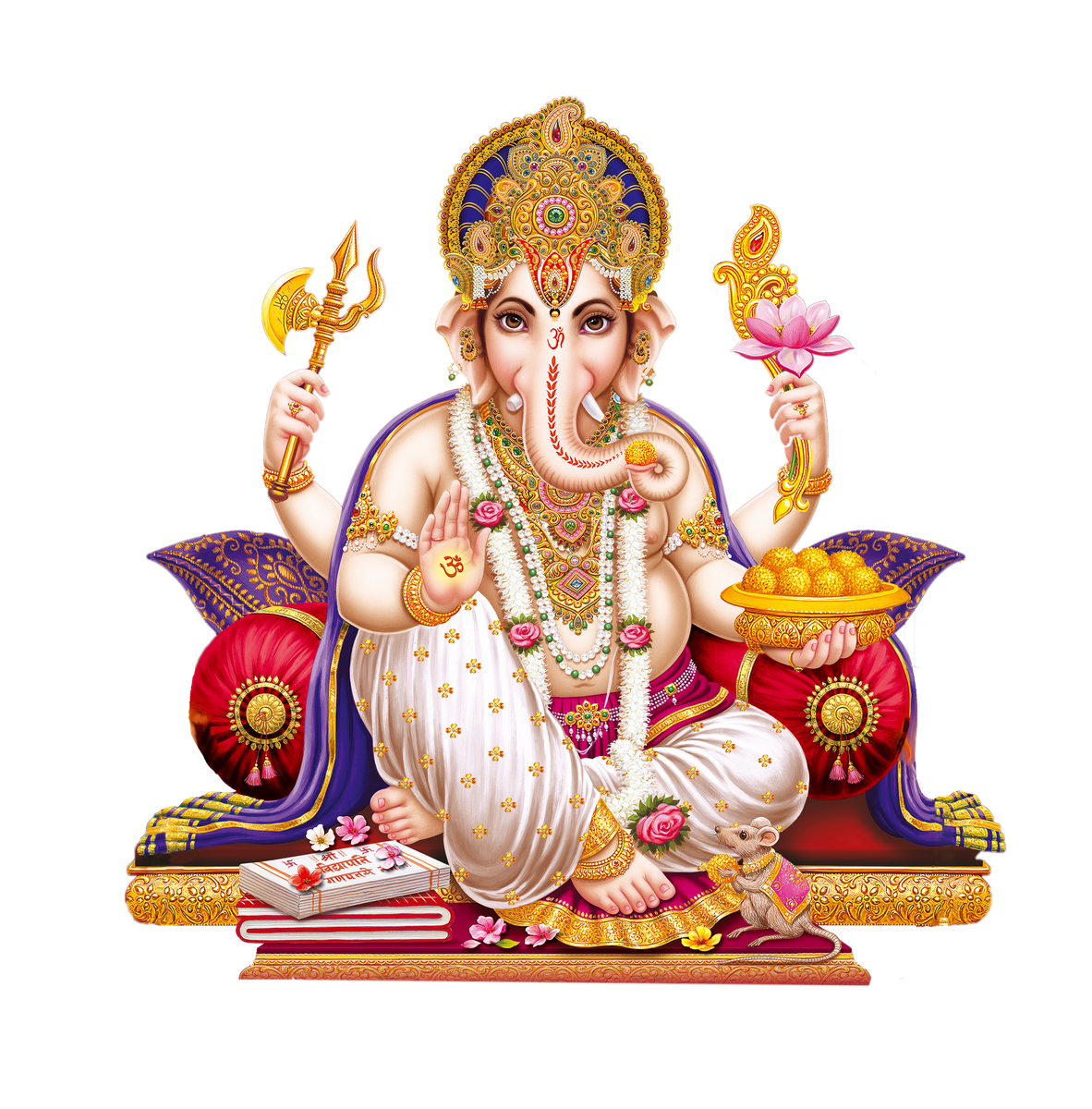
2. Worship of Ganesha: Since Ketu is linked with Lord Ganesha in classical texts, regular worship of Ganesha — chanting Om Gan Ganpataye Namah, or reciting the Ganesh Chalisa — is considered one of the gentlest and most effective ways to soften Ketu's harsher effects.
3. Daan (donation): Offering sesame seeds (til), a blanket or warm cloth, or grey/multi-coloured items to the needy on a Saturday is a traditional Ketu daan. Some also donate to a dog shelter or feed dogs, as the dog is considered Ketu's symbolic vahan (vehicle) in certain traditions.
4. Wearing colours: Wearing grey, brown or multi-coloured clothing, especially on Saturdays, is a simple lifestyle upay many follow.
5. Fasting: Some devotees observe a Ketu-related fast, keeping the diet simple (havan, fruits) and avoiding non-vegetarian food and alcohol on the chosen day.
6. Feeding and caring for stray dogs: This is a widely practised, compassionate upay believed to please Ketu, since kindness to Ketu's symbolic creature is considered auspicious.
7. Gemstone (with guidance): Some jyotish practitioners suggest cat's eye (lehsunia) for Ketu, but this should only be worn after proper consultation, as gemstones can be sensitive to a person's overall chart.
How and when to begin
Begin any upay on a Wednesday or Saturday, ideally during Shukla Paksha (waxing moon), with a clear, sincere intention. Simplicity and consistency matter far more than elaborate ritual — a short daily mantra practice done with faith is considered more powerful than an occasional elaborate one.
Dos and don'ts
Do chant with a calm mind and clean body. Do practise kindness towards animals, especially dogs. Do maintain simplicity and humility in this period, since Ketu favours detachment over showiness. Avoid harsh words, unnecessary conflict, and avoid beginning major new ventures impulsively during a difficult Ketu phase — patience serves better than haste.
A gentle note
These upay are rooted in faith, tradition and the wish for inner peace — they are offered as spiritual support, not as a guarantee or a substitute for medical, legal or financial advice. If you are facing serious health, legal or financial difficulty, please also consult the relevant qualified professional alongside your spiritual practice.
Frequently asked questions are answered below, and for a personalised reading many devotees also choose to have their kundali examined by an experienced astrologer before committing to a particular remedy.
Quick guide
Before you begin
Mantra
Ketu mantra
Om Stram Streem Straum Sah Ketave Namah
Chant 108 times for detachment, clarity, and release from karmic confusion.
Bhav
Benefits devotees pray for
FAQ
Common questions
Which day is best for Ketu upay?
Wednesday and Saturday are both considered suitable, with many traditions favouring Wednesday for mantra jaap and Saturday for daan.
Can Ketu upay be done at home without a priest?
Yes. Mantra jaap, daan, feeding dogs and simple colour-related practices can all be done at home with a sincere heart; a priest is not mandatory for these.
How long should I continue the upay?
Many devotees continue for at least 40 days consistently, then continue as a regular practice, especially during a challenging Ketu period.
Is wearing a gemstone necessary for Ketu?
No, it is optional and should only be done after proper astrological consultation. Mantra, daan and worship are considered the primary and safest upay.
Seek Guided Graha Shanti Puja
For a personalised Ketu Shanti puja performed with full vidhi on your behalf, explore our puja offerings.