
 अष्टम-द्वितीय राहु-केतु योग
Karkotak Kaal Sarp Dosh forms when Rahu sits in the 8th house and Ketu in the 2nd, and Vedic astrology offers gentle, time-tested remedies to ease its effects.
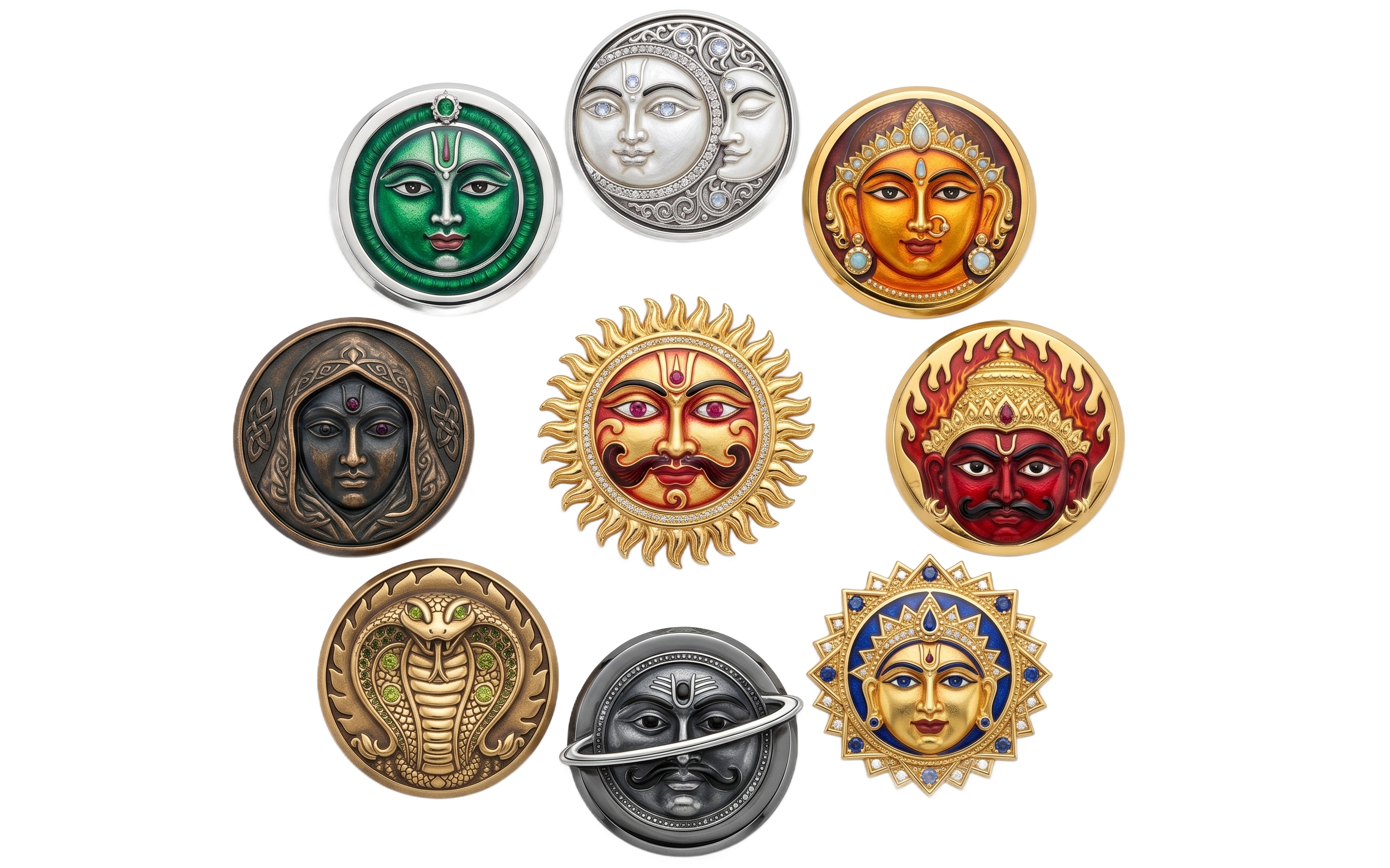
In Vedic astrology, Kaal Sarp Dosh is formed when all seven other planets (Sun, Moon, Mars, Mercury, Jupiter, Venus, Saturn) are hemmed between Rahu and Ketu in a birth chart, with no planet crossing the Rahu-Ketu axis. There are twelve recognised forms of this dosh, named after the mythical serpent kings (Nagas), depending on which house Rahu occupies. Karkotak Kaal Sarp Dosh is the form that arises when Rahu is placed in the 8th house and Ketu in the 2nd house of the horoscope.
What Karkotak Kaal Sarp Dosh Means
The 8th house in astrology governs longevity, sudden events, transformation, inheritance, in-laws' wealth, and hidden or occult matters. The 2nd house governs family, speech, accumulated wealth, food habits, and the early years of family life. When Rahu shadows the 8th house and Ketu shadows the 2nd, the native's life often carries a theme of sudden ups and downs around money, health scares, and unpredictable family dynamics.
Effects of Karkotak Kaal Sarp Dosh
People with this yoga often report a feeling that financial stability arrives late and is punctuated by unexpected expenses, medical bills, or legal or property disputes connected to inheritance. Health can show a pattern of sudden, unusual ailments rather than long, predictable illnesses, and the native may need to be more careful with accidents, surgeries, or chronic issues that appear without warning. In family life, there can be friction over money matters, sharp or unfiltered speech that creates misunderstandings, or delays in accumulating savings despite hard work. Relationships with in-laws or a spouse's family may need extra patience. On the positive side, this placement also gifts sharp intuition, resilience after setbacks, and often a genuine interest in healing, research, astrology, or the occult sciences — many serious researchers and healers are found with strong 8th-house influences.
How Long Does It Last
A dosh shown in the birth chart is a lifelong placement, but its intensity is not constant. Its effects are felt most strongly during the Mahadasha and Antardasha (planetary periods) of Rahu and Ketu, and during their transits over sensitive points of the chart, especially the 8th and 2nd houses. Outside these periods, most people live a fairly ordinary life with only mild undercurrents of the dosh's themes. It is also worth remembering that Kaal Sarp Dosh is only one factor among many in a horoscope — the overall strength of the Ascendant, Moon sign, and the placement of benefic planets like Jupiter and Venus can significantly soften its impact.
Remedies for Karkotak Kaal Sarp Dosh
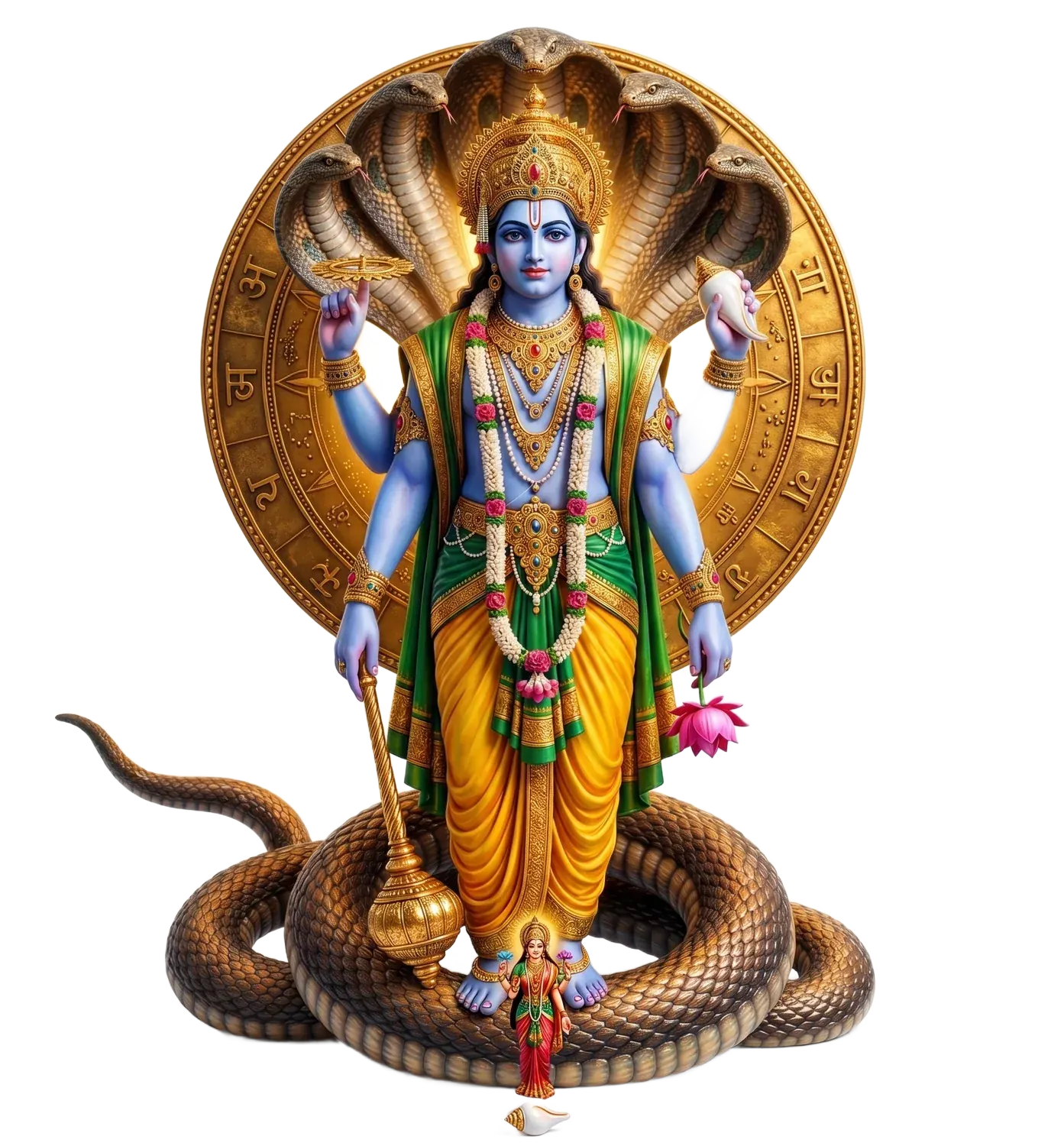
Vedic tradition offers simple, dharmic remedies rather than fear-based fixes. Chanting the Maha Mrityunjaya Mantra daily, or reciting it 108 times on Mondays, is considered deeply protective for health and longevity concerns linked to the 8th house. Worshipping Lord Shiva, especially with an abhishekam of milk and water on Mondays, and offering prayers to Lord Shesha Naga (the divine serpent) are traditional practices associated with easing Kaal Sarp doshas. Reciting the Rahu Beej Mantra and Ketu Beej Mantra on Saturdays and Tuesdays respectively, feeding black sesame seeds to birds or donating them on Saturdays, and observing a fast on Nag Panchami are also recommended. Many families choose to have a Kaal Sarp Shanti Puja or Rahu-Ketu Shanti Puja performed by qualified priests, traditionally at sacred sites such as Trimbakeshwar (Nashik) or Kalahasti (Andhra Pradesh), though such a puja can also be performed sankalp-based with a trusted purohit. Wearing a Gomed (Hessonite) for Rahu or Cat's Eye for Ketu should only be done after proper astrological consultation, as gemstones are powerful and not suitable for everyone.
A Gentle Note
Astrology describes tendencies and karmic patterns; it does not dictate an unchangeable fate. Sincere devotion, ethical living, patience, and consistent remedies are believed to soften even a challenging placement over time. This article is for spiritual and educational guidance only and is not a substitute for professional medical, legal, or financial advice — please consult the appropriate experts for such matters alongside your spiritual practice.
Quick guide
Before you begin
Mantra
Devi mantra
Om Dum Durgaye Namah
Chant 11, 21, or 108 times according to your time and capacity.
Bhav
Benefits devotees pray for
FAQ
Common questions
What is Karkotak Kaal Sarp Dosh caused by?
It forms when Rahu is placed in the 8th house and Ketu in the 2nd house, with all other planets hemmed between them, in a person's birth chart.
Is Karkotak Kaal Sarp Dosh always harmful?
No. It brings challenges mainly around finances, health and family speech, especially during Rahu-Ketu dashas, but it also gives sharp intuition and resilience. Its effects vary from chart to chart and can be eased with sincere remedies.
Which mantra is most recommended?
The Maha Mrityunjaya Mantra is widely recommended, along with the Rahu and Ketu beej mantras, chanted with faith and consistency, ideally guided by a knowledgeable priest or astrologer.
Should I get a Kaal Sarp Shanti Puja done?
Many families find comfort and clarity from a properly performed Rahu-Ketu Shanti Puja, but it should be done as an act of devotion and mental peace, not out of fear, and alongside — not instead of — practical medical or financial care when needed.
Seek Rahu-Ketu Shanti with a Guided Puja
Let our experienced pandits guide a sincere Kaal Sarp Dosh Nivaran puja and mantra sankalp for your peace of mind.