

 या देवी सर्वभूतेषु शक्ति-रूपेण संस्थिता
The Kali Yantra is a sacred geometric instrument that channels Maa Kali's fierce, protective energy to dissolve fear, negativity and obstacles from the devotee's life.
Among the great Mahavidya yantras of Sanatan Dharma, the Kali Yantra holds a place of profound reverence. It is not merely a diagram drawn on metal or paper — it is understood by tantric and devotional tradition alike as a living seat, a "yantra sharira" or geometric body, in which the formless, all-pervading energy of Maa Kali is invited to reside so that a devotee can approach her more tangibly in daily worship.
Maa Kali is the fierce, time-transcending form of Adi Shakti — the primal feminine power that devours darkness, ego, fear and illusion (maya) so that the soul can stand in truth. Where many forms of the Divine Mother are worshipped for beauty and abundance, Kali is worshipped for fearlessness. She is the mother who is unafraid to destroy what needs to be destroyed — negative influences, evil eye, black magic, chronic fear, enemies who wish harm — so that her children may live free and protected.
What Is the Kali Yantra
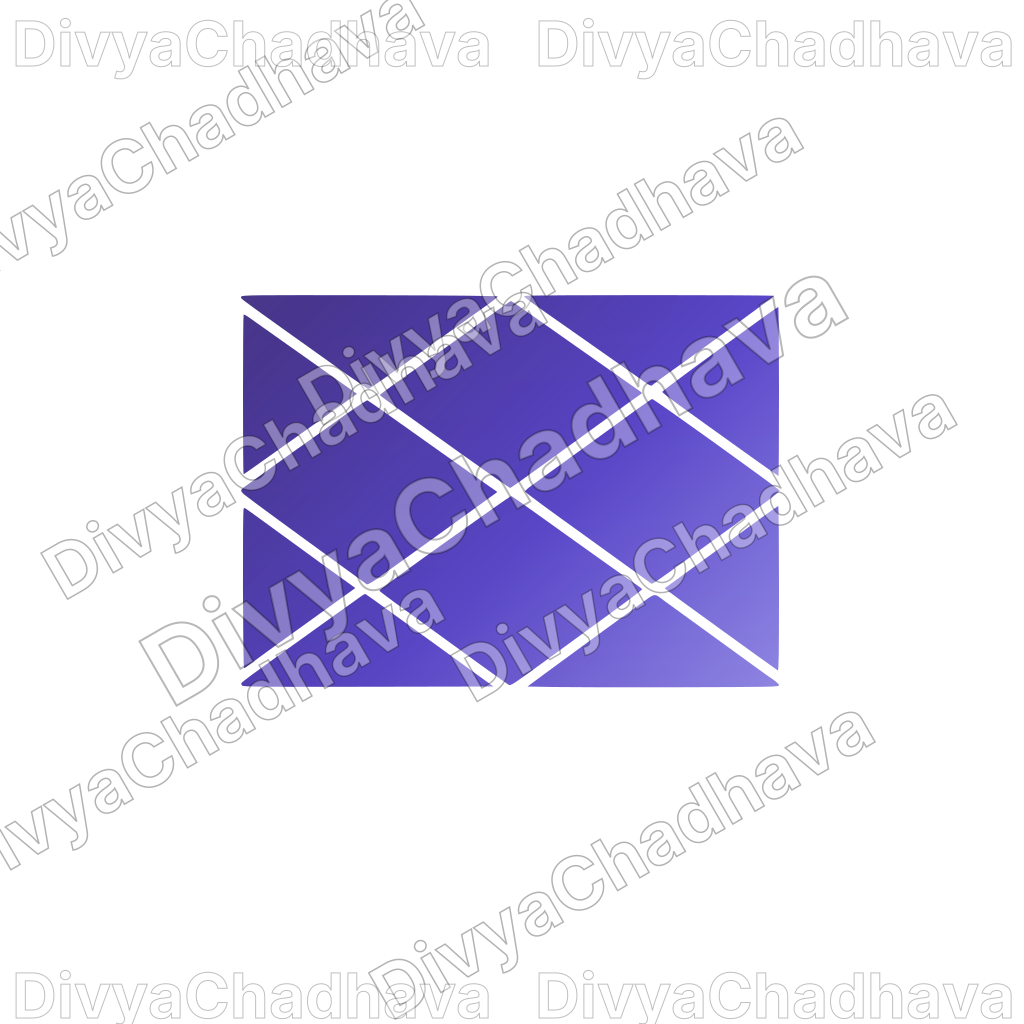
The Kali Yantra is typically composed of interlocking triangles (representing Shakti and the dissolving of duality), enclosed within one or more circles, and framed by a bhupura — the outer square gateway with four openings representing the four directions through which divine energy is invoked and grounded into the material world. At the centre is the bindu, the seed-point representing Kali herself in her formless, infinite aspect.
The downward-pointing triangles in Shakti yantras symbolise the feminine, creative-dissolving principle; in the Kali Yantra this energy is intensified because Kali's own nature is one of dissolution — she dissolves time (kaal), ego and fear at their root, rather than merely covering them over.
Some traditional renderings of the Kali Yantra include the bija (seed) mantra "क्रीं" (Kreem) inscribed at the centre, since this is Kali's principal beej mantra and carries her essential vibration.
Why Devotees Install a Kali Yantra
A Kali Yantra is installed in the home, workplace, or personal puja space primarily for protection. Its recognised benefits, as passed down through devotional and tantric tradition, include:
Protection from negative energy: The yantra is believed to create a protective field around the space where it is kept, warding off evil eye (nazar), envy, and lower psychic influences.
Removal of fear: Kali's energy is specifically invoked to dissolve chronic fear, anxiety, nightmares and a sense of being under threat — situations where a devotee feels unsafe without a clear worldly cause.
Victory over obstacles and enemies: Traditionally, those facing hidden opposition, court disputes, workplace rivalry or unexplained repeated setbacks turn to Kali for swift, decisive resolution.
Courage and inner strength: Kali is the mother of fearlessness (Abhaya). Regular worship before her yantra is said to build unshakeable inner courage, helping the devotee face life's difficulties without being overwhelmed.
Purification of the space: The yantra's presence is believed to cleanse the energetic atmosphere of a home or shop, especially where quarrels, illness or repeated misfortune have been experienced.
Spiritual awakening: For sadhaks on a tantric or Shakta path, the Kali Yantra is a tool of deep meditation, said to accelerate the awakening of inner shakti and clarity of mind by confronting and dissolving illusion.
How to Install and Worship the Kali Yantra
Direction and placement: The yantra is best placed facing east or north in the puja mandir, at a height where it can be seen at eye level or slightly above when seated. It should never be placed on the floor, in a bathroom, or in a place where footwear is kept.
Day to begin worship: Tuesday or a Friday during the dark fortnight (Krishna Paksha), especially Kali Chaudas or an Amavasya, is considered especially auspicious to begin worship of the Kali Yantra — though any auspicious day chosen with sincere devotion is acceptable.
Simple daily vidhi: 1. Clean the yantra with a soft cloth; do not use water on metal yantras unless they are specifically water-resistant copper/brass pieces meant for abhishek. 2. Light a diya (preferably mustard oil or ghee) and an incense stick before it. 3. Offer a red flower, a little kumkum, and if possible a few drops of raw honey or jaggery as naivedya. 4. Sit calmly, take a few deep breaths, and chant the mantra below with focus, ideally 11, 21 or 108 times using a rudraksha mala. 5. Conclude with a short prayer asking Maa Kali for protection, courage and the removal of fear from your life and your family's life.
Kali Mantra
The most widely chanted beej mantra associated with the Kali Yantra is:
ॐ क्रीं कालिकायै नमः
This can be chanted softly (japa) as part of the daily vidhi. Devotees on a more dedicated path may also recite the Kali Ashtakam or listen to the Kali Chalisa as part of their sadhana alongside the yantra worship.
Dos and Don'ts
Do keep the space around the yantra clean and free of clutter. Do maintain a calm, respectful attitude — Kali's energy responds to sincerity, not fear or superstition. Do combine yantra worship with acts of compassion and charity, since true Shakti sadhana flowers into a gentler, more courageous character, not aggression toward others.
Do not use the yantra to wish harm upon anyone; tantra practised for the wellbeing of self and family, never to curse others, is the dharmic path taught in our tradition. Do not touch the yantra with unwashed hands or after non-vegetarian food and alcohol without bathing first. Do not place it in a cluttered, dark or unclean corner.
A Gentle Note
The Kali Yantra, like all sacred tools in Sanatan Dharma, works through shraddha (faith) combined with consistent, sincere practice — it is not a substitute for practical safety measures, medical care, or legal counsel where those are genuinely needed. Approach Maa Kali as a devoted child approaches a protective mother: with trust, humility and patience, and her grace unfolds in its own time.
Frequently Asked Questions
The answers below address common questions devotees ask about the Kali Yantra.
Quick guide
Before you begin
Mantra
Kali mantra
Om Kreem Kalikayai Namah
Chant with humility while praying for courage, protection, and transformation.
Bhav
Benefits devotees pray for
FAQ
Common questions
Where should the Kali Yantra be placed at home?
Place it in the puja mandir facing east or north, at eye level or above, in a clean space away from the bathroom, kitchen sink or footwear area.
Can anyone worship the Kali Yantra, or only advanced sadhaks?
Any sincere devotee can worship it with simple daily rituals — a diya, a flower and the mantra. Deeper tantric practices are best learned under a qualified guru.
How soon can benefits be felt?
Traditional wisdom teaches that consistency matters more than speed; many devotees report a growing sense of calm and courage over weeks of regular, sincere worship.
Is the Kali Yantra safe to keep at home?
Yes, when worshipped with respect and used only for protection and positive intent, it is considered entirely safe and is kept in millions of Shakta households.
Seek Maa Kali's Protective Grace
Let our pandits perform a dedicated puja invoking Maa Kali's fierce, protective energy for your family's safety and courage.