



 कजरी तीज व्रत कथा
Kajari Teej, observed by married and unmarried women during the monsoon month of Bhadrapada, honours Maa Parvati's devotion to Bhagwan Shiva and blesses devotees with a happy, prosperous married life.
What is Kajari Teej
Kajari Teej, also known as Boodhi Teej or Satudi Teej, is observed on the Krishna Paksha Tritiya (third day of the waning moon) of the Hindu month of Bhadrapada, typically falling about a fortnight after Hariyali Teej and Nag Panchami. It is celebrated with particular fervour in Rajasthan, Uttar Pradesh, Bihar and Madhya Pradesh, where women sing traditional Kajari folk songs that give the festival its name, songs that speak of the joy and longing of the monsoon season.
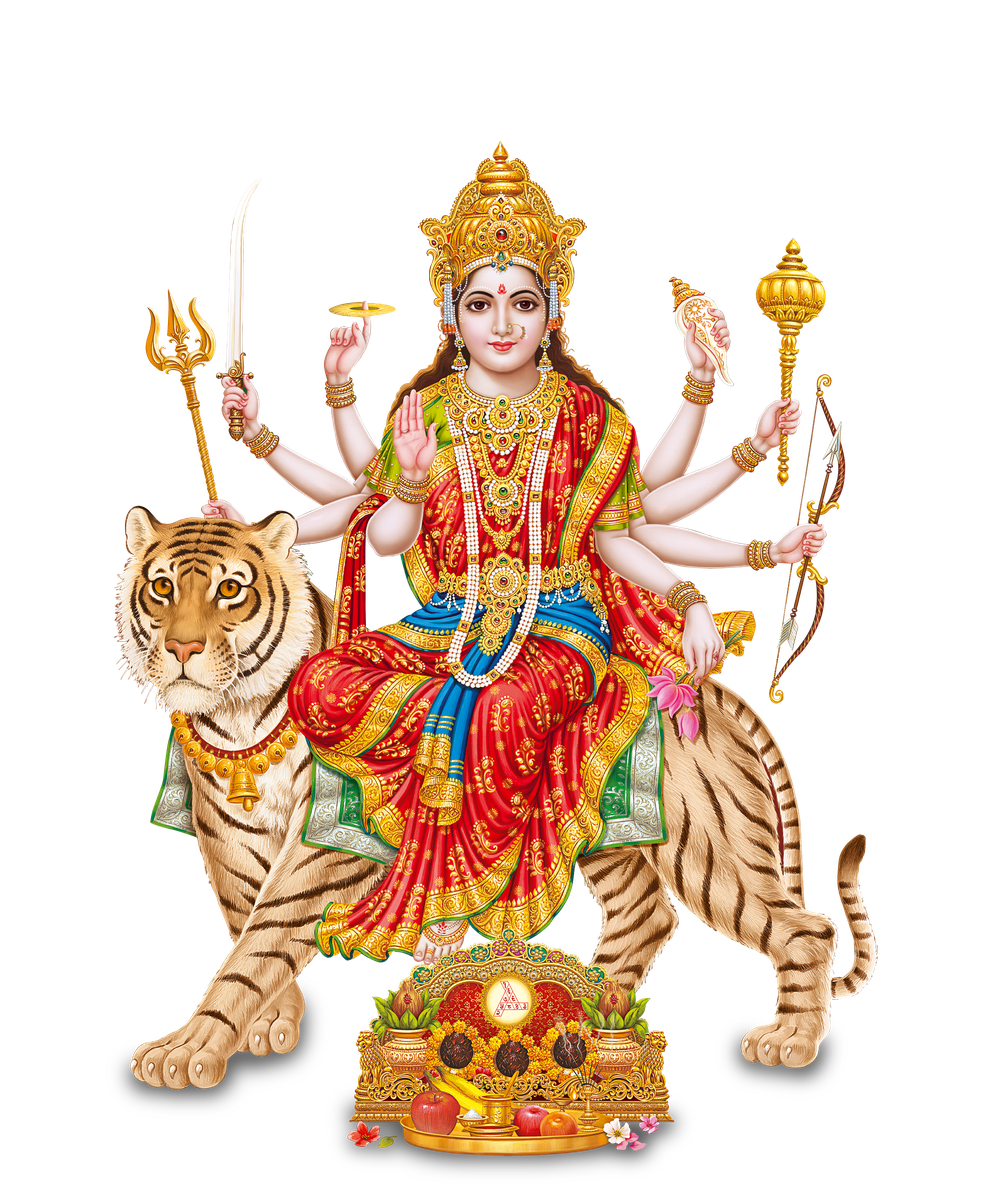
The festival honours the eternal devotion of Maa Parvati toward Bhagwan Shiva. Married women observe this vrat for the long life, health and prosperity of their husbands and for a harmonious family life, while unmarried women observe it in the hope of being blessed with a husband as devoted and worthy as Bhagwan Shiva himself.
The Vrat Katha of Kajari Teej
In a previous birth, Maa Parvati was born as the daughter of the mountain king Himavan and was named Sati in that earlier form, and later as Parvati she resolved from childhood that she would accept none other than Bhagwan Shiva as her husband. Her father, wishing for a more conventionally suitable match, arranged for her marriage to be discussed among the celestial gods, hoping to find her a groom of wealth and standing.
Parvati, distressed at the thought of being married to anyone other than Shiva, left the comfort of the palace and went into the forest to perform intense tapasya. She gave up ordinary food, living only on leaves for a period of her penance, which is why she came to be known as "Aparna" (one without leaves, having given up even leaves in her later, more severe penance). Through summer's heat, winter's cold and the pouring rains, she remained fixed in meditation, chanting Shiva's name and praying with unwavering faith.
Her devotion did not go unnoticed. Bhagwan Shiva himself was moved by the depth of her tapasya. It is said that this final, decisive phase of her penance culminated on a Tritiya of Bhadrapada, the very day now observed as Kajari Teej, when Bhagwan Shiva appeared before her and agreed to accept her as his consort. Their divine union was celebrated by all the gods, and it became understood among women observing this vrat that Parvati's patience and unbroken devotion are what ultimately won her the husband she desired.
Inspired by her story, women began to observe this fast every year on this day, praying to Maa Parvati and Bhagwan Shiva together, seeking either the continued devotion and long life of their own husbands, or, for unmarried girls, a husband of similar noble qualities.
Puja Vidhi: How to Observe Kajari Teej
Wake before sunrise, take a bath, and wear festive clothes, traditionally in green or red, along with bangles, sindoor and other symbols of marital auspiciousness for married women.
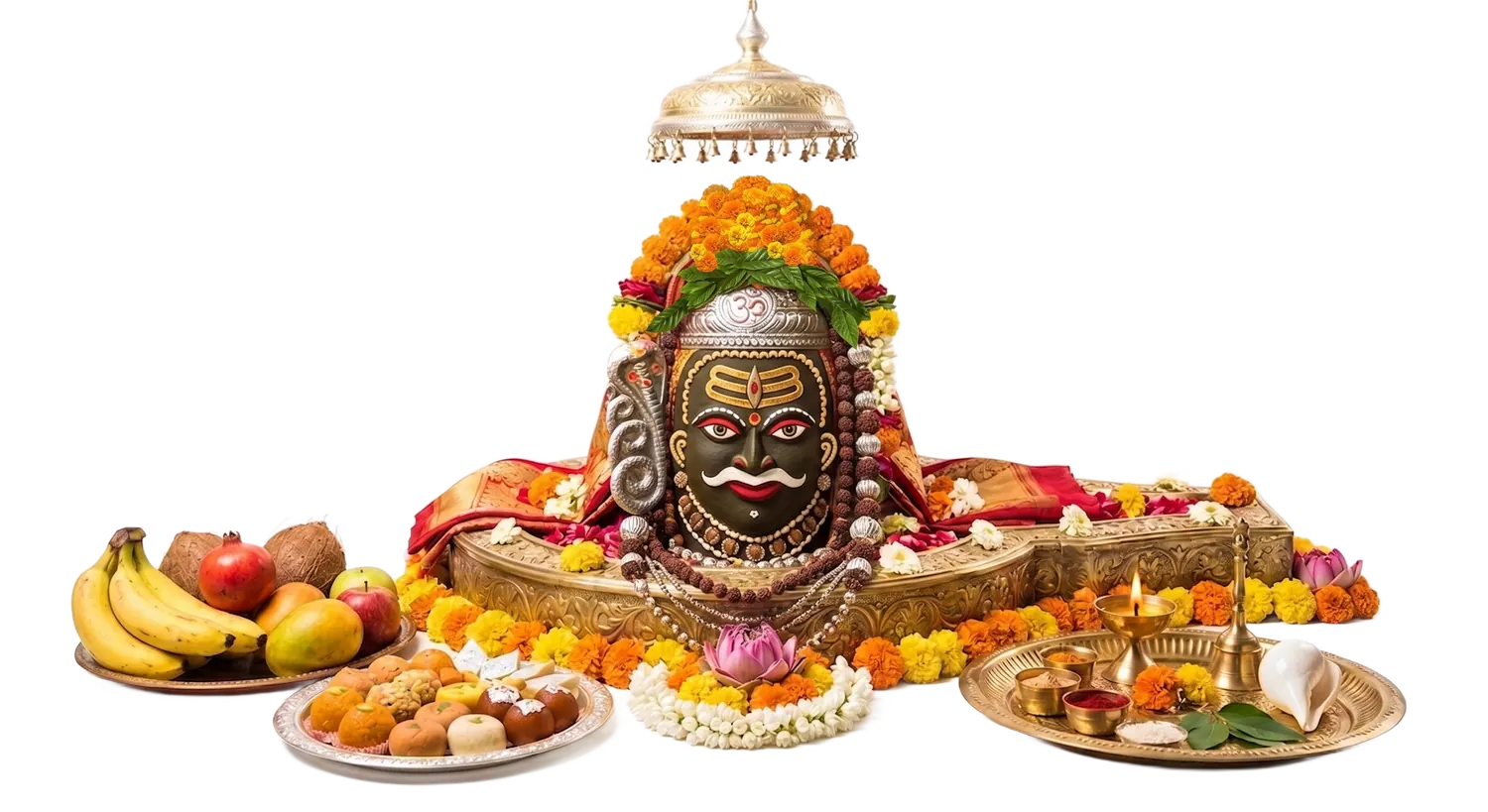
Set up a small altar with idols or images of Maa Parvati and Bhagwan Shiva, ideally alongside a small clay or sand image formed specially for the day, as is customary in many regions.
Offer flowers, especially the fragrant mogra and other seasonal blooms of the monsoon, along with fruits, sweets, and a small amount of sattu (roasted gram flour, a traditional Kajari Teej offering) and til (sesame) items, which give the festival its alternate name, Satudi Teej.
Apply mehendi (henna) on the hands, a customary practice for the day, and many women also swing on decorated jhoolas (swings) as part of the monsoon festivities associated with this Teej.
Observe a nirjala (waterless) or phalahar (fruit-only) fast through the day according to personal capacity, and listen to or narrate the Kajari Teej Vrat Katha in the evening, either alone or in a gathering of women.
Light a diya, offer aarti to Maa Parvati and Bhagwan Shiva, sing traditional Kajari folk songs if it is customary in the family or region, and break the fast after moonrise or the following morning, depending on regional practice, with a simple satvik meal.
Significance and Benefits
Kajari Teej is regarded as a celebration of steadfast devotion, patience and the strength of a woman's will, embodied by Maa Parvati's own tapasya. It falls within the wider Teej season, alongside Hariyali Teej and Hartalika Teej, all of which honour different aspects of Parvati and Shiva's union.
For married women, the vrat is believed to bring longevity and wellbeing to the husband, deepen marital harmony and understanding, and invoke Maa Parvati's blessing for a stable, loving household. For unmarried women, it is observed with the hope of a good, devoted life partner, following the same faith that carried Parvati through her penance.
The festival also carries a broader cultural significance as a celebration of the monsoon itself, a season of renewal in agrarian India, and the Kajari folk songs sung on this day are considered an important part of regional oral tradition and heritage.
Dos and Don'ts
Do wake early, dress in festive auspicious colours, listen to or narrate the vrat katha with full attention, and observe the fast according to your health and capacity.
Do apply mehendi, participate in the singing of Kajari songs if it is your family tradition, and offer sattu and til as part of the puja.
Avoid negative thoughts, arguments or ill-will toward one's spouse or family on this day, as the vrat's spirit is one of harmony and devotion.
Those who are pregnant, elderly, or managing a health condition may keep a fruit-based or partial fast rather than a strict waterless one, since sincerity of devotion matters more than physical austerity.
A Gentle Closing Note
Kajari Teej is, at its heart, a celebration of the quiet, unwavering faith that Maa Parvati carried through hardship to reach her heart's true wish. It reminds every woman who observes it that devotion, patience and self-belief are themselves a form of strength worth honouring every monsoon.
Quick guide
Before you begin
Mantra
Devi mantra
Om Dum Durgaye Namah
Chant 11, 21, or 108 times according to your time and capacity.
Bhav
Benefits devotees pray for
FAQ
Common questions
What is the difference between Kajari Teej and Hariyali Teej?
Hariyali Teej falls on Shukla Paksha Tritiya of Shravan and celebrates the arrival of the monsoon and Parvati-Shiva's union with greenery and swings. Kajari Teej falls about a fortnight later, on Krishna Paksha Tritiya of Bhadrapada, and is more closely tied to Kajari folk songs, sattu offerings and Parvati's penance.
Can unmarried women observe Kajari Teej?
Yes, unmarried women traditionally observe this vrat praying for a devoted, worthy husband, following Maa Parvati's own example of unwavering faith that led her to Bhagwan Shiva.
Is a waterless fast compulsory on Kajari Teej?
No. While many women keep a nirjala fast, a fruit-based (phalahar) fast is equally acceptable, especially for those who are pregnant, unwell, or elderly. Sincerity of devotion matters more than the strictness of the fast.
Why is sattu especially associated with this Teej?
Kajari Teej is also called Satudi Teej because sattu (roasted gram flour) is a traditional seasonal offering made during the puja, reflecting the agricultural and monsoon character of this festival.
Book a Kajari Teej Puja
Let our experienced pandits perform your Kajari Teej sankalp and puja to Maa Parvati and Bhagwan Shiva on your behalf.