

 पितृ मुक्ति एकादशी
King Indrasena's Indira Ekadashi vrat, performed for his departed father, shows how devoted fasting can liberate ancestors from suffering.
What Is Indira Ekadashi
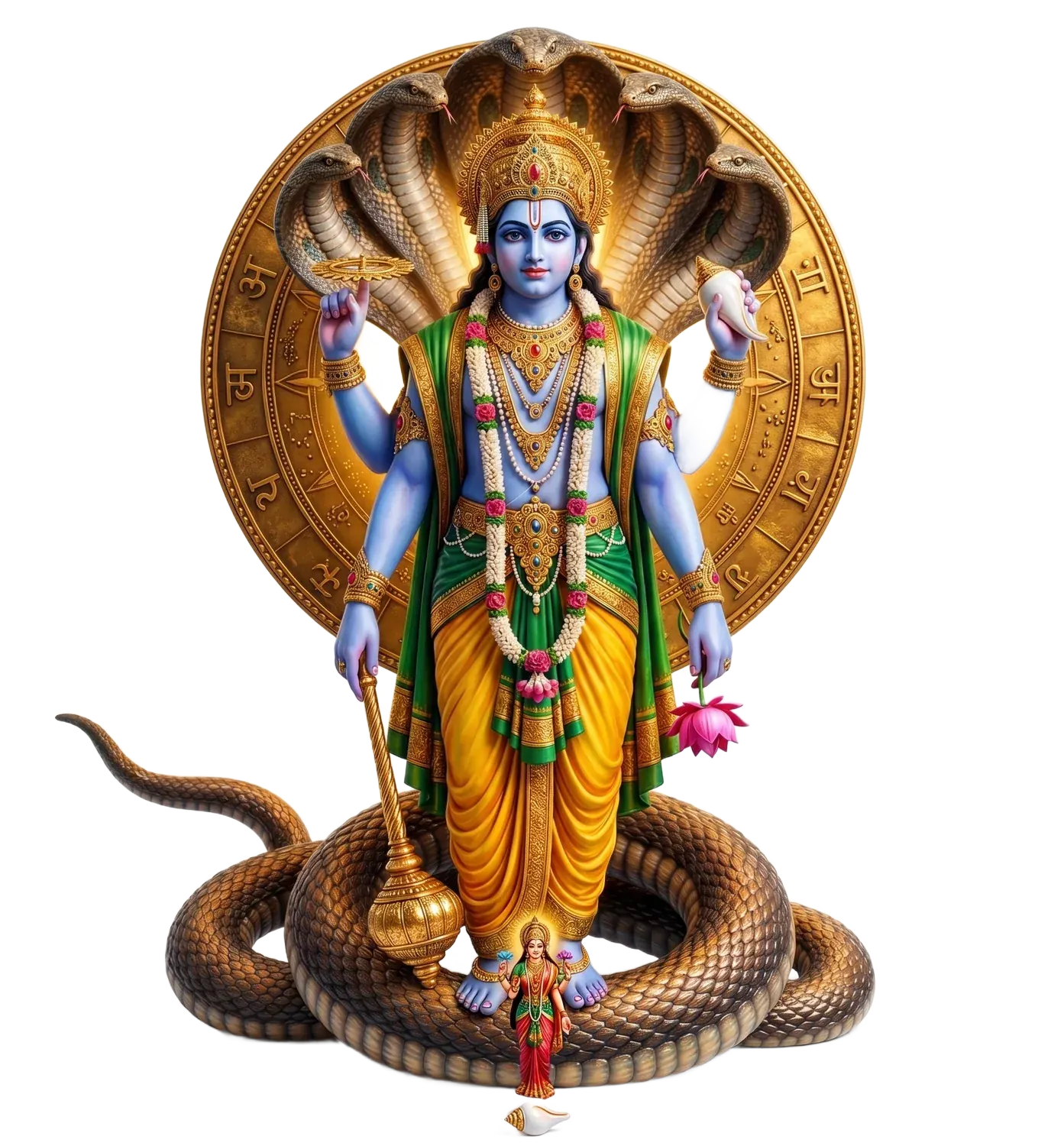
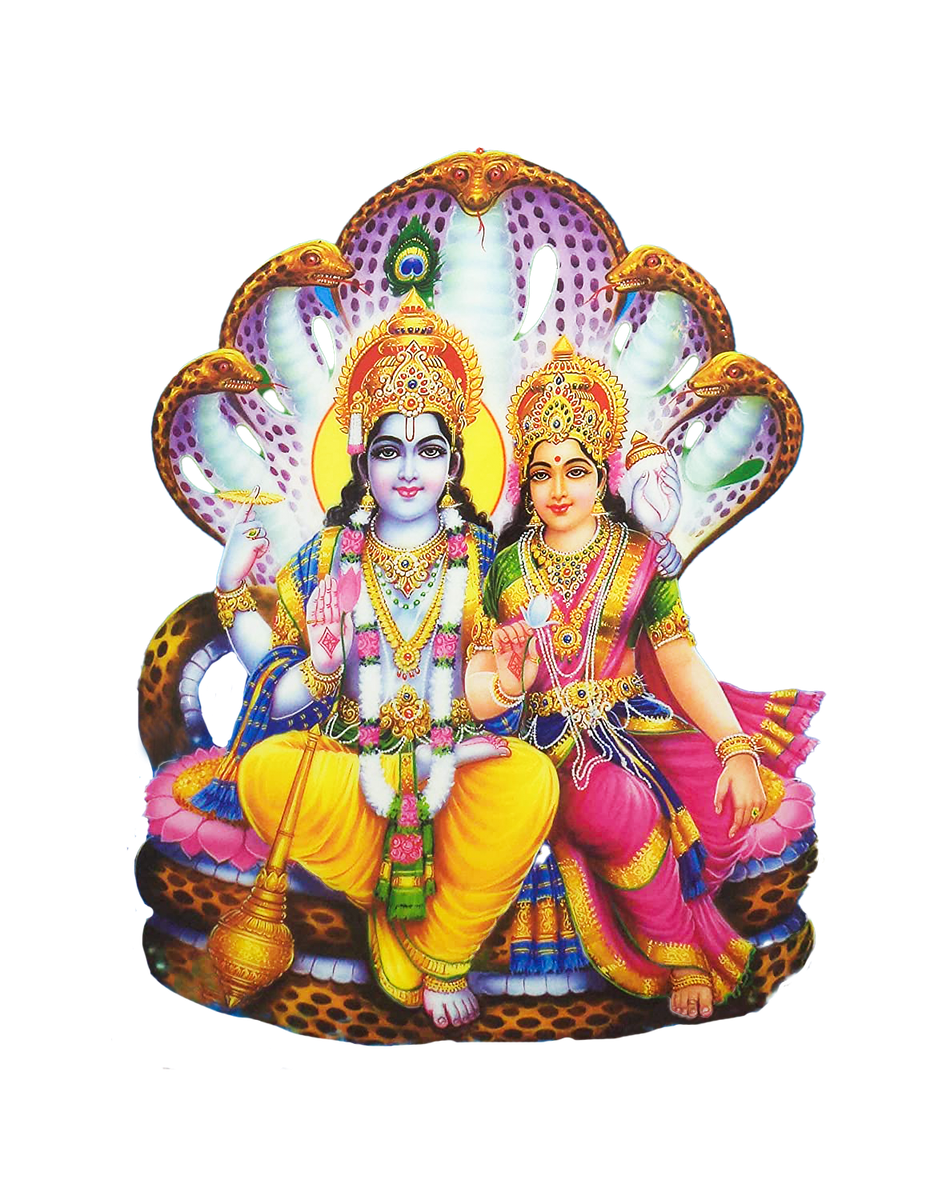
Indira Ekadashi falls on the eleventh day (ekadashi tithi) of the waning moon fortnight (Krishna Paksha) in the month of Ashwin, typically during Pitru Paksha, the fortnight dedicated to honouring one's ancestors. It is dedicated to Bhagwan Vishnu and is especially revered as an Ekadashi that grants moksha (liberation) to departed ancestors when observed by their descendants with sincerity.
Because it falls within Pitru Paksha, Indira Ekadashi holds special significance for those performing shraddha and tarpan for their forefathers, and the katha associated with it directly addresses the anxiety of a person wondering whether their departed father has attained peace in the afterlife.
The Vrat Katha: King Indrasena's Story
In the city of Mahishmati Puri there ruled a righteous and devout king named Indrasena, a great devotee of Bhagwan Vishnu, beloved by his subjects for his just rule. One day the divine sage Narada Muni visited his court. After exchanging pleasantries, King Indrasena asked the sage for news of his father, who had passed away some time before.
Narada Muni, using his divine sight, told the king that he had seen his father in Yamalok, the abode of the dead, suffering there because in a past life he had disrupted someone's Ekadashi vrat, breaking their fast before its proper completion, an act considered a serious transgression against dharma. As a result, his soul had not yet attained liberation, despite having otherwise lived a righteous life.
Narada Muni told the grieving king that there was a remedy: if King Indrasena himself observed the vrat of Indira Ekadashi with complete faith and correct vidhi, and dedicated the merit (punya) of that fast to his father, his father's soul would be freed from suffering and attain moksha.
Deeply moved, King Indrasena resolved to follow the sage's instructions exactly. On the day before Ekadashi, called Dashami, he ate only once in the afternoon and prepared his mind and body for the fast. On Ekadashi day, he rose before dawn, bathed in a sacred river, performed the shraddha rites for his father with full devotion, fed Brahmins, and observed a strict fast throughout the day and night, keeping vigil with prayers to Vishnu. The next morning, on Dwadashi, he broke his fast only after feeding Brahmins and offering the merit of his vrat to his departed father.
As he did so, the sky filled with celestial light, and King Indrasena and his subjects witnessed his father's soul ascending to Vaikuntha, Vishnu's own abode, seated upon a divine vimana (celestial chariot), accompanied by Garuda and the attendants of Vishnu, freed forever from the suffering of Yamalok. King Indrasena himself, having performed the vrat with such sincerity, was also blessed with a life of prosperity and, in time, liberation.
Puja Vidhi (How to Observe the Vrat)
The vrat begins the day before, on Dashami, with a single, simple meal taken in the afternoon and abstention from certain foods, to prepare the body for the fast ahead.
On Ekadashi morning, devotees bathe early, take the sankalp (vow) of the fast, and worship Bhagwan Vishnu with diya, incense, tulsi, and yellow flowers, ideally in his form as Padmanabha. Because this Ekadashi is closely tied to ancestral peace, many devotees also perform shraddha and tarpan for their forefathers on this day, offering til (sesame), water and rice to their ancestors' memory.
The day is spent in fasting, japa of Vishnu mantras, and reading or listening to this very katha, and the night is kept in jagran with bhajans. On the following Dwadashi morning, the fast is broken after feeding Brahmins or the needy and offering the merit of the vrat to one's ancestors.
Significance and Benefits
Indira Ekadashi is considered uniquely powerful for pitru shanti, bringing peace to ancestors who may be suffering due to unresolved karma, and for relieving the descendant of pitru dosh and its effects on the family's wellbeing. It also grants the observer freedom from sin and progress toward moksha.
Frequently Asked Questions
What is the story behind Indira Ekadashi. King Indrasena learned from Narada Muni that his father was suffering in Yamalok for having broken someone's Ekadashi fast in a past life. By observing Indira Ekadashi and dedicating its merit to his father, the king freed his father's soul, who ascended to Vaikuntha.
Why is Indira Ekadashi linked to ancestors. It falls during Pitru Paksha and its katha directly concerns the liberation of a suffering ancestor, making it one of the most significant Ekadashis for shraddha and tarpan.
What should be offered to ancestors on this day. Traditionally til (sesame seeds), water and rice are offered during tarpan, along with feeding Brahmins and dedicating the merit of the fast to the departed soul.
Who can observe this vrat. Any sincere devotee may observe it, particularly those wishing to bring peace to a departed parent or ancestor, or seeking relief from pitru dosh; elderly or unwell persons may keep a phalahar fast instead of a strict one.
Quick guide
Before you begin
Mantra
Vishnu mantra
Om Namo Bhagavate Vasudevaya
Chant before katha or aarti while praying for protection, dharma, and peace.
Bhav
Benefits devotees pray for
FAQ
Common questions
What is the story behind Indira Ekadashi?
King Indrasena's father was suffering in Yamalok for breaking someone's Ekadashi fast in a past life. By observing this vrat and dedicating its merit, the king freed his father's soul.
Why is Indira Ekadashi linked to ancestors?
It falls during Pitru Paksha and its katha concerns the liberation of a suffering ancestor, making it central to shraddha and tarpan.
What should be offered to ancestors on this day?
Til, water and rice during tarpan, along with feeding Brahmins and dedicating the vrat's merit to the departed soul.
Who can observe this vrat?
Any sincere devotee, especially those seeking peace for a departed parent or relief from pitru dosh; a phalahar fast suits the elderly or unwell.
Offer Peace to Your Ancestors
Let our pandits perform a Vishnu puja and pitru shanti rituals on your behalf during this sacred fortnight.