



 बजरंगबली स्तुति
The complete Hanuman Chalisa in Devanagari with meaning, plus the correct rules, timing and rituals for chanting it with full benefit.
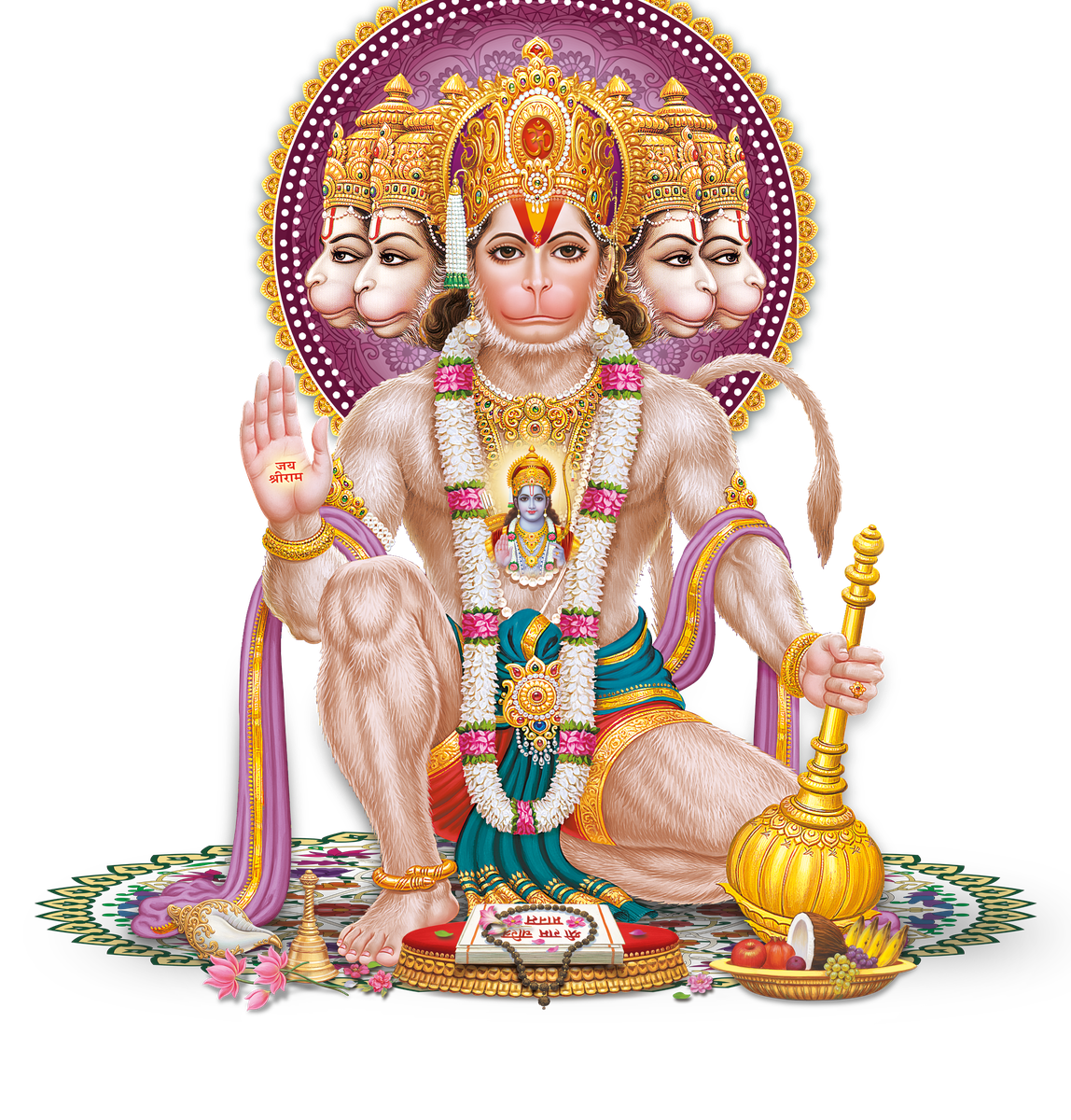
Hanuman Chalisa, composed by Goswami Tulsidas, is the most widely recited devotional hymn in Hinduism — forty verses in praise of Hanuman Ji, the embodiment of strength, devotion, courage and selfless service to Lord Ram. Chanting it correctly, at the right time and with the right intention, is said to remove fear, negativity and obstacles, and to bring protection, strength and peace of mind.
Complete Hanuman Chalisa (Devanagari)
दोहा श्रीगुरु चरन सरोज रज, निज मन मुकुरु सुधारि। बरनउं रघुबर बिमल जसु, जो दायकु फल चारि॥
बुद्धिहीन तनु जानिके, सुमिरौं पवन-कुमार। बल बुधि विद्या देहु मोहिं, हरहु कलेस बिकार॥
चौपाई
जय हनुमान ज्ञान गुन सागर। जय कपीस तिहुं लोक उजागर॥ राम दूत अतुलित बल धामा। अंजनि पुत्र पवनसुत नामा॥ महाबीर बिक्रम बजरंगी। कुमति निवार सुमति के संगी॥ कंचन बरन बिराज सुबेसा। कानन कुंडल कुंचित केसा॥ हाथ बज्र औ ध्वजा बिराजै। कांधे मूंज जनेऊ साजै॥ संकर सुवन केसरीनंदन। तेज प्रताप महा जग बंदन॥ बिद्यावान गुनी अति चातुर। राम काज करिबे को आतुर॥ प्रभु चरित्र सुनिबे को रसिया। राम लखन सीता मन बसिया॥ सूक्ष्म रूप धरि सियहिं दिखावा। बिकट रूप धरि लंक जरावा॥ भीम रूप धरि असुर संहारे। रामचंद्र के काज संवारे॥ लाय सजीवन लखन जियाये। श्रीरघुबीर हरषि उर लाये॥ रघुपति कीन्ही बहुत बड़ाई। तुम मम प्रिय भरतहि सम भाई॥ सहस बदन तुम्हरो जस गावैं। अस कहि श्रीपति कंठ लगावैं॥ सनकादिक ब्रह्मादि मुनीसा। नारद सारद सहित अहीसा॥ जम कुबेर दिगपाल जहां ते। कबि कोबिद कहि सके कहां ते॥ तुम उपकार सुग्रीवहिं कीन्हा। राम मिलाय राज पद दीन्हा॥ तुम्हरो मंत्र बिभीषन माना। लंकेस्वर भए सब जग जाना॥ जुग सहस्र जोजन पर भानू। लील्यो ताहि मधुर फल जानू॥ प्रभु मुद्रिका मेलि मुख माहीं। जलधि लांघि गये अचरज नाहीं॥ दुर्गम काज जगत के जेते। सुगम अनुग्रह तुम्हरे तेते॥ राम दुआरे तुम रखवारे। होत न आज्ञा बिनु पैसारे॥ सब सुख लहै तुम्हारी सरना। तुम रच्छक काहू को डर ना॥ आपन तेज सम्हारो आपै। तीनों लोक हांक तें कांपै॥ भूत पिसाच निकट नहिं आवै। महाबीर जब नाम सुनावै॥ नासै रोग हरै सब पीरा। जपत निरंतर हनुमत बीरा॥ संकट तें हनुमान छुड़ावै। मन क्रम बचन ध्यान जो लावै॥ सब पर राम तपस्वी राजा। तिन के काज सकल तुम साजा॥ और मनोरथ जो कोई लावै। सोइ अमित जीवन फल पावै॥ चारों जुग परताप तुम्हारा। है परसिद्ध जगत उजियारा॥ साधु संत के तुम रखवारे। असुर निकंदन राम दुलारे॥ अष्ट सिद्धि नौ निधि के दाता। अस बर दीन जानकी माता॥ राम रसायन तुम्हरे पासा। सदा रहो रघुपति के दासा॥ तुम्हरे भजन राम को पावै। जनम जनम के दुख बिसरावै॥ अंत काल रघुबर पुर जाई। जहां जन्म हरिभक्त कहाई॥ और देवता चित्त न धरई। हनुमत सेइ सर्ब सुख करई॥ संकट कटै मिटै सब पीरा। जो सुमिरै हनुमत बलबीरा॥ जय जय जय हनुमान गोसाईं। कृपा करहु गुरुदेव की नाईं॥ जो सत बार पाठ कर कोई। छूटहि बंदि महा सुख होई॥ जो यह पढ़े हनुमान चालीसा। होय सिद्धि साखी गौरीसा॥ तुलसीदास सदा हरि चेरा। कीजै नाथ हृदय मंह डेरा॥
दोहा पवनतनय संकट हरन, मंगल मूरति रूप। राम लखन सीता सहित, हृदय बसहु सुर भूप॥
Meaning
The opening doha states that using the dust of one's Guru's lotus feet to polish the mirror of the mind, Tulsidas describes the pure fame of Ram, who grants the four fruits of life (dharma, artha, kama, moksha). Knowing himself lacking in wisdom, he remembers Hanuman, the son of Pavan (wind god), praying for strength, wisdom and knowledge, and the removal of all afflictions.
The chaupais praise Hanuman as an ocean of wisdom and virtue, the messenger of Ram of immeasurable strength, son of Anjani and the wind-god, brave and mighty, dispeller of bad counsel, companion of good counsel. His golden form, earrings and curly hair, mace and flag, and sacred thread across his shoulder are described, along with his lineage as an incarnation of Shiva and son of Kesari.
The verses recount his deeds: appearing before Sita in subtle form, burning Lanka in a fierce form, destroying demons, aiding Ram's mission, carrying the Sanjeevani herb to revive Lakshman, for which Ram embraced him with joy and honored him as dear as his own brother Bharat. Sages, gods and even Brahma praise him; he helped Sugriva regain his kingdom, guided Vibhishan to righteousness, swallowed the sun mistaking it for a fruit, and leapt across the ocean carrying Ram's ring, so nothing is difficult for one blessed by his grace.
He guards Ram's door, and no one enters without his permission. Ghosts and evil spirits flee at the mere mention of his mighty name. He removes disease and pain for those who chant his name continuously, and rescues from every difficulty those who remember him in thought, word and deed. He is the giver of the eight siddhis and nine nidhis, a boon granted by Mother Sita. He is forever devoted to Ram and helps devotees reach Ram's abode after remembering him sincerely throughout life.
The Correct Rules and Timing (Path Vidhi)
Best time: Tuesday and Saturday are especially dedicated to Hanuman Ji, though the Chalisa can and should be chanted daily. Early morning (Brahma Muhurta) or evening (sandhya kaal) are considered the most powerful times.
Preparation: Bathe and wear clean clothes before chanting. Sit facing east or south (Hanuman's traditional direction) on a clean mat. Light a diya with mustard or sesame oil, and offer sindoor, red flowers and betel leaves if performing a full puja.
How to chant: Recite the two opening dohas, then all forty chaupais in sequence without skipping, and close with the final doha. Read with a calm, focused mind rather than rushing through the words — clarity and devotion (bhaav) matter more than speed. It may be chanted aloud, in a whisper, or silently within the mind.
Repetition: A single complete recitation daily is enough for regular practice. For overcoming a specific difficulty, many devotees recite it seven, eleven or one hundred and eight times in a sitting, or commit to reciting it daily for forty days (chalisa vrat) without a break.
Dos and Don'ts
Do maintain celibacy and simplicity of diet (avoid onion, garlic, alcohol and non-vegetarian food) on days of special vrat or intensive recitation. Do not chant with impure hands or in an unclean state. Women may continue to chant the Chalisa mentally during their monthly cycle; external puja rituals can be paused and resumed as per family tradition and personal comfort — devotion is never barred. Avoid breaking the sequence of the Chalisa once started; if interrupted, it is fine to restart from the beginning next time.
Benefits
Regular and correct recitation is believed to remove fear, anxiety and negative energy; grant physical strength, courage and mental steadiness; clear obstacles in work, health and relationships; and deepen one's devotion to Ram through Hanuman's example of selfless service (seva) and unwavering faith.
Frequently Asked Questions
Which day and time is best for Hanuman Chalisa? Tuesday and Saturday are especially auspicious, and early morning or evening are the most powerful times, though it may be chanted any day.
Can the Hanuman Chalisa be chanted at night? Yes, it can be chanted at any time of day, though many prefer avoiding very late night hours out of respect for household rest; there is no scriptural prohibition against night recitation.
How many times should it be repeated for best results? Once daily with devotion is sufficient for regular practice; for a specific concern, seven, eleven or one hundred and eight repetitions, or a forty-day unbroken vow, are traditional.
Is it necessary to understand the Awadhi meaning while chanting? Understanding deepens the experience, but sincere, attentive recitation with devotion carries full benefit even without knowing every word's meaning — the sound vibration and bhaav themselves are sacred.
Quick guide
Before you begin
Mantra
Hanuman mantra
Om Hanumate Namah
Chant on Tuesday or Saturday for strength, protection, and devotion.
Bhav
Benefits devotees pray for
FAQ
Common questions
Which day and time is best for Hanuman Chalisa?
Tuesday and Saturday are especially auspicious, and early morning or evening are the most powerful times, though it may be chanted any day.
Can the Hanuman Chalisa be chanted at night?
Yes, it can be chanted at any time of day; there is no scriptural prohibition against night recitation.
How many times should it be repeated for best results?
Once daily with devotion is sufficient; for a specific concern, seven, eleven or one hundred and eight repetitions are traditional.
Is it necessary to understand the Awadhi meaning while chanting?
Understanding deepens the experience, but sincere recitation with devotion carries full benefit even without knowing every word's meaning.
Seek Hanuman Ji's Protection
Book a Hanuman puja or Sankat Mochan seva performed with full vidhi for strength and protection.