

 श्री गुरु पद नख मणि गन ज्योति
Hanuman Bahuk, composed by Goswami Tulsidas during a period of illness, is a powerful long-form stotra invoking Bhagwan Hanuman's protection over every part of the body and every kind of affliction.
Hanuman Bahuk is a remarkable and much-loved composition of Goswami Tulsidas, the same great poet-saint who gave the world the Ramcharitmanas and the Hanuman Chalisa. Unlike the Chalisa's compact forty verses, the Bahuk is a longer stotra of about forty-four verses, composed in varied and musical Braj Bhasha meters (chhand), and it holds a very personal place in Tulsidas's own life story.
The word "Bahu" means "arm," and "Bahuk" broadly refers to a composition centred on the arm or on protection/strength. Tradition holds that Tulsidas composed the Hanuman Bahuk while suffering from an intensely painful ailment in his arm — some accounts describe severe pain, boils or a disease that would not respond to ordinary treatment. In deep faith, he poured out this stotra to Bhagwan Hanuman, describing his agony, recalling Hanuman's matchless strength and countless acts of protection for Bhagwan Ram, and pleading for relief. It is said that through this heartfelt prayer, Tulsidas was cured, and since then Hanuman Bahuk has been recited by devotees seeking relief from chronic pain, illness, fear, evil influence and every kind of physical or mental suffering.
Authentic Opening Verses of Hanuman Bahuk (Devanagari)
श्री गुरु पद नख मणि गन ज्योति । सुमिरत दिव्य दृष्टि हियँ होती ॥
दलन मोह तम सो सप्रकासू । बंदऊं तेहि पद कमल विलासू ॥
जासु कृपा लवलेस ते सिद्धि पावहिं मूढ़ । ते बंदऊं गुर पद कमल सदा सर्व सुख कूढ़ ॥
बंदऊं पवनकुमार खल बन पावक ज्ञान घन । जासु हृदय आगार बसहिं राम सर चाप धर ॥
The remaining forty-plus verses of Hanuman Bahuk continue in this same devotional intensity — Tulsidas recalls, chhand after chhand, Hanuman's leap across the ocean to Lanka, his burning of Lanka, his lifting of the Sanjeevani mountain to save Lakshman's life, his tearing open his own chest to reveal Ram and Sita seated within his heart, and his unmatched strength as the son of Pavan (the wind god) and devoted servant of Bhagwan Ram. Woven through these glorious deeds is Tulsidas's own personal cry of pain and surrender, asking Hanuman — who removed every obstacle for Ram and Sita — to likewise remove his bodily suffering and any evil or fearful influence troubling him. The stotra closes, in the tradition of the Hanuman Chalisa, with prayers that whoever recites it with true faith will be freed from disease, poverty, fear and the influence of evil spirits, and will be blessed with Hanuman's protection over body, mind and home.
Because Hanuman Bahuk is composed in intricate old Braj Bhasha chhand meters and is considerably longer and less commonly printed than the Hanuman Chalisa, devotees are strongly encouraged to chant it from an authentic printed text (such as the Gita Press edition of Tulsidas's works) or under the guidance of a knowledgeable elder or pandit, so that every syllable and meter is preserved correctly. What follows here is the essential meaning, significance and method of worship associated with this powerful stotra.
Meaning and Themes
The opening verses shown above are a traditional invocation: Tulsidas first bows to the light of his Guru's feet, whose remembrance grants divine insight and dispels the darkness of delusion; then he bows to Pavankumar (Hanuman, son of the wind), who is like a forest-fire to the wicked and an ocean of wisdom, in whose heart Bhagwan Ram, bow and arrow in hand, ever resides.
As the stotra unfolds, Tulsidas describes his unbearable physical pain in vivid, almost anguished language, then reminds Hanuman of his own glorious past — how nothing was impossible for him, from leaping across the ocean to carrying the entire Sanjeevani mountain — and appeals that the one who accomplished such impossible feats for Bhagwan Ram can surely, with a mere thought, remove a devotee's suffering. This blend of raw personal vulnerability and total surrender to Hanuman's power is what makes the Bahuk so deeply moving and beloved among those undergoing chronic illness, pain or hardship.
Why Chant Hanuman Bahuk
Hanuman Bahuk is chanted especially for relief from long-standing or otherwise unexplained physical pain and illness, protection from black magic, evil eye (buri nazar) and negative energies, courage and strength during a difficult phase of life, and removal of fear, especially fear connected to illness or misfortune. Because it emerged from Tulsidas's own lived experience of suffering and healing, devotees turn to it with special faith when facing bodily affliction that has not responded to ordinary remedies — always alongside, never instead of, proper medical care.
How and When to Chant
Time: Tuesdays and Saturdays are especially auspicious for Hanuman worship; the Bahuk may also be chanted daily, particularly in the morning or evening, during a period of illness or hardship.
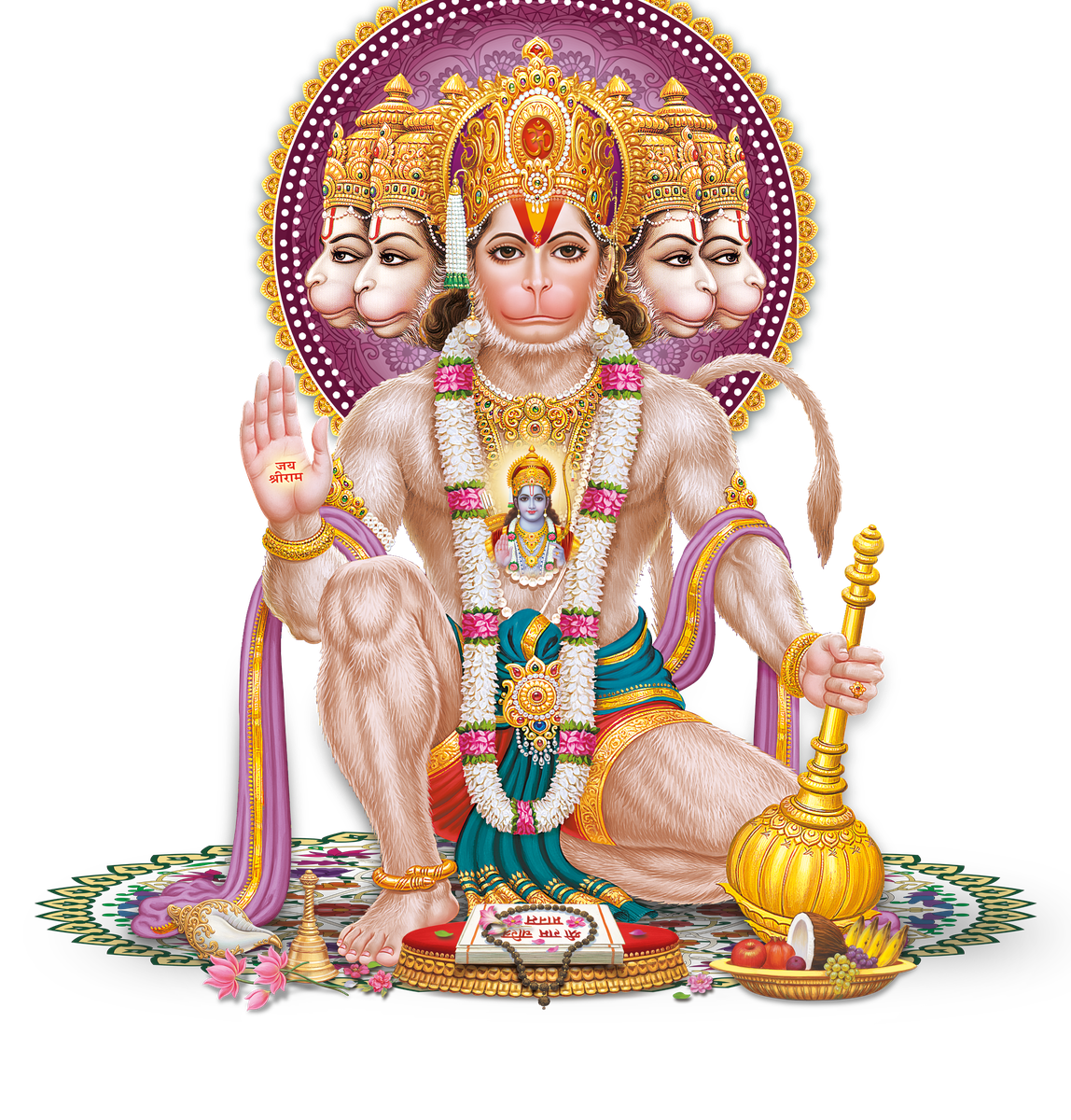
Preparation: Sit before an image or idol of Hanuman ji, light a diya with til or mustard oil, offer sindoor, chameli oil and a garland if available, and keep the mind calm and focused.
Method: Read the full text (from an authentic printed source) with devotion, ideally not stopping midway. Many devotees pair it with a simultaneous prayer describing their specific ailment or difficulty, offered in their own words at the end, along with the Hanuman Chalisa.
Mala: Not compulsory; the stotra is generally read as a whole rather than counted in a mala.
Do's and Don'ts
Do chant it with sincere faith and patience, especially during a prolonged illness. Do continue medical treatment alongside this prayer — Hanuman Bahuk is a spiritual support, not a replacement for medical care. Do maintain a satvik lifestyle (avoiding alcohol and non-vegetarian food) on days you recite it, as is customary in Hanuman worship. Avoid reciting it carelessly or in a rush; avoid superstition or fear-based practices in its name — its spirit is one of courage and surrender, not dread.
Mahatmya (Glory)
The enduring glory of Hanuman Bahuk lies in its origin story itself: a great saint, in real physical agony, turned to Hanuman not with formal ritual but with raw, personal devotion — and found relief. This is why the Bahuk continues to be recited by devotees across generations whenever illness, pain or fear becomes hard to bear, as a reminder that Hanuman's strength and compassion are available to every sincere devotee, exactly as they were to Tulsidas.
Frequently Asked Questions
This section addresses common questions about Hanuman Bahuk.
Quick guide
Before you begin
Mantra
Hanuman mantra
Om Hanumate Namah
Chant on Tuesday or Saturday for strength, protection, and devotion.
Bhav
Benefits devotees pray for
FAQ
Common questions
What is the story behind Hanuman Bahuk?
Tradition holds that Tulsidas composed it while suffering from severe pain in his arm, pouring his agony before Bhagwan Hanuman and recalling his glorious deeds; he is believed to have been healed through this heartfelt prayer.
How is Hanuman Bahuk different from Hanuman Chalisa?
The Hanuman Chalisa is a compact forty-verse praise, while Hanuman Bahuk is a longer, about forty-four verse composition in varied chhand meters, focused especially on invoking protection from pain, illness and negative influences.
When should Hanuman Bahuk be recited?
It is especially chanted on Tuesdays and Saturdays, and daily during a period of illness, pain or hardship, alongside regular Hanuman worship.
Can Hanuman Bahuk replace medical treatment?
No. It is a spiritual support meant to be chanted alongside proper medical care, not as a substitute for consulting a qualified doctor.
Seek Hanuman Ji's Protection
Book an authentic Hanuman puja for health and protection, or explore more sacred stotras and paths on Divya Chadhava.