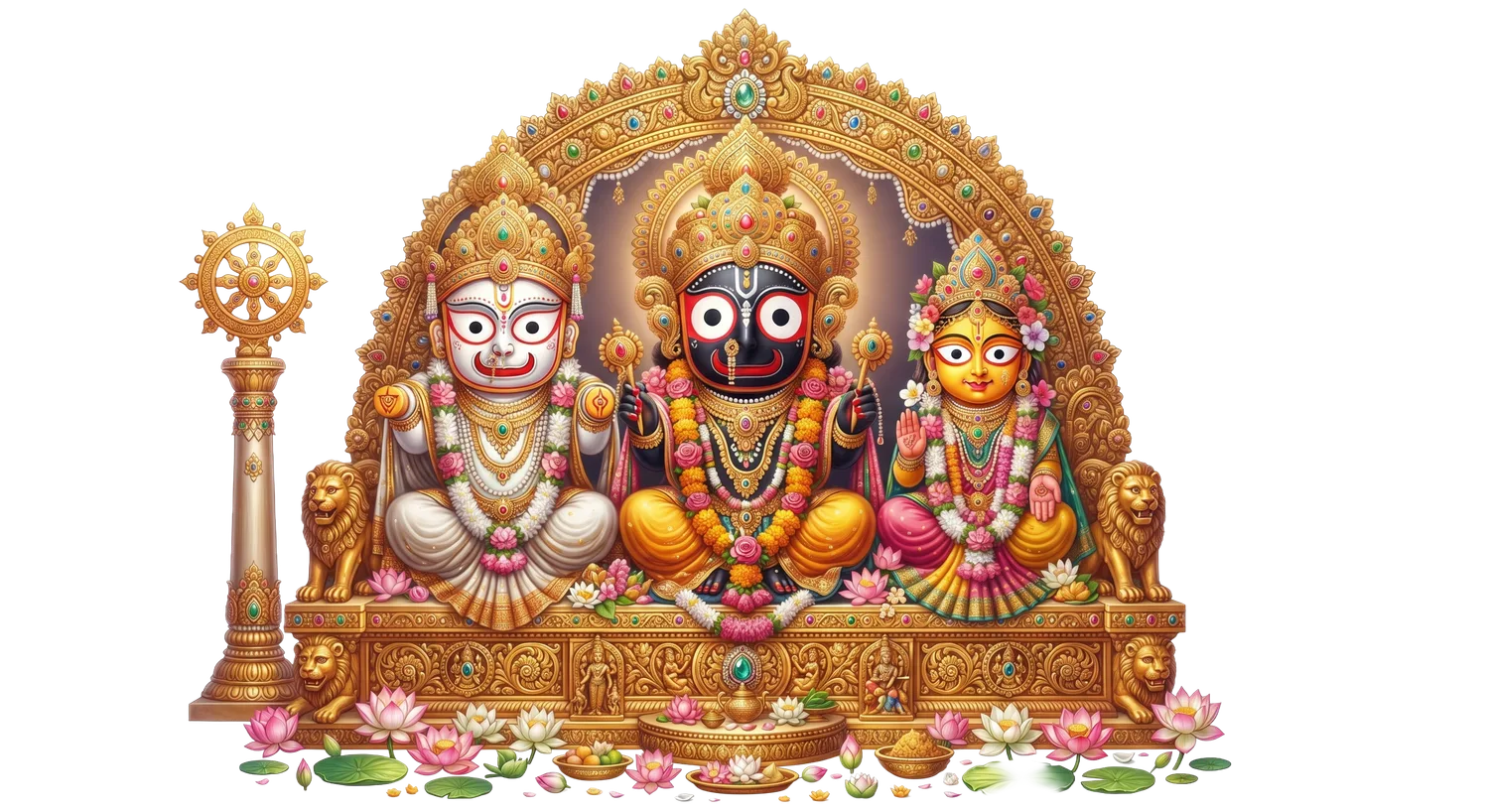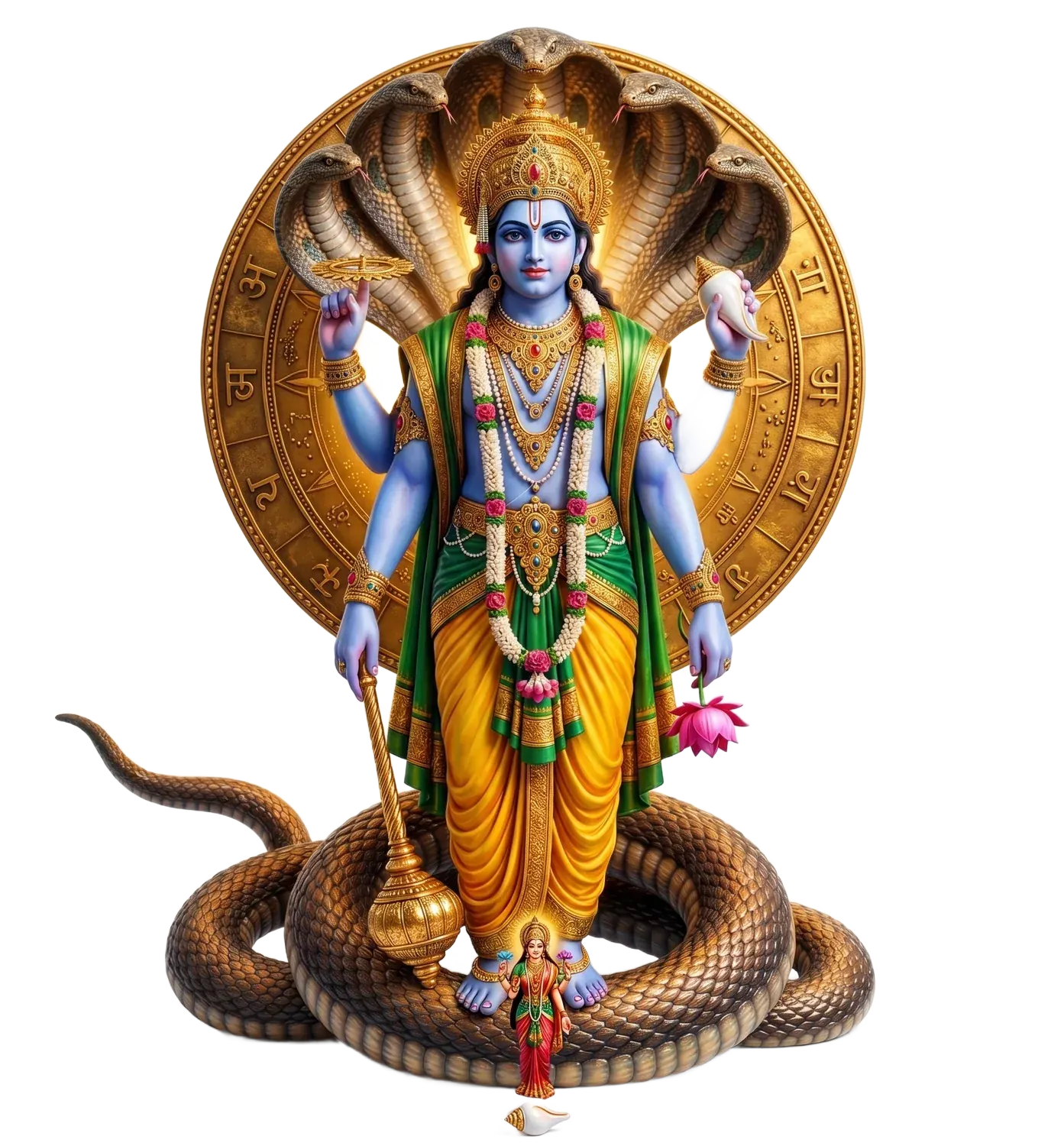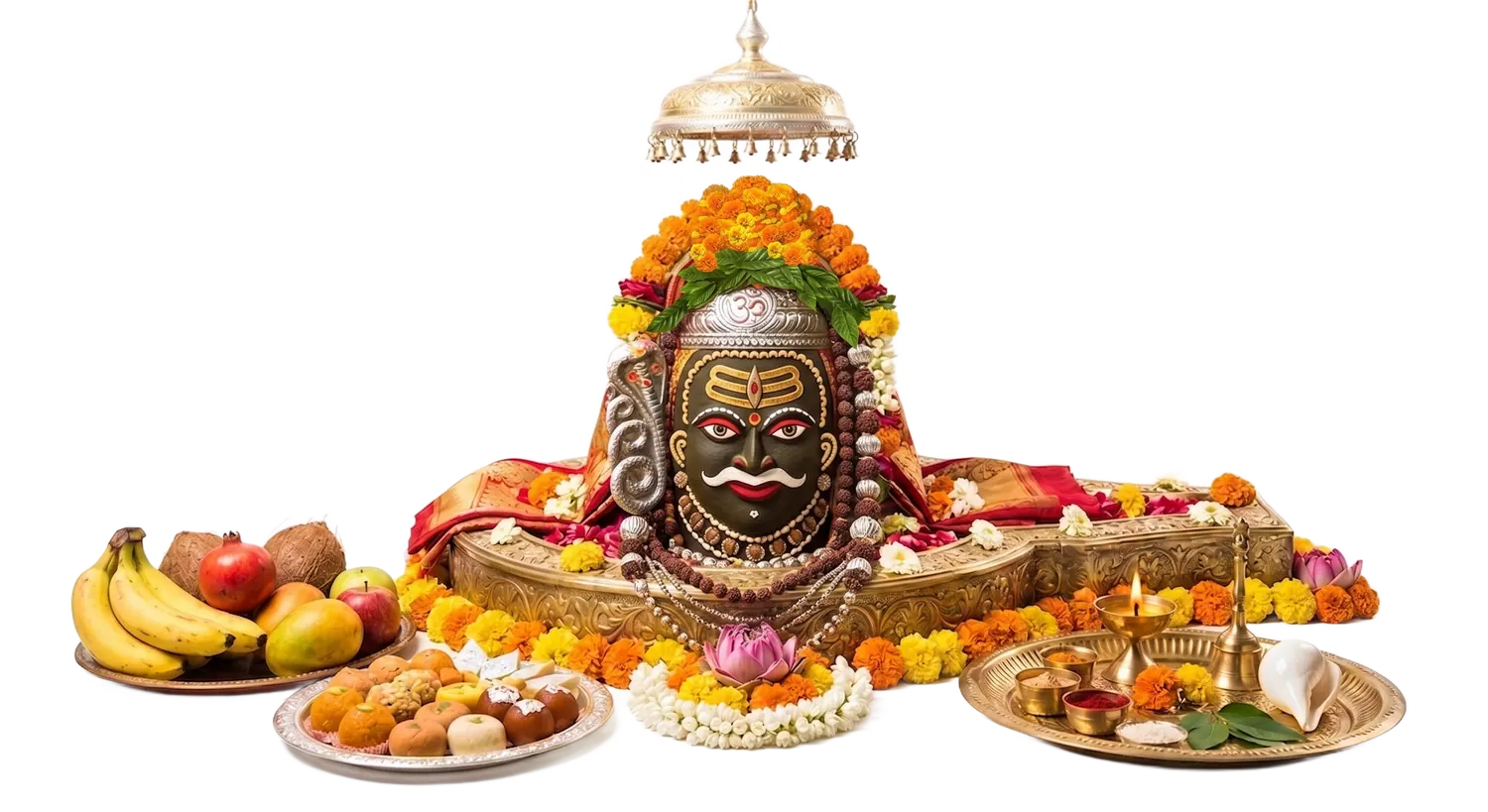



 गुरुर्ब्रह्मा गुरुर्विष्णुः गुरुर्देवो महेश्वरः
Guru Purnima, the full moon of Ashadh, honors Maharshi Ved Vyas and every guru who lifts a disciple from ignorance to wisdom.
What Is Guru Purnima
Guru Purnima is celebrated every year on the full moon (Purnima) of the Hindu month of Ashadh, usually falling in June or July. It is the day on which Indian tradition sets aside every other pursuit to remember one truth: whatever knowledge, direction, or inner light we carry in this life, we received it from a guru. The word guru itself is built from gu, meaning darkness, and ru, meaning the one who removes it. A guru is, quite literally, the remover of darkness.
This day is also known as Vyasa Purnima, because it marks the birth anniversary of Maharshi Ved Vyas, the sage who compiled the four Vedas, wrote the eighteen Puranas, composed the Mahabharata, and is traditionally credited with the Brahma Sutras. Ved Vyas is regarded as the Adi Guru, the first guru of the Vedic tradition, because before him the vast, scattered Vedic knowledge existed only in fragments passed from mouth to mouth. He organized, classified, and preserved it so that it could reach every generation after him. For this singular act of preserving dharma itself, all gurus who transmit knowledge in his lineage are honored on his birthday.
The Katha of Maharshi Ved Vyas
The story goes back to the sage Parashar and the fisherwoman Satyavati, whose union, blessed and extraordinary, gave birth to a son on an island in the river Yamuna. Because of his birth on that island (dwipa) and his dark complexion (krishna), the child was named Krishna Dwaipayana. Even as an infant, he was no ordinary being; he possessed the wisdom of ages within him. He told his mother that whenever she needed him, she had only to think of him and he would appear.
As he grew, Krishna Dwaipayana saw that the eternal knowledge of the Vedas, revealed to the rishis in deep meditation, existed only as an oral ocean, too vast for any one person to master and too fragile to survive intact across a Kali Yuga in which memory, discipline, and lifespan would shorten. Moved by compassion for future generations who would not have the capacity to hold the whole of this knowledge, he undertook one of the greatest intellectual and spiritual labors ever recorded: he divided the single Veda into four, Rig, Yajur, Sama, and Atharva, so that each could be studied, preserved, and transmitted more easily. For this monumental act of division and organization, he was given the title Ved Vyas, Vyas meaning the one who arranges or divides.
He did not stop there. He taught the four Vedas to four principal disciples, Paila, Vaishampayana, Jaimini, and Sumantu, each becoming a guru of that particular Veda in turn, so a living chain of transmission, a guru parampara, would carry the knowledge forward. He composed the Puranas to make the essence of the Vedas accessible even to those who could not master the Vedic language, and he composed the Mahabharata, the great epic containing the Bhagavad Gita, so that dharma itself could be taught through story and through Krishna's own words to Arjuna.
Later in the Dwapara Yuga, four rishi brothers, Sanaka, Sanandana, Sanatana, and Sanatkumara, are said to have approached Ved Vyas and, satisfied that he had done what none before him could, blessed him and declared that this day, the full moon of Ashadh, would forever be celebrated as the day of the guru, a day when every disciple honors the one who gave them light. From that moment, Vyasa Purnima became Guru Purnima, celebrated not only for Ved Vyas but for every guru in every lineage who continues his work of removing darkness.
Why We Honor the Guru
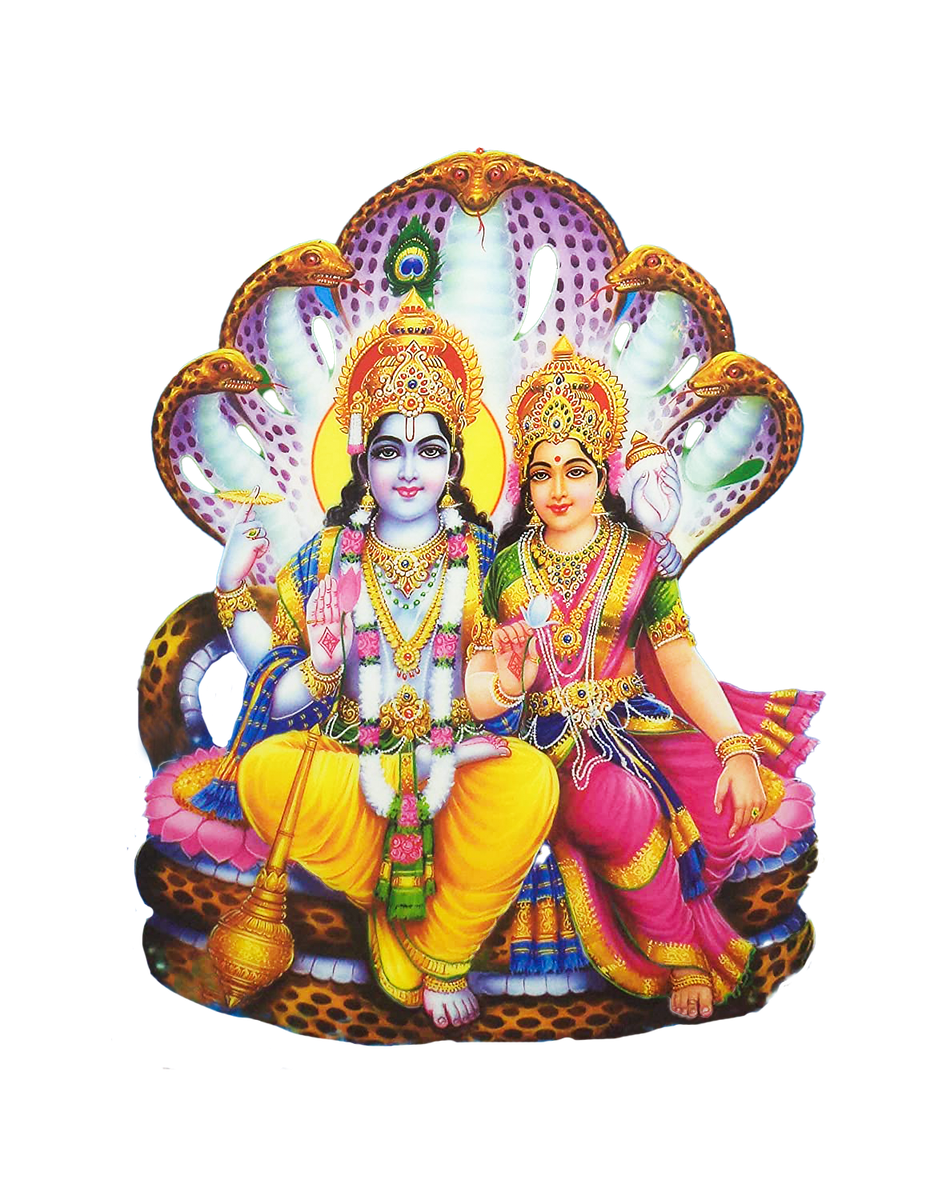
In the Sanatan tradition, the guru occupies a place higher than even the deities in the moment of teaching, because it is the guru who reveals the deities, the scriptures, and the self to the seeker. The verse chanted on this day says it plainly: Guru is Brahma, the creator, because the guru creates a new understanding within us. Guru is Vishnu, the sustainer, because the guru sustains us through doubt and difficulty on the path. Guru is Maheshwara, Shiva, because the guru destroys ignorance the way Shiva destroys illusion. And beyond even these three, the guru is the very form of the Supreme Brahman itself, salutations to that guru.
A guru need not always be a spiritual teacher in the formal sense. Parents who raise us, teachers who educate us, elders who correct us, and anyone whose guidance turns us from a lesser path to a better one is, in some measure, a guru to us. Guru Purnima is the day to remember all such figures with gratitude, not only the renunciate sitting in an ashram.
Puja Vidhi and How to Observe the Day
On Guru Purnima morning, devotees rise early, bathe, and wear clean clothes before beginning any ritual. A simple altar or picture of one's guru, or of Ved Vyas, Adi Shankaracharya, or one's own family guru, is placed and offered a diya, incense, flowers, and fruit. Many disciples visit their living guru in person, touch their feet, offer a garland, cloth, or dakshina according to their means, and seek their blessing for the year ahead.
Those who do not have a living guru in the formal sense read from or recite verses in honor of Ved Vyas, chant Om Namah Shivaya or the Guru Gita, and spend time in study of the Bhagavad Gita or another scripture as an act of reverence toward the source of knowledge itself. Some observe a simple fast till evening, breaking it only after the puja and a satvik meal. The day is also traditionally used by sannyasis to begin Chaturmas, the four-month period of study, teaching, and reduced travel that follows the monsoon's arrival.
Whatever form the observance takes, the spirit is the same: a day of humility, where the disciple sets aside ego and acknowledges that no achievement in life was made alone, that someone, at some point, lit a lamp for us in the dark.
Benefits and Mahatmya
Scriptures describe Guru Purnima as a day of exceptional merit for anyone who honors their guru with sincerity. It is said to remove obstacles on the path of knowledge, strengthen memory and understanding, and open the heart to receive further teaching. Because gratitude is itself a purifying force, expressing it on this day is believed to dissolve the subtle pride that blocks spiritual growth. Families that teach children to touch the feet of elders and teachers on this day are, in effect, passing the guru parampara forward one more generation.
FAQ
Answered below are the questions devotees most often ask about Guru Purnima.
Quick guide
Before you begin
Mantra
Vishnu mantra
Om Namo Bhagavate Vasudevaya
Chant before katha or aarti while praying for protection, dharma, and peace.
Bhav
Benefits devotees pray for
FAQ
Common questions
Why is Guru Purnima also called Vyasa Purnima?
Because this full moon of Ashadh is the birth anniversary of Maharshi Ved Vyas, who compiled the Vedas, composed the Puranas and the Mahabharata, and is honored as the Adi Guru of the Vedic tradition.
What if I do not have a living guru to visit?
You can honor Ved Vyas, your family's guru parampara, or a guru figure such as a teacher or elder who shaped your life. Chanting Om Namah Shivaya, reading the Bhagavad Gita, or simply expressing gratitude in your heart is a genuine observance.
Is fasting compulsory on Guru Purnima?
No. Fasting is optional. The essential practice is reverence and gratitude toward one's guru; those who wish may keep a simple satvik fast till the puja is complete.
How should I perform Guru Purnima puja at home?
Bathe and wear clean clothes, place a picture of your guru or Ved Vyas, offer a diya, incense, flowers and fruit, chant a guru mantra or read the Guru Gita, and if possible, visit and touch the feet of your living guru or elders.
Honor Your Guru with a Sankalp Puja
Let our pandits perform a dedicated puja in your name and gotra on Guru Purnima, offering gratitude to your guru parampara.