

 ॐ सह नाववतु सह नौ भुनक्तु
The four Vedas, Rig, Sama, Yajur and Atharva, are the oldest and most sacred scriptures of Sanatan Dharma, forming the foundation of Hindu knowledge and worship.
The Vedas are the oldest and most revered scriptures of Sanatan Dharma, considered Shruti, meaning that which was directly heard or revealed to ancient rishis in deep states of meditation, rather than authored by any human hand. Composed in Vedic Sanskrit over thousands of years, the four Vedas, Rigveda, Samaveda, Yajurveda and Atharvaveda, form the bedrock of Hindu philosophy, ritual, cosmology and spiritual practice.
What Are the Vedas
The word Veda comes from the Sanskrit root vid, meaning to know, and the Vedas are understood as the ultimate source of sacred knowledge. Traditionally, each Veda is divided into four parts: the Samhitas, which are collections of hymns and mantras; the Brahmanas, which explain ritual procedures and their meanings; the Aranyakas, forest texts meant for contemplative study; and the Upanishads, the profound philosophical texts exploring the nature of the self, Brahman and ultimate reality.
While the Vedas are vast and complex, their core purpose can be understood simply: they preserve the wisdom needed to live in harmony with dharma, to perform correct worship and ritual, and to understand the deepest truths of existence.
Rigveda: The Veda of Hymns
The Rigveda is the oldest of the four Vedas and one of the oldest religious texts in the world, believed to have been composed over 3,000 years ago. It consists of 1,028 hymns, called suktas, organised into ten books known as Mandalas, primarily composed of verses, or Riks, praising various deities such as Agni, Indra, Varuna, Surya and Ushas.
The Rigveda is essentially a collection of prayers and praises recited during Vedic rituals, capturing the ancient rishis' profound reverence for the forces of nature and the cosmos. It also contains some of the earliest philosophical hymns in human history, such as the Nasadiya Sukta, which poetically contemplates the mystery of creation itself, questioning even the gods about the origin of existence.
Samaveda: The Veda of Melody
The Samaveda is often called the Veda of music or chant, as it consists largely of verses drawn from the Rigveda but set to specific musical notations and melodies, known as Samagana. These melodic renditions were sung by a specific class of priests called Udgatris during Soma sacrifices and other elaborate Vedic rituals.
The Samaveda is considered the root of Indian classical music tradition, as its structured system of musical notation is believed to have influenced the later development of raga and tala in Indian classical music. Lord Krishna himself declares in the Bhagavad Gita, Vedanam Samavedosmi, meaning Among the Vedas, I am the Samaveda, highlighting its special significance.
Yajurveda: The Veda of Rituals
The Yajurveda focuses primarily on the practical aspects of performing Yagnas and Havans, containing detailed prose formulas, instructions and mantras, known as Yajus, that priests would recite while performing specific ritual actions. Unlike the poetic hymns of the Rigveda, the Yajurveda is largely instructional, serving as a practical manual for conducting Vedic sacrifices correctly.
The Yajurveda exists in two major recensions: the Shukla, or White Yajurveda, which presents the mantras separately from their ritual explanations, and the Krishna, or Black Yajurveda, which intermixes mantras with prose commentary. This Veda was essential for the Adhvaryu priests, who were responsible for the physical execution of sacrificial rituals.
Atharvaveda: The Veda of Daily Life
The Atharvaveda is somewhat distinct from the other three Vedas in both content and character. While the earlier three Vedas, sometimes called the Trayi Vidya, focus primarily on formal sacrificial rituals, the Atharvaveda contains hymns, spells and charms addressing everyday concerns: healing illness, protection from harm, prosperity, household harmony, and even matters of medicine and herbal remedies.
It reflects the practical, lived spirituality of ancient Vedic society, addressing fears, hopes and daily struggles alongside profound philosophical hymns. The Atharvaveda is also considered an important early source for Ayurveda, the traditional system of Indian medicine, as it contains numerous references to herbs, healing practices and the treatment of various ailments.
Why the Vedas Matter Today
Although composed thousands of years ago, the Vedas continue to shape Hindu worship, philosophy and daily life. Mantras chanted during weddings, havans, and daily puja often trace their origin directly to Vedic hymns. The philosophical concepts explored in the Upanishads, such as Atman, Brahman and the nature of consciousness, continue to inform Hindu spiritual thought and practice to this day.
Even for devotees who may never study the Vedas in their original Sanskrit form, understanding their basic structure and purpose deepens appreciation for the rituals, mantras and traditions practised in temples and homes across India. The Vedas remain, as they have for millennia, the foundational wellspring of Sanatan Dharma's spiritual and cultural heritage.
Quick guide
Before you begin
Mantra
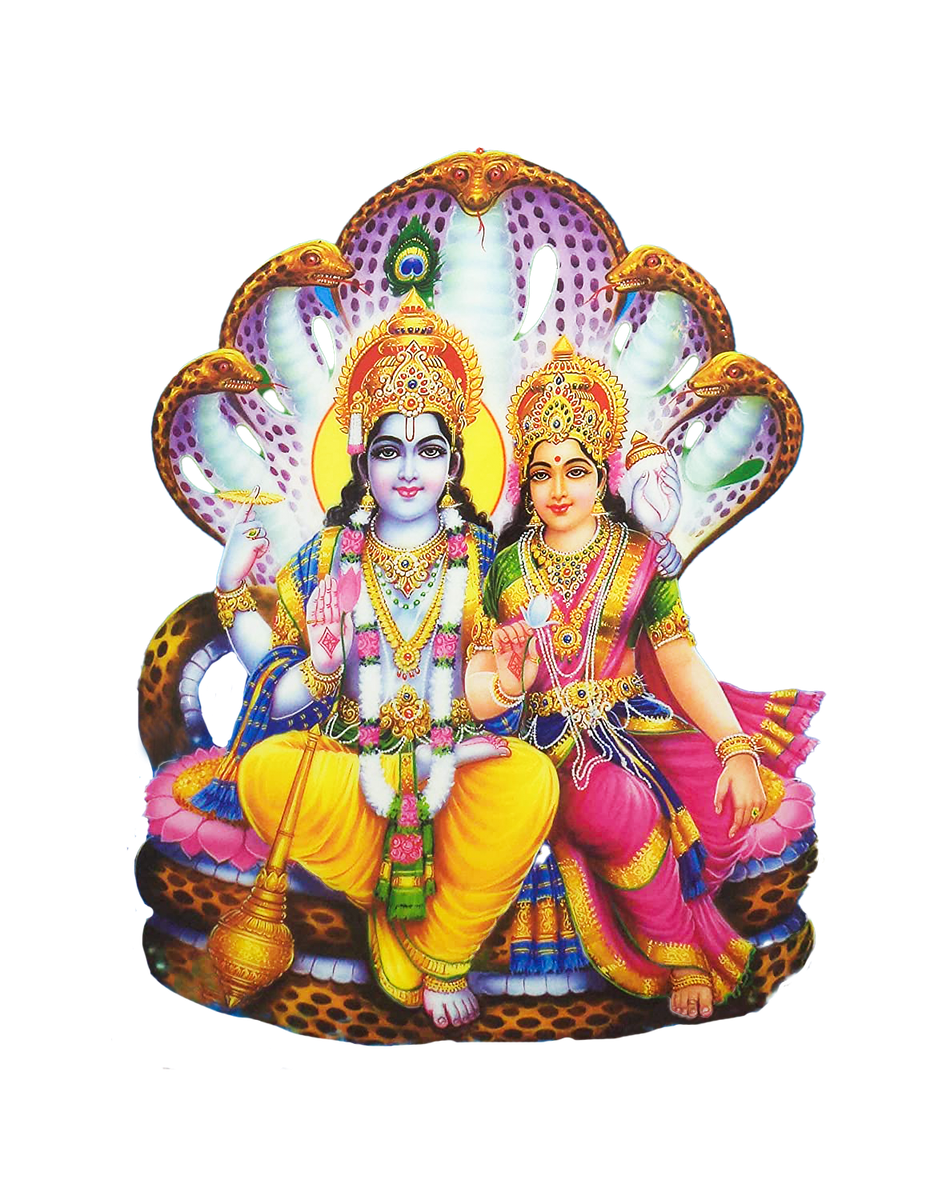
Vishnu mantra
Om Namo Bhagavate Vasudevaya
Chant before katha or aarti while praying for protection, dharma, and peace.
Bhav
Benefits devotees pray for
FAQ
Common questions
Which is the oldest of the four Vedas?
The Rigveda is the oldest of the four Vedas, believed to have been composed over 3,000 years ago, and is one of the oldest religious texts known in the world.
What is the difference between Shruti and Smriti?
Shruti refers to texts like the Vedas, believed to be directly revealed to ancient rishis and preserved through oral tradition. Smriti refers to texts composed by human authors, such as the Puranas, Ramayana and Mahabharata, which draw upon and interpret Vedic wisdom.
Are the Upanishads part of the Vedas?
Yes, the Upanishads form the final, most philosophical section of each Veda, known as Vedanta, meaning the culmination of Vedic knowledge, exploring the nature of the self, Brahman and ultimate reality.
Which Veda is associated with Ayurveda?
The Atharvaveda is considered closely connected to Ayurveda, as it contains numerous hymns and references related to healing, herbs and the treatment of illness.
Explore Sacred Vedic Wisdom
Deepen your connection to Sanatan Dharma with authentic pujas rooted in Vedic tradition.