 ॐ श्रीं ह्रीं क्लीं ऐं वज्रवैरोचनीये हूं हूं फट् स्वाहा
The Chinnamasta Yantra channels the fierce, self-sacrificing energy of Maa Chinnamasta, the sixth Mahavidya, believed to grant courage, mastery over desire and profound inner transformation.
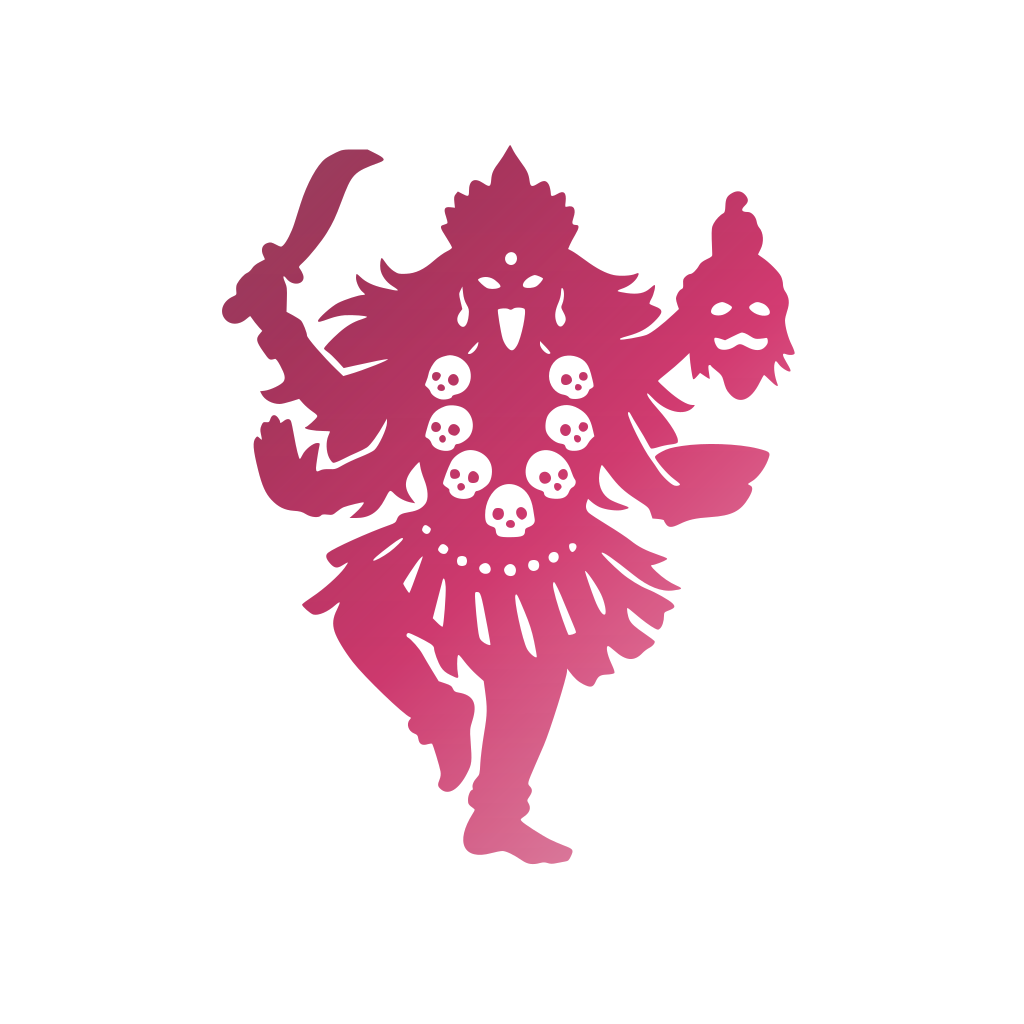
Maa Chinnamasta is the sixth of the ten Mahavidyas, and among the most striking and profound of the Dus Mahavidya forms of Adi Shakti. Her name means "the one whose head is severed," referring to her extraordinary iconography in which she is depicted holding her own severed head in one hand, while three streams of blood flow from her neck — one entering her own mouth, and the other two nourishing her two attendants. Though her form may appear intense, she embodies one of the deepest spiritual truths in Sanatan Dharma: the transcendence of the ego and the body, and the mastery of life-force (prana) beyond fear of death. The Chinnamasta Yantra is the sacred geometric form through which her energy is invoked for inner transformation, courage and liberation from the grip of desire and illusion.
Who is Maa Chinnamasta
According to the Puranic accounts, Maa Chinnamasta once went with her two attendants, Dakini and Varnini, to bathe in a river. When her companions grew hungry, the Devi, in her boundless compassion, severed her own head with her nails to feed them with her own blood, demonstrating the ultimate act of self-giving and mastery over the body. In this form, she stands upon Kama and Rati (representing desire), symbolising the transcendence of physical desire and worldly attachment through spiritual power. Her severed head, held aloft, represents the mind freed from the identification with the body, having gone beyond the fear of death itself.
Chinnamasta is deeply connected to the practice of kundalini yoga and is regarded by many tantric traditions as a form representing the awakening and control of prana, the vital life-force, moving beyond ordinary consciousness into spiritual mastery. She teaches that true power arises not from clinging to the body or ego, but from complete surrender and self-offering to the divine.
Understanding the Chinnamasta Yantra
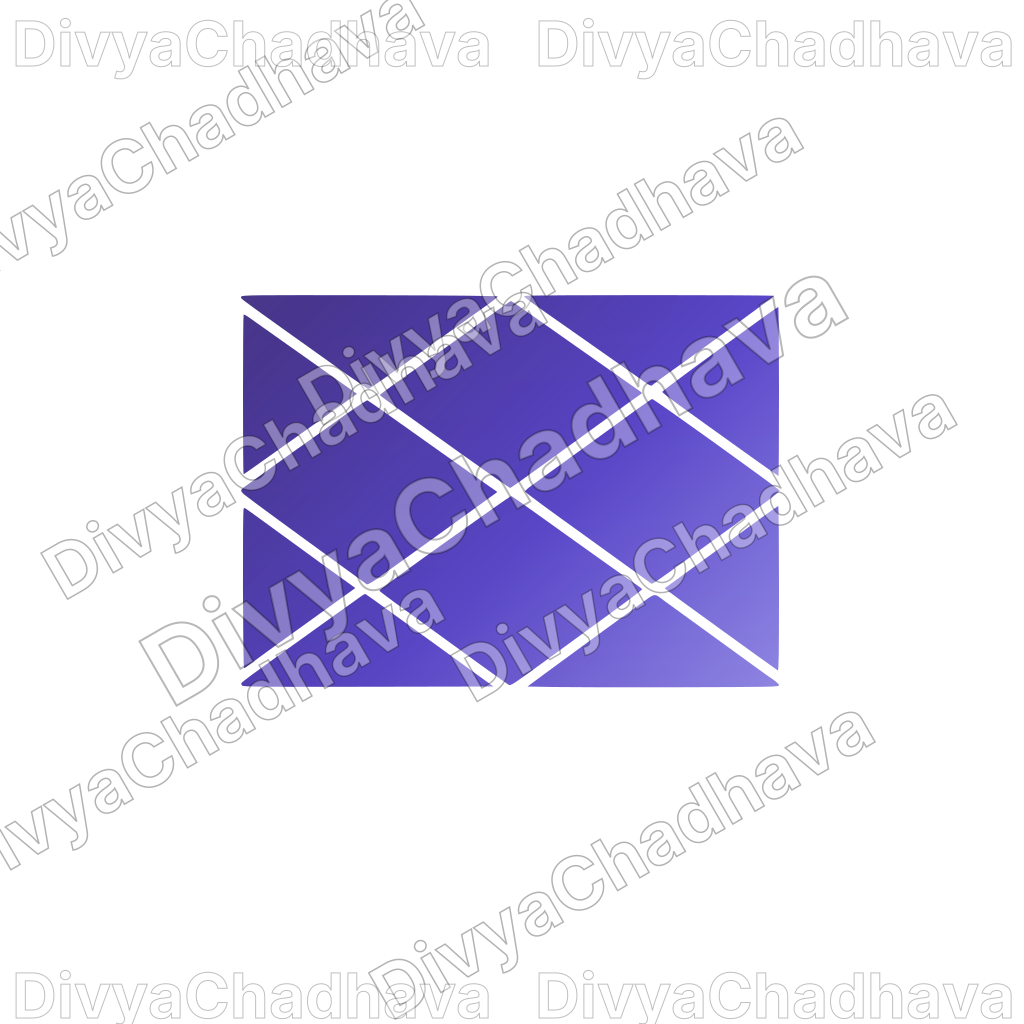
The Chinnamasta Yantra, like other Mahavidya yantras, is constructed of interlocking triangles representing the union and dynamic tension of Shiva and Shakti, enclosed within a lotus of petals and a protective bhupura square with gateways. At its heart lies the bindu, symbolising the pure, undivided consciousness that remains after the ego-identification with the body has been severed, exactly as depicted in Maa Chinnamasta's iconography.
Meditating upon this yantra is believed to help the practitioner gradually let go of fear, particularly the fear of death, failure and loss of control, and to develop mastery over base desires and impulsive cravings. It is considered a powerful tool for those on a serious spiritual path seeking to move beyond ego-driven living towards a state of fearless self-awareness.
Benefits of Worshipping the Chinnamasta Yantra
Devotees who worship the Chinnamasta Yantra with sincerity and guidance seek courage in the face of major life fears, particularly fear of failure, illness or death. It is also invoked for gaining self-control over addictive habits, excessive desires and impulsive behaviour, since Chinnamasta's form itself represents victory over the forces of Kama, unchecked desire. Practitioners on the path of deep meditation and kundalini awakening are drawn to her yantra as a support for their sadhana, believing it aids the safe rise of spiritual energy and mental clarity. She is also worshipped for cutting through confusion, stagnant patterns and self-defeating cycles that keep a person trapped, offering a decisive, transformative breakthrough.
A Note of Caution and Reverence
Because Maa Chinnamasta's energy is considered extremely potent and her sadhana relatively advanced within tantric tradition, it is strongly advised that her yantra and mantra be approached only with sincerity, humility, and ideally under the guidance of a learned and trustworthy guru or pandit, particularly for elaborate ritual worship. For most householders, simple, gentle daily worship — lighting a diya, offering flowers, and chanting her name with devotion and respect — is entirely appropriate and safe, and does not require elaborate tantric initiation. As with all the Mahavidyas, her worship must always remain within the framework of dharma — used only for self-transformation, courage and inner growth, never for harming another or for any adharmic purpose.
How the Chinnamasta Yantra is Installed and Worshipped
The yantra should be placed in a clean, sanctified corner of the home, ideally facing east or north, at a proper elevated height, never on the floor. It is purified with Gangajal before installation, and a simple invocation is offered inviting Maa Chinnamasta's benevolent, transformative presence to reside within it. Daily worship involves a lit diya, red flowers, a little water or milk, and heartfelt chanting of her mantra. Tuesdays, and the eighth and fourteenth tithis of each paksha, along with Navratri, are considered auspicious days for her worship.
The Chinnamasta Mantra
The widely used mantra for Maa Chinnamasta is: "Om Shreem Hreem Kleem Aim Vajravairochaniye Hoom Hoom Phat Swaha." This is traditionally chanted with a rudraksha mala, 108 times, in a calm and sincere state of mind, ideally in the early morning or during twilight hours.
The Deeper Teaching
The essence of Chinnamasta's worship is the lesson that true spiritual freedom comes from releasing the ego's grip and the fear that binds us to the body and to worldly desire. Just as she offers her own life-force selflessly to nourish others, her devotees are reminded that the highest strength lies in surrender, self-giving and fearlessness, not in clinging or control. Approached with reverence and purity of intent, the Chinnamasta Yantra becomes a powerful companion for anyone seeking to break free from old fears and patterns and step into a life of courage, clarity and spiritual maturity.
Quick guide
Before you begin
Mantra
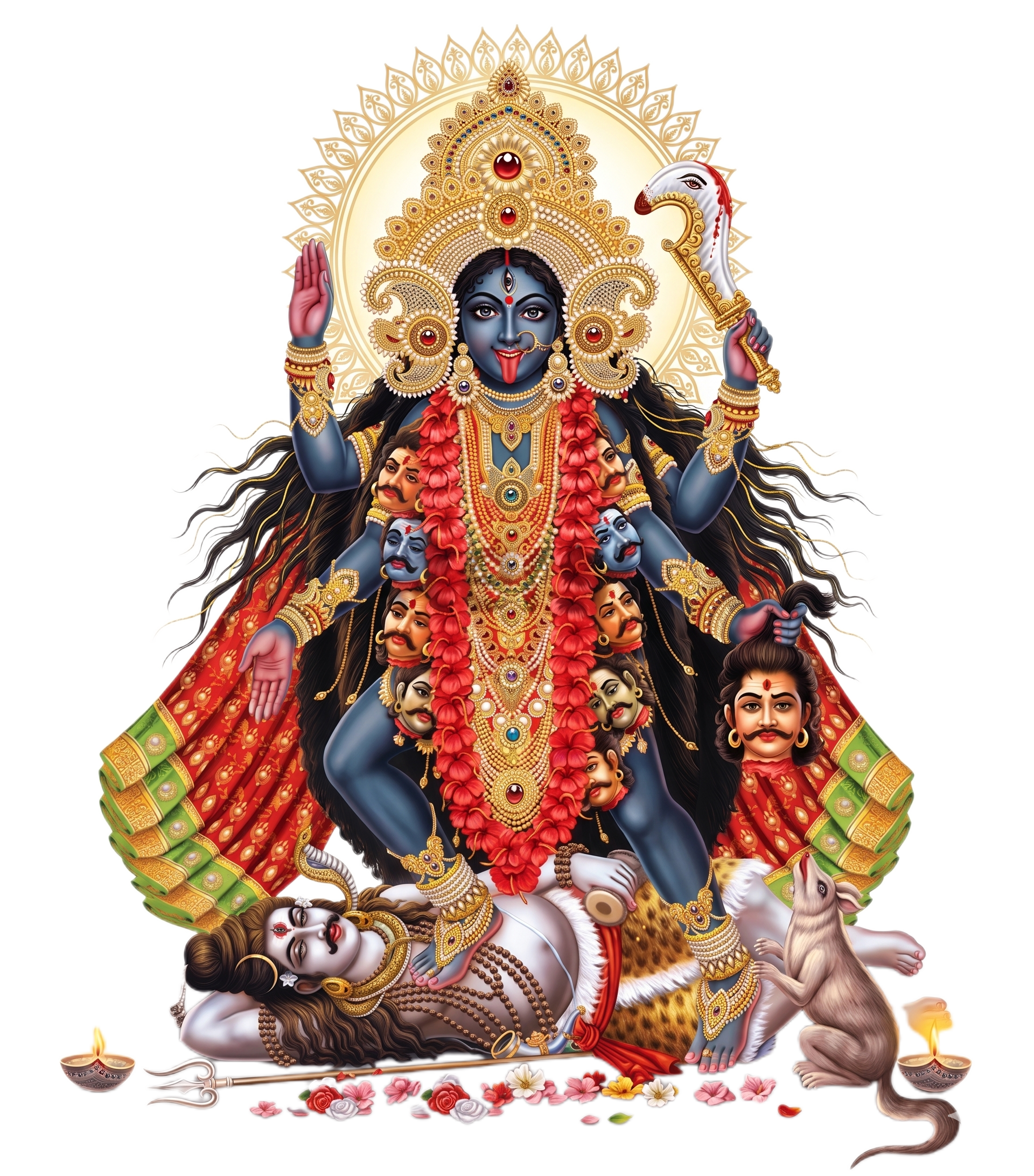
Kali mantra
Om Kreem Kalikayai Namah
Chant with humility while praying for courage, protection, and transformation.
Bhav
Benefits devotees pray for
FAQ
Common questions
What does Maa Chinnamasta's severed head symbolise?
It symbolises transcendence of the ego and the fear of death, representing the mind's freedom from identification with the body.
Is Chinnamasta worship safe for beginners?
Simple, gentle daily worship with a diya, flowers and heartfelt chanting is safe for all; elaborate tantric ritual is best done under a learned guru's guidance.
What benefits does the Chinnamasta Yantra offer?
It is believed to grant courage, self-control over desires and addictive habits, mental clarity, and the ability to break free from stagnant, self-defeating patterns.
Can Chinnamasta worship be used to harm someone?
No. Her worship, like all Mahavidyas, must remain strictly within dharma, used only for self-transformation and inner growth, never for harming others.
Seek Maa Chinnamasta's Transformative Grace
Let our pandits perform a sankalp-based puja on your behalf for courage, self-mastery and inner transformation.