
 उत्तराखंड की पावन यात्रा
A complete guide to the Chota Char Dham of Uttarakhand — Yamunotri, Gangotri, Kedarnath and Badrinath — their legends, deities, route and yatra tips.
Nestled amid the towering peaks of the Garhwal Himalayas in Uttarakhand, the Chota Char Dham (Small Four Abodes) — Yamunotri, Gangotri, Kedarnath and Badrinath — form one of the most revered pilgrimage circuits in Sanatan Dharma. Distinct from the original Char Dham established by Adi Shankaracharya across the four corners of India (Badrinath, Puri, Dwarka, Rameswaram), the Chota Char Dham is a Himalayan circuit specific to Uttarakhand, believed to be the origin points of India's holiest rivers and the abodes of Shiva and Vishnu at the source of the Ganga's tributaries.
Undertaking this yatra is considered one of the most spiritually powerful journeys a devotee can make, both for the physical austerity of the high-altitude trek and for the profound sense of divine presence at each shrine. The circuit is traditionally travelled in the order of Yamunotri, Gangotri, Kedarnath and Badrinath, opening each year around Akshaya Tritiya (April-May) and closing around Bhai Dooj/Diwali (October-November) due to heavy Himalayan snowfall.
Yamunotri: Source of the Yamuna
Yamunotri, the westernmost of the four dhams, is dedicated to Goddess Yamuna, the sacred river-goddess and sister of Yamraj, the god of death. According to legend, bathing in the Yamuna near its source protects a devotee from an untimely, painful death, since Yamuna herself blessed that those who bathe in her waters with devotion would be spared her brother's harsh judgment. The temple sits near Kalindi Parvat, close to the actual glacial source of the river, and the site is also known for the Surya Kund, a natural hot water spring where devotees cook rice and potatoes wrapped in cloth as prasad, believed to be blessed by the geothermal heat as a divine offering.
Gangotri: Source of the Ganga
Gangotri is dedicated to Goddess Ganga, the holiest river in Sanatan Dharma. According to the Puranas, King Bhagirath performed intense penance for years to bring the celestial Ganga down to Earth to liberate the souls of his 60,000 ancestors, who had been reduced to ashes by the curse of Sage Kapila. Lord Shiva, seeing the Ganga's immense force would devastate the Earth upon descent, agreed to receive her in His matted locks (jata), releasing her gently onto the earth — this is why Shiva is called Gangadhara. The actual glacial source of the Ganga, Gaumukh, lies about 18 km beyond the Gangotri temple and is a sacred trek in itself. The temple was built by the Gorkha commander Amar Singh Thapa in the early 19th century at the spot where Ganga is believed to have first touched the earth.
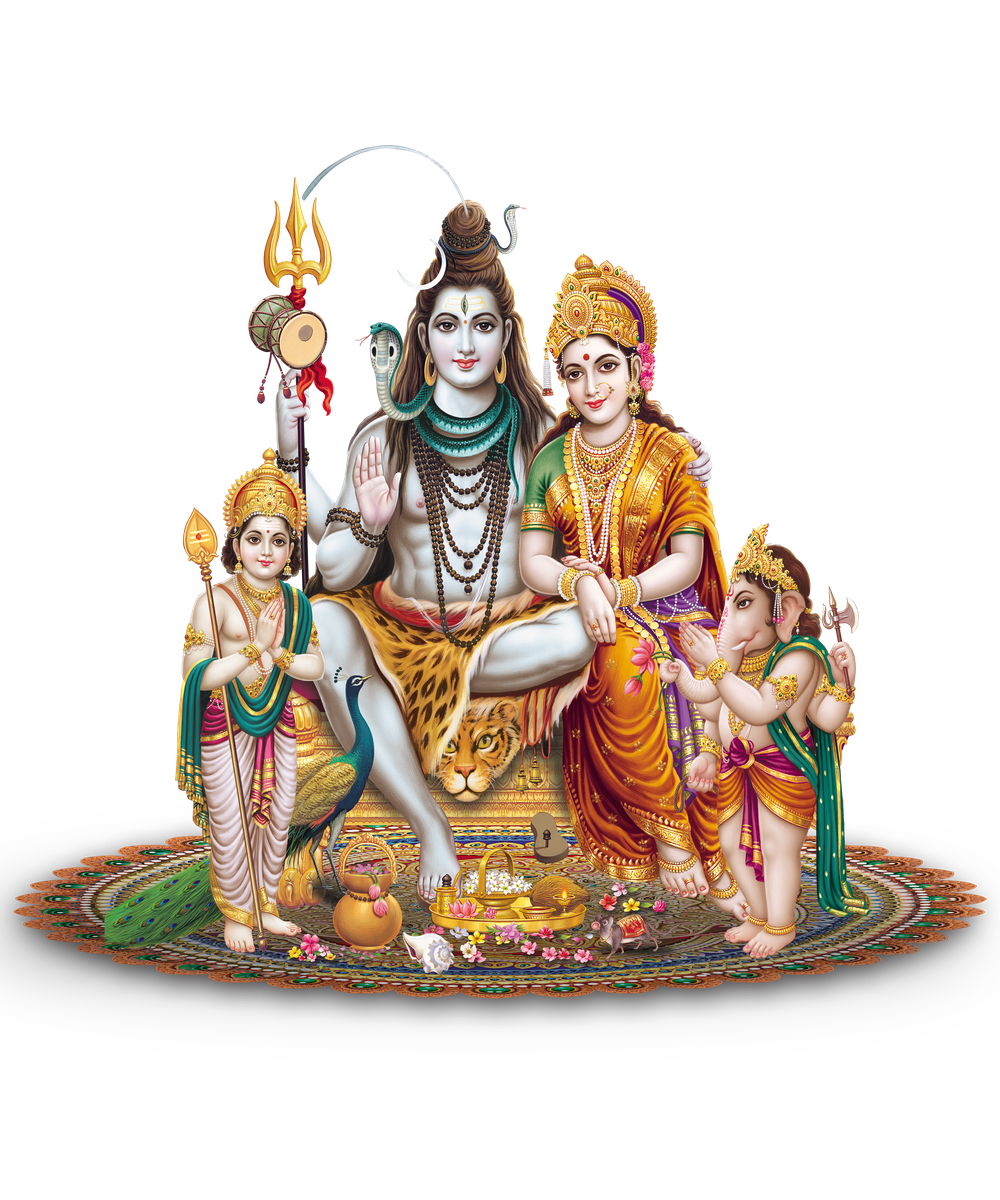
Kedarnath: Abode of Shiva
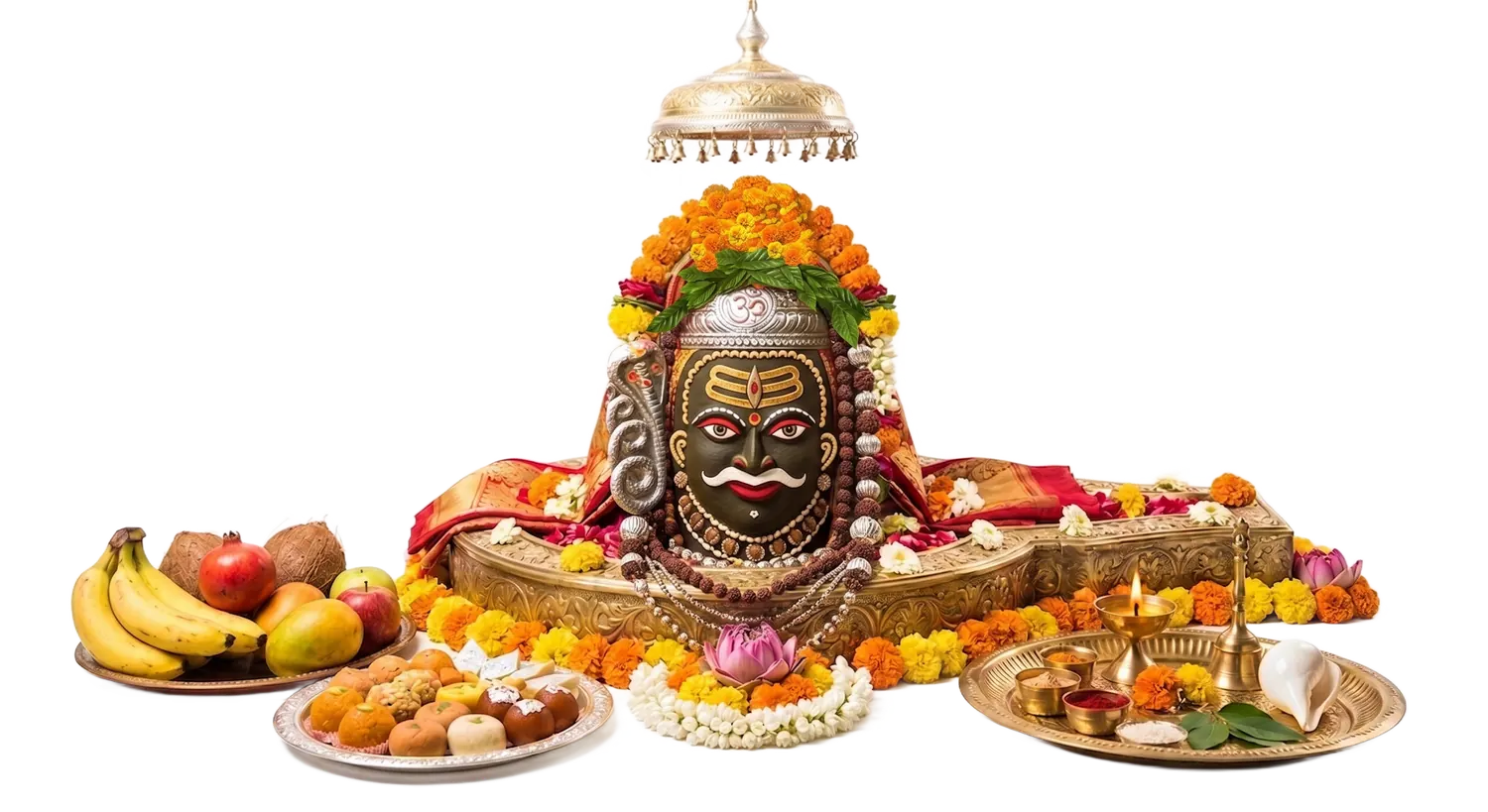
Kedarnath, one of the twelve Jyotirlingas of Lord Shiva, is among the most sacred and challenging of the four dhams, set at an altitude of about 3,583 metres. According to the Mahabharata, the Pandavas, seeking penance for the sin of killing their own kin during the Kurukshetra war, sought Lord Shiva's forgiveness, but Shiva, wishing to avoid them, transformed into a bull and hid among the cattle at Guptakashi. When Bhima recognised him, Shiva dove into the ground, leaving behind his hump, which is worshipped at Kedarnath as the Jyotirlinga to this day (with the other parts of his body said to have appeared at four other Panch Kedar temples — Tungnath, Rudranath, Madhyamaheshwar and Kalpeshwar). The temple, built of massive stone slabs, is believed to have been established by Adi Shankaracharya, who is also said to have taken samadhi near the temple. Kedarnath is reached only by foot, pony, or helicopter from Gaurikund, making it a true test of devotion and endurance.
Badrinath: Abode of Vishnu
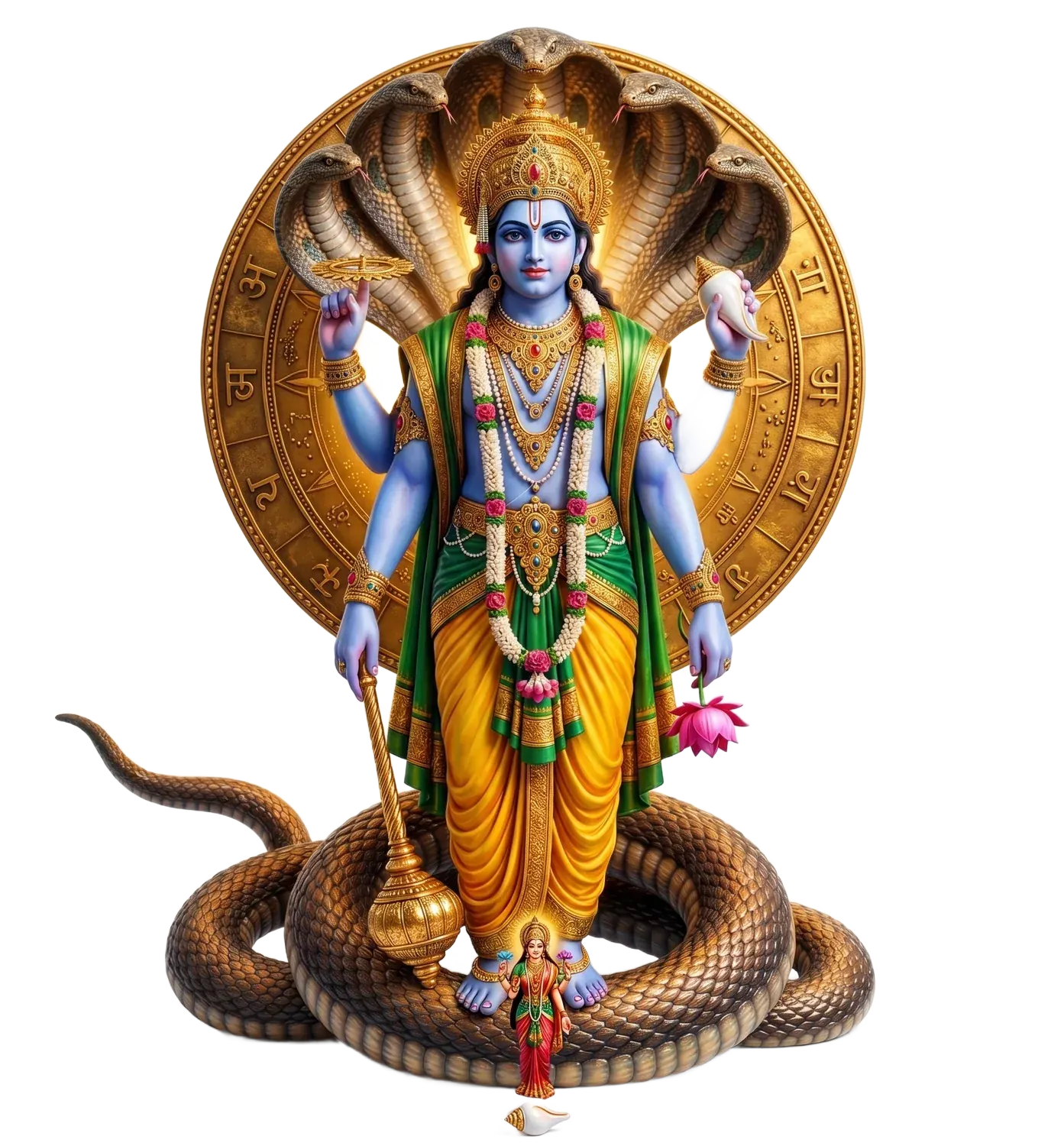
Badrinath, dedicated to Lord Vishnu in His form as Badrinarayan, is the final and most celebrated of the four dhams, situated on the banks of the Alaknanda river. Legend holds that Lord Vishnu once sat in deep meditation here, and Goddess Lakshmi, seeing Him exposed to harsh weather, transformed herself into a badri (berry) tree to shield Him — hence the name Badrinath, "Lord of the Berry Tree." The temple, with its distinctive brightly painted facade, is also one of the 108 Divya Desams sacred to Vaishnavites and one of the Char Dhams established by Adi Shankaracharya, making Badrinath uniquely part of both the greater Char Dham and the Chota Char Dham circuits. Nearby is the Mana village, considered the last Indian village before the Tibetan border, and the mythic Vyas Gufa and Ganesh Gufa, where sage Vyasa is said to have composed the Mahabharata with Lord Ganesha as his scribe.
Route Order and Practical Guidance
Pilgrims traditionally follow the sequence Yamunotri, then Gangotri, then Kedarnath, then Badrinath, moving progressively eastward through the Garhwal Himalayas, though many also complete the circuit in reverse or visit dhams individually depending on time and health. The yatra typically opens around Akshaya Tritiya in late April or early May, when the temple doors (kapaats) are ceremonially opened after the winter closure, and closes around Bhai Dooj in October-November, when deities are ceremonially moved to their winter shrines (Kedarnath's deity moves to Ukhimath, Badrinath's utsav murti to Pandukeshwar/Joshimath) before the Himalayan winter sets in.
The yatra involves significant high-altitude trekking and changeable mountain weather, so devotees are strongly advised to undergo a basic health check before travelling, carry warm clothing even in summer months, stay hydrated, follow official government yatra registration and biometric requirements, and travel with a guide or registered tour operator, particularly for the Kedarnath trek.
Spiritual Significance
The Chota Char Dham yatra is considered a journey that purifies the soul at every step — each dham represents a different divine element: Yamunotri and Gangotri as the sacred feminine, river-goddess energy that sustains and purifies life; Kedarnath as Shiva, the destroyer of ego and ignorance; and Badrinath as Vishnu, the preserver who grants final liberation. Completing all four is traditionally believed to grant moksha, freeing the devotee from the cycle of birth and rebirth, and is considered one of the most meritorious pilgrimages a devotee of Sanatan Dharma can undertake in this lifetime.
Frequently Asked Questions
Answers to common questions about the Chota Char Dham yatra are given below.
Quick guide
Before you begin
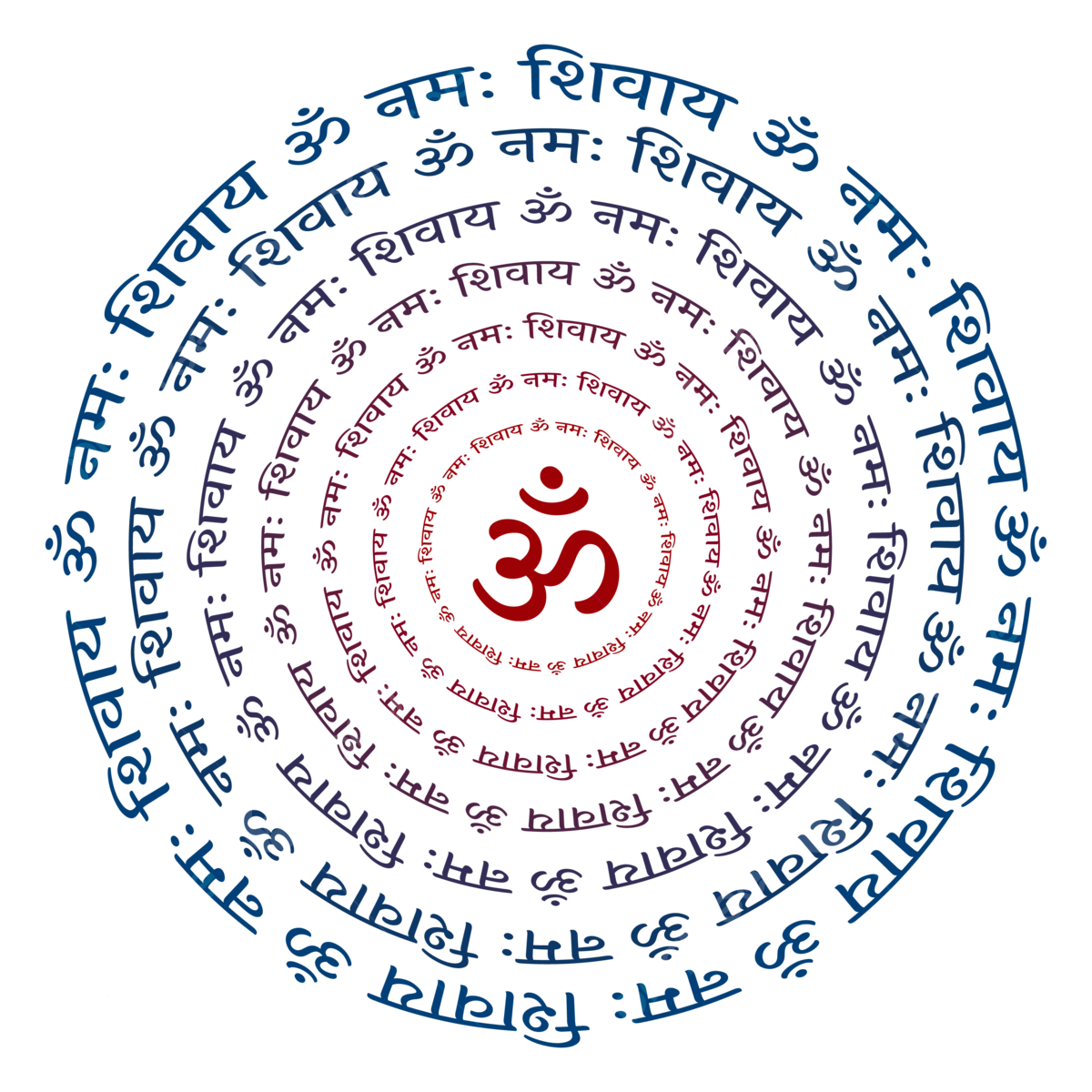
Mantra
Shiva mantra
Om Namah Shivaya
Chant with a quiet mind, especially on Monday, Pradosh, or during Shiva puja.
Bhav
Benefits devotees pray for
FAQ
Common questions
What is the correct order to visit the Chota Char Dham?
The traditional order is Yamunotri, then Gangotri, then Kedarnath, then Badrinath, moving progressively eastward through the Garhwal Himalayas. Some pilgrims also travel in reverse order depending on their route and travel plan.
What is the difference between Char Dham and Chota Char Dham?
The original Char Dham (Badrinath, Puri, Dwarka, Rameswaram) was established by Adi Shankaracharya across the four corners of India. The Chota Char Dham is a separate, Uttarakhand-specific circuit of Yamunotri, Gangotri, Kedarnath and Badrinath in the Himalayas.
When do the Chota Char Dham temples open and close?
The temples typically open around Akshaya Tritiya in late April or early May and close around Bhai Dooj in late October or early November, due to heavy Himalayan snowfall in winter.
Is the Kedarnath yatra difficult?
Yes, Kedarnath involves a trek of about 16-18 km from Gaurikund (or a shorter distance from Sonprayag) at high altitude, and can only be reached by foot, pony or helicopter. A basic health check and proper preparation are strongly recommended before undertaking it.
Prepare for Your Himalayan Pilgrimage
Book a puja for a safe, blessed and spiritually fulfilling Char Dham yatra.