

 या देवी सर्वभूतेषु मातृरूपेण संस्थिता
The Bhuvaneshwari Yantra is a sacred geometric form of the Cosmic Mother, worshipped for inner peace, mental clarity and protection of one's home and mind.
Who is Maa Bhuvaneshwari
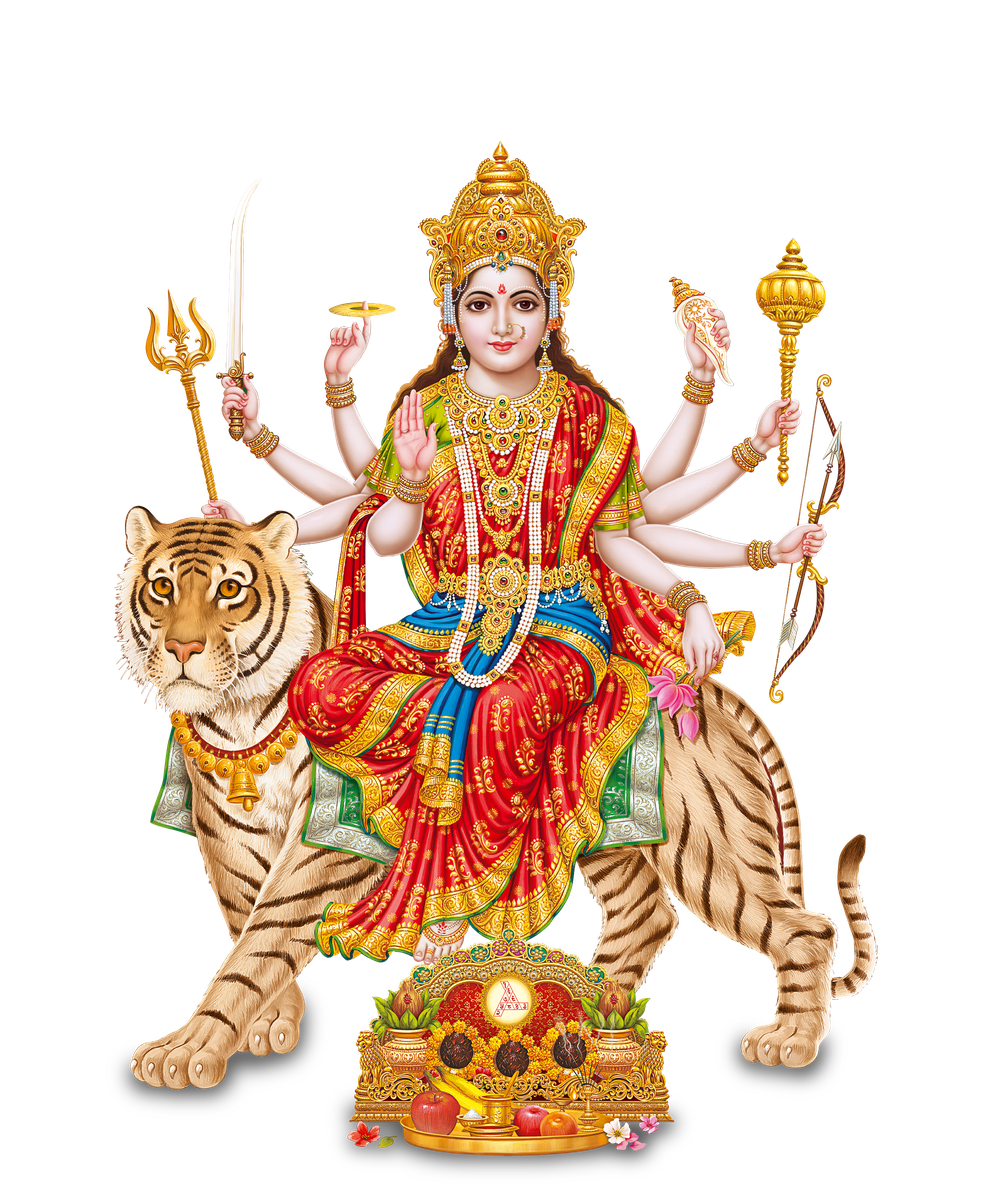
Among the Dus Mahavidyas, the ten great cosmic wisdom forms of the Divine Mother, Bhuvaneshwari holds a place of special tenderness. Her name itself means the Queen of the Universe, Bhuvana meaning world or existence, and Ishwari meaning ruling goddess. Where other Mahavidya forms carry fierce, transformative energy, Bhuvaneshwari is worshipped chiefly as a gentle, all-encompassing mother, the very space in which creation unfolds. She is often depicted seated on a lotus, four-armed, holding a noose, a goad, and showing gestures of boon-giving and fearlessness, her complexion radiant like the rising sun, crowned and adorned like a queen presiding over the cosmos itself.
Because she represents the container of all existence, the sky, the earth and the space between, devotees turn to her particularly for stability, a peaceful home, and a settled mind. Her yantra is one of the most approachable and widely used tools in Sanatan tantra sadhana for exactly this reason.
What is the Bhuvaneshwari Yantra
A yantra is a sacred geometric diagram, a subtle-energy map of a deity's cosmic form, used as a focus for meditation and worship. The Bhuvaneshwari Yantra is typically drawn as a series of concentric triangles and a surrounding lotus of petals, enclosed within a square boundary with four gateways, representing the four directions through which divine grace enters a space. At the centre lies the bindu, the point representing the goddess's undivided consciousness, from which the entire universe of form is said to expand.
When this yantra is properly consecrated and worshipped, it is believed to become a living presence of the goddess herself, radiating her qualities of stability, protection and inner peace into the space and the life of the worshipper.
Benefits of worshipping the Bhuvaneshwari Yantra
Devotees keep and worship this yantra for several reasons rooted in tradition.
Mental peace and clarity: Because Bhuvaneshwari governs the underlying space of existence, her yantra is said to help calm a restless, anxious or scattered mind, bringing a sense of steadiness.
Harmony in the home: The square boundary of the yantra, with its four gates, is associated with a balanced, protected household, free of unnecessary conflict and negativity.
Grounding and stability: For those who feel unsettled in life, changing jobs, homes or circumstances frequently, this yantra is worshipped as an anchor, inviting a sense of belonging and rootedness.
Protection of space: Traditionally the yantra is placed in the puja ghar or a quiet corner of the home to gently ward off negative energy and keep the atmosphere sattvic.
Support for meditation: Because the geometric form draws the eye naturally to its centre, it is used by sadhaks as a simple, effective focus point (drishti) for dhyana.
How to install and worship the Yantra (Sthapana Vidhi)
Choose an auspicious day, Navratri, a Friday, or any Purnima is considered favourable, though any sincere day of devotion is acceptable.
Clean the space where the yantra will be kept, ideally your home temple or a clean, quiet shelf facing east or north.
Bathe and wear clean clothes before beginning. Place the yantra on a clean red or yellow cloth.
Offer a diya of ghee, a few flowers (red or yellow are traditional), a little kumkum and akshat (unbroken rice), and if available a little raw honey or jaggery as naivedya.
Light incense and sit facing the yantra. Close your eyes for a moment and mentally invoke the goddess, offering gratitude and asking for her grace and protection.
Chant the mantra given below, ideally 108 times using a mala, keeping the mind soft and unhurried.
After the jaap, offer a final pranam, and let the diya burn out naturally if possible. The yantra can then remain permanently in your puja space, to be lightly worshipped daily with a diya and a few minutes of quiet attention.
Bhuvaneshwari Mantra
The commonly chanted beej-based mantra is:
ॐ ह्रीं भुवनेश्वर्यै नमः
Om Hreem Bhuvaneshwaryai Namah
This can be chanted 108 times daily, ideally in the early morning or during the evening sandhya, seated calmly before the yantra or an image of the goddess. Some traditions also chant this mantra 11 times before beginning any new task or entering a new home, to invoke her stabilising presence.
Dos and Don'ts
Do keep the yantra and its surroundings clean at all times; a yantra thrives in a sattvic, uncluttered space.
Do light a diya near it regularly, even if only for a few minutes each evening.
Do not place the yantra on the floor or in the kitchen or bathroom; a raised, respectful position is important.
Do not approach this practice with fear or urgency. Bhuvaneshwari's energy responds best to a calm, patient, devotional attitude rather than anxious repetition.
Do not use this yantra or mantra for any harmful intention toward another person. Tantra in the Sanatan tradition, when practiced rightly, is always protective and uplifting, never used to cause harm; such misuse goes entirely against the spirit of the Mahavidya path.
A gentle note
This article shares traditional devotional practice as passed down through Sanatan tantra and Mahavidya worship. It is offered in a spirit of faith and is not a substitute for professional medical, psychological, legal or financial advice. If you are facing serious mental distress, please also consult a qualified professional alongside your spiritual practice.
Frequently Asked Questions
See the FAQ section below for common questions about this yantra.
Quick guide
Before you begin
Mantra
Devi mantra
Om Dum Durgaye Namah
Chant 11, 21, or 108 times according to your time and capacity.
Bhav
Benefits devotees pray for
FAQ
Common questions
Can anyone worship the Bhuvaneshwari Yantra at home?
Yes, this yantra is considered gentle and approachable, suitable for daily household worship by anyone with sincere devotion, without requiring initiation.
Where should the yantra be placed in the house?
It is best placed in the home temple or a clean, elevated, quiet space facing east or north, away from the kitchen, bathroom, or floor level.
How many times should the mantra be chanted?
Traditionally 108 times daily using a mala is recommended, though even a sincere shorter practice offers benefit.
Is this yantra safe to use without a guru?
Yes, for devotional worship with the mantra given here, no formal initiation is required. Deeper tantric sadhana, however, is traditionally learned under a qualified guide.
Seek Maa Bhuvaneshwari's Blessings
Let our pandits perform a heartfelt puja on your behalf for peace, stability and protection.