

 राशि कूट मिलान
Bhakoot Dosh looks at the distance between the Moon signs of prospective partners, and while it carries meaningful weight in guna milan, dharmic remedies and cancellation rules bring balanced clarity.
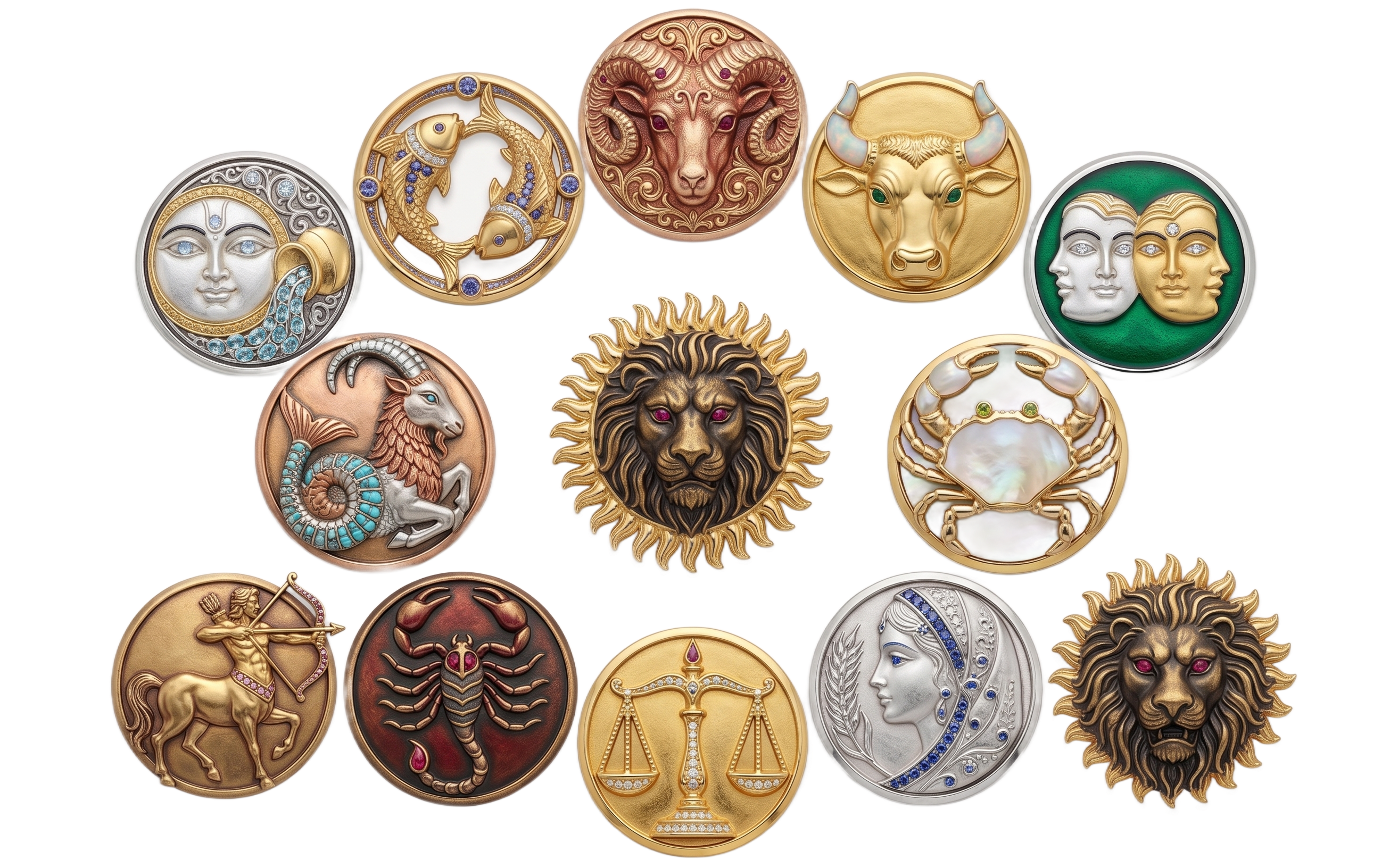
Among the eight koots (factors) of traditional Ashtakoot Guna Milan performed before marriage, Bhakoot Dosh — also called Rashi Kuta — carries a weight of 7 points out of the total 36, making it the second most significant factor after Nadi. It is assessed purely on the basis of the Moon sign (Rashi) positions of the prospective bride and groom, examining the distance or angular relationship between their two Moon signs.
Bhakoot is calculated by counting the number of signs between the groom's Moon sign and the bride's Moon sign, and vice versa. Certain sign-distance combinations are considered inauspicious and are said to create Bhakoot Dosh. These specifically include: a 2-12 relationship (the Moon signs are two positions apart in one count and twelve in the reverse), a 5-9 relationship, and a 6-8 relationship. When any of these particular distance combinations occur between the couple's Rashis, Bhakoot Dosh is said to be present.
Each of these specific afflicted combinations is traditionally associated with a different area of concern. The 6-8 combination (Shad-Ashtak) is generally regarded as the most serious, traditionally linked with concerns about the longevity, health or general wellbeing of the couple, and is given the most careful attention by astrologers. The 2-12 combination is traditionally associated with possible financial strain or difficulties in accumulating and retaining wealth within the household. The 5-9 combination is traditionally linked to concerns around progeny — the wellbeing and timely arrival of children in the marriage. It's important to note that these are classical associations passed down through generations of astrological practice, offered here for understanding, not as fixed predictions for any individual.
However, just as with other doshas in Vedic astrology, our shastras provide sensible, well-established cancellation (Bhakoot Dosh Bhang) rules that experienced astrologers apply before drawing any conclusion. If the Moon sign lords (Rashi Swami) of the bride and groom are the same planet, or are natural friends to each other, the ill-effects of Bhakoot Dosh are considered significantly reduced or cancelled. If the overall Ashtakoot Milan score across the remaining points is strong — generally 24 points and above out of 36 — many astrologers consider the marriage favourable despite Bhakoot Dosh being technically present. Additionally, if there is a mutual exchange of signs (parivartana) between the Moon sign lords, or if Jupiter and Venus are well placed and supportive in both charts, the dosh's impact is traditionally viewed as much milder.
It is worth remembering that Guna Milan as a whole — including Bhakoot — was designed by our sages as one supportive tool among several for assessing marital harmony, not as an absolute, unbending verdict on a couple's future. A wise astrologer will always examine the complete picture: the strength of the seventh house and its lord in both charts, the placement and strength of Venus (karaka for marriage) and Jupiter (karaka for husband, in a woman's chart), any Mangal Dosh, and the general temperament shown by the full horoscope — never reducing an entire life decision to one koot in isolation.
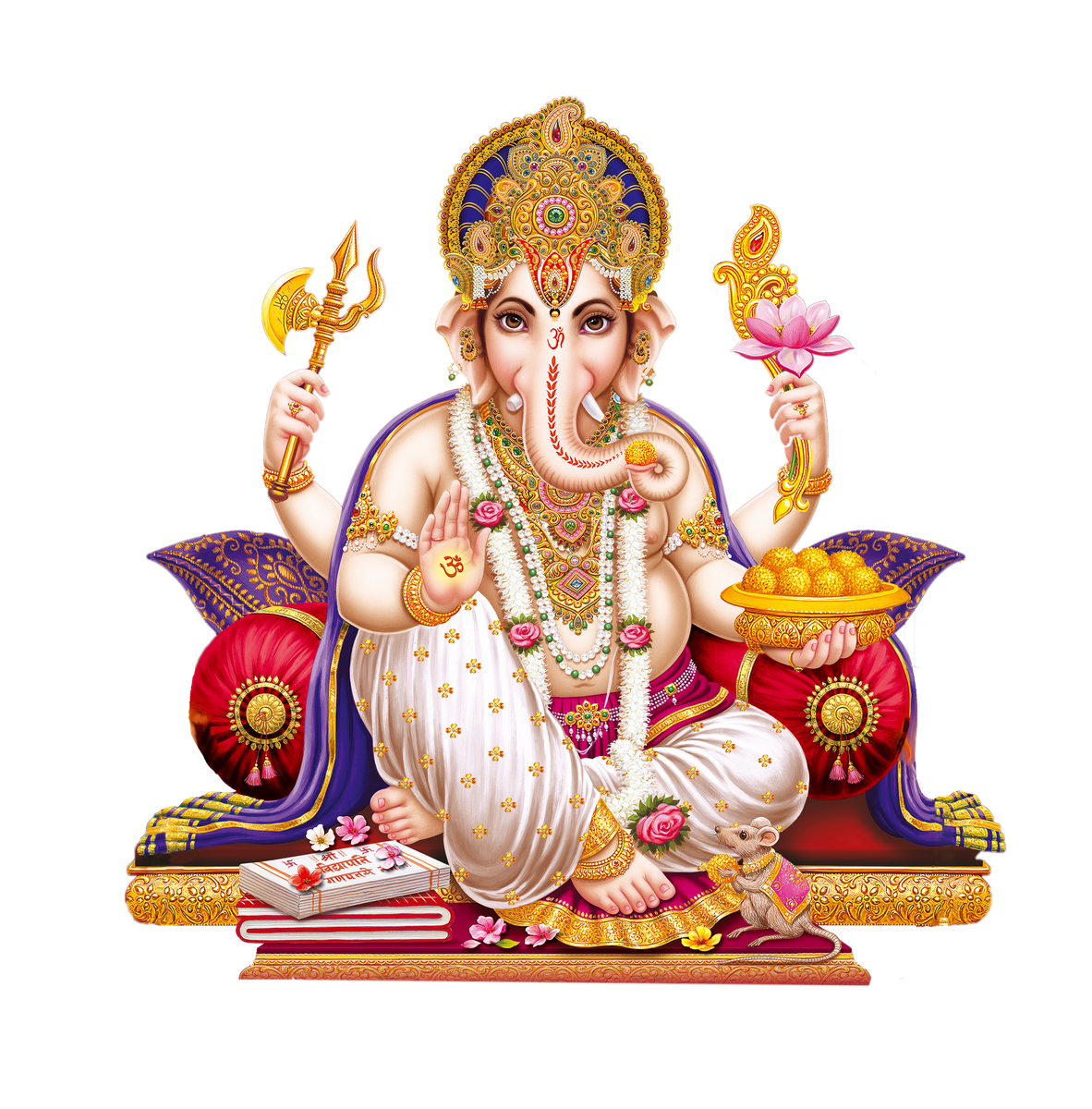
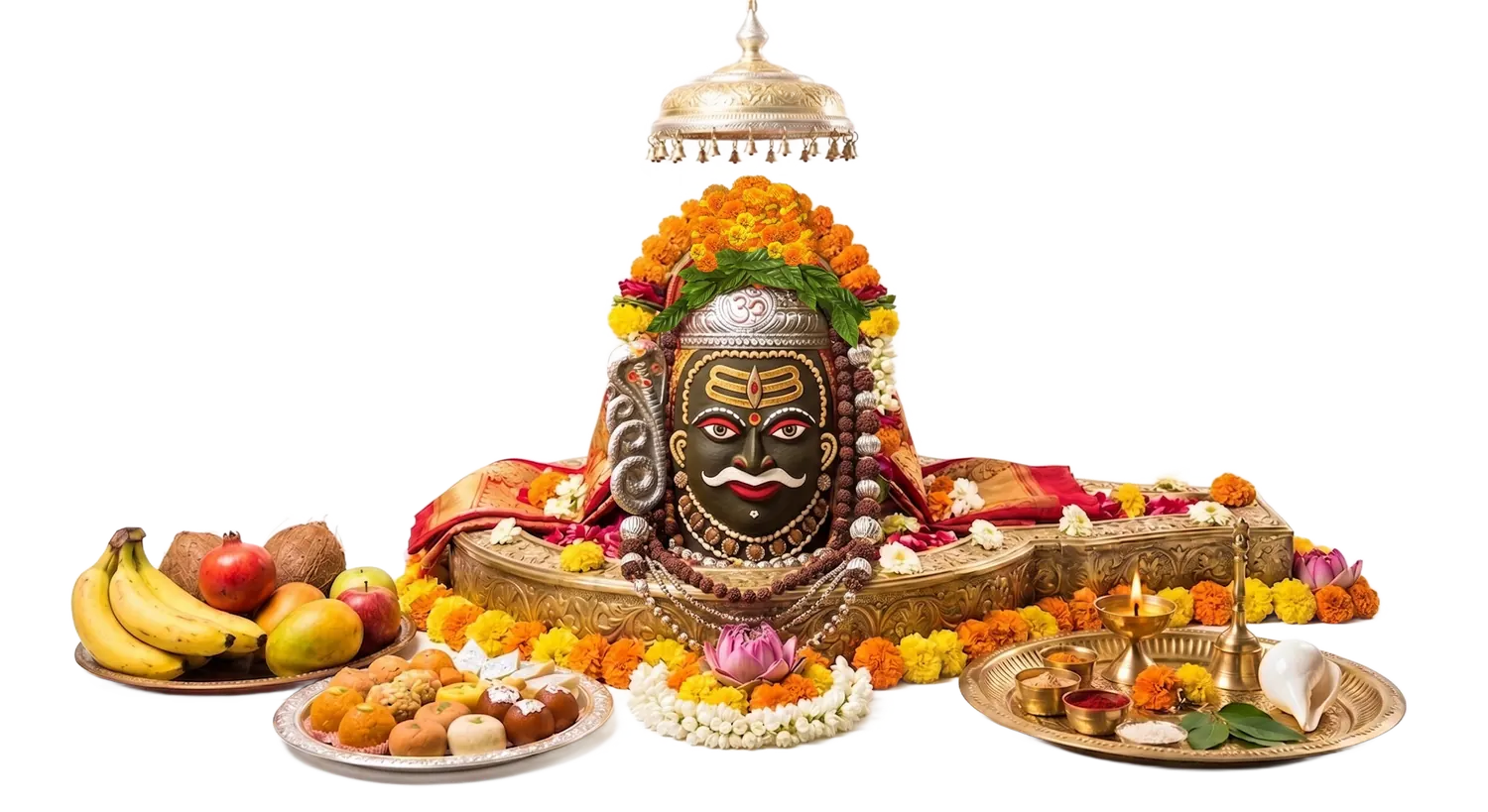
When Bhakoot Dosh is present and not clearly cancelled, our tradition offers gentle, faith-based remedies rather than fear. A joint puja to Lord Ganesha before the wedding, invoking his blessing as the remover of obstacles, is a traditional and heartfelt first step. Worship of Lord Shiva and Goddess Parvati together as the divine couple, and chanting the Maha Mrityunjaya Mantra, are widely recommended to invoke marital harmony, health and longevity. For couples concerned specifically about progeny, prayers to Santan Gopal or a simple, sincere puja to Lord Krishna is a traditional comfort. Couples worried about financial harmony are often guided towards worship of Goddess Lakshmi on Fridays, along with disciplined, honest financial planning in daily life — because dharmic remedy always works hand in hand with one's own sincere effort, not in place of it.
Ultimately, Bhakoot Dosh, like other elements of kundali milan, is meant to offer guidance and reassurance, not to create fear or become an obstacle to a loving, committed relationship. If a genuine connection, mutual respect and shared values exist between two people, sincere worship and the counsel of a knowledgeable astrologer can help address any concerns raised by the chart with confidence and peace of mind. This guidance is rooted in dharmic tradition and should always be read alongside, not instead of, open conversation between families and, where relevant, professional counselling.
Quick guide
Before you begin
Mantra
Devi mantra
Om Dum Durgaye Namah
Chant 11, 21, or 108 times according to your time and capacity.
Bhav
Benefits devotees pray for
FAQ
Common questions
What exactly creates Bhakoot Dosh?
It occurs when the Moon signs of the bride and groom fall in a 2-12, 5-9, or 6-8 distance relationship from each other, as calculated within Ashtakoot Guna Milan.
Which combination is considered most serious?
The 6-8 (Shad-Ashtak) combination is traditionally viewed as the most significant, associated with concerns about health and longevity, though cancellation rules can soften its effect.
Can Bhakoot Dosh be cancelled?
Yes. If the Moon sign lords are the same or are natural friends, or the overall guna score is strong (24+ out of 36), astrologers commonly consider the dosh cancelled or greatly reduced.
What is a simple remedy for Bhakoot Dosh?
A joint puja to Lord Ganesha before marriage, worship of Shiva-Parvati together, and chanting the Maha Mrityunjaya Mantra are common, faith-based remedies.
Invoke Blessings for Marital Harmony
A sincere puja to Ganesha and Shiva-Parvati can bring peace of mind before your union.