




 भज गोविन्दं भज गोविन्दं गोविन्दं भज मूढमते
The complete Bhaja Govindam (Moha Mudgara) of Adi Shankaracharya — timeless verses reminding us to turn from fleeting worldly attachment toward devotion to Govinda.
Bhaja Govindam, also known as Moha Mudgara ("the hammer that shatters delusion"), is one of the most famous devotional-philosophical compositions of Adi Shankaracharya, the great 8th-century acharya who established the path of Advaita Vedanta across Bharat. Unlike a ritual stotra, Bhaja Govindam is a wake-up call — a gentle but firm reminder to every human being, learned or unlearned, young or old, that chasing wealth, youth, family pride and worldly pleasures without remembering the Divine is ultimately a wasted life.
According to tradition, Shankaracharya composed the core verses spontaneously in Kashi (Varanasi) upon seeing an old, learned scholar still absorbed in memorising Sanskrit grammar (dukrinkarane) rather than turning his mind to God. Moved by compassion, Shankaracharya sang out "Bhaja Govindam, Bhaja Govindam, Govindam bhaja moodhamate" — "Worship Govinda, worship Govinda, O foolish mind, worship Govinda; for when the appointed time comes, mere grammar rules will not save you." His disciples, deeply touched, added further verses in the same spirit, and together these form the complete Bhaja Govindam, also called Dvadashamanjarika Stotram (for the twelve core verses by Shankaracharya) combined with additional verses by his disciples, sometimes called Charpata Panjarika Stotram.
Complete Bhaja Govindam (Devanagari) with Meaning
Refrain (repeated after the core verses):
भज गोविन्दं भज गोविन्दं गोविन्दं भज मूढमते । संप्राप्ते सन्निहिते काले नहि नहि रक्षति डुकृञ्करणे ॥
Meaning: Worship Govinda, worship Govinda, worship Govinda, O foolish mind! When death's appointed hour draws near, mere rules of grammar will surely not save you.
Verse 1
मूढ़ जहीहि धनागमतृष्णां कुरु सद्बुद्धिं मनसि वितृष्णाम् । यल्लभसे निजकर्मोपात्तं वित्तं तेन विनोदय चित्तम् ॥
Meaning: O fool, give up the thirst for accumulating wealth; cultivate a mind free of craving and full of good sense. Whatever wealth you gain through your own righteous effort, use it to bring contentment to your mind — not endless accumulation.
Verse 2
नारीस्तनभरनाभीदेशं दृष्ट्वा मागामोहावेशम् । एतन्मांसावसादि विकारं मनसि विचिन्तय बारं बारम् ॥
Meaning: Do not fall into the intoxication of infatuation upon seeing the beauty of a woman's form. Reflect again and again in your mind that this body is, after all, a transformation of flesh and matter, bound to decay.
Verse 3
नलिनीदलगत जलमतितरलं तद्वज्जीवितमतिशयचपलम् । विद्धि व्याध्यभिमानग्रस्तं लोकं शोकहतं च समस्तम् ॥
Meaning: Like a drop of water trembling on a lotus leaf, life is extremely fickle and momentary. Know that this entire world is gripped by disease and pride, and struck through with sorrow.
Verse 4
यावद्वित्तोपार्जनसक्तः तावन्निजपरिवारो रक्तः । पश्चाज्जीवति जर्जरदेहे वार्तां कोऽपि न पृच्छति गेहे ॥
Meaning: As long as a man is capable of earning wealth, his family remains attached and devoted to him. But later, when he lives on with a frail, aged body, no one in the house even bothers to ask after him.
Why Bhaja Govindam is Chanted
Bhaja Govindam is not chanted for a specific material wish but to awaken viveka (discrimination) and vairagya (detachment) — to remember, amid the daily rush of life, that everything material is temporary, and that devotion combined with wisdom is the only lasting shelter. It is widely sung in schools, ashrams and satsangs across India, often set to melodious tunes, because its message is universal and timeless regardless of one's path or tradition.
How and When to Chant
Time: Any time, though many devotees recite it in the morning, during satsang, or whenever they seek clarity and detachment from worldly worry. It is especially meaningful to sing during Guru Purnima, in memory of Adi Shankaracharya, or during any period of loss, illness or major life transition when the mind needs perspective.
Method: It may be sung aloud in a group with the "Bhaja Govindam" refrain repeated as a chorus after each verse, or read reflectively, pausing to absorb the meaning of each line. It does not require any particular ritual, mala or offering — sincere reflection is the only requirement.
Do's and Don'ts
Do read it slowly and let each verse's meaning sink in rather than rushing through the Sanskrit. Do use it as a mirror for self-reflection, not as a judgment of others. Do pair it with some form of daily remembrance of God — japa, puja, or simply gratitude. Avoid treating it as mere poetry to memorise without inner reflection; avoid using its message of detachment as an excuse to neglect one's genuine family and worldly duties, which the tradition still asks us to perform without excessive attachment to results.
Mahatmya (Glory)
Bhaja Govindam holds a special place because it was born from a moment of direct compassion — Adi Shankaracharya, upon seeing an old man still lost in memorising grammar rules rather than remembering God, was moved to sing this teaching so that no one, however learned, would waste their one precious human life in pursuits that cannot accompany the soul beyond death. It remains one of the most quoted and beloved compositions in the Vedantic tradition precisely because its wisdom is as relevant to a modern reader as it was thirteen centuries ago.
Frequently Asked Questions
This section addresses common questions about Bhaja Govindam.
Quick guide
Before you begin
Mantra
Khatu Shyam mantra
Om Shri Shyam Devaya Namah
Chant with love and surrender, especially before Shyam Baba katha, aarti, or bhog.
Bhav
Benefits devotees pray for
FAQ
Common questions
Who wrote Bhaja Govindam?
Adi Shankaracharya composed the core twelve verses (Dvadashamanjarika Stotram) upon seeing an old scholar absorbed in grammar rather than God; his disciples then added further verses in the same spirit, together forming the full Bhaja Govindam.
What does 'Bhaja Govindam' mean?
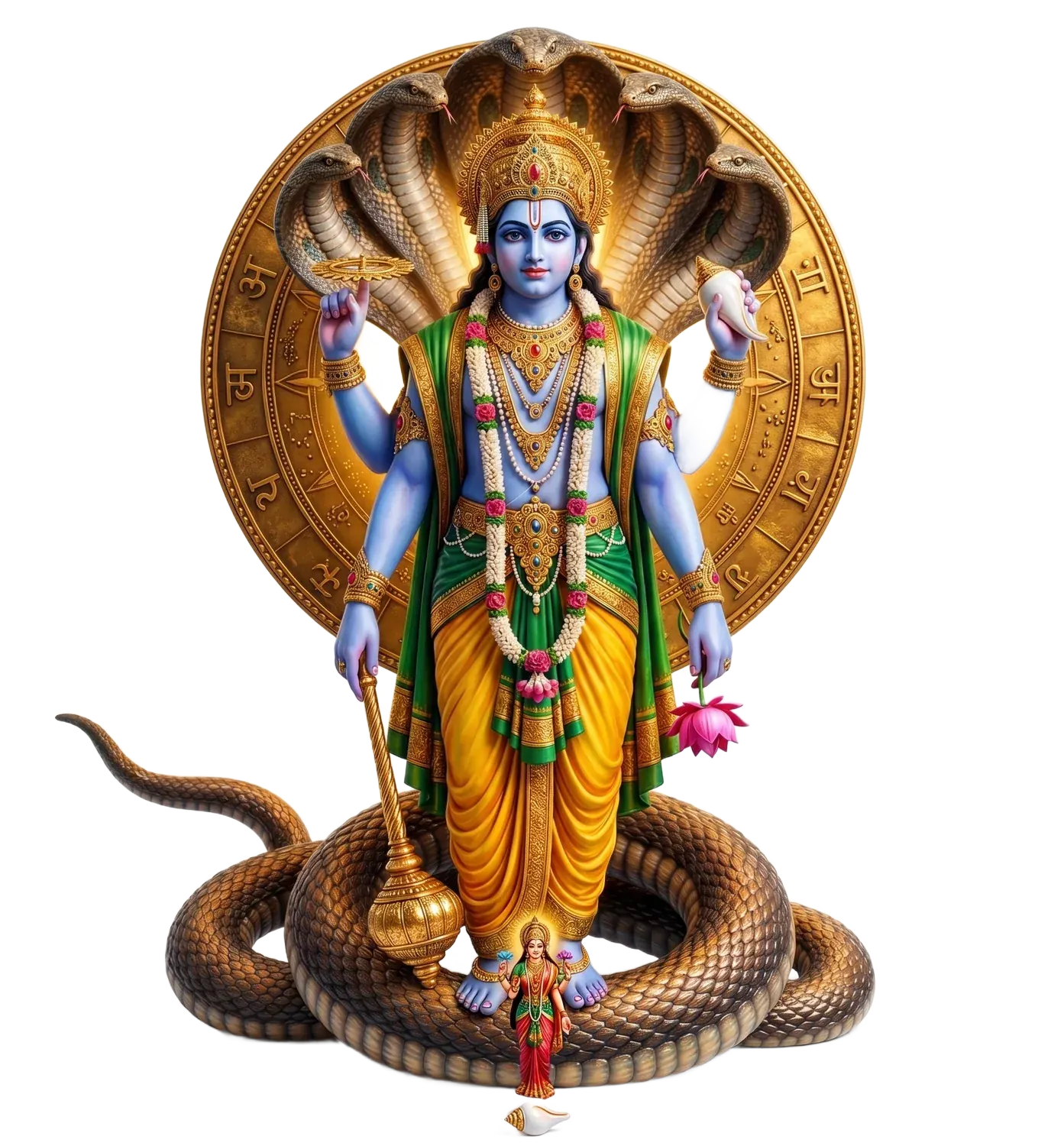
It means 'Worship Govinda' — Govinda being a name of Bhagwan Krishna/Vishnu. The refrain urges the mind to turn toward devotion and self-knowledge rather than fleeting worldly pursuits.
How many verses does Bhaja Govindam have?
The core Dvadashamanjarika has twelve verses by Shankaracharya; with the additional verses composed by his disciples (Charpata Panjarika and others), the full traditional text runs to about thirty-one verses.
Is Bhaja Govindam only for renunciates or sannyasis?
No. Its message is meant for every person, householder or renunciate, reminding all of us to balance worldly duty with remembrance of God and awareness of life's impermanence.
Deepen Your Spiritual Journey
Book a puja for wisdom, peace and family well-being, or explore more sacred stotras and scriptures on Divya Chadhava.