


 बीजाक्षर साधना
Beej mantras are single, seed-syllable sounds that carry the concentrated vibration of a deity and are used to awaken specific energies within the chanter.
In the Sanatan tradition, sound itself is considered divine. Every deity, every planet, and every cosmic force is believed to have a subtlest form that can be expressed not through a long hymn but through a single, compressed syllable. This syllable is called a beej mantra, literally a seed mantra. Just as a tiny seed contains within it the entire tree with its roots, trunk, branches, leaves and fruit, a beej akshar contains within its one sound the entire nature, power and blessing of the deity it represents. This is why beej mantras are considered among the most potent tools in Vedic and Tantric sadhana, even though they may appear deceptively simple.
What is a beej mantra
A beej mantra is usually a single syllable, often ending in the nasal sound anuswar (represented as ं), such as Om, Hreem, Shreem, Kleem, Aim, Kreem, Gam, Dum and so on. Unlike a full stotra or chalisa which describes the deity's form, story and glory in many words, a beej mantra carries no descriptive meaning in the ordinary sense. Its power lies purely in vibration. When chanted with correct pronunciation, breath and focus, the sound is believed to resonate with the subtle energy centres of the body and with the cosmic frequency of the deity, creating a direct, wordless connection.
Most beej mantras are combined with the deity's longer mantra as a prefix, for example Om Hreem Namah Shivaya for Shiva or Om Shreem Mahalakshmyai Namah for Lakshmi. Used this way, the beej supercharges the rest of the mantra, giving it added potency, much like a spark that ignites a larger fire.
The main beej mantras and their meaning
Om (ॐ): The primordial sound, the mantra of all mantras. It represents Brahman, the formless supreme reality from which all creation arises. Every mantra traditionally begins with Om because it aligns the mind with the cosmic vibration before any specific request is made.
Hreem (ह्रीं): Known as the maya beej, it is associated with the Divine Mother in her form as illusion, prosperity and inner transformation. It is used in mantras of Durga, Lalita, Bhuvaneshwari and many Devi forms. It awakens purity, magnetism and spiritual maya that draws grace toward the chanter.
Shreem (श्रीं): The beej of Goddess Lakshmi, representing abundance, beauty, wealth and grace. Chanting Shreem is believed to remove poverty consciousness and open the path for prosperity, both material and spiritual.
Kleem (क्लीं): The beej of attraction and fulfilment of desire, closely associated with Krishna and Kamadeva energy as well as Kali. It is used to draw favourable circumstances, relationships and opportunities toward the chanter, always with the understanding that it should be used for dharmic, positive intentions.
Aim (ऐं): The beej of Saraswati, representing knowledge, speech, wisdom and the arts. Students, writers, teachers and anyone seeking clarity of intellect chant this beej, often before study or an examination.
Kreem (क्रीं): Associated with Kali shakti, this beej invokes swift removal of obstacles and negative influences. It is a mantra of protection and courage.
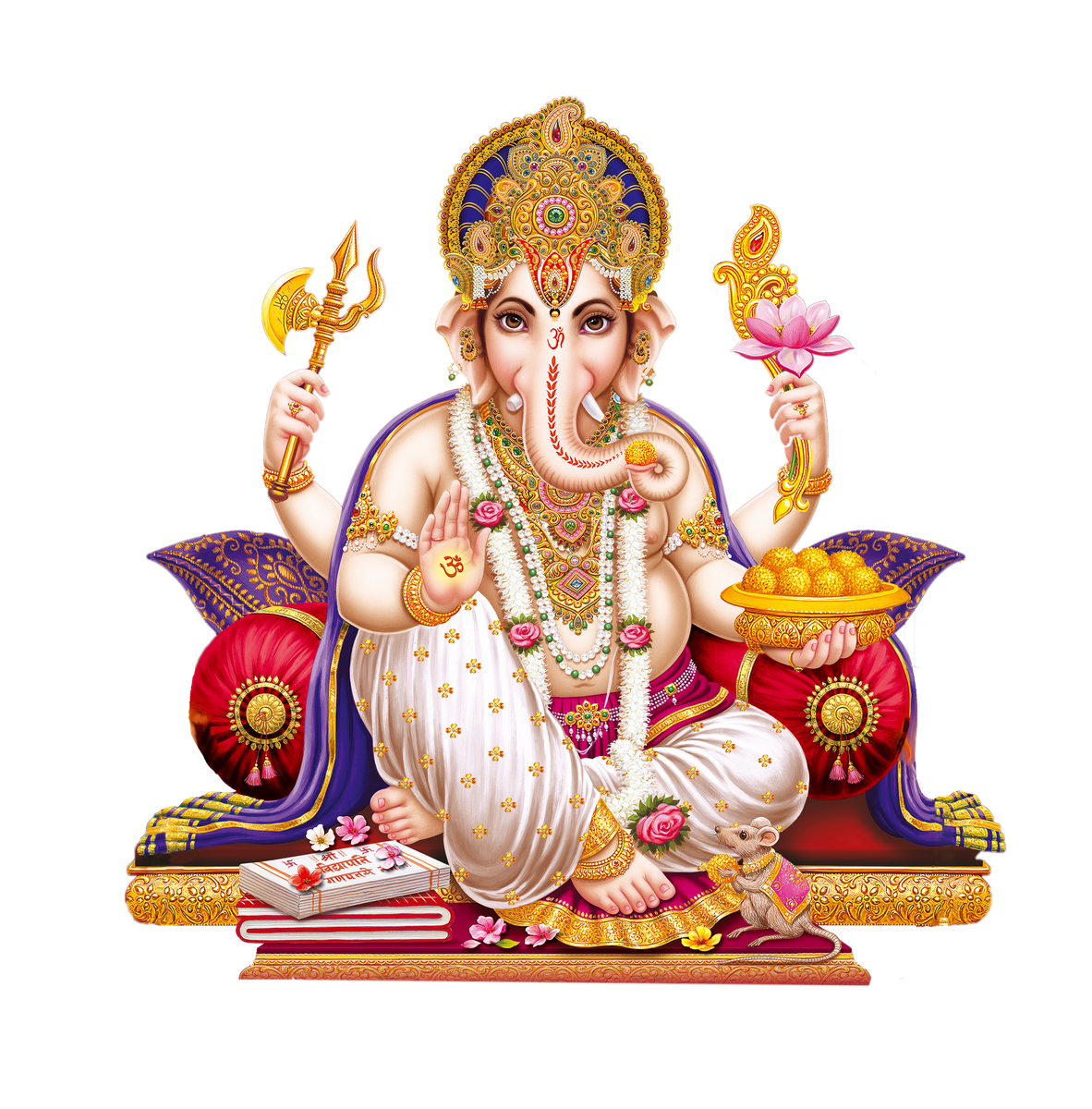
Gam (गं): The beej of Lord Ganesha, chanted before beginning any new task, mantra sadhana or journey, to remove obstacles and ensure an auspicious start.
Dum (दुं): The beej of Goddess Durga, invoked for protection, strength and victory over difficulties.
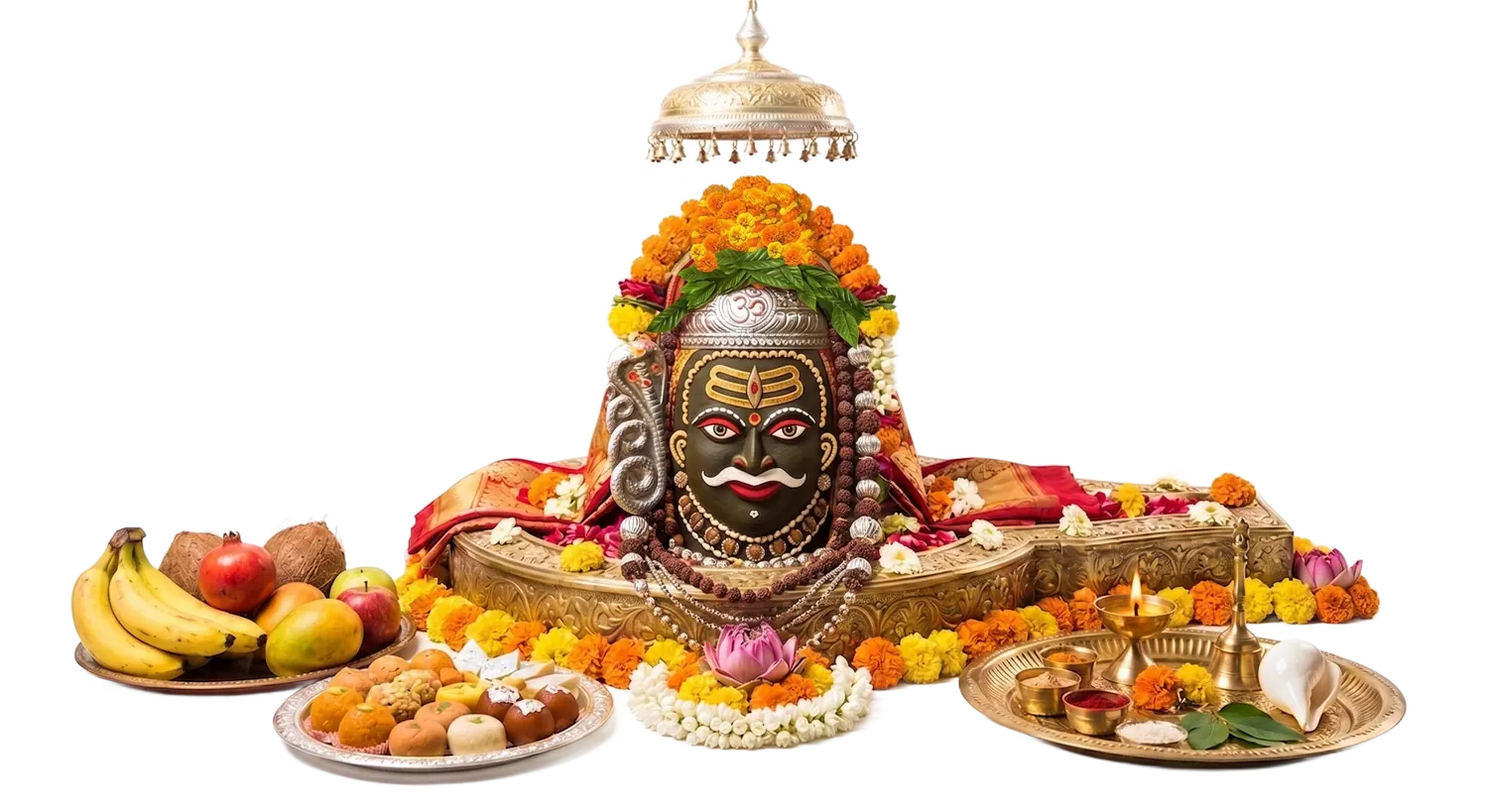
Hroum (ह्रौं): The beej of Lord Shiva in his fierce, transformative aspect, used for deep inner purification.
Namah, Swaha, Namaha: While not beej syllables in the strict sense, these closing words are essential companions used to complete and seal a mantra, offering the energy raised back to the deity.
Graha (planetary) beej mantras
Each of the nine grahas also has its own beej mantra, used in navgrah shanti and remedial worship:
Surya: Om Hreem Ghrini Suryaya Namah Chandra: Om Shreem Somaya Namah Mangal: Om Kreem Bhaumaya Namah Budh: Om Bram Brim Broum Sah Budhaya Namah Guru: Om Greem Gurave Namah Shukra: Om Draam Dreem Droum Sah Shukraya Namah Shani: Om Praam Preem Proum Sah Shanaischaraya Namah Rahu: Om Bhram Bhreem Bhroum Sah Rahave Namah Ketu: Om Sram Sreem Sroum Sah Ketave Namah
How to chant beej mantras correctly
Purity of pronunciation matters greatly in beej mantra sadhana, since the effect is built on vibration rather than literal meaning. Sit facing east or north, ideally after a bath, in a clean and quiet space. Light a diya and, if possible, use a mala of rudraksha or the bead appropriate to the deity. Begin with a short prayer asking for guidance, then chant the beej, either alone in repetition or combined with the deity's full mantra, for a fixed count such as 108 times using the mala, one round at a time.
Best time to chant is Brahma Muhurta, the hour before sunrise, though evening after sunset is also considered good for Devi and Shani related beej mantras. Consistency over many days, rather than one intense session, is what allows the vibration to take root. Many households chant a chosen beej mantra daily for forty days, known as a mantra anushthan, to feel its full benefit.
Precautions and etiquette
Beej mantras, especially those linked to Tantra such as Kleem, Kreem and Hreem, are best learned with guidance from a knowledgeable elder, guru or trusted text, since correct pronunciation and intention matter. They should never be used with a desire to harm another person; such misuse is considered spiritually damaging to the user themselves. Used with a pure, devotional heart for one's own upliftment, protection, knowledge or family welfare, beej mantras are safe and are chanted daily by millions of devotees across India.
Why beej mantras are powerful
Sages who codified the mantra shastras describe sound as the subtlest and most direct bridge between the human mind and the divine. A beej mantra strips away all elaboration and leaves only the pure vibration, allowing even a person with little time or little knowledge of Sanskrit to connect deeply with a deity's energy through consistent, sincere repetition. This is why beej mantras remain, even today, one of the simplest yet most profound practices in Hindu devotional life.
Quick guide
Before you begin
Mantra
Devi mantra
Om Dum Durgaye Namah
Chant 11, 21, or 108 times according to your time and capacity.
Bhav
Benefits devotees pray for
FAQ
Common questions
What is the difference between a beej mantra and a full mantra?
A beej mantra is a single compressed syllable that carries pure vibrational energy, while a full mantra contains descriptive words about the deity's form and qualities. Beej mantras are often combined as a prefix within a longer mantra to intensify its power.
Can beginners chant beej mantras like Kleem or Hreem?
Yes, beginners can chant them with a pure, devotional intention, ideally after learning correct pronunciation from a reliable source or elder. They are safe when used for one's own growth, protection or family welfare.
How many times should a beej mantra be chanted daily?
A common and effective practice is 108 repetitions using a mala, once or more times a day, continued for a fixed period such as 40 days for deeper effect.
Do beej mantras have a literal meaning?
Not in the way ordinary words do. Their effect comes primarily from sound vibration rather than translated meaning, though each beej is traditionally associated with a quality such as wealth, wisdom or protection.
Seek Guided Puja & Sadhana Support
Let our pandits perform mantra-based puja and remedies on your behalf with complete Vedic accuracy.